Baby Toys That Support Early Cause and Effect Learning
A parent-friendly guide to simple, safe baby toys that teach cause and effect from birth to 12 months, with tips on what to look for, age fit, and safety.
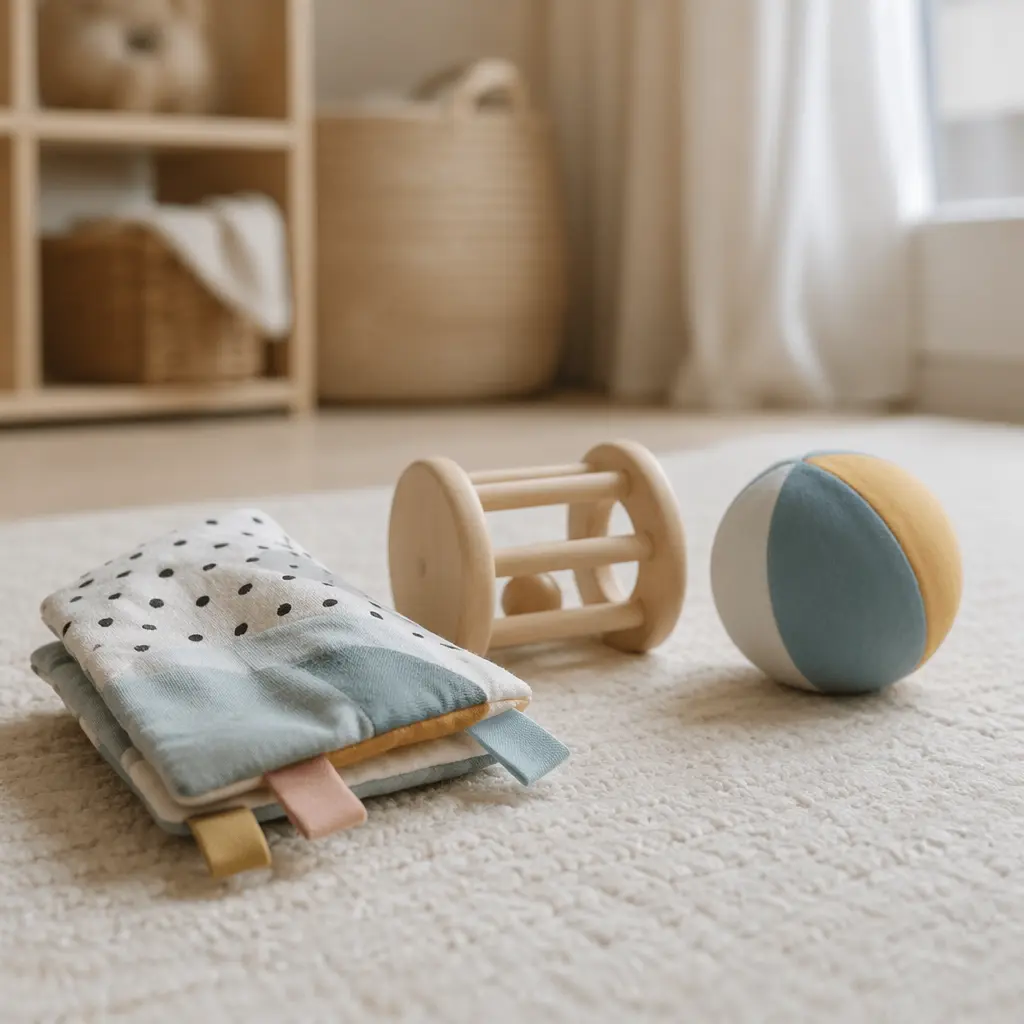
Compare prices and availability
Check current prices and availability for this guide on eBay.
As an eBay Partner, we may be compensated if you make a purchase.
Cause and effect is one of the earliest thinking skills babies begin to build. When a baby kicks and a toy moves, shakes a rattle and hears a sound, or presses a soft button and sees a light, they start to connect actions with outcomes. Toys that support this kind of learning don’t need to be complicated. For infants from birth to 12 months, the most effective options are often simple, sensory-focused, and designed for safe exploration.
What to look for
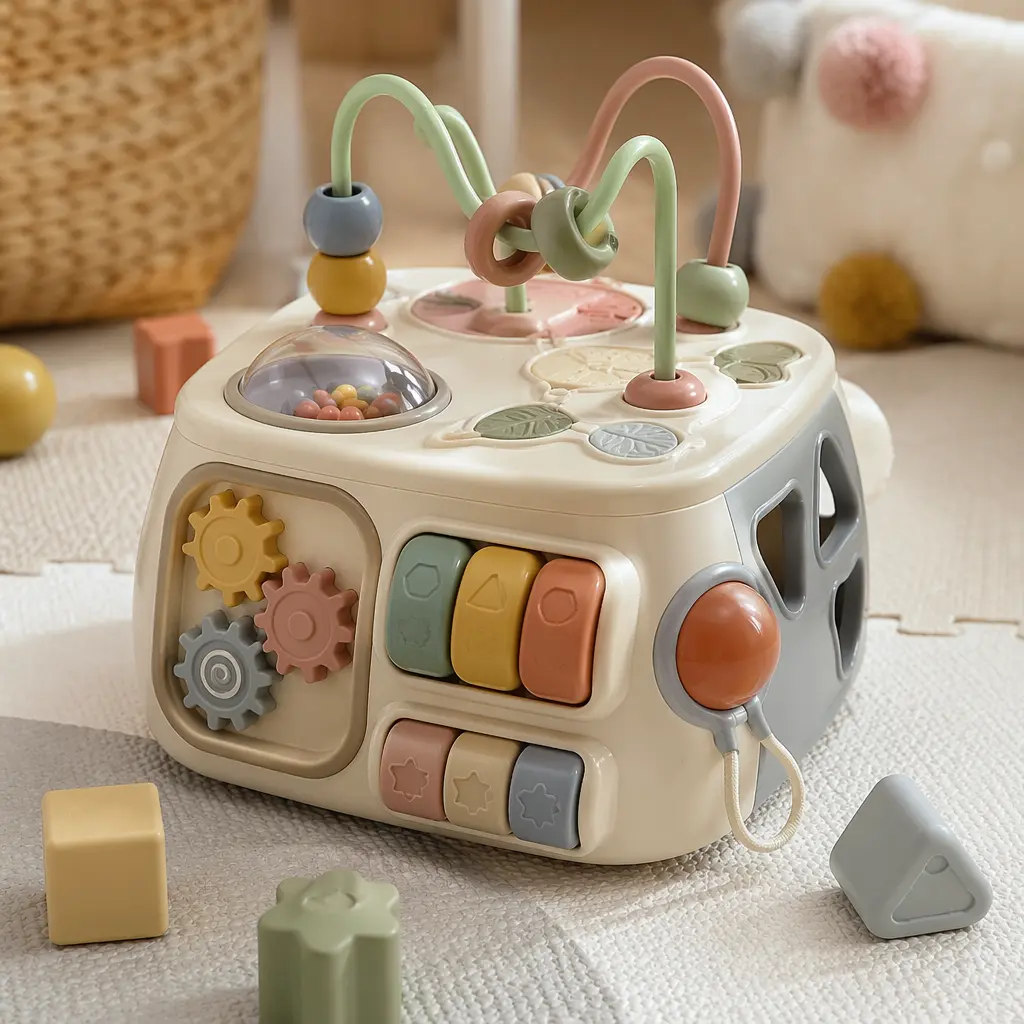
When choosing cause-and-effect toys for infants, focus on how clearly the toy responds to a baby’s action. The connection should be immediate and easy to understand. Babies learn best when the result is predictable and repeats each time they try.
- Clear response: A sound, movement, or visual change that happens right after the baby acts
- Simple design: One main action at a time, rather than many competing features
- Safe materials: Non-toxic finishes, soft fabrics, and smooth edges
- Easy to activate: Lightweight parts, large buttons, or flexible pieces that don’t require fine motor skills
- Durability: Toys that can handle mouthing, dropping, and repeated use
Age suitability
Cause-and-effect learning looks different across the first year. Newborns and young infants benefit from toys that respond to natural movements like kicking, grasping, or waving arms. As babies reach 4 to 6 months, they begin to intentionally shake, squeeze, or bat at toys. Closer to 9 to 12 months, many babies can press, pull, or drop objects on purpose to make something happen. Checking the recommended age range can help, but watching how your baby interacts with the toy matters even more.
Standout categories or types
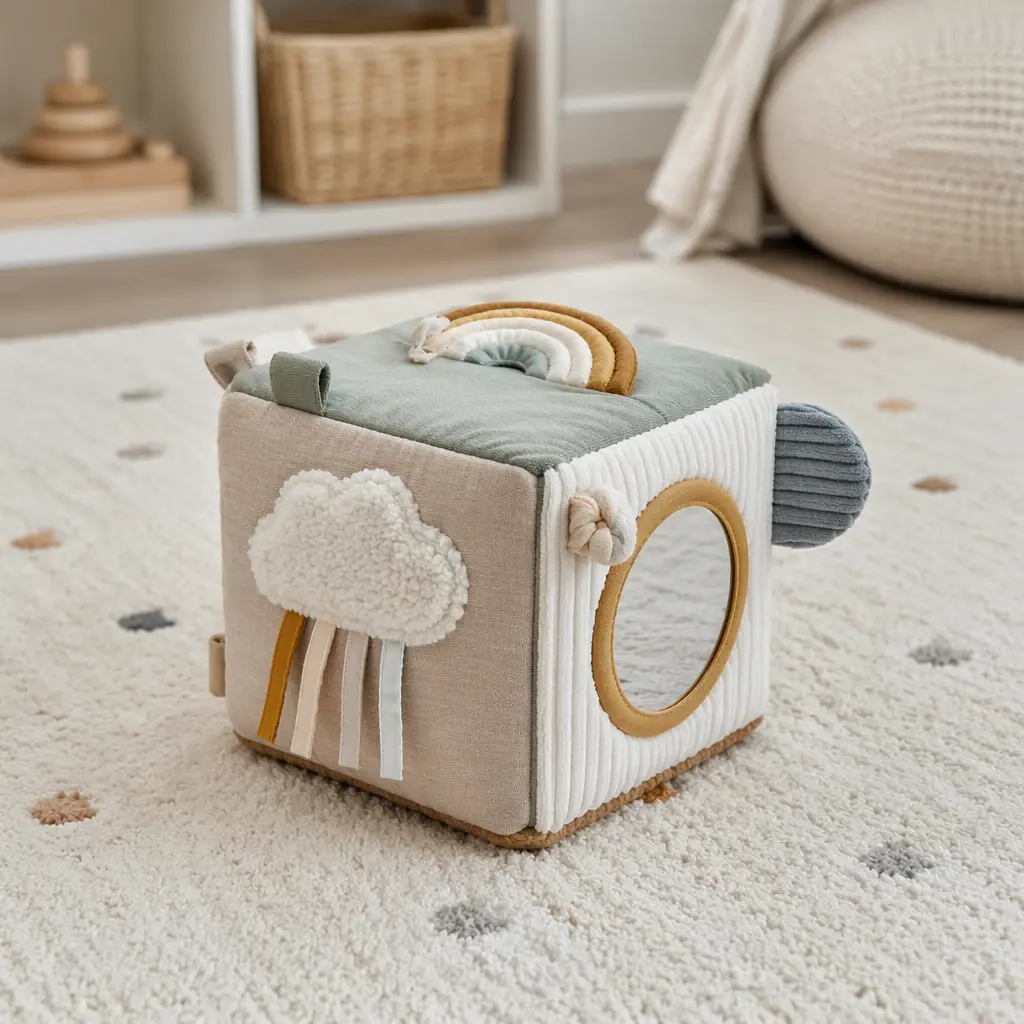
Some types of toys are especially effective at teaching early action–reaction skills. These categories show up often in infant play because they match how babies naturally move and explore.
- Rattles and shakers: Babies quickly learn that moving their hand creates sound
- Crinkle and squeeze toys: Pressing or grabbing produces a predictable noise or texture change
- Activity gyms and kick toys: Kicking or swiping causes hanging toys to move or jingle
- Simple pop-up or press toys: Pushing a button leads to a visual or sound response
- Rolling or dropping toys: Letting go of an object and watching it move builds early problem-solving
The best options grow with your baby. A toy that first responds to accidental movement may later support intentional play as your child gains control and curiosity. Rotation can help keep these experiences fresh without overwhelming your baby with too many choices at once.
Frequently asked questions
What does cause and effect mean for babies?
For babies, cause and effect means understanding that their actions can make something happen. This could be a sound, a movement, or a visual change. These early discoveries support later problem-solving and memory.
Do electronic toys work better than simple toys?
Not necessarily. Simple toys often provide clearer cause-and-effect feedback. Too many lights and sounds can make it harder for babies to connect their action with the result.
How many cause-and-effect toys does a baby need?
A small selection is usually enough. Rotating a few toys can maintain interest while allowing babies time to fully explore and understand each one.
Can everyday objects teach cause and effect?
Yes. Safe household items like soft balls, empty containers with lids, or fabric scarves can also demonstrate action and reaction when used with supervision.
Supporting early cause-and-effect learning doesn’t require complex toys or constant instruction. By offering safe, simple toys that respond clearly to your baby’s actions, you give them repeated chances to explore, experiment, and learn at their own pace during the first year.