Floor Seats vs Activity Centers for Early Sitters
Compare floor seats and activity centers for babies learning to sit. Learn about posture support, supervision, cleanup, storage, and age suitability before buying.
Compare prices and availability
Check current prices and availability for this guide on eBay.
As an eBay Partner, we may be compensated if you make a purchase.
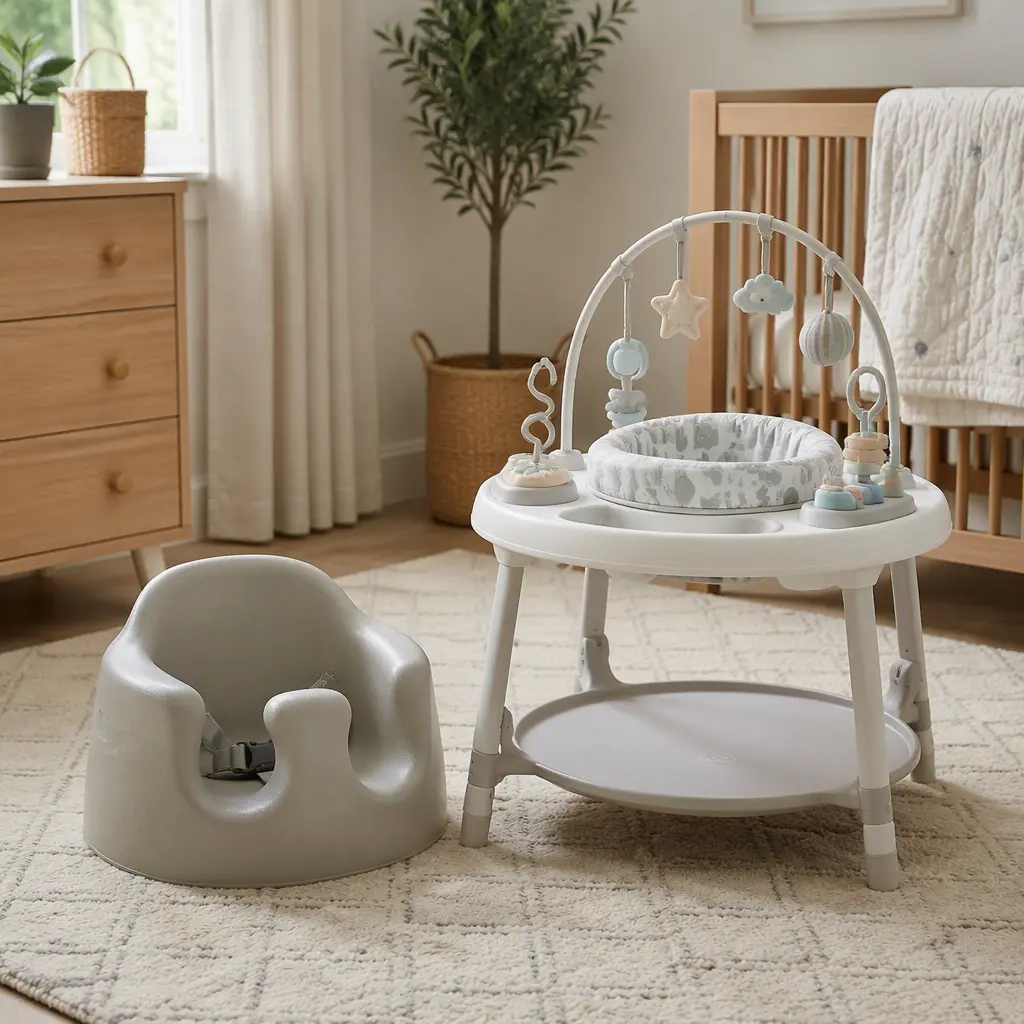
Parents shopping for early sitters often compare two common options: floor seats and activity centers. Both are designed to support play before a baby can confidently sit and move on their own, but they solve different problems. A floor seat keeps a baby low to the ground with back support for short periods, while an activity center places a baby upright with attached toys for more active play. Choosing between them depends on your baby's stage of development, how much floor space you have, how easy the item is to clean and store, and how much supervision you can realistically provide during daily routines.
What to look for
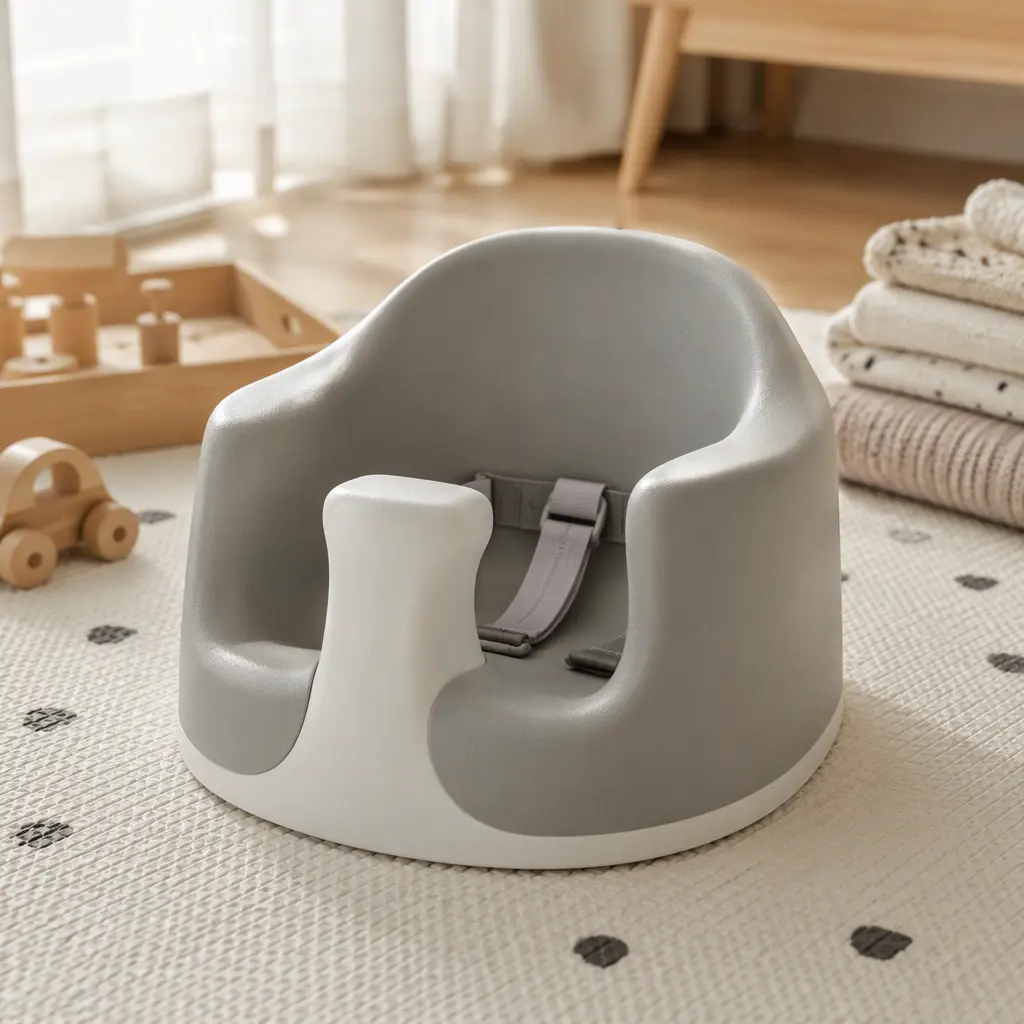
The main decision is whether you want supported floor-level play or a contained upright activity space. Neither option replaces supervised floor time, but each can be useful in short sessions. A good floor seat should provide stable support without forcing a baby into an unnatural position. Activity centers should allow babies to interact with toys while keeping feet positioned safely on a stable base or floor surface, depending on the design. Parents also tend to notice practical differences quickly, especially around cleaning fabric, moving bulky frames, and limiting overstimulation in smaller homes.
- Choose age-appropriate support based on your baby's head, neck, and trunk control rather than marketing labels alone.
- Check whether covers, trays, or toy parts can be wiped clean after spit-up and snack messes.
- Consider storage space. Activity centers are usually much larger and harder to move between rooms.
- Look for stable, wide bases that reduce tipping risk on uneven flooring.
- Think about noise levels. Some activity centers include lights, music, or clicking toys that may become overwhelming in shared living spaces.
- Floor seats are usually lighter and easier to transport for visits to grandparents or small apartments.
- Babies still need open floor play for rolling, reaching, and movement practice, even if you buy one of these products.
Age suitability
Most babies begin using these products during the stage between assisted sitting and independent sitting, but readiness varies widely. Floor seats are generally used earlier because they provide closer body support while keeping the baby near the ground. They may suit babies who can hold their head up steadily but still wobble during sitting practice. Activity centers are often introduced later, once a baby can tolerate more upright positioning and shows interest in grabbing, bouncing, or turning toward toys. Some babies enjoy the stimulation of an activity center for brief periods, while others become frustrated if they cannot move freely. Families who prefer movement-focused play may use these products sparingly and prioritize mats, mirrors, soft blocks, and supervised floor exploration instead.
Options compared
Floor seats are usually the simpler and more compact option. They work best for short periods of supported play, especially in homes where space is limited or parents want something easy to move from room to room. Because babies stay low to the ground, cleanup is often easier and the setup feels less visually bulky in smaller living areas. Floor seats may suit calmer play styles involving books, sensory toys, or parent interaction. However, some babies outgrow them quickly once they begin rolling aggressively, pushing themselves backward, or trying to crawl. Parents should also avoid overusing them as a substitute for active movement practice.
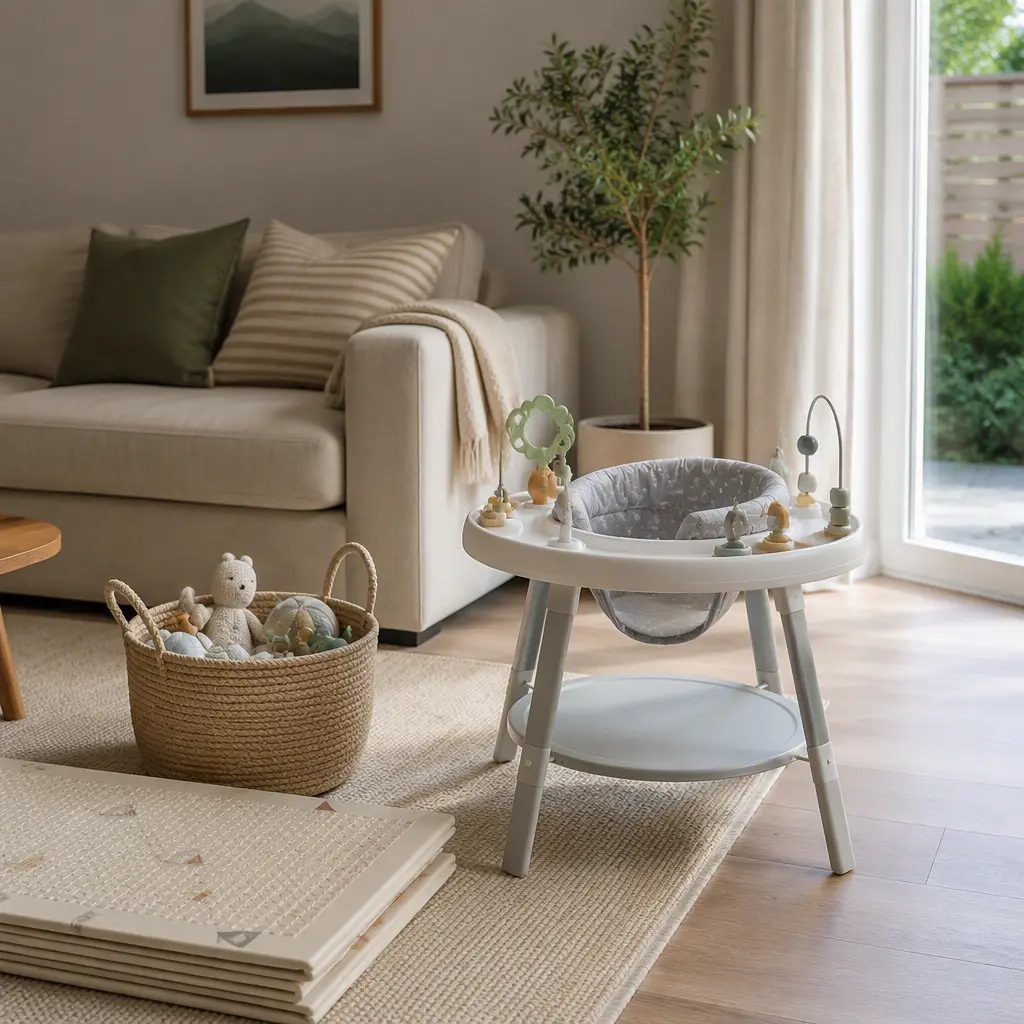
Activity centers are designed for more interactive play. They often include attached toys, spinning parts, mirrors, textures, or music features that encourage reaching and exploration. These can help occupy babies briefly while a caregiver handles nearby tasks, but they require more floor space and can be difficult to clean thoroughly. Some babies become overstimulated by busy toy arrangements or electronic sounds, particularly in smaller apartments or open-plan homes. They also tend to be heavier and less convenient to store. Families who value long-term versatility sometimes prefer convertible activity centers that later function as play tables, though this increases size and cost. For households focused on minimalism, portability, or quieter environments, a floor seat paired with loose sensory toys may feel easier to manage.
- Floor seats suit small homes, travel between rooms, and quieter play routines.
- Activity centers suit babies who enjoy upright interaction, reaching, and varied toy textures.
- Parents with limited storage space may prefer foldable or compact designs.
- Families sensitive to noise may want non-electronic toys or simpler activity setups.
- Babies who dislike being contained may prefer open floor play instead of either option.
- Cleanup tends to be easier with smooth plastic surfaces and removable fabric parts.
Frequently asked questions
How long can a baby stay in a floor seat or activity center?
Short supervised sessions are generally more practical than extended use. Babies benefit most from varied movement opportunities throughout the day, including tummy time, rolling, and free floor exploration. If a baby appears tired, slumped, or frustrated, it is usually time to switch activities.
Are activity centers better for development than floor seats?
They encourage different kinds of play rather than one being universally better. Activity centers support reaching, turning, and toy interaction, while floor seats provide supported upright positioning closer to natural floor play. Neither replaces direct caregiver interaction or unrestricted movement time.
What if my baby dislikes being placed in either option?
Some babies strongly prefer freedom of movement. In those cases, a large play mat with simple sensory toys, mirrors, or soft objects may be more successful. Temperament plays a major role in whether a baby tolerates contained play equipment.
Do these products create more mess?
Activity centers often collect crumbs, dust, and sticky residue around toy attachments and fabric seams. Floor seats usually have fewer moving parts and can be quicker to wipe down. Washable covers and removable trays can make routine cleanup easier.
Is one option safer than the other?
Safe use depends more on supervision, proper setup, and developmental readiness than on product type alone. Both should be used on stable floors away from stairs, cords, and furniture edges. Following manufacturer age and weight guidance is important as babies grow and become more mobile.
For many families, the choice comes down to lifestyle rather than features alone. A floor seat may fit better in small homes, travel easily, and support quieter play, while an activity center can provide a more stimulating contained space for curious babies who enjoy upright interaction. Before buying, consider how much space you have, how often you expect to use it, and whether your baby tends to enjoy calm sensory play or active toy engagement. A simpler setup used thoughtfully is often more practical than a large piece of equipment that rarely fits into daily routines.