Battery-Free Bath Toys That Won’t Trap Mold
A parent-focused guide to bath toys for ages 1–2 that dry properly, clean easily and avoid hidden mold buildup. Compare open designs, silicone toys and storage-friendly options.
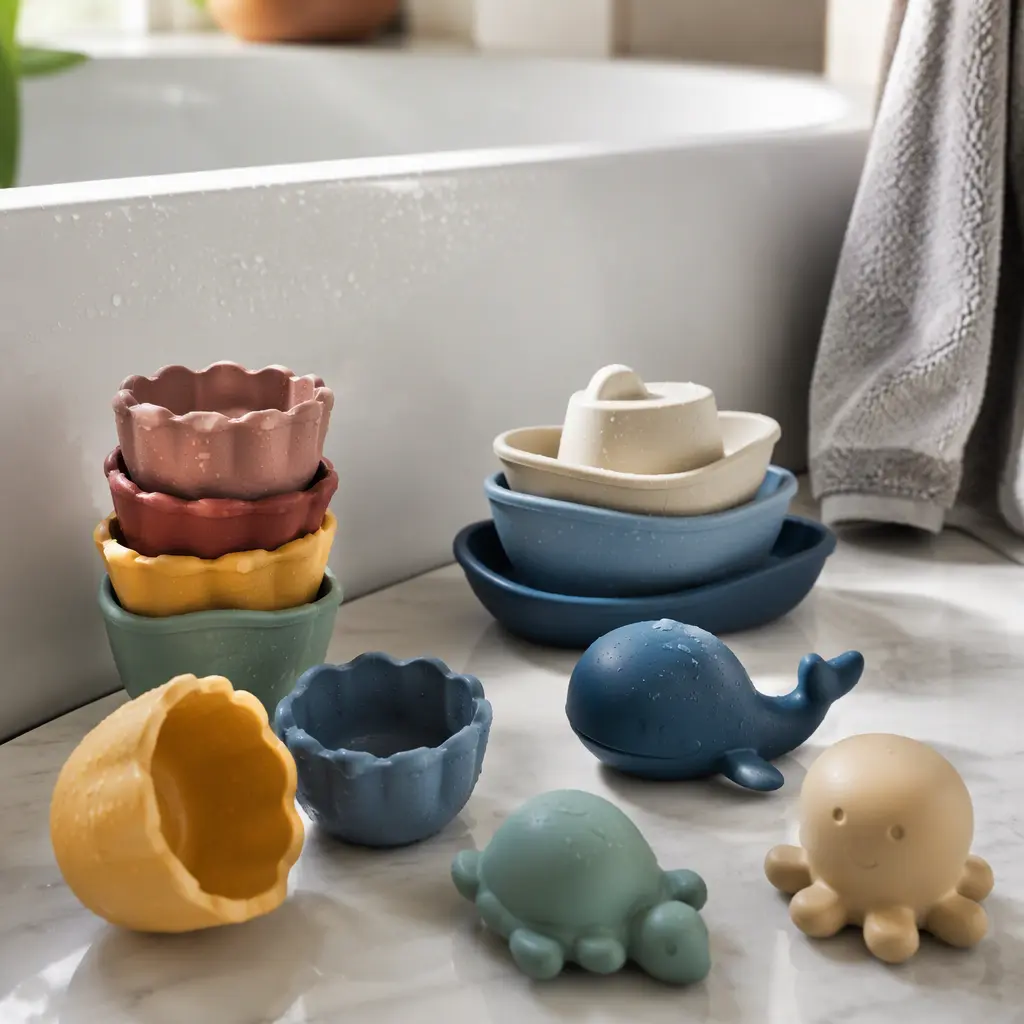
Compare prices and availability
Check current prices and availability for this guide on eBay.
As an eBay Partner, we may be compensated if you make a purchase.
Bath toys for toddlers often look simple, but the easiest options to live with are usually the ones designed to dry quickly and clean thoroughly. For children around 1–2 years old, bath play is mostly about scooping, pouring, floating and simple pretend play rather than electronic features or complicated moving parts. Battery-free toys avoid water-damage issues and remove the need for charging or replacing batteries, but the bigger practical question for many parents is mold. Toys that trap water inside can become difficult to clean, especially with daily use. Choosing open designs, fewer hidden spaces and durable materials can make bath time less frustrating while still keeping play engaging and screen-free.
What to look for
The best low-maintenance bath toys usually share one feature: they dry completely without trapping water. Many traditional squeeze toys include a small hole that pulls water inside during play. Those toys can stay damp for long periods unless they are carefully emptied and dried after every bath. Open-ended toys tend to be easier to rinse and inspect visually. Material choice also matters. Silicone, sealed solid rubber and hard plastic generally dry more reliably than soft foam-filled toys or fabric bath toys that stay damp.
- Choose toys with open designs or wide openings that allow airflow and full rinsing.
- Avoid toys with tiny drainage holes that can trap water inside hard-to-clean cavities.
- Look for smooth surfaces with few seams or moving parts where soap residue can collect.
- Consider dishwasher-safe materials if regular deep cleaning is important in your routine.
- Think about storage: hanging baskets or draining bins help toys dry faster between baths.
- For small bathrooms, stackable cups and nesting toys are easier to store than large floating playsets.
- Check age guidance carefully, especially for small detachable pieces that may become choking hazards for younger toddlers.
Age suitability
Children between 1 and 2 years old usually benefit most from simple cause-and-effect bath toys. Pouring cups, floating boats, bath-safe stacking toys and chunky water wheels support motor skills without overwhelming younger toddlers. At this age, many children still mouth toys occasionally, so durable materials and easy-to-clean surfaces matter more than complicated features. Large pieces are generally easier for small hands to grip safely. Some bath toys marketed for older preschoolers include tiny accessories or intricate assembly parts that may create extra supervision needs and cleaning effort without adding much value for younger toddlers.
Options compared
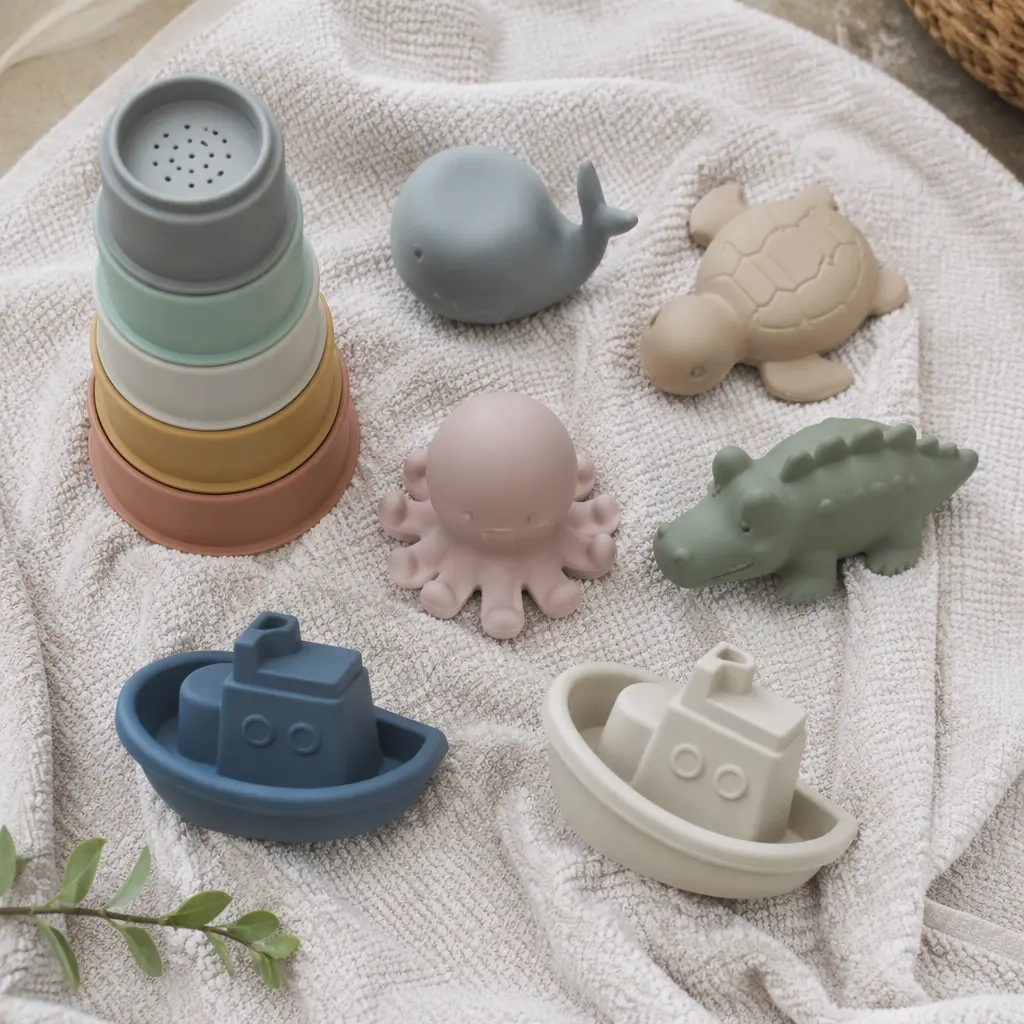
Open stacking cups are one of the easiest bath toy types to maintain. Because they have no enclosed interior spaces, they dry quickly and are simple to rinse after use. They also support multiple kinds of play beyond the bath, including sand, water tables and sensory bins. The trade-off is that they are less exciting for toddlers who prefer character-based pretend play or squirting water toys.
Floating boats and chunky bath containers work well for children who enjoy filling and pouring. Many versions separate into multiple pieces, which helps airflow and cleaning. Parents should still check connection points where soap residue can build up. Silicone bath toys have become popular because flexible silicone usually handles repeated washing well and often tolerates dishwasher cleaning. However, some silicone toys include removable plugs to prevent water from entering the interior. Those plugs need to be removed and dried carefully after use or moisture can still remain trapped inside.
- Open cups and scoops: easiest to clean and store; best for simple water play and younger toddlers.
- Solid floating toys with no holes: lower mold risk; good for basic pretend play; fewer cleaning concerns.
- Silicone bath toys with removable parts: durable and soft to grip, but require careful drying after baths.
- Bath puzzles and foam letters: fun for wall play, but some foam materials wear down faster and may stay damp longer.
- Mechanical water wheels and pipe systems: engaging for older toddlers, though extra joints and moving pieces increase cleaning effort and supervision needs.
- Large themed bath sets: visually appealing but often harder to store in small bathrooms and slower to dry completely.
Frequently asked questions
Are hole-free bath toys always mold-proof?
No bath toy is completely maintenance-free, but toys without enclosed water chambers are usually much easier to keep clean. Soap residue, hard-water buildup and mildew can still develop on surfaces if toys remain wet for long periods without airflow.
How often should bath toys be cleaned?
A quick rinse and thorough drying after each bath helps reduce buildup. Many parents also choose a deeper clean weekly or every few weeks depending on frequency of use. Dishwasher-safe toys can simplify this routine, but checking manufacturer care instructions is important.
Are silicone bath toys better than plastic ones?
Not necessarily. Silicone is flexible and often easy to wash, but the overall design matters more than the material alone. A simple hard-plastic cup with no hidden spaces may be easier to maintain than a silicone toy with enclosed compartments or removable plugs.
What bath toys work best in small bathrooms?
Stacking cups, nesting boats and compact scoops are usually the easiest to store. Hanging mesh organizers or draining bins can help keep toys dry without taking up much floor or counter space.
Should toddlers have bath toys every day?
Daily bath toys are not necessary, but many toddlers enjoy the familiarity and routine of water play. Rotating a small number of easy-to-clean toys can reduce clutter while keeping bath time interesting.
For most families, the easiest bath toys to manage are simple, open and durable. Toys that dry quickly tend to stay cleaner, require less effort and last longer through daily use. For toddlers around 1–2 years old, straightforward pouring and floating toys often provide enough variety without adding unnecessary maintenance, noise or storage problems.