No-Battery Baby Toys Pediatricians Often Recommend
A buyer-focused guide to no-battery toys for babies 0–12 months, explaining why simple materials support development, what to look for, and how to choose age-appropriate options.
Compare prices and availability
Check current prices and availability for this guide on eBay.
As an eBay Partner, we may be compensated if you make a purchase.
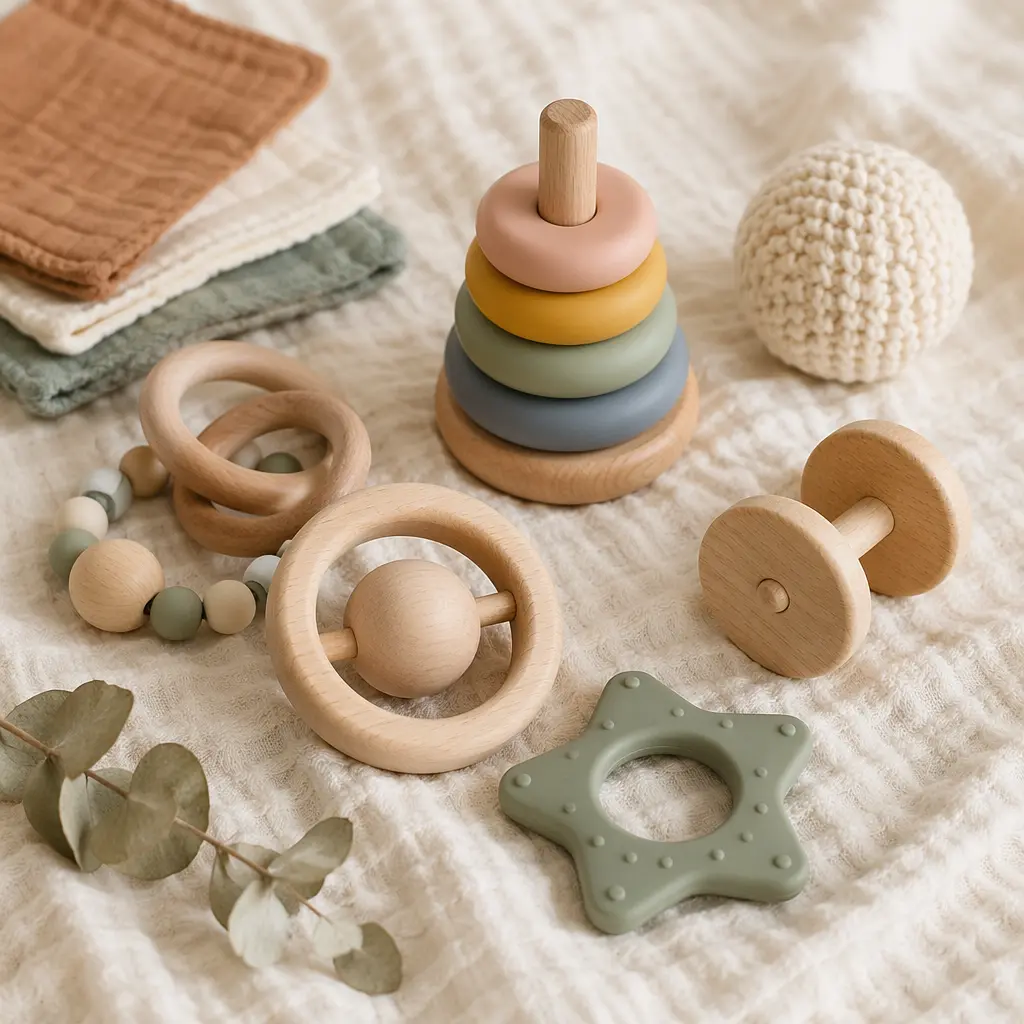
For babies under one year, toys do not need screens, sounds, or flashing lights to be effective. Pediatricians and child-development specialists often point parents toward simple, no-battery toys because they match how infants naturally learn. These toys invite babies to touch, mouth, shake, and explore at their own pace, helping build early motor skills and sensory awareness without overstimulation.
What to look for
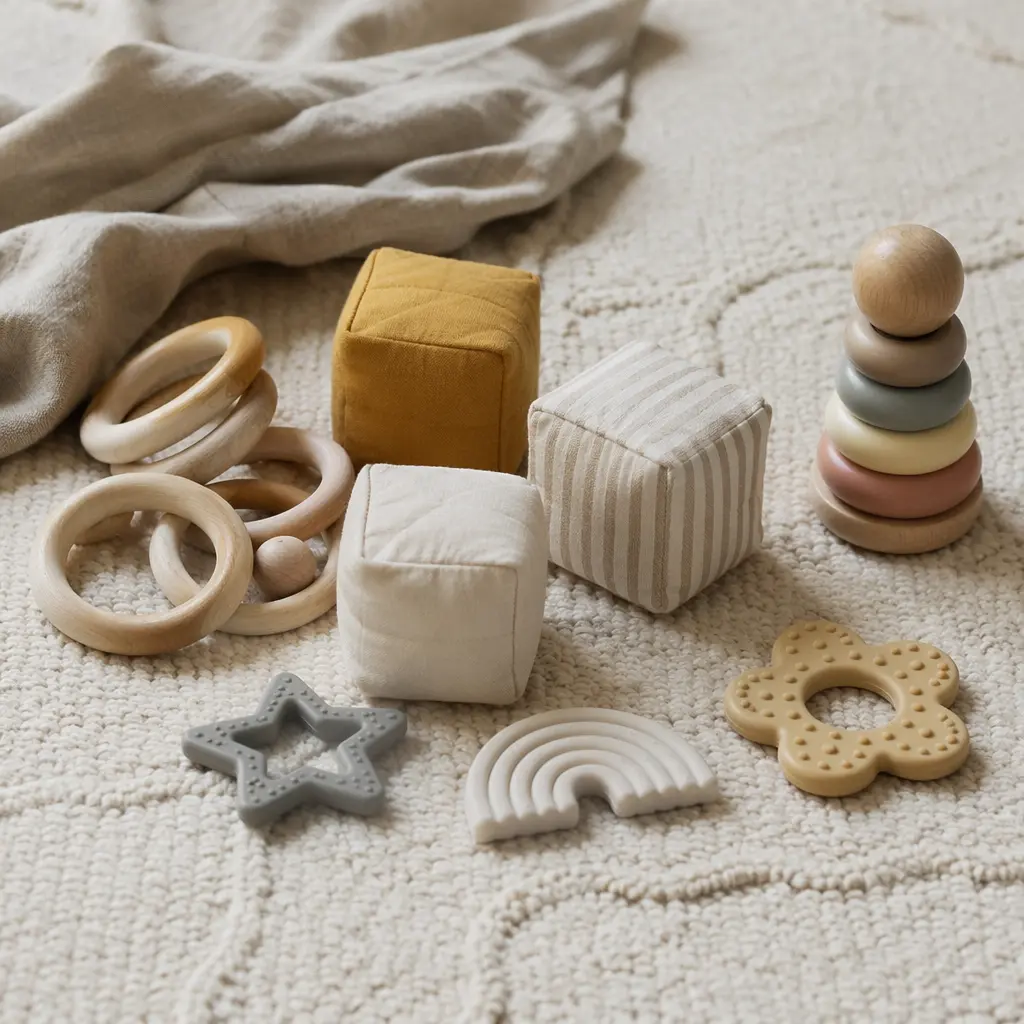
When choosing no-battery toys for babies 0–12 months, the goal is to support safe exploration and early development. Simple does not mean low-quality. The best options are thoughtfully designed around how infants see, move, and interact with the world.
- Safe materials: Look for solid wood, food-grade silicone, or tightly woven fabrics with non-toxic finishes.
- Appropriate size: Toys should be large enough not to pose a choking risk and easy for small hands to grasp.
- Sensory variety: Different textures, gentle sounds (like fabric crinkles), and simple shapes encourage exploration.
- Durability: Babies squeeze, drop, and mouth toys, so construction should be sturdy with no loose parts.
- Washability: Fabric items should be machine-washable or easy to clean; hard toys should wipe clean.
Age suitability
Within the first year, babies change quickly. Newborns benefit from high-contrast visuals and soft textures they can feel during tummy time. By around 4–6 months, many babies start grasping, shaking, and bringing objects to their mouths, making lightweight toys with varied textures ideal. Older infants, closer to 9–12 months, often enjoy toys that support problem-solving, such as simple stacking or container play. Checking age guidance helps ensure a toy matches your baby’s current abilities without being frustrating or unsafe.
Standout categories or types
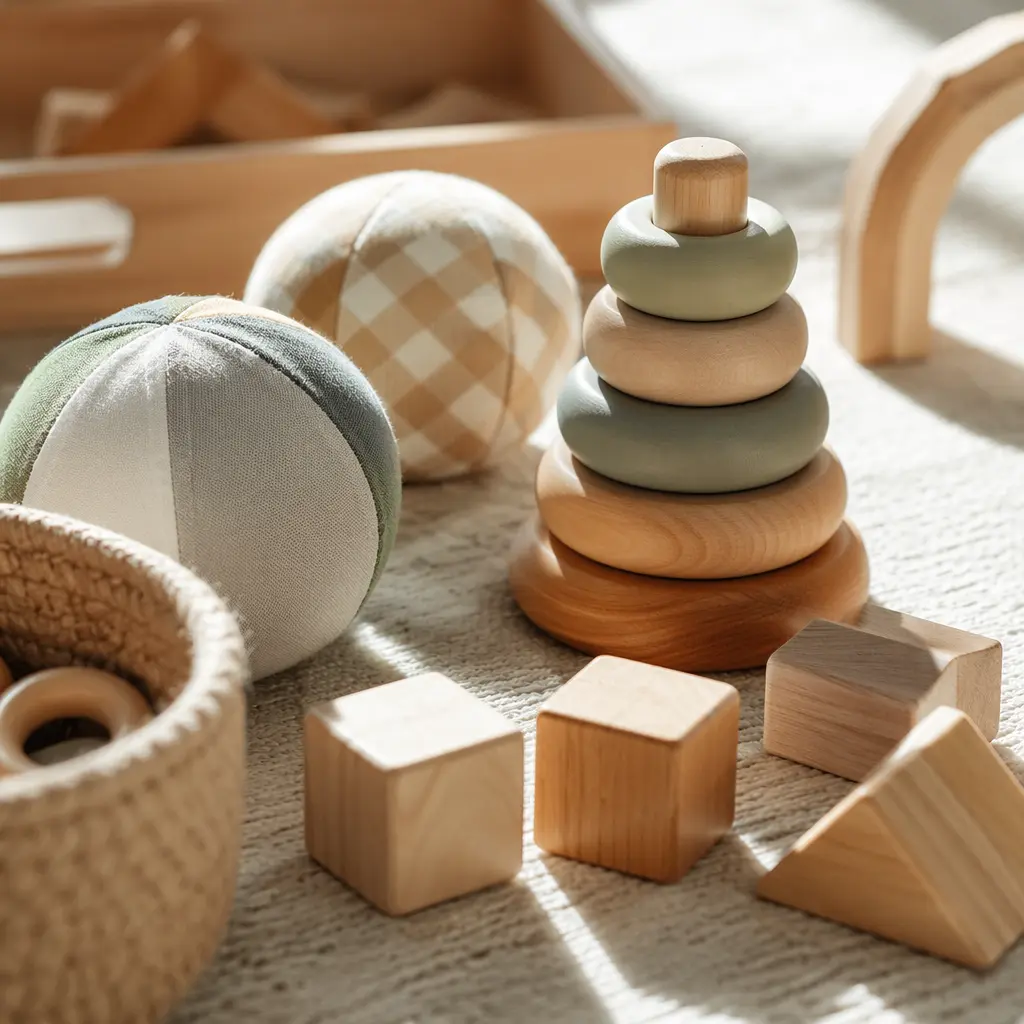
No-battery toys come in many forms, but a few categories consistently align with pediatric guidance for infants. These toys tend to grow with babies and encourage open-ended play rather than a single, fixed outcome.
- Grasping and teething toys: Rings, soft shapes, and textured teethers help develop hand control while soothing sore gums.
- Soft books and fabric toys: Crinkle pages and stitched shapes introduce cause-and-effect and early interest in books.
- Stacking and nesting toys: Simple pieces support hand-eye coordination and early problem-solving as babies get older.
- Balls and rollers: Lightweight balls encourage reaching, rolling, and early movement without overwhelming stimulation.
Frequently asked questions
Why do pediatricians often prefer no-battery toys?
Pediatricians often emphasize interaction and exploration over passive entertainment. No-battery toys respond directly to a baby’s actions, helping infants learn cause and effect through movement and touch rather than lights or prerecorded sounds.
Are electronic toys bad for babies?
Electronic toys are not automatically harmful, but many experts suggest limiting them during infancy. Flashing lights and loud sounds can overwhelm young babies and reduce opportunities for parent-child interaction during play.
How many toys does a baby really need?
A small rotation of simple toys is usually enough. Babies often engage more deeply when they are not surrounded by too many choices, allowing them to focus and explore each item fully.
What safety standards should parents check?
Look for toys that meet recognized safety standards and include clear age guidance. Avoid items with small detachable parts, sharp edges, or long strings, especially for babies under 12 months.
No-battery baby toys may look simple, but that simplicity is often their strength. By focusing on safe materials, age-appropriate design, and open-ended play, parents can choose toys that support healthy development during the first year without relying on electronics.