Baby Toys Pediatricians Recommend for First Skills
A parent-focused guide to simple, safe baby toys pediatricians often recommend to support early movement, sensory learning, and cause-and-effect skills from birth to 12 months.
Compare prices and availability
Check current prices and availability for this guide on eBay.
As an eBay Partner, we may be compensated if you make a purchase.
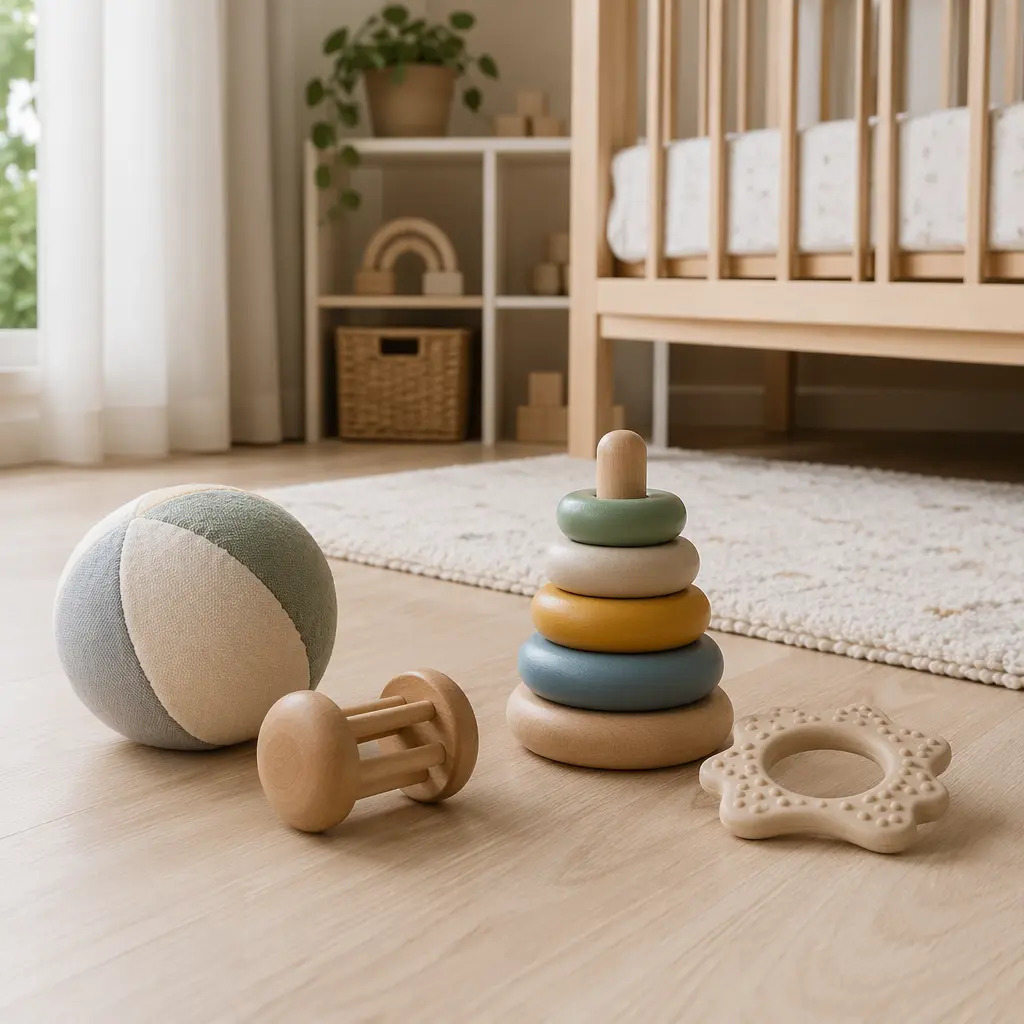
In the first year of life, babies learn through movement, touch, sound, and repetition. Pediatricians often emphasize that the best toys for this stage are simple, safe, and developmentally appropriate rather than flashy or high-tech. Toys that encourage reaching, grasping, rolling, and listening help babies build early motor and sensory skills at their own pace. This guide explains what pediatricians typically look for in early toys and how parents can choose options that support healthy development from birth to 12 months.
What to look for
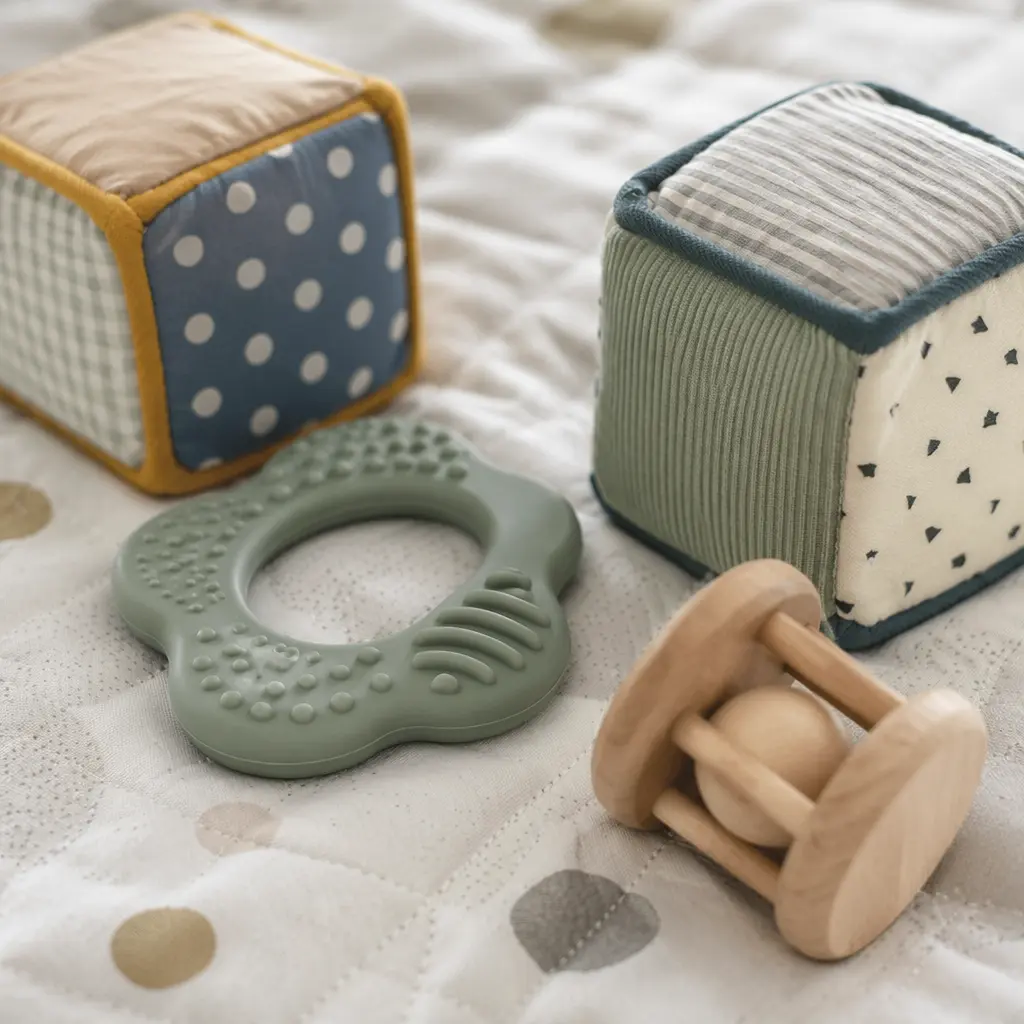
When pediatricians talk about good toys for babies, they usually focus on how a toy supports natural development rather than how entertaining it appears to adults. The most helpful toys tend to be open-ended, easy to explore, and safe for frequent mouthing and handling.
- Simple designs that let babies focus on one or two features, such as texture or sound
- Safe materials that are non-toxic, durable, and easy to clean
- Lightweight items that are easy for small hands to grasp and hold
- Toys that respond to a baby’s actions, like making a sound when shaken
- Minimal electronics, allowing babies to be the ones creating the action
Age suitability
From 0–12 months, babies change quickly, so age suitability matters. Newborns benefit most from high-contrast visuals and gentle sounds they can observe during tummy time. As babies reach 3–6 months, they begin to grasp, shake, and mouth toys, making lightweight rattles and textured items useful. Between 6–12 months, many babies enjoy toys that encourage rolling, sitting, crawling, and early problem-solving, such as stacking or nesting pieces. Always check age guidance and watch how your baby interacts, as developmental readiness can vary.
Standout categories or types
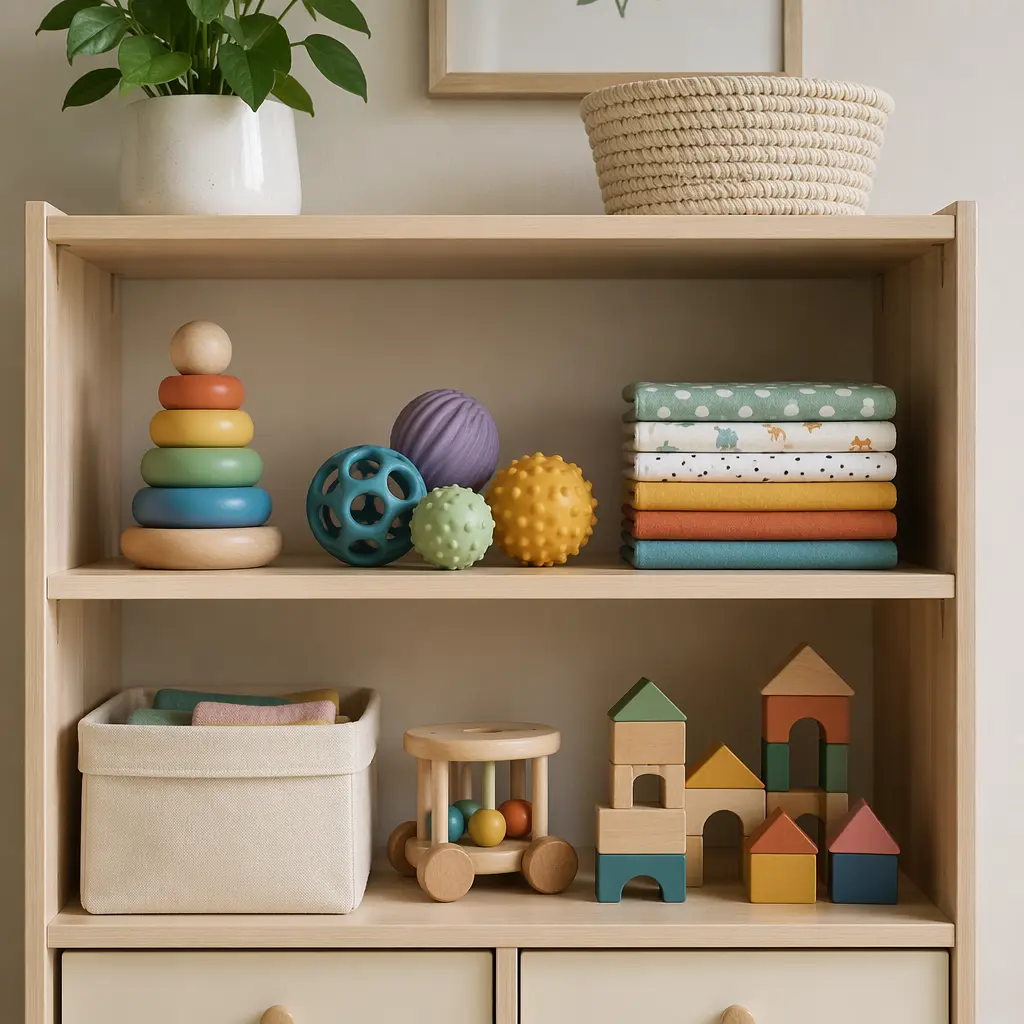
Pediatricians often point parents toward a few broad toy categories that support early skills without overwhelming babies. These toys work well because they match how infants naturally learn—by repeating actions and exploring with their senses.
- Rattles and shakers that promote grasping and auditory awareness
- Soft blocks or fabric toys that encourage reaching and safe mouthing
- Textured teethers that support sensory exploration and soothing
- Simple stacking or nesting toys that build early hand-eye coordination
- Floor-based toys that motivate tummy time, rolling, or crawling
Frequently asked questions
Do babies really need toys this early?
Babies do not need a large number of toys, especially in the early months. Everyday interactions, movement, and caregiver attention are most important. A few well-chosen toys can support development, but they are a supplement, not a requirement.
Are electronic toys bad for babies?
Most pediatric guidance suggests limiting electronic toys for infants. Toys that light up or play automatically can reduce opportunities for babies to initiate actions. Simple toys that respond only when a baby moves or touches them tend to support learning better.
How many toys should a baby have access to at once?
A small selection is usually enough. Offering two or three toys at a time helps babies focus and explore more deeply. Rotating toys every few weeks can renew interest without adding clutter.
What materials are safest for baby toys?
Pediatricians generally recommend toys made from non-toxic plastics, untreated wood, food-grade silicone, or washable fabrics. It’s important that materials can handle frequent chewing and cleaning without breaking down.
Can the same toy be used across multiple stages?
Yes. Many simple toys grow with a baby. A soft block might be something to look at during tummy time, then grasp and mouth later, and eventually stack or knock over as coordination improves.
Choosing toys for a baby’s first year doesn’t require expert-level knowledge or a long shopping list. By focusing on simplicity, safety, and developmental value, parents can select toys that align with pediatric guidance and support early skills naturally. Watching how your baby plays and responds is often the best indicator of which toys are truly useful.