Simple No-Battery Toys Babies Reach for First
A parent-friendly guide to classic, no-battery toys for babies 0–12 months—what to look for, age fit, and safe options that encourage grasping, curiosity, and early play without screens.
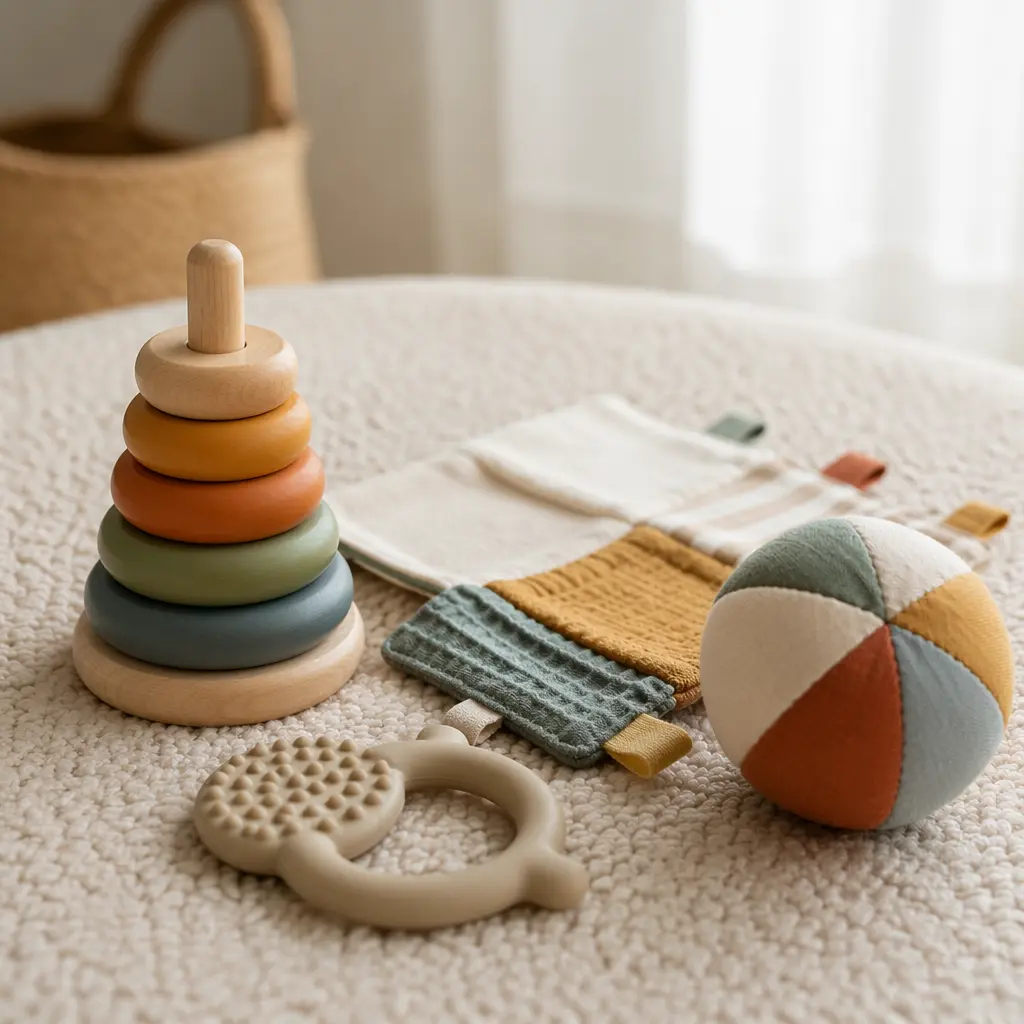
Compare prices and availability
Check current prices and availability for this guide on eBay.
As an eBay Partner, we may be compensated if you make a purchase.
For many babies, the first toys they reach for are the simplest ones. Without lights, sounds, or screens, classic no-battery toys invite babies to grasp, shake, mouth, and explore at their own pace. These toys support early curiosity and motor skills while keeping play calm and focused. This guide explains what parents tend to look for in simple infant toys, how age and development matter from 0–12 months, and which types consistently earn a place in everyday play.
What to look for
When choosing no-battery toys for babies, the goal is to match the toy to early developmental needs. Newborns and young infants explore mostly through touch and movement, gradually adding hand control, visual tracking, and cause-and-effect understanding.
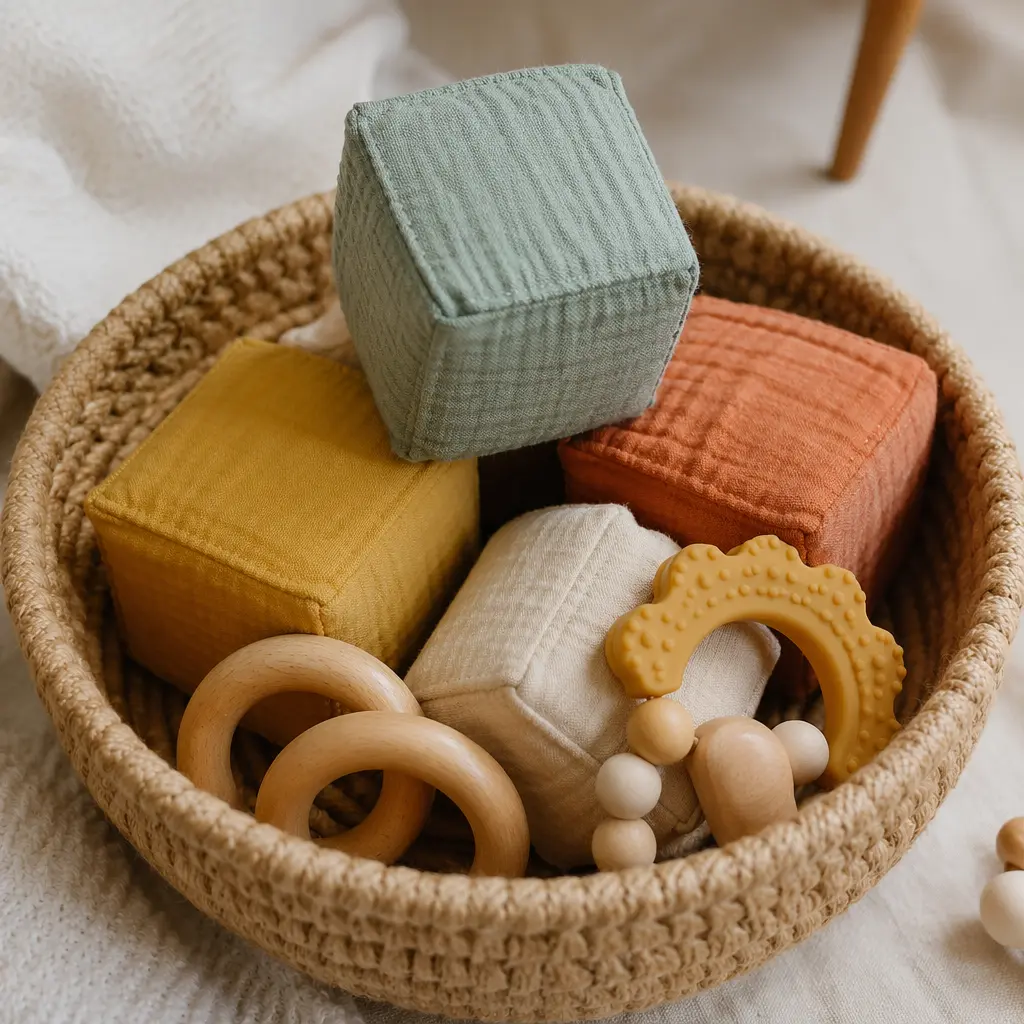
- Simple shapes and forms that are easy to grasp with small hands
- Lightweight materials that move or make gentle noise when shaken
- High-contrast colors or natural textures that are easy to see
- Safe materials designed for mouthing, with smooth edges
- Washable or easy-to-clean construction for everyday use
Age suitability
From birth to around three months, babies respond best to lightweight items that encourage brief grasping and visual attention. As hand strength and coordination improve around four to six months, toys that can be transferred between hands or gently manipulated become more interesting. By seven to twelve months, many babies enjoy objects they can bang, stack, drop, or explore in different ways. While age ranges are helpful, individual development varies, so observing what your baby shows interest in is often the best guide.
Standout categories or types
Certain types of no-battery toys tend to attract babies again and again because they offer clear sensory feedback without being overwhelming. These categories have remained popular across generations for good reason.
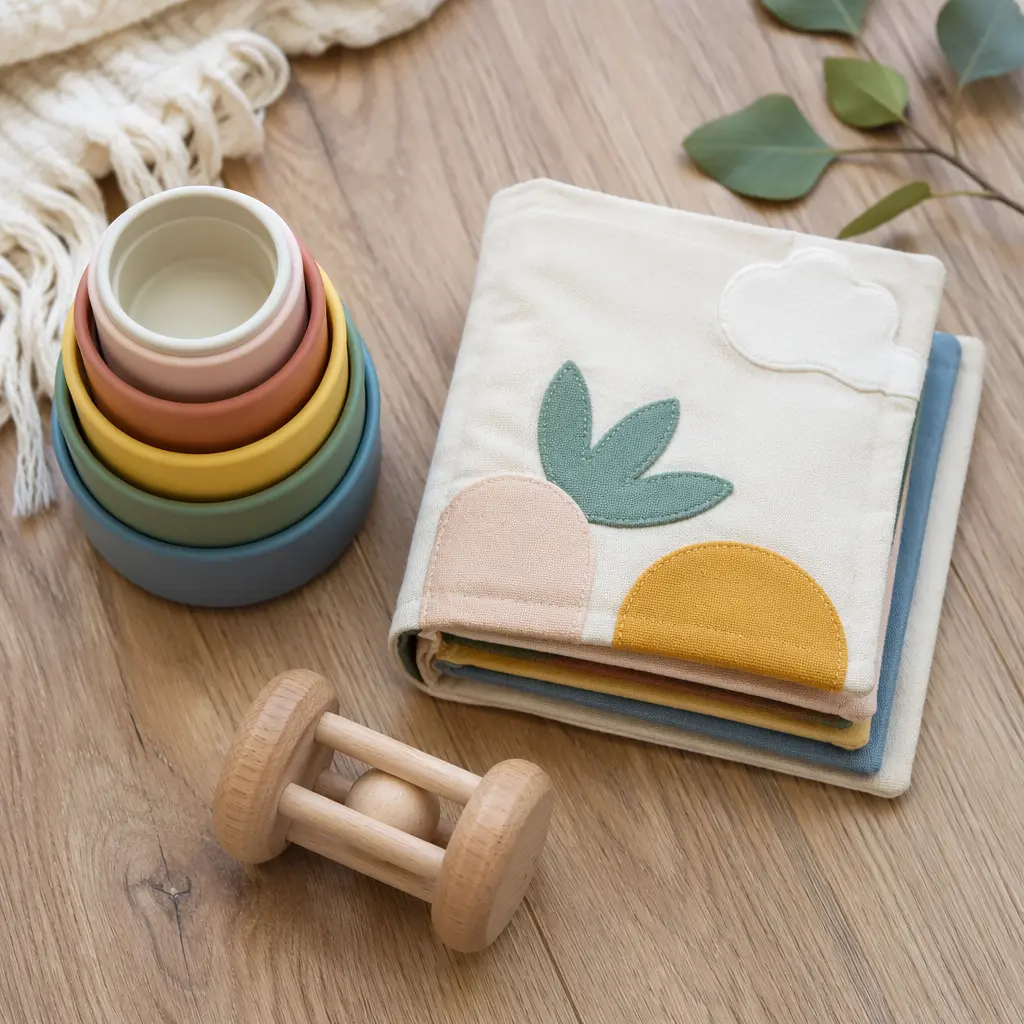
- Rattles and shakers: Gentle sound rewards movement and helps babies connect action with outcome.
- Teethers: Flexible or textured surfaces soothe gums while supporting hand-to-mouth coordination.
- Soft fabric toys: Crinkle, tag, or plush textures invite squeezing, pulling, and cuddling.
- Stacking and nesting toys: Simple pieces encourage problem-solving and repeated experimentation.
- Balls and rollers: Lightweight designs promote reaching, pushing, and early crawling motivation.
Frequently asked questions
Are no-battery toys better for babies than electronic ones?
No-battery toys are not necessarily better in every situation, but they do encourage self-directed play. Babies control the experience, which supports focus, exploration, and early motor development without constant stimulation.
How many toys does a baby need at once?
A small rotation is usually enough. Offering a few simple toys at a time can help babies stay engaged without becoming overstimulated, and rotating items keeps play feeling fresh.
What materials are safest for infants?
Common safe options include solid wood with non-toxic finishes, food-grade silicone or natural rubber, and tightly stitched fabrics. Avoid items with sharp edges, small detachable parts, or strong odors.
Can these toys support early learning?
Yes. Simple toys help babies practice grasping, tracking, cause and effect, and sensory exploration. These foundational skills support later learning without the need for technology.
Classic no-battery toys remain popular because they meet babies where they are developmentally. By focusing on simple design, safe materials, and age-appropriate challenges, parents can build a small collection of toys that encourage curiosity, movement, and calm exploration throughout the first year.