Smart Soothing Toys for Babies: What’s Worth It?
A parent-focused guide to smart soothing toys for babies ages 0–12 months. Learn which features can help with calming and sleep, what to skip, and how to choose safe, age-appropriate options.
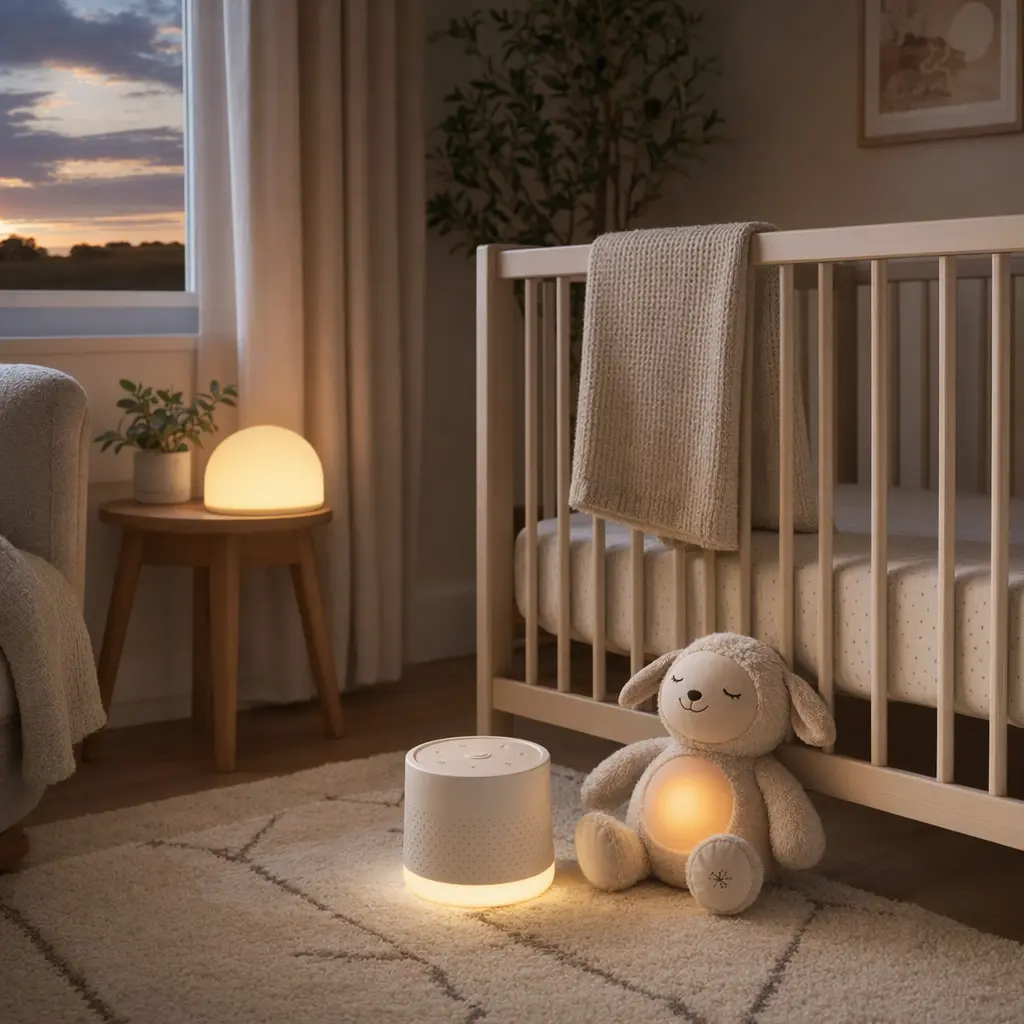
Compare prices and availability
Check current prices and availability for this guide on eBay.
As an eBay Partner, we may be compensated if you make a purchase.
Smart soothing toys promise calmer babies and better sleep by combining gentle sounds, lights, and motion with modern tech. For parents navigating the first year, these products can be appealing—but not every feature adds real value. This guide explains which types of smart soothing toys can be helpful for babies 0–12 months, what to prioritize, and what to approach with caution.
What to look for
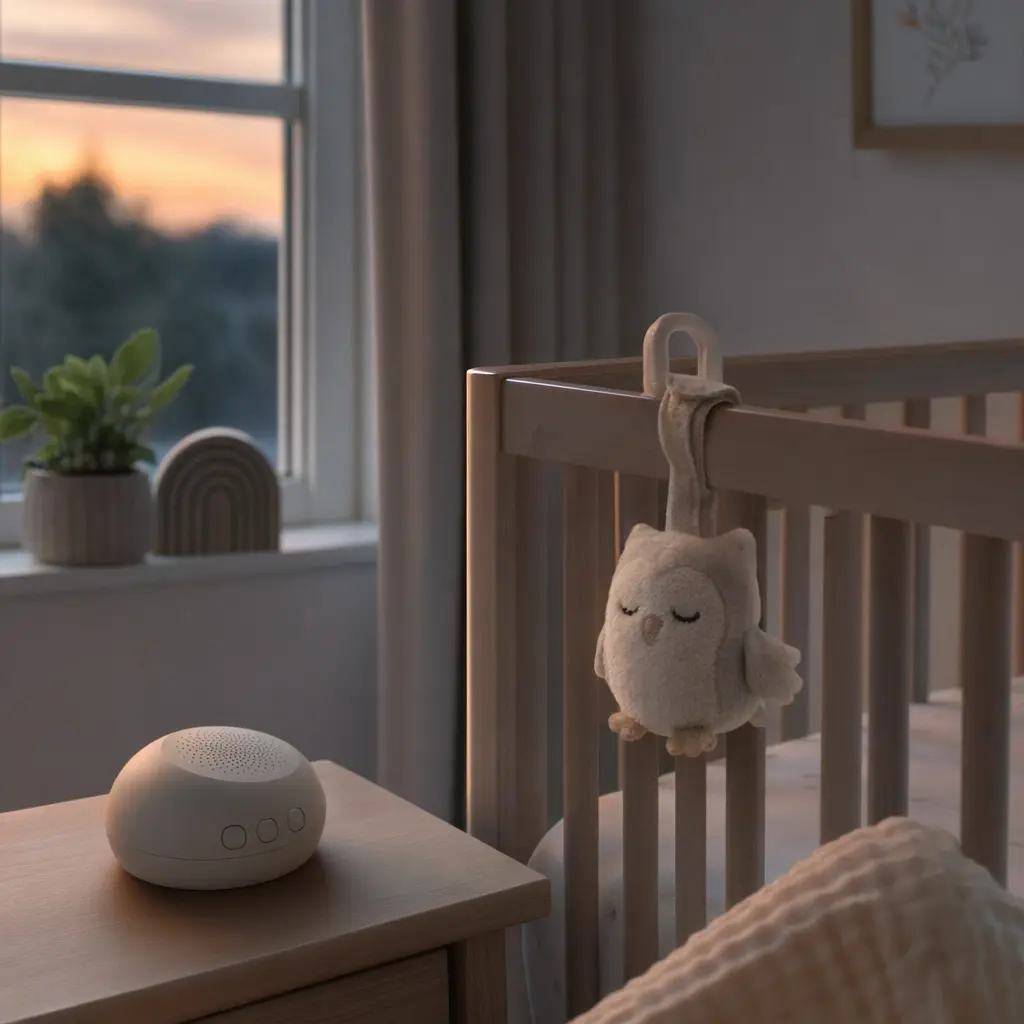
The best smart soothing toys focus on simple, repeatable cues that help babies relax. At this age, consistency matters more than novelty. Look for features that support a calm environment rather than overstimulation.
- Sound options like white noise, gentle shushing, or steady nature sounds
- Volume controls that stay within safe listening levels
- Soft, warm lighting instead of bright or flashing lights
- Simple timers or auto-off features for naps and bedtime
- Easy cleaning and minimal small parts
Age suitability
For newborns (0–3 months), soothing toys work best as background tools—playing steady sounds or providing dim light while staying out of reach. From about 4–6 months, some babies enjoy gentle motion or soft textures they can safely touch. By 7–12 months, toys with limited interactivity, like a single button to restart a sound, can be appropriate if they don’t encourage active play during sleep times.
Standout categories or types
Rather than focusing on “smart” claims, it helps to think in categories. Some types of soothing toys consistently deliver practical benefits during the first year.
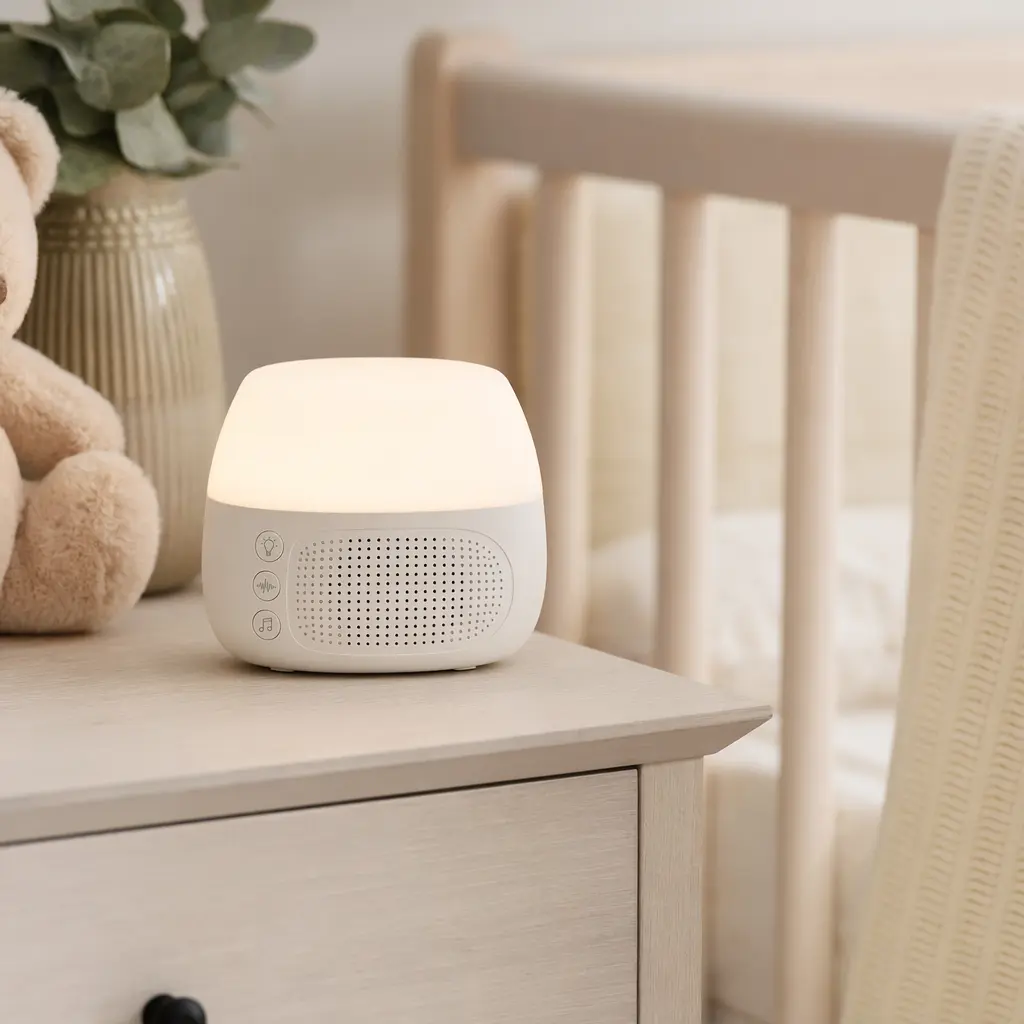
- Sound machines: Reliable white noise or rhythmic sounds that mask household noise
- Plush soothers with sound: Soft toys that play short, calming audio clips
- Gentle night lights: Low-lumen lights that help with nighttime feeding or diaper changes
- Motion-based soothers: Subtle vibration or rocking designed for brief calming, not constant use
Products that connect to apps or offer advanced tracking may appeal to some parents, but they are not necessary for soothing. In many cases, simpler devices are easier to use consistently, especially during nighttime routines.
Frequently asked questions
Do smart soothing toys help babies sleep through the night?
They can support sleep by creating a calming environment, but they don’t replace normal infant sleep patterns. Night waking is developmentally normal during the first year.
Is white noise safe for babies?
Yes, when used correctly. Keep the volume low, place the device several feet away, and avoid continuous high-volume sound.
Are toys with lights overstimulating?
They can be if the lights are bright or change rapidly. Warm, steady light is generally better for sleep routines.
Do babies need app-controlled features?
Most babies benefit more from consistent routines than from advanced controls. Apps may help parents adjust settings but aren’t essential.
When should you stop using soothing toys?
Many families phase them out naturally as babies develop self-soothing skills, often in the toddler years. There’s no fixed timeline.
Smart soothing toys can be useful tools when chosen carefully and used as part of a broader sleep routine. Focus on safety, simplicity, and age-appropriate features, and remember that no device replaces attentive caregiving and healthy sleep habits.