Board Games Kids Can Learn in 5 Minutes or Less
A parent-focused guide to fast-setup board and card games for ages 6–8. Learn what makes a game quick to teach, age-appropriate, and fun for short family play sessions.
Compare prices and availability
Check current prices and availability for this guide on eBay.
As an eBay Partner, we may be compensated if you make a purchase.
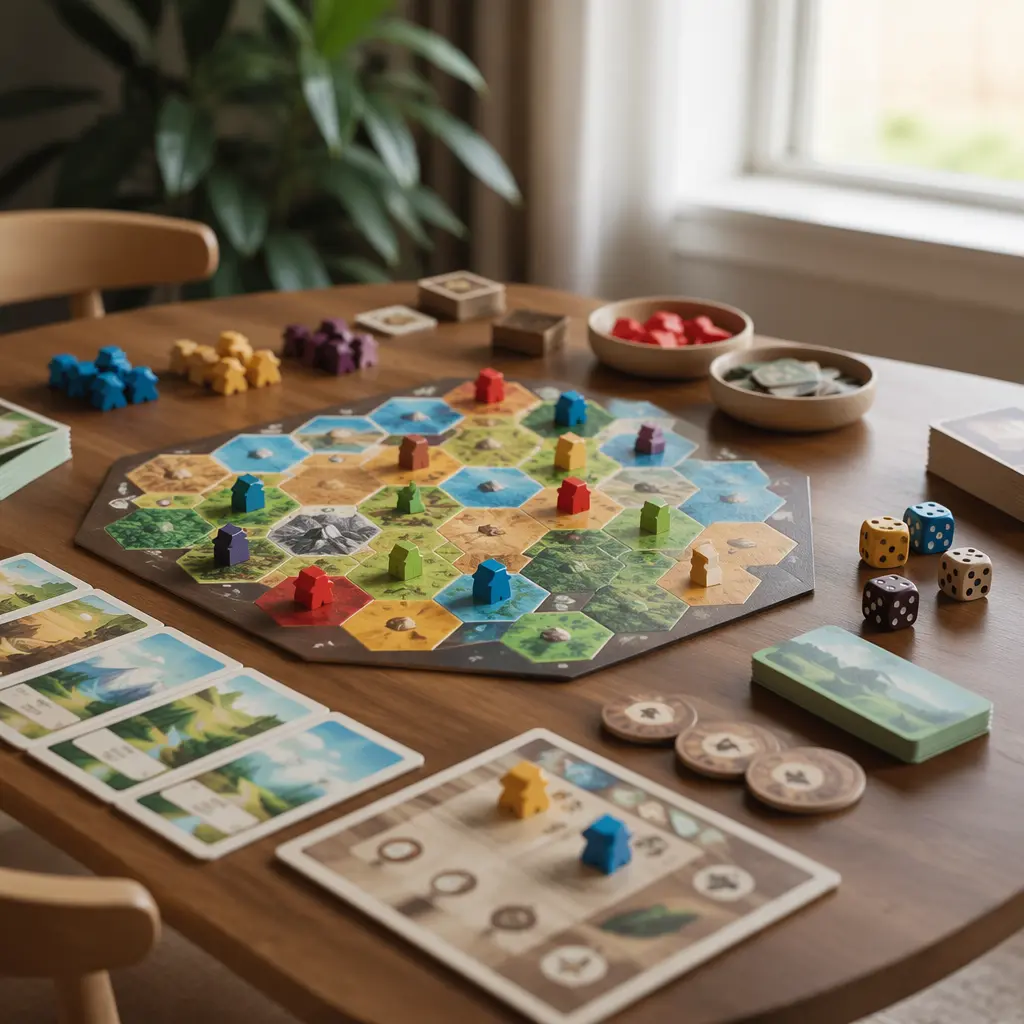
Not every family game night has time for long explanations or thick rulebooks. For kids ages 6–8, the best board games are often the ones they can understand almost right away. Games that take five minutes or less to learn make it easier to say yes to playing, even on busy school nights or short weekends.
What to look for
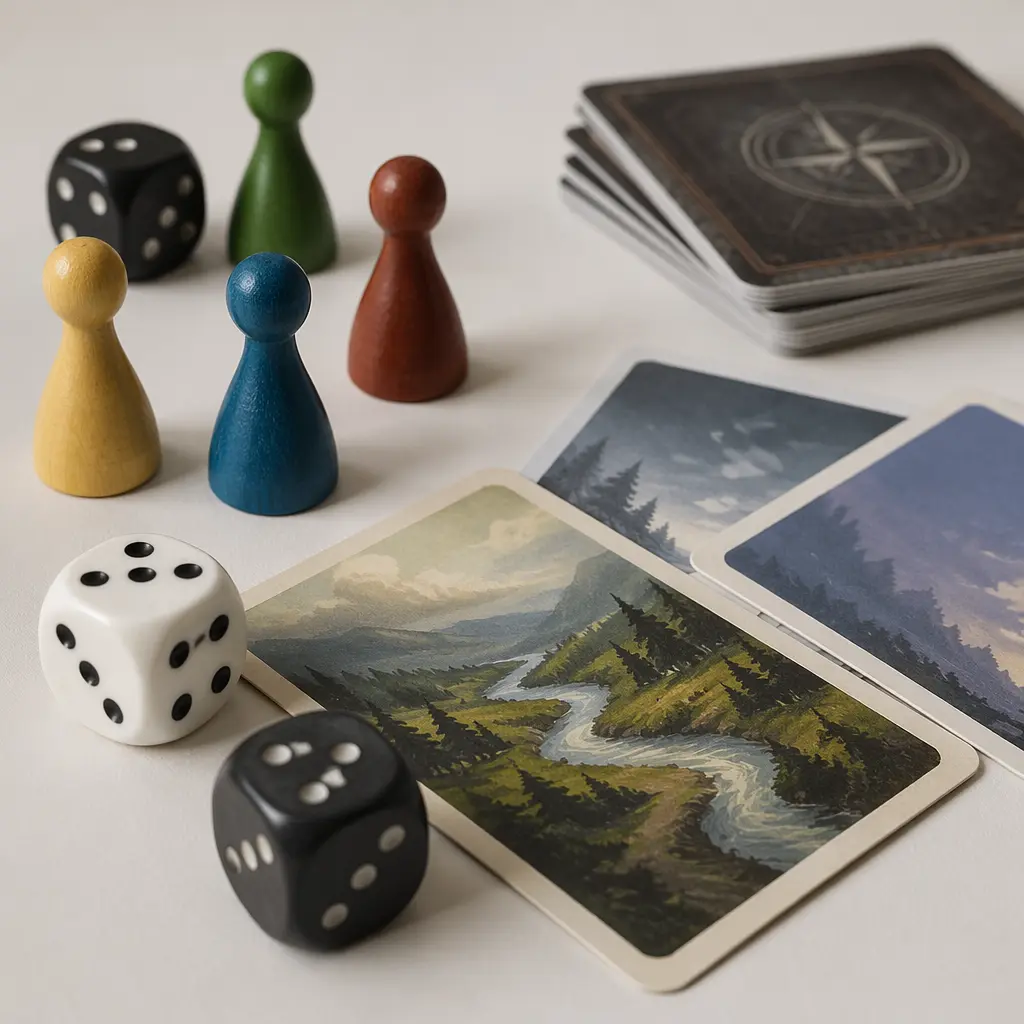
Fast-learning games share a few common traits that make them easier for kids and adults alike. When rules are clear and turns move quickly, children can focus on playing rather than remembering what comes next.
- Simple goals: Games with one clear objective are easier to explain and remember.
- Limited actions per turn: Fewer choices reduce confusion and speed up play.
- Visual cues: Icons, colors, or pictures help kids understand what to do without reading long text.
- Quick setup: Fewer pieces or steps mean the game can start almost immediately.
- Short playtime: Games that finish in 10–20 minutes feel manageable and encourage repeat plays.
Age suitability
For ages 6–8, children are developing reading skills, basic math, and turn-taking habits. Games in this range should not rely heavily on reading or complex scoring. Instead, they should support counting, pattern recognition, and simple strategy. Even if a game is labeled for younger or older players, the real test is whether a child can explain the rules back to you after one round.
Standout categories or types
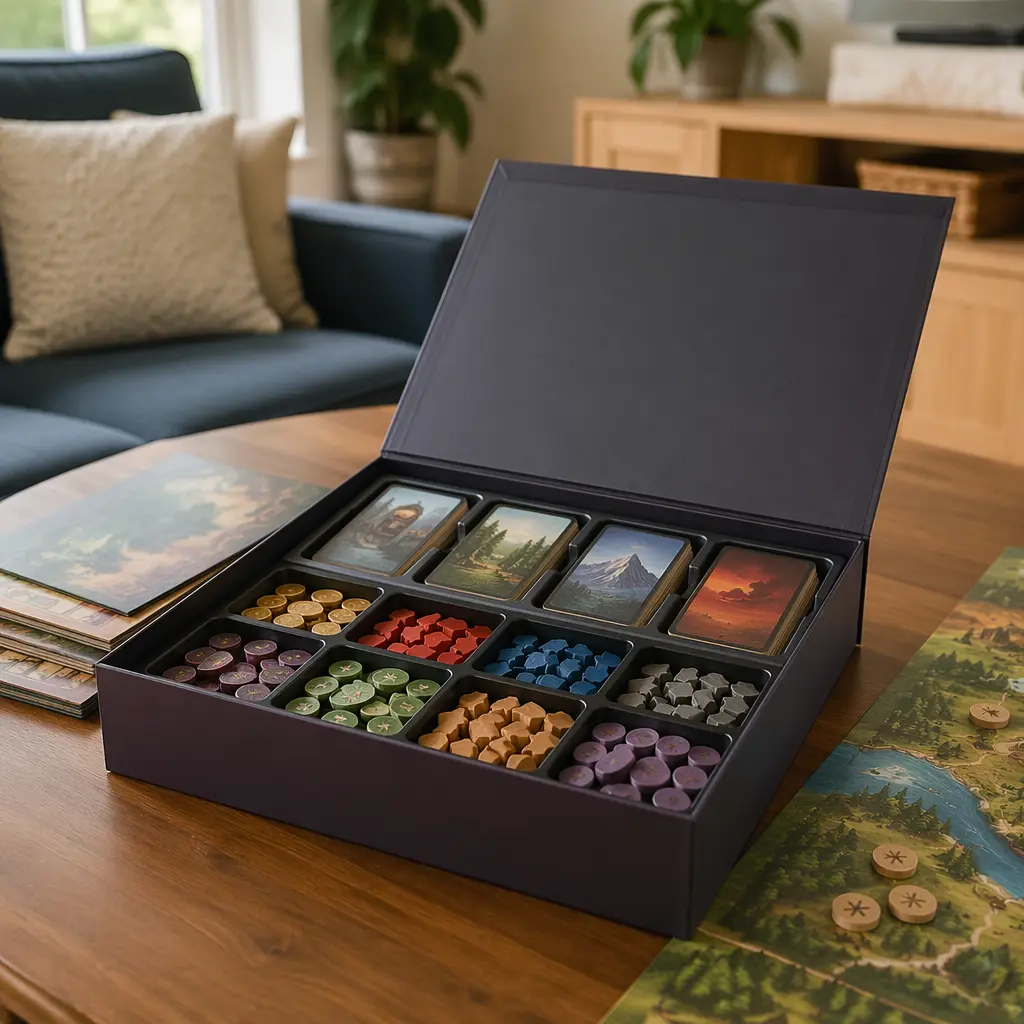
Some types of games naturally lend themselves to quick learning. These categories are a good starting point if your goal is minimal explanation and fast fun.
- Matching and pattern games: Players look for pairs, sets, or visual patterns, which most kids grasp instantly.
- Roll-and-move games: A single die or spinner tells players exactly what to do each turn.
- Cooperative games: Everyone works toward the same goal, reducing competitive pressure and rules complexity.
- Speed and reaction games: Simple rules combined with quick actions keep energy high and learning time low.
- Light strategy games: One or two choices per turn introduce planning without overwhelming new players.
Frequently asked questions
Are fast-learning games too simple to stay interesting?
Not necessarily. Many quick-to-learn games rely on replayability rather than complexity. Small changes in setup or player choices can keep the experience fresh across multiple plays.
Can these games work for mixed-age groups?
Yes. Games with simple rules often scale well when older siblings or adults play alongside younger kids. The shared understanding helps everyone stay engaged.
Do quick games still help kids learn skills?
Short games can still support important skills like counting, turn-taking, and decision-making. Because they are easy to start, kids often play them more often, reinforcing those skills over time.
What if my child wants to change the rules?
Rule-tweaking is common at this age and can be a positive sign of creativity. As long as everyone agrees, house rules can make games feel more personal and fun.
Choosing board games that kids can learn in five minutes or less makes it easier to fit play into everyday life. With simple rules, quick setup, and age-appropriate challenges, these games help families enjoy more time together without the stress of long explanations.