Board Games Families Can Finish Before Bedtime
A parent-friendly guide to short-play board games for ages 6–8 that deliver a complete, satisfying experience without stretching past bedtime routines.
Compare prices and availability
Check current prices and availability for this guide on eBay.
As an eBay Partner, we may be compensated if you make a purchase.
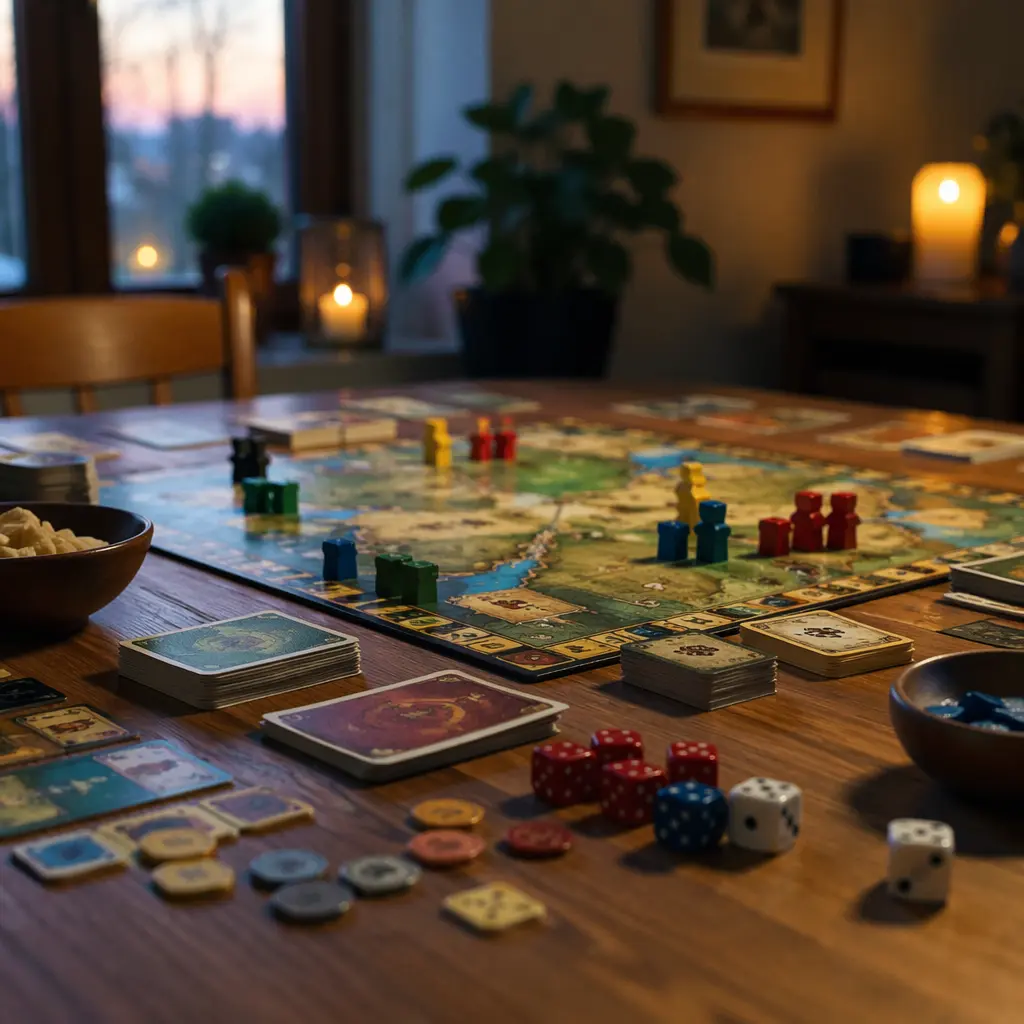
On school nights, families often want a game that feels complete without turning into a late-night commitment. Short-play board games can fit neatly between dinner and bedtime, offering shared fun, light strategy, and a clear ending. For children ages 6–8, the best options balance simple rules with meaningful choices, so the game feels rewarding even when it wraps up in 15–30 minutes.
What to look for
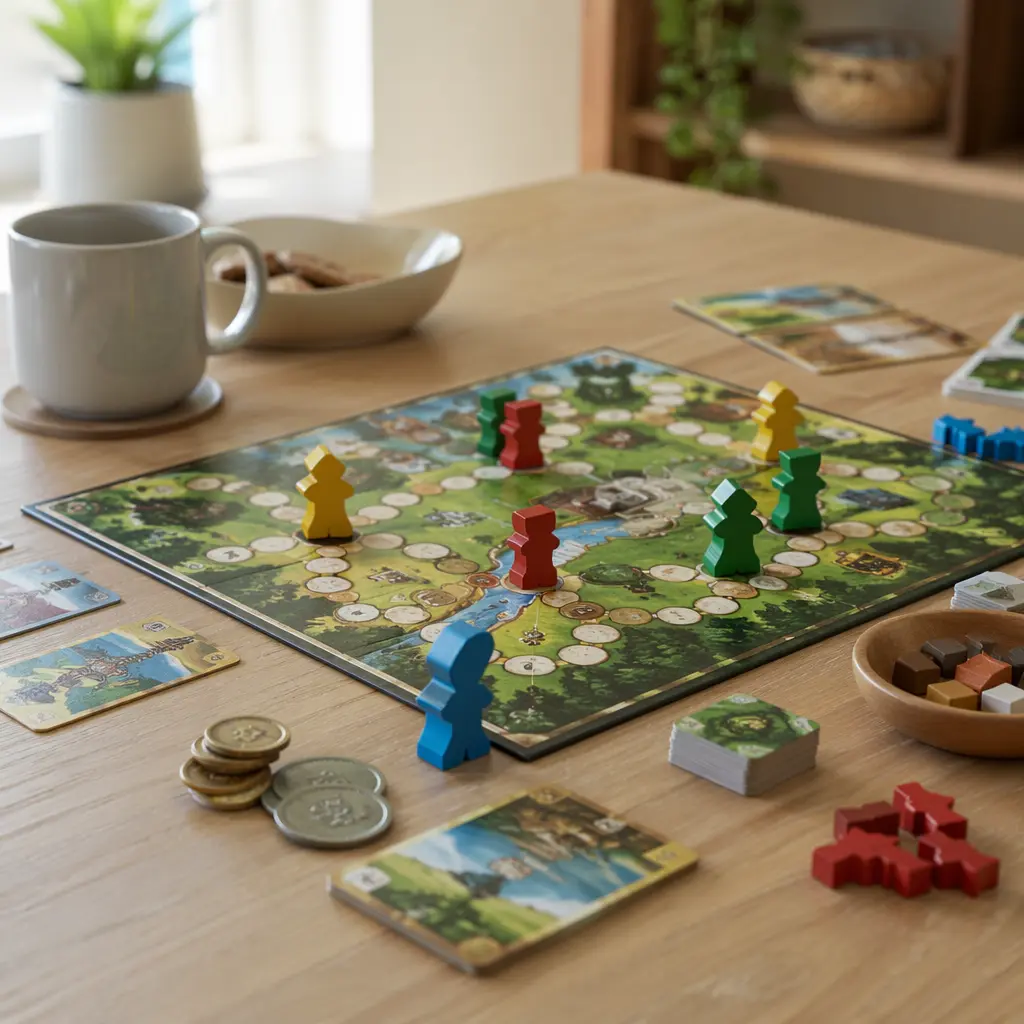
Not all short games feel satisfying. Some end abruptly, while others are simple to the point of boredom. When choosing a bedtime-friendly board game for young kids, a few features make a big difference in how enjoyable and manageable the experience is for everyone.
- Clear playtime expectations: Look for games designed to finish in 30 minutes or less, with a fixed number of rounds or a clear end condition.
- Simple setup and cleanup: Fewer components and quick setup help keep the game from eating into limited evening time.
- Age-appropriate rules: The best games for ages 6–8 can be explained in a few minutes and don’t rely heavily on reading.
- Meaningful choices: Even simple decisions—where to move, which card to play—help kids feel engaged and invested.
- Low elimination or cooperative play: Games where everyone stays involved until the end tend to work better before bed.
Age suitability
Children in the 6–8 age range are developing longer attention spans and beginning to enjoy light strategy, but they can still become frustrated by overly complex rules or long waits between turns. Games in this category should offer frequent turns and visual cues that make it easy to track progress. At this age, many kids enjoy a mix of luck and choice, which keeps outcomes unpredictable without requiring advanced planning skills.
Standout categories or types
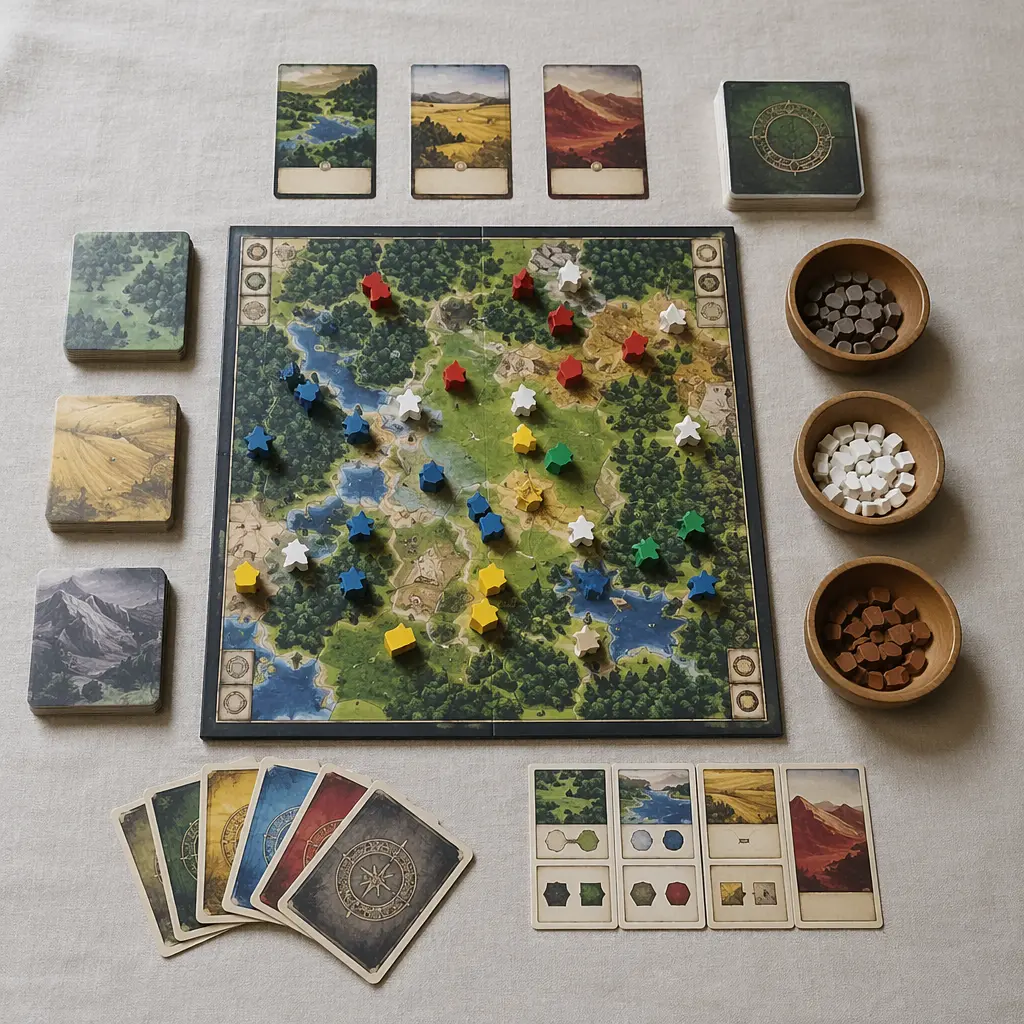
Short-play board games come in several styles, each appealing to different moods and personalities. Knowing the main categories can help you match a game to your family’s preferences and the amount of energy kids have left at the end of the day.
- Tile-laying games: Players place tiles to build patterns or paths, offering a clear sense of progress and a natural endpoint.
- Light strategy games: These focus on simple planning and choices without overwhelming younger players.
- Push-your-luck games: Kids decide whether to take another turn or stop, creating excitement without long playtimes.
- Cooperative games: Everyone works toward a shared goal, which can reduce frustration and keep the mood calm before bed.
Frequently asked questions
How long is “short-play” for a family board game?
For most families, short-play means 15–30 minutes from start to finish, including setup. This window allows time to explain rules, play a full game, and still transition smoothly into bedtime routines.
Are competitive games too stimulating before bed?
They can be, depending on the child. Games with gentle competition and limited take-that mechanics tend to work better in the evening. Cooperative or low-stakes competitive games often keep excitement at a manageable level.
Do kids need to know how to read to play these games?
Many games for ages 6–8 rely on symbols, colors, and pictures rather than text. Basic reading can help, but it’s usually not required for full participation.
Can these games work with mixed-age siblings?
Yes. Short-play games often scale well because adults or older siblings can make deeper strategic choices while younger players focus on simpler decisions and luck elements.
Short board games can become a reliable part of an evening routine, offering connection and fun without pushing bedtime later. By choosing games with quick setup, clear rules, and a satisfying finish, families can enjoy quality playtime that leaves everyone ready to wind down for the night.