Classic Board Games Tweens Still Ask to Play
A parent-friendly guide to classic, no-battery board games that still hold tweens’ attention—what to look for, age fit, and why these timeless games compete with screens.
Compare prices and availability
Check current prices and availability for this guide on eBay.
As an eBay Partner, we may be compensated if you make a purchase.
Between school, activities, and screens, it can be surprising when tweens ask to play a board game that doesn’t light up or plug in. Yet many classic board games continue to hold their own with kids ages 9–12. These no-battery favorites rely on strategy, social interaction, and a sense of mastery that grows with repeated play. For parents, they offer a screen-free way to connect, build skills, and fill short or long stretches of free time.
What to look for
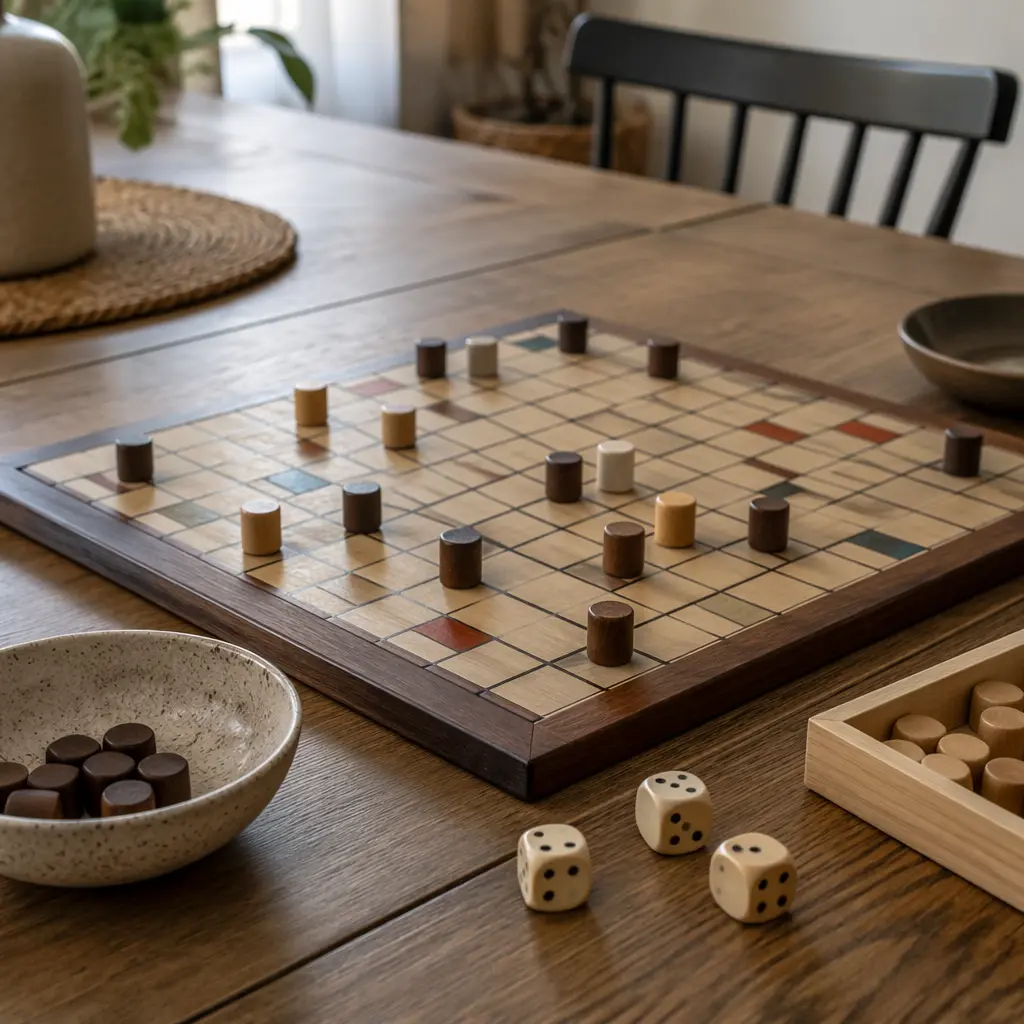
Not every traditional game works equally well for tweens. At this age, kids want to feel challenged and capable, not talked down to. The best classic board games balance clear rules with enough depth to stay interesting after many plays.
- Strategic choices: Games that reward planning, pattern recognition, or anticipating opponents tend to age well with tweens.
- Reasonable play time: Look for games that finish in 20–60 minutes so they fit into busy schedules without dragging.
- Low luck, high skill: Some randomness is fine, but tweens often prefer games where decisions matter more than chance.
- Simple setup and cleanup: Fewer pieces and clear organization make it easier for kids to start a game on their own.
- Scales with players: Games that work for two players as well as small groups are more likely to get played.
Age suitability
For ages 9–12, classic board games often hit a sweet spot. Kids in this range can follow multi-step rules, think a few moves ahead, and handle friendly competition. Many classics that feel too complex for younger children suddenly click at this stage. At the same time, these games usually avoid mature themes, making them appropriate for family play. If your tween is new to board games, starting with simpler classics can build confidence before moving into more complex strategies.
Standout categories or types
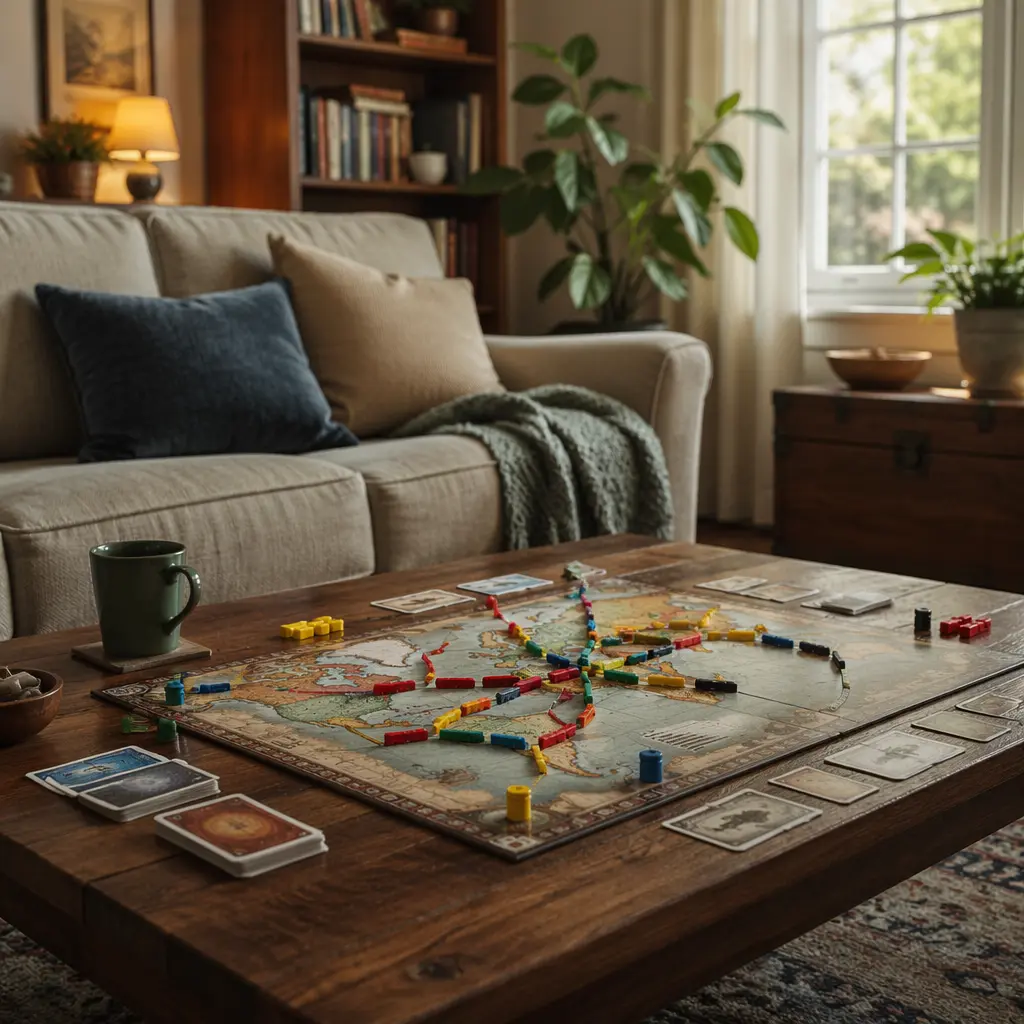
Rather than focusing on specific titles, it can help to think in terms of game types. Many classic board games fall into a few broad categories that tend to appeal to tweens for different reasons.
- Abstract strategy games: These rely on pure logic and planning, often with simple pieces and no theme. Tweens who enjoy puzzles and chess-like challenges often gravitate here.
- Word and language games: Spelling, vocabulary, and word-building games can feel sneaky-educational while still being competitive and fun.
- Tile-laying and pattern games: Games that involve building patterns or controlling space reward visual thinking and adaptability.
- Family negotiation games: Some classics encourage trading, alliances, or deal-making, which can be especially engaging for social tweens.
- Race and path-building games: Clear goals and visible progress keep energy up, especially for kids who like a sense of momentum.
Across these categories, the common thread is replayability. Tweens are more likely to ask for a game again when each session feels a little different and their skills noticeably improve.
Frequently asked questions
Why do tweens still enjoy games without screens?
Classic board games offer something screens don’t always provide: face-to-face interaction and a clear beginning, middle, and end. Tweens often enjoy the chance to compete, cooperate, and joke around without digital distractions.
Are classic board games good for learning?
Many classics naturally build skills like critical thinking, patience, and problem-solving. Word-based games support literacy, while strategy games encourage planning and logical reasoning, all without feeling like homework.
What if my tween gets frustrated or overly competitive?
This age group is still learning emotional regulation. Choosing games with shorter rounds, emphasizing learning over winning, and taking breaks when needed can help keep frustration in check.
How many players work best for this age?
Many classic games shine with two to four players, which suits siblings or small groups of friends. Games that scale well make it easier to include parents or accommodate varying group sizes.
Classic board games have stayed relevant for a reason. For tweens, they offer challenge, connection, and a break from screens—all wrapped in formats that have stood the test of time. With the right fit, these games often become the ones kids keep asking to play, year after year.