Fast Board Games Families Can Learn in One Round
A parent-friendly guide to low-friction board and card games for ages 9–12 that teach quickly, play fast, and get everyone involved within minutes.
Compare prices and availability
Check current prices and availability for this guide on eBay.
As an eBay Partner, we may be compensated if you make a purchase.
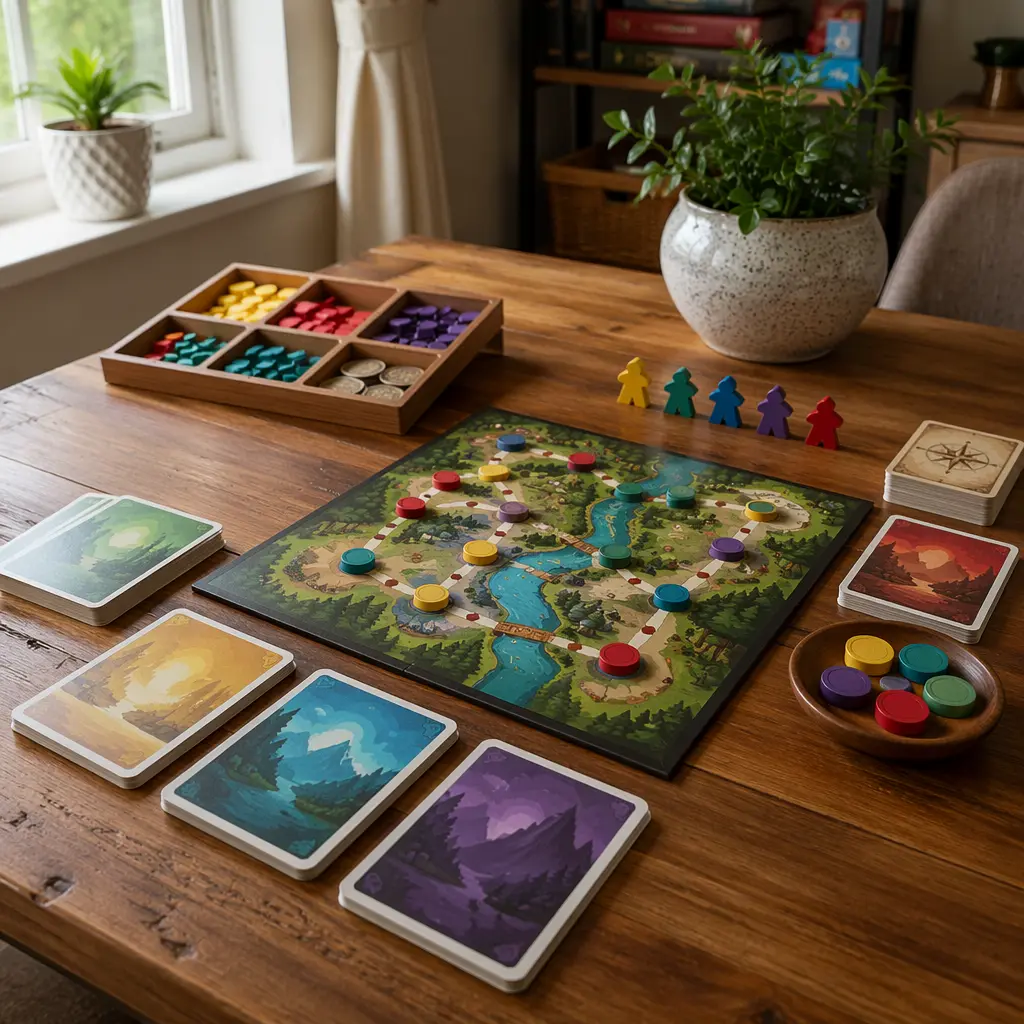
Fast board games can be a relief for families who want to play together without a long setup or rules lecture. For kids ages 9–12, the sweet spot is often games that explain themselves in one round, keep turns moving, and wrap up before attention fades. These low-friction games are especially helpful for weeknights, mixed-age groups, or gatherings where not everyone plays games regularly.
What to look for
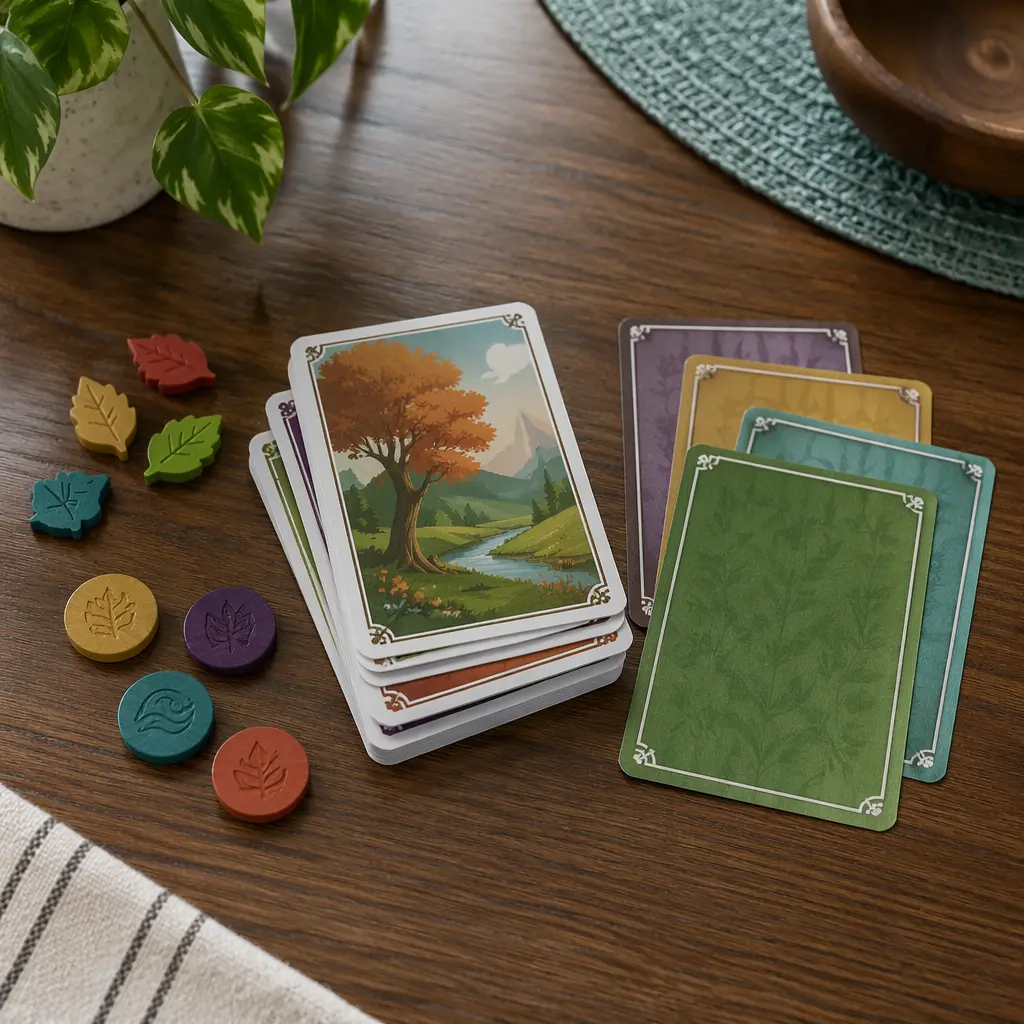
When a game promises quick learning, it should deliver on a few practical points. Families with kids in the 9–12 range benefit from games that feel fair, move quickly, and don’t require constant rule checks. The goal is to start playing almost immediately and let the rules sink in through action rather than explanation.
- Simple core rules that fit on one page or can be explained in under five minutes
- Turns that follow the same pattern every round, reducing confusion
- Little to no setup, with minimal sorting or pre-game preparation
- Clear end conditions so players know how and when the game finishes
- Limited reading on cards or boards, or text that’s easy for kids to parse quickly
Age suitability
For ages 9–12, fast-learning games work best when they respect growing reasoning skills without overwhelming younger players. At this stage, kids can handle light strategy, basic probability, and friendly competition. Games that rely on pattern recognition, simple math, word associations, or quick decisions tend to land well. Avoid games that require long-term planning over many rounds or heavy reading, as these slow down the learning curve.
Standout categories or types
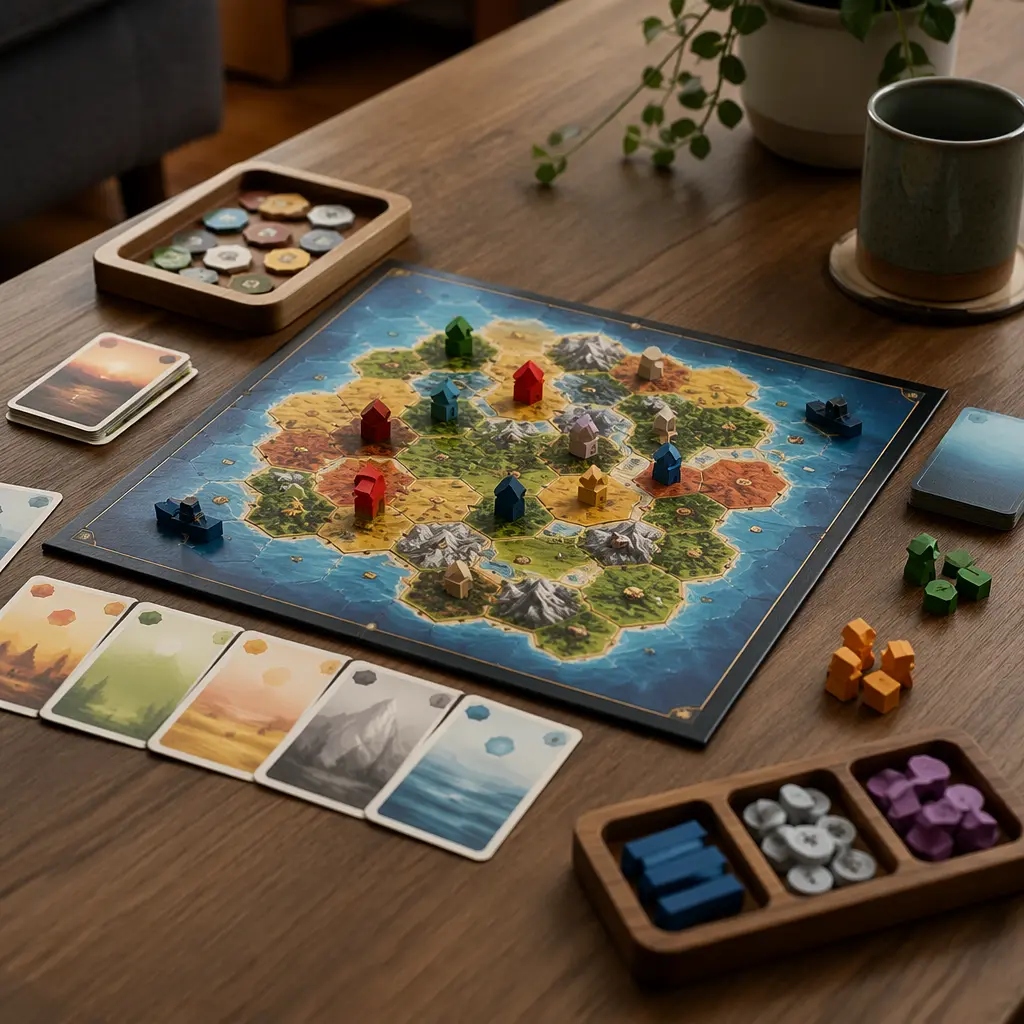
Several types of games are especially good at getting families playing within one round. These categories focus on repetition, shared rules, and immediate feedback, which helps everyone learn by doing.
- Card-driven games where players draw, play, and resolve effects in a single step
- Simultaneous-play games where everyone acts at once, reducing downtime
- Dice-based games with one main action per roll
- Word or picture association games with open-ended answers
- Set-collection games that reward spotting matches rather than complex planning
Many of these games also scale well. They can handle different numbers of players without changing the rules, making them flexible for families or small groups. Because the structure stays the same from start to finish, kids often feel confident by the second round and are ready to play independently.
Frequently asked questions
Can these games still be fun for adults?
Yes. While the rules are simple, many fast games include enough randomness or tactical choice to stay interesting for adults. The appeal often comes from quick decisions and social interaction rather than deep strategy.
How long should a typical game last?
Most one-round learning games finish in 10–20 minutes. This makes it easy to play multiple rounds or switch games without committing an entire evening.
Are these games good for mixed-age groups?
Generally, yes. Simple rules and shared turn structures help younger kids keep up, while older players can focus on making better choices. This balance works well for siblings or family gatherings.
Do quick games sacrifice educational value?
Not necessarily. Many fast games reinforce skills like pattern recognition, mental math, vocabulary, or logical thinking. The short playtime can actually improve learning by keeping players engaged.
Fast board games that teach themselves are a strong fit for busy families and reluctant players. By choosing games that explain quickly and play smoothly, parents can lower the barrier to game night and focus on shared time together rather than rulebooks.