Strategy Board Games Kids Can Learn Fast (Ages 9–12)
A parent-friendly guide to board games for ages 9–12 that teach real strategy without long rulebooks. Learn what to look for, age fit, and game types that reward thinking over memorization.
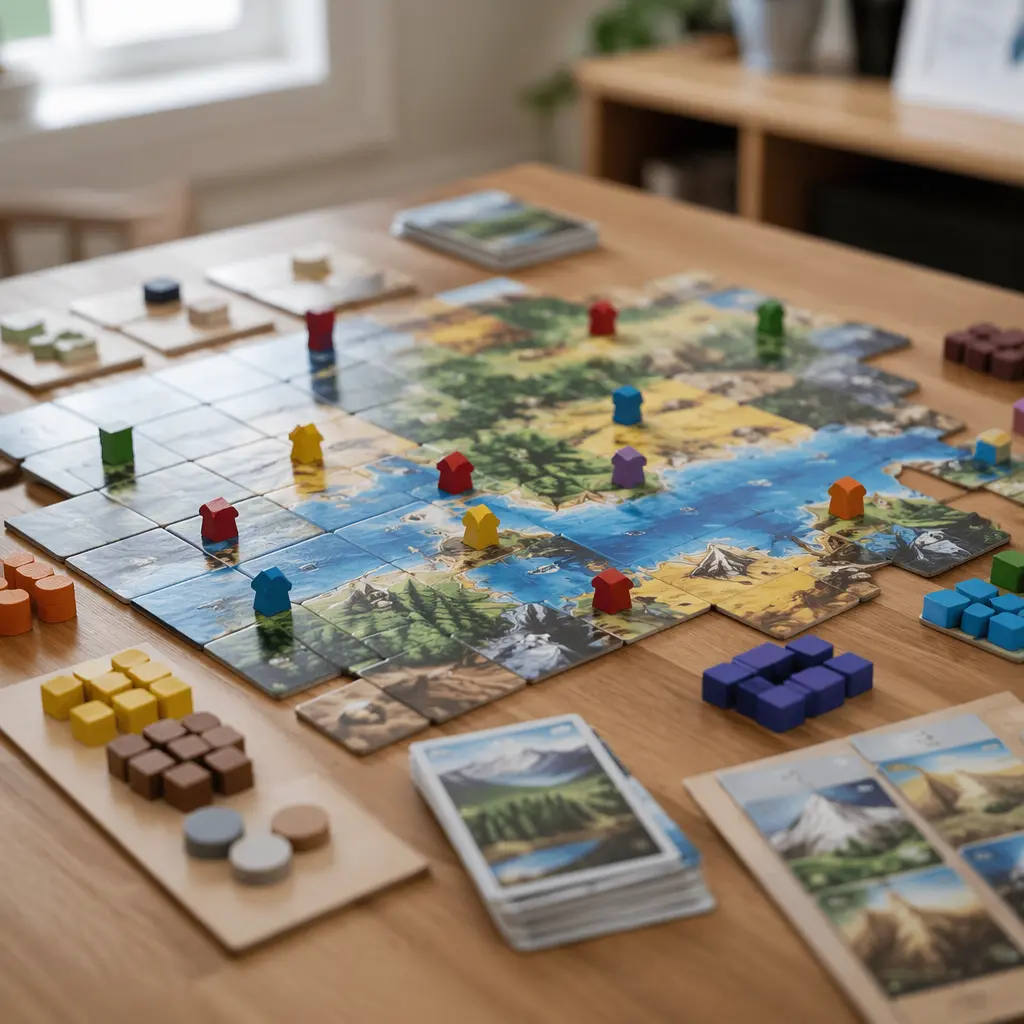
Compare prices and availability
Check current prices and availability for this guide on eBay.
As an eBay Partner, we may be compensated if you make a purchase.
Many parents want board games that help kids think ahead, plan moves, and adapt to change—without requiring a long rules lecture before anyone can play. For children ages 9–12, the sweet spot is games that are quick to learn but still reward smart decisions. This guide focuses on strategy-focused board and card games that get to the fun fast while quietly building real thinking skills.
What to look for
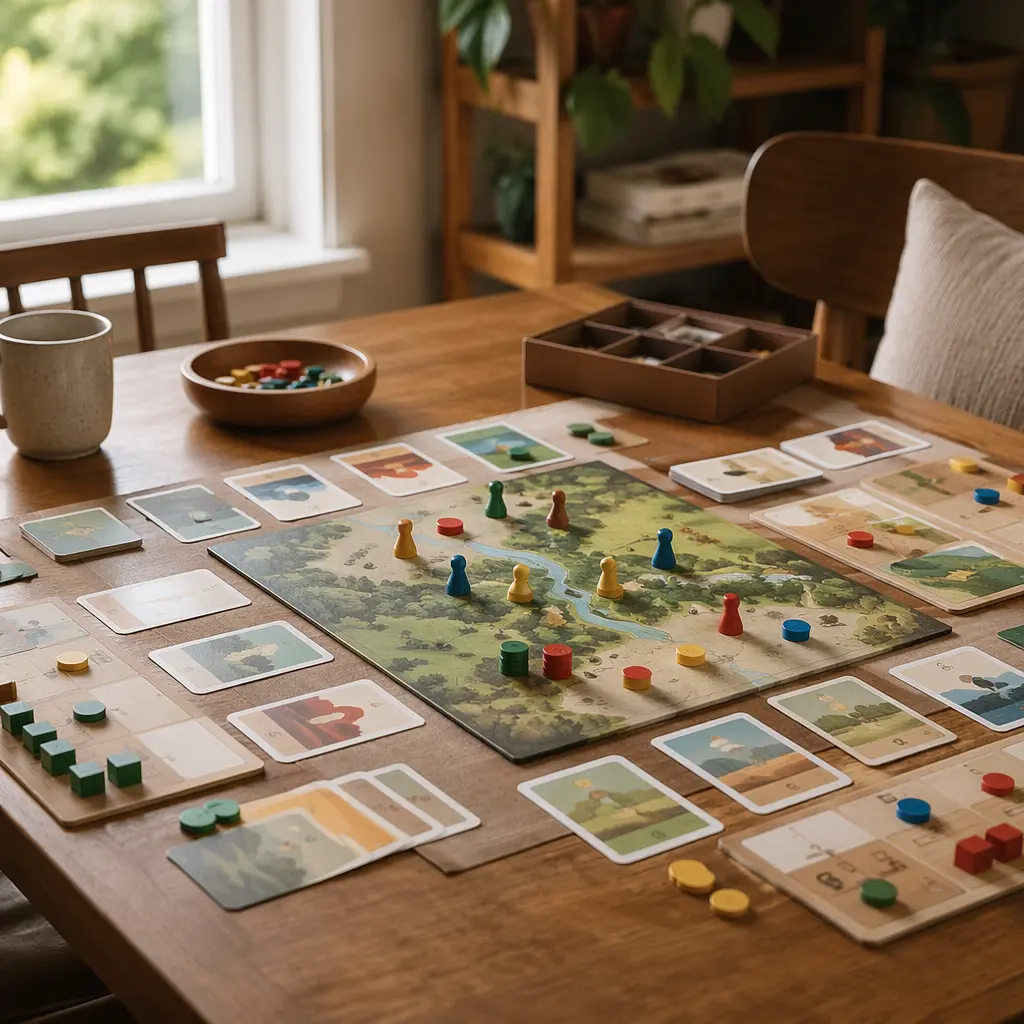
Not all strategy games are complicated, and not all simple games are shallow. When choosing games for this age group, it helps to focus on design features that encourage thinking without overwhelming players with exceptions or dense rulebooks.
- Clear core rule: The main objective and turn structure should be easy to explain in a few minutes.
- Meaningful choices: Each turn should offer decisions that affect future outcomes, not just luck-based moves.
- Short playtime: Games that finish in 20–40 minutes keep kids engaged and make rematches appealing.
- Limited reading: Icons, symbols, or simple text work better for mixed reading levels.
- Balanced randomness: Some chance keeps games exciting, but strategy should matter more over time.
Age suitability
For ages 9–12, children are ready for abstract thinking, light planning, and friendly competition. Many can handle multi-step strategies as long as the rules are consistent and examples are clear. Games in this range often work well for families because adults don’t feel bored, while kids don’t feel lost. If a game scales in difficulty or supports different player counts, it can grow with your child and stay in rotation longer.
Standout categories or types
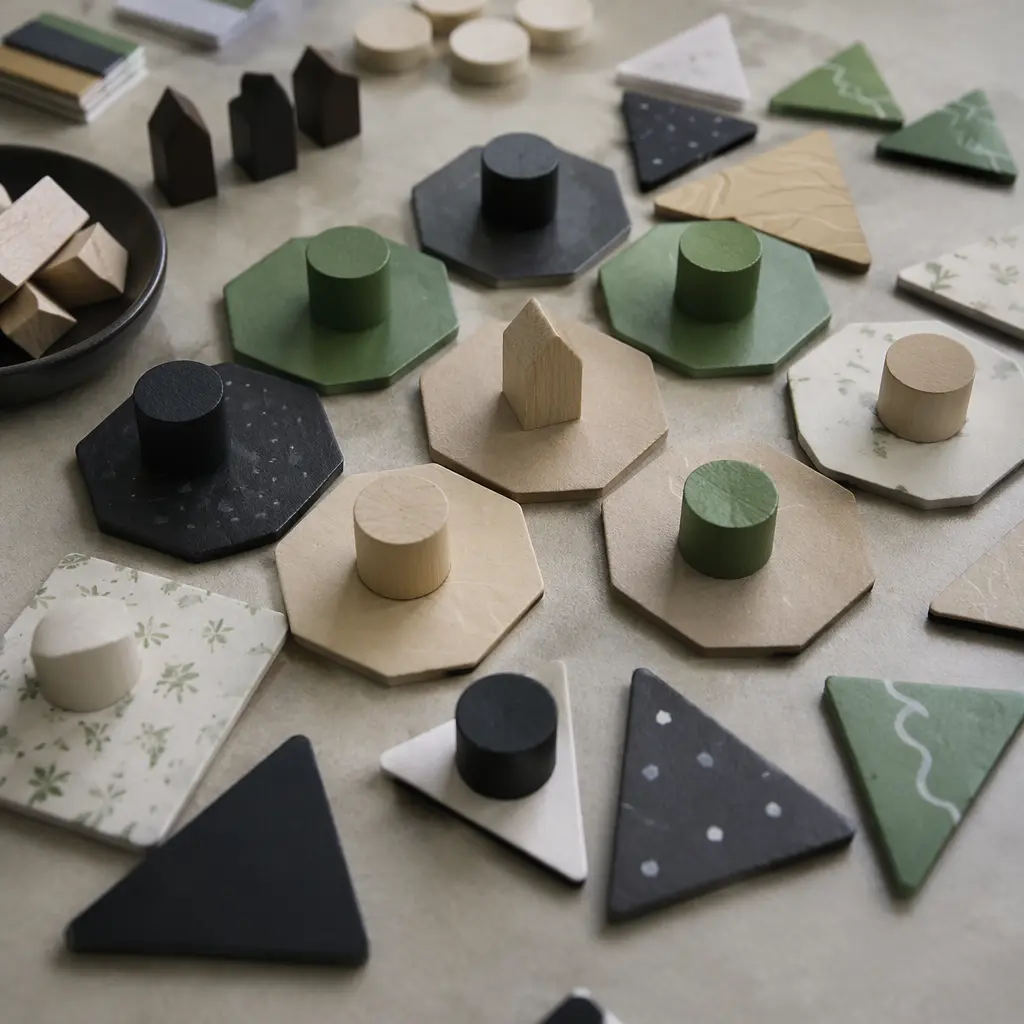
Some types of games are especially good at delivering strategic depth with minimal rules. These designs rely on simple systems that interact in interesting ways, allowing kids to focus on thinking rather than memorizing.
- Tile-laying games: Players build a shared or personal layout, learning spatial reasoning and forward planning.
- Card drafting games: Choosing one card at a time teaches evaluation, prediction, and adapting to limited options.
- Abstract strategy games: With few components and no theme dependency, these emphasize pure logic and pattern recognition.
- Light engine-building games: Kids learn how early choices can create advantages later without complex bookkeeping.
- Area control games: Competing for spaces on a board introduces risk assessment and timing in a clear visual way.
Frequently asked questions
Are strategy board games too competitive for this age?
Most strategy games for ages 9–12 are designed to be competitive without being harsh. Look for games with quick rounds or catch-up mechanics so a single mistake doesn’t ruin the experience. Cooperative or semi-competitive options can also ease younger players into strategic thinking.
How long should it take to learn the rules?
A good target is five to ten minutes for a basic explanation, with the rest learned through play. If the rulebook is short and uses diagrams or examples, kids are more likely to stay engaged and remember how to play next time.
Do these games actually teach useful skills?
Yes. Games that focus on planning, resource management, and adapting to opponents help kids practice critical thinking, patience, and decision-making. While they feel like play, the mental habits carry over into schoolwork and problem-solving.
Can younger or older siblings join in?
Many quick-to-learn strategy games work across a wide age range. Younger players may focus on simple goals, while older players explore deeper strategies. Games with open information and minimal hidden rules tend to be the most flexible.
Strategy board games don’t have to be complicated to be meaningful. For kids ages 9–12, the best options combine simple rules with thoughtful choices, making it easy to start playing and hard to stop thinking. With the right pick, game night can be both fun and quietly educational.