Classic Board Games Kids Can Learn in Under 10 Minutes
A parent-friendly guide to classic, fast-to-learn board and card games for ages 6–8 that are affordable, easy to teach, and fun enough to play again and again.
Compare prices and availability
Check current prices and availability for this guide on eBay.
As an eBay Partner, we may be compensated if you make a purchase.
Many families want board games that don’t require a long rules lesson or a big budget. Classic-style games are popular because they focus on straightforward goals, familiar mechanics, and short play times. For kids ages 6–8, the best options can usually be learned in under 10 minutes and still feel fun on the tenth play, not just the first.
What to look for
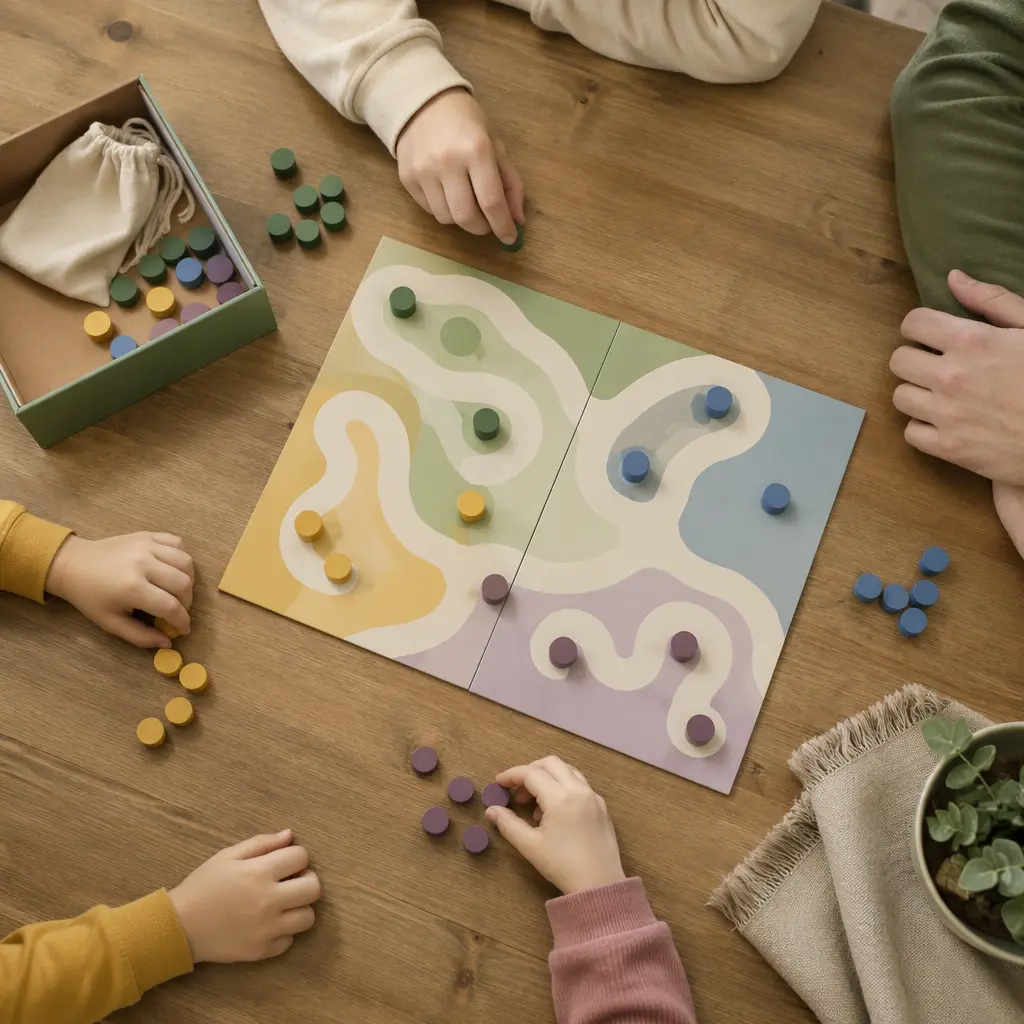
Fast-to-learn games share a few traits that make them easier for kids to pick up and easier for adults to teach. These features also help keep frustration low and replay value high.
- Clear objective: Kids should understand how to win after one explanation.
- Limited rules: Fewer special cases mean fewer reminders during play.
- Visual cues: Boards or cards that show what to do next reduce reading needs.
- Short turns: Waiting too long between turns can cause kids to lose focus.
- Quick setup: Games that are ready in a minute are more likely to be played often.
- Affordable components: Simpler materials usually mean lower cost and easier replacement.
Age suitability
For ages 6–8, classic games often hit a sweet spot. Kids at this stage can follow basic turn order, count small numbers, and handle simple strategy, but they may still struggle with heavy reading or long-term planning. Look for games that rely on matching, counting, or pattern recognition rather than complex text. Many classics also scale well, meaning younger kids can play with older siblings or adults without changing the rules.
Standout categories or types
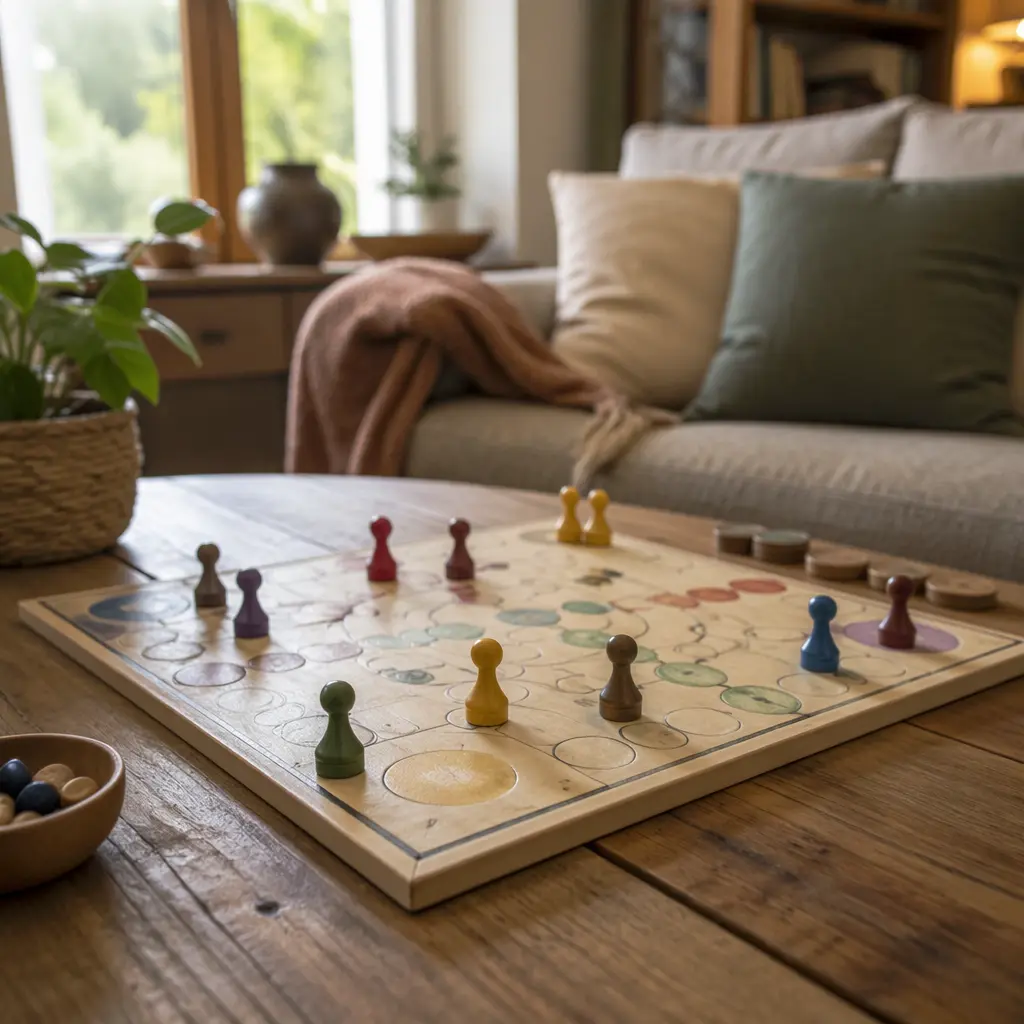
Instead of focusing on specific titles, it helps to think in terms of game types. Many classic games fall into these familiar categories, all of which are usually quick to explain and easy to replay.
- Race-to-the-finish games: Players move pieces along a path, often using a spinner or dice, making progress easy to see.
- Matching and memory games: These rely on finding pairs or sets, building focus and recall skills.
- Simple card games: Basic turn-based card play encourages number sense and following rules.
- Abstract strategy games: Minimal components and simple movement rules support early planning skills.
- Cooperative-style games: Everyone works toward a shared goal, which can reduce competition stress.
Frequently asked questions
Why do fast-to-learn games get more repeat play?
When kids can remember how to play without re-reading rules, they’re more likely to ask for the game again. Familiarity builds confidence, which often leads to longer-lasting interest.
Are classic games too simple for this age group?
Simple rules don’t mean boring play. Many classic designs allow kids to practice decision-making, counting, and turn-taking without overwhelming them.
How long should a game last for ages 6–8?
Games that last 10–20 minutes tend to work well. They fit into busy schedules and make it easier to play multiple rounds if everyone is enjoying it.
Do these games work for mixed-age families?
Yes. Many classic-style games rely on shared rules rather than advanced reading or strategy, making them accessible for younger kids and still enjoyable for older players.
Classic board and card games remain popular because they balance simplicity with staying power. For families with kids ages 6–8, choosing fast-to-learn games can mean less setup stress, more spontaneous play, and better value over time. Focusing on clear rules and familiar mechanics helps ensure the game shelf gets used, not forgotten.