Stratego: The family strategy game where memory matters
First published in 1947, Stratego blends hidden information, bluffing and long-term planning. It’s a classic board game that rewards patience, recall and bold gambits across generations.
Compare prices and availability
Check current prices and availability for this guide on eBay.
As an eBay Partner, we may be compensated if you make a purchase.
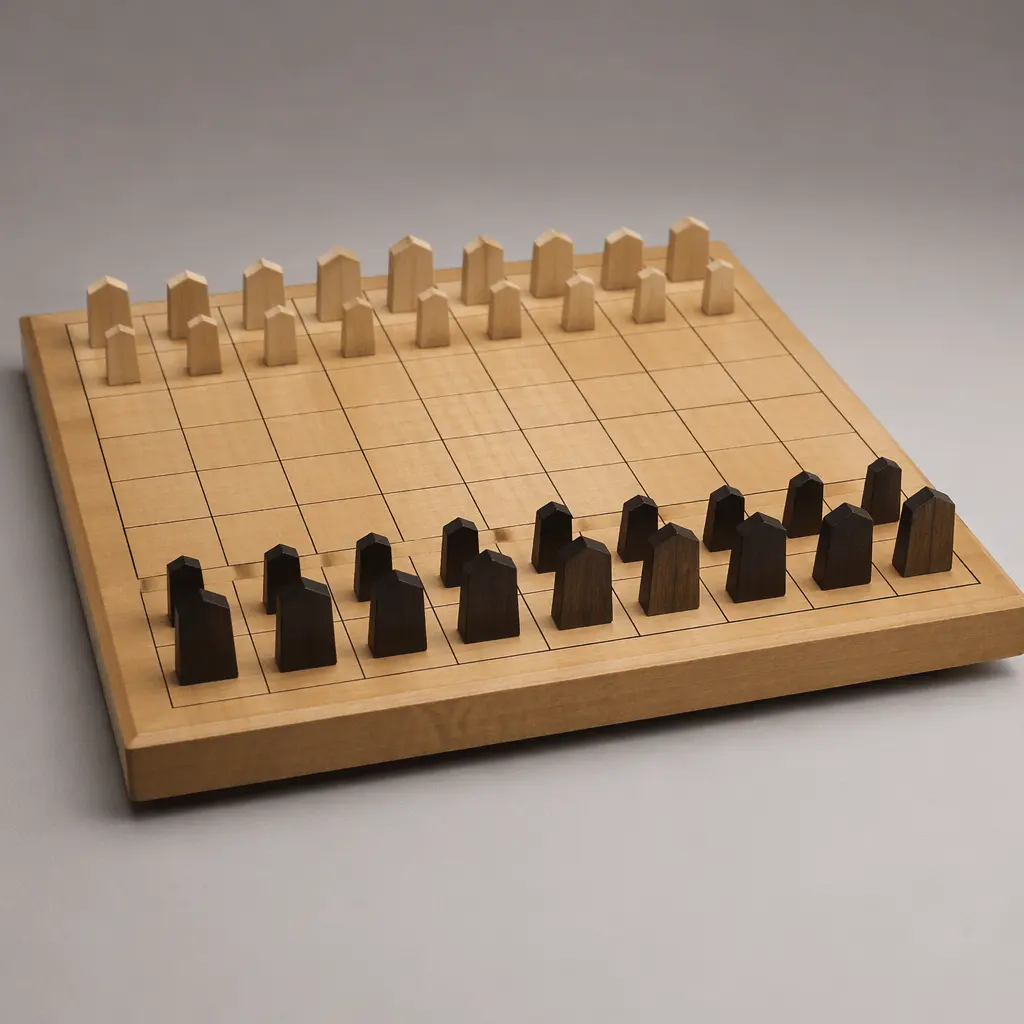
Stratego is one of those board games that feels quietly serious the moment it hits the table. Two players, two armies, and a battlefield where you can’t see your opponent’s ranks. It looks simple, but beneath that simplicity is a tense contest of memory, deduction and nerve that has kept families and strategy fans hooked for decades.
Where it came from
Stratego traces its roots to the Netherlands, where it was first published in 1947. Its design was inspired by earlier military-themed games and traditional war simulations, but it introduced a crucial twist: hidden ranks. Each piece has a strength and role, but only its owner knows what it is until a battle reveals it.
Originally intended as a thoughtful two-player game for older children and adults, Stratego arrived at a time when post-war Europe had a strong appetite for cerebral, replayable entertainment. Over the years, it spread internationally, becoming a staple in family game cupboards and a familiar name in classic board game line-ups.
Why it works
Stratego’s enduring appeal lies in the way it balances planning with uncertainty. You start by arranging your army in secret, already making strategic choices before a single move is made. Once play begins, every advance risks exposing a valuable piece or bluffing an opponent into retreat.
The game rewards careful observation and memory. Remembering where a strong piece revealed itself earlier can be just as important as launching a bold attack. At the same time, there’s room for psychological play: sacrificing a piece to mislead, or advancing confidently to suggest greater strength than you really have.
- Hidden information that creates tension and bluffing
- Simple movement rules with deep strategic consequences
- Asymmetrical piece abilities that encourage planning
- Short turns that keep both players engaged
Who it’s for
Stratego is typically recommended for children aged around 8 and up, once they can manage memory and forward planning. It works especially well for parent-and-child play, where experience can be balanced by careful explanation and patience. Adults often find it just as compelling, particularly those who enjoy chess-like thinking without needing to master complex rulebooks.
Variants and what to look for today
Over the years, Stratego has appeared in various editions, including simplified versions for younger players and travel-friendly sets with smaller boards. Some modern editions streamline setup or tweak piece counts, while others aim to stay close to the classic experience.
If you’re buying today, look for clear, durable pieces that stand upright easily and a board with well-defined spaces. Magnetic or compact versions can be useful for trips, but they may change the feel of play. As with many classics, there are unofficial lookalikes; while some are perfectly playable, build quality and clarity of pieces can vary.
Frequently asked questions
Is Stratego more about luck or skill?
Skill plays a bigger role than luck. While you can’t see opposing pieces, outcomes depend heavily on deduction, memory and the choices each player makes.
How long does a typical game last?
Most games take between 30 and 60 minutes, depending on experience and how cautiously players advance.
Can younger children enjoy it?
Younger children may enjoy simplified versions or playing with guidance, but the full game suits players who can remember past moves and think several turns ahead.
Is it good for repeated play?
Yes. Because setup and player behaviour change every game, Stratego rarely feels the same twice.
Nearly 80 years after its debut, Stratego remains a reminder that strong ideas don’t need flashy components. With a board, some pieces and a lot of thinking, it continues to challenge players to out-plan, out-remember and out-bluff the opponent sitting right across the table.