Best Open-Ended Building Sets for Toddlers 1–2
A parent-focused guide to open-ended building sets for ages 1–2. Learn what to look for in chunky, safe builders that encourage creativity, fine motor skills, and free play—no instructions required.
Compare prices and availability
Check current prices and availability for this guide on eBay.
As an eBay Partner, we may be compensated if you make a purchase.
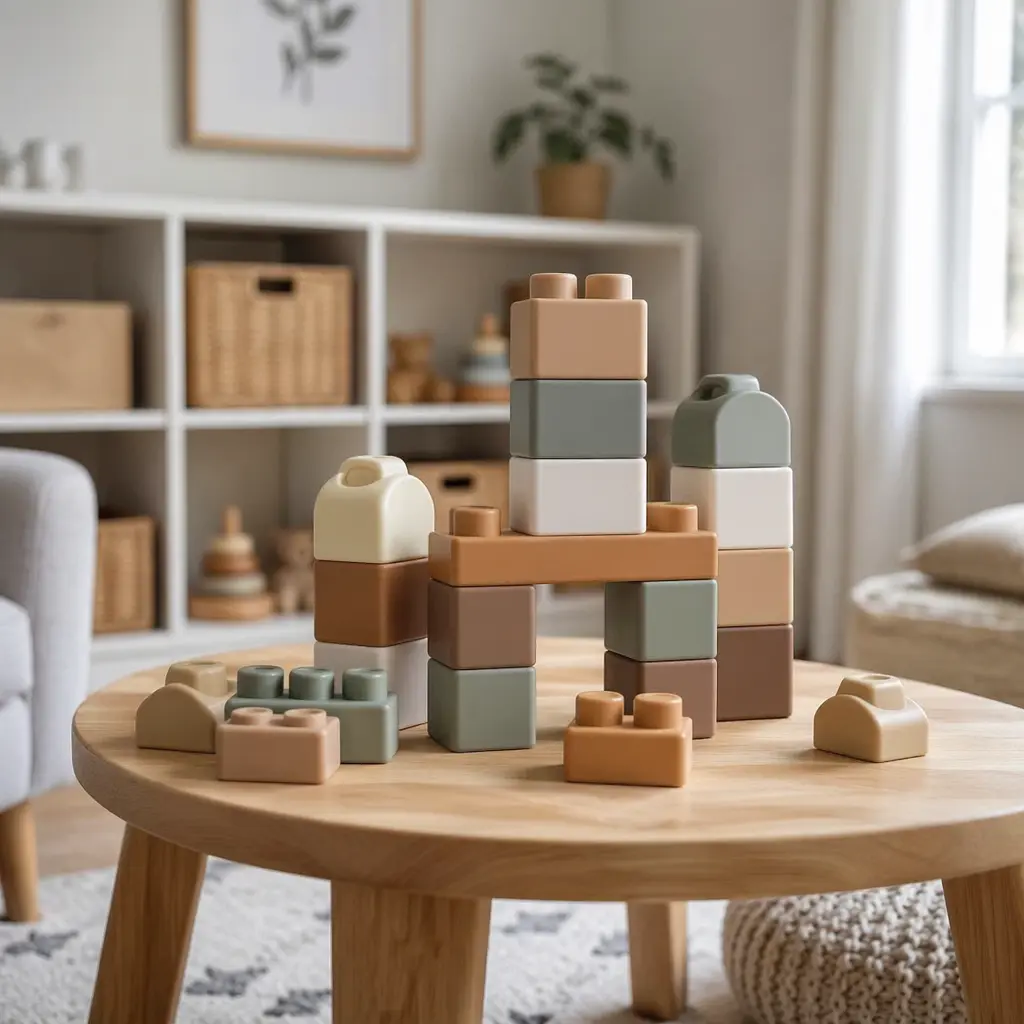
Open-ended building sets are a strong choice for toddlers ages 1–2 because they invite exploration without rules. These toys focus on large, easy-to-hold pieces that can be stacked, connected, knocked down, and rebuilt in endless ways. There are no instructions to follow and no “right” outcome—just simple parts that support curiosity, movement, and early problem-solving.
What to look for
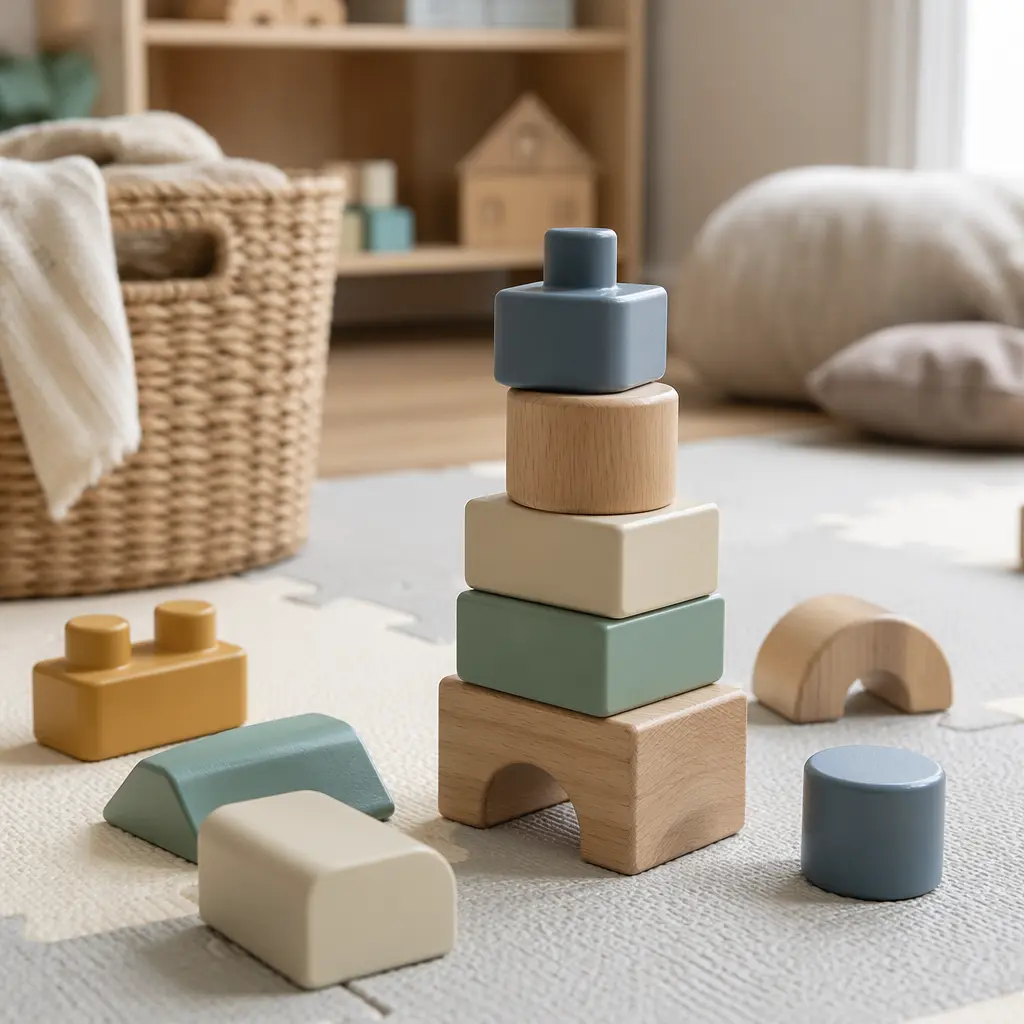
For children between 12 and 24 months, the best building sets prioritize safety, durability, and ease of use. Toddlers at this stage are still learning how their hands work, and many explore toys by mouthing them. The right materials and design details matter more than the number of pieces.
- Extra-large, chunky pieces that are easy to grasp and hard to swallow
- Smooth edges and rounded corners with no sharp points
- Non-toxic materials and finishes suitable for mouthing
- Lightweight pieces that won’t hurt if knocked over
- Simple shapes that stack or connect without precise alignment
- Washable or easy-to-clean surfaces for everyday messes
Age suitability
Toddlers ages 1–2 are developing basic hand strength, coordination, and spatial awareness. At this stage, building often looks like stacking two blocks, lining pieces up, or repeatedly taking structures apart. That’s normal and valuable. Sets designed for this age range avoid small connectors and complex mechanisms, allowing children to succeed through simple actions like placing, pushing, and pulling.
Standout categories or types
Open-ended building sets for toddlers generally fall into a few broad categories. Each supports slightly different kinds of play, but all encourage creativity without instructions or screens.
- Soft building blocks: Made from foam or fabric, these are ideal for early stackers and safe for active play.
- Wooden chunky blocks: Heavy enough to feel stable, with simple shapes that stack easily and last for years.
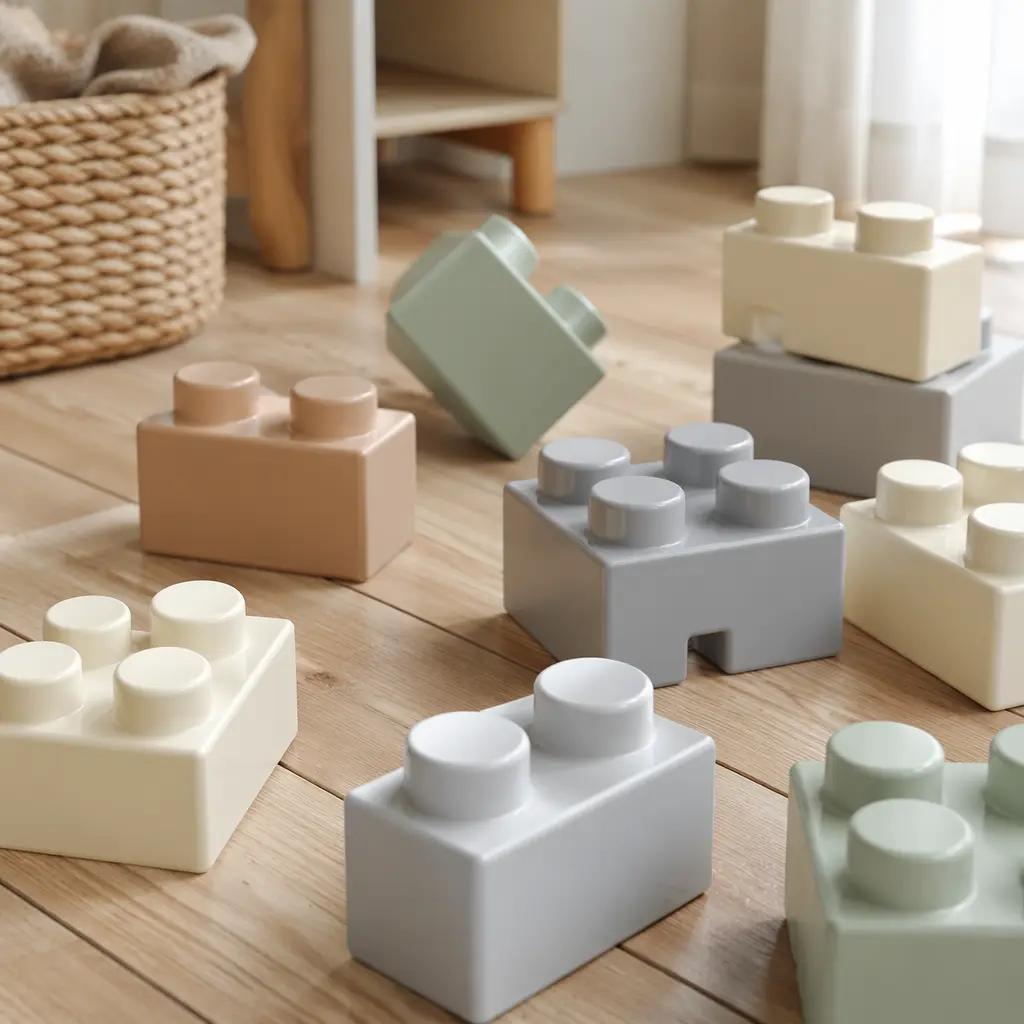
- Large plastic stackers: Bright or muted pieces that click or nest together with minimal effort.
- Peg and slot builders: Oversized pegs that fit into thick bases help toddlers practice hand-eye coordination.
- Mixed-shape sets: A small variety of cylinders, cubes, and arches encourages experimentation without overwhelming choice.
Frequently asked questions
Are open-ended building sets better than themed toys?
Open-ended sets allow toddlers to decide how the pieces are used, which supports creativity and independent thinking. Themed toys often guide play in one direction, while open-ended pieces grow with a child’s imagination.
How many pieces does a toddler need?
For ages 1–2, fewer pieces are often better. A small set of 6–20 large pieces is usually enough to support meaningful play without causing frustration or clutter.
Can these sets help with development?
Yes. Building play supports fine motor skills, hand-eye coordination, spatial awareness, and early problem-solving. It also encourages persistence as toddlers try, fail, and try again.
Do toddlers need instructions to play?
No instructions are needed. In fact, removing instructions lets toddlers explore freely. Adults can model simple actions like stacking or lining up pieces, then step back.
How long will these toys stay useful?
Many chunky building sets remain useful well beyond age 2. As skills grow, children build taller structures, sort by shape or color, and combine sets in new ways.
When choosing an open-ended building set for a 1–2-year-old, focus on simplicity, safety, and flexibility. The best options invite hands-on exploration and grow alongside your toddler, supporting learning through play without pressure or instructions.