LegoGPT Builder Tools and the New AI Brick-Building Era
AI-assisted LEGO planning tools are starting to turn text prompts into digital brick instructions. Here’s how the idea emerged, why builders are paying attention, and what families should know.
Compare prices and availability
Check current prices and availability for this guide on eBay.
As an eBay Partner, we may be compensated if you make a purchase.
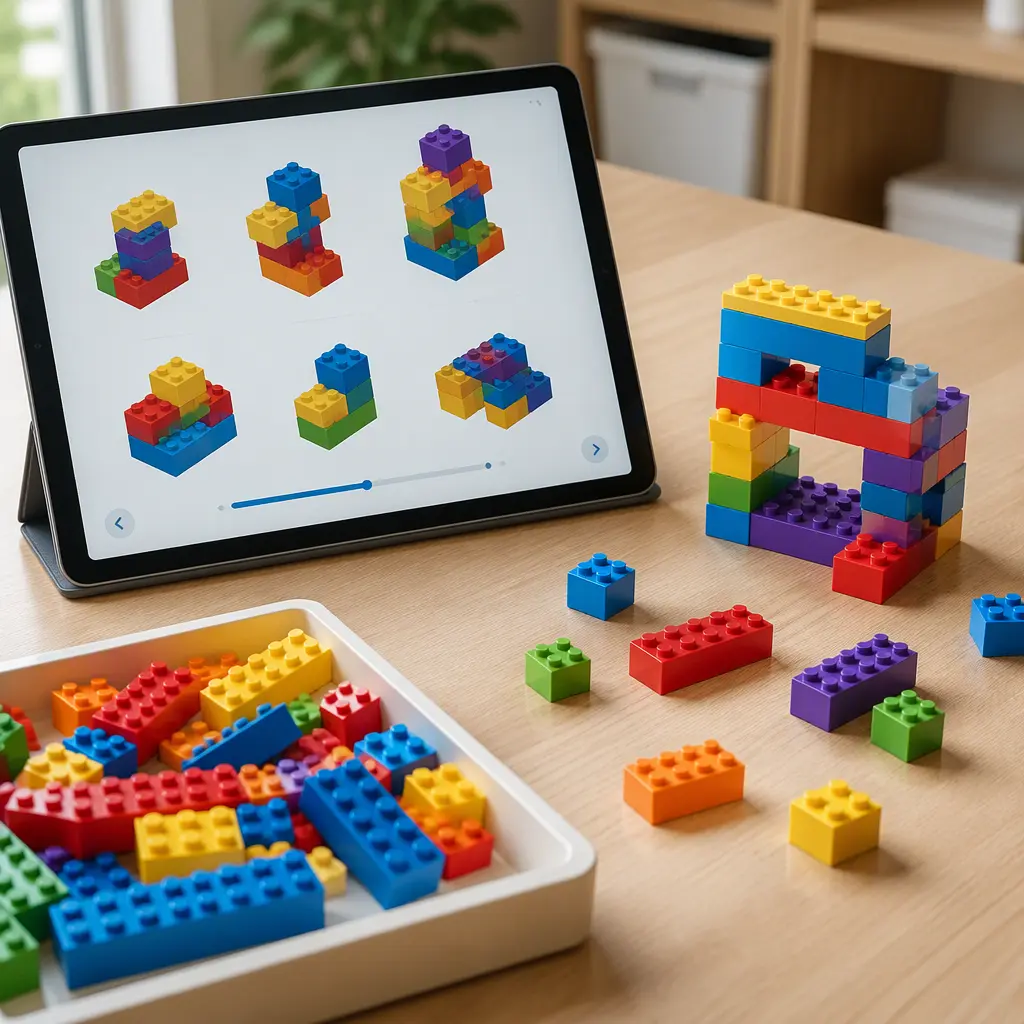
AI image generators can already create fantasy castles, spaceships and city scenes in seconds, but a newer category of tools is trying to solve a harder problem: turning those ideas into structures that can actually be built with physical bricks. Under names such as LegoGPT and AI-assisted brick planners, researchers and software developers are experimenting with systems that generate step-by-step construction concepts from text prompts or rough sketches. The result is less like a traditional toy launch and more like a shift in how building sets may be planned, customized and shared.
Where it came from
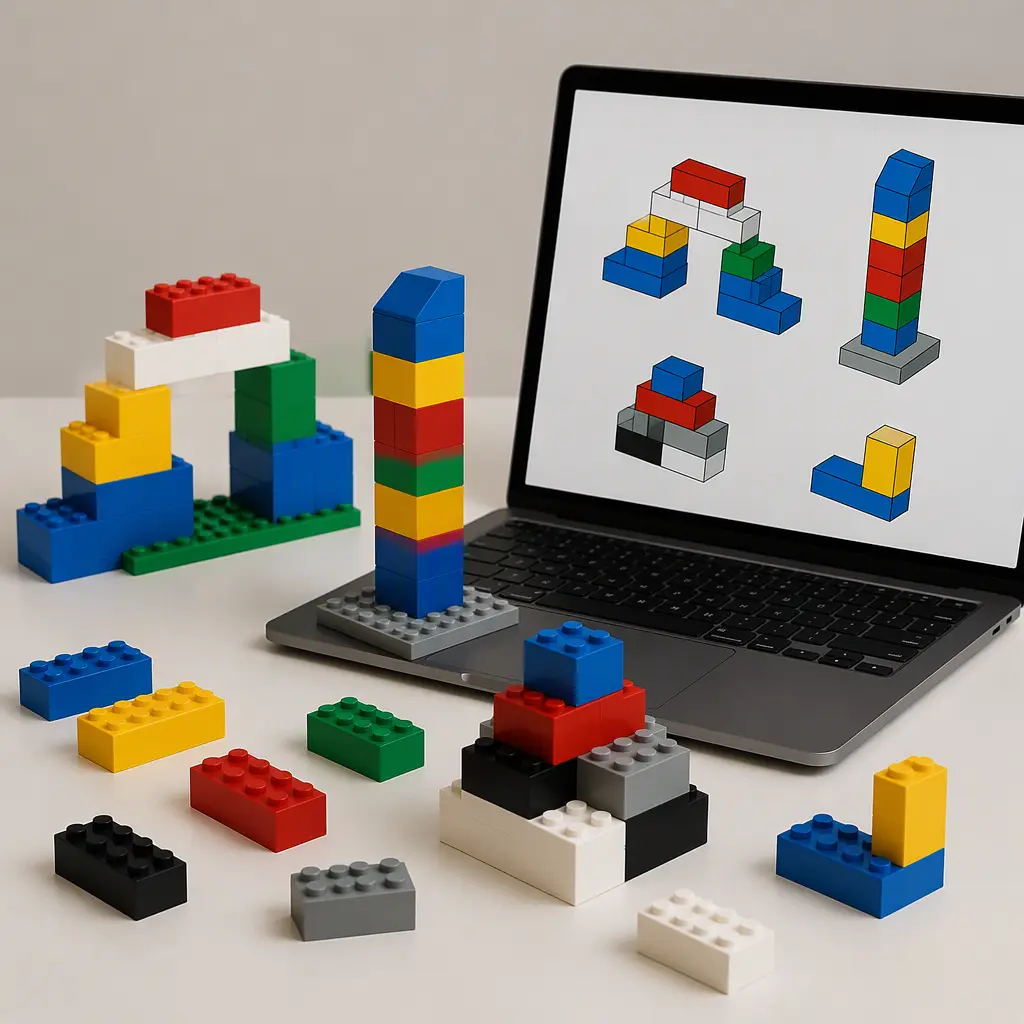
The idea behind AI-generated brick instructions grew out of research into generative design, robotics and 3D modeling. Academic projects and independent software experiments explored whether machine-learning systems could create stable structures using the constraints of real-world brick dimensions. Instead of simply producing a picture of a model, these systems attempt to map shapes into pieces that could theoretically be assembled layer by layer.
By the mid-2020s, consumer interest expanded beyond research demonstrations. Hobbyist developers began connecting AI image tools, digital building software and online brick inventories into planning assistants for custom creations. Some systems focused on generating inspiration images, while others attempted full instructions, parts lists or build optimization. The broader appeal came from the same place that made digital building apps popular years earlier: many fans enjoy designing models as much as physically constructing them.
Why it works
Traditional construction toys already blend creativity with rules. Bricks connect in predictable ways, which makes them well suited for computational design. AI systems can analyze patterns from thousands of existing builds and suggest structures that balance appearance with basic stability. For users, that can reduce the barrier between imagining a creation and starting a real project.
These tools also tap into a familiar modern play pattern: moving between screens and hands-on activity. A child or adult builder might sketch an idea digitally, refine it with AI-generated suggestions and then assemble the model using physical bricks. In the strongest examples, the technology acts more like a brainstorming partner than a replacement for creativity.
- Text prompts can generate rough building concepts or themed layouts
- Some tools attempt step-by-step assembly guidance using available brick types
- Digital inventories may help builders work with pieces they already own
- 3D previews can make large or complex projects easier to visualize
- Communities often remix and improve AI-generated builds collaboratively
Who it's for
AI-assisted brick planning tools are mostly aimed at older children, teens and adult hobbyists who are already comfortable with digital devices and construction play. Younger children may enjoy the finished builds, but many current systems depend on reading instructions, navigating apps or evaluating whether a design is practical. Adult fans of LEGO-style building are a major audience because they often maintain organized brick collections and enjoy experimenting with custom creations. Families may also find these tools useful for extending the life of existing bricks rather than constantly buying new sets.

Variants and what to look for today
There is no single official category leader yet. Current AI brick-building tools range from research prototypes to hobbyist websites and companion apps connected to digital design software. Some systems focus on generating visual inspiration only, while others try to produce complete instructions and compatible piece lists. Because the field is evolving quickly, features can vary widely between platforms.
Families exploring these tools should pay attention to how much cloud connectivity is required and whether accounts are necessary. Some services rely on online AI processing and may collect prompts or uploaded images. Others function more like offline design software with optional AI features. Compatibility also matters: certain planners are designed around specific digital building ecosystems or export formats rather than physical kits sold in stores.
- Look for tools that clearly distinguish AI concepts from tested physical builds
- Check whether generated instructions can be edited manually
- Review device compatibility before downloading apps or software
- Be cautious of unofficial downloads that imitate established building brands
- Consider whether the experience encourages active building instead of passive screen use
Frequently asked questions
Are LegoGPT tools official LEGO products?
Not always. Some projects are independent research efforts, community tools or third-party design experiments. Availability and licensing can vary, so users should check who operates a service and whether it connects to official building software or marketplaces.
Can AI-generated instructions build real models?
Sometimes, but reliability differs significantly between tools. A generated design may look convincing on screen while still containing unstable sections or unavailable pieces. Many hobbyists treat AI output as a starting point that requires human adjustment.
Do these tools replace traditional creativity?
That concern appears frequently in discussions about generative AI. In practice, many builders use the systems for brainstorming, experimenting with shapes or overcoming creative blocks. The physical act of selecting pieces, modifying structures and solving stability problems still depends heavily on human decisions.
What about privacy and online safety?
Because many AI systems operate through cloud services, users may need accounts, internet access or app permissions. Parents should review privacy policies, moderation tools and data handling practices, especially if children upload photos, voice prompts or personal creations.
AI-generated brick planning is still in an early stage, but it points toward a future where construction toys become partly programmable creative platforms. Whether these tools become mainstream or remain a niche hobby feature, they are already changing how some builders imagine, prototype and share ideas. The biggest question may not be whether AI can design a brick model, but how families choose to balance digital assistance with the open-ended experimentation that made building toys popular in the first place.