Nanoblock: Why ultra‑tiny bricks reward patience over scale
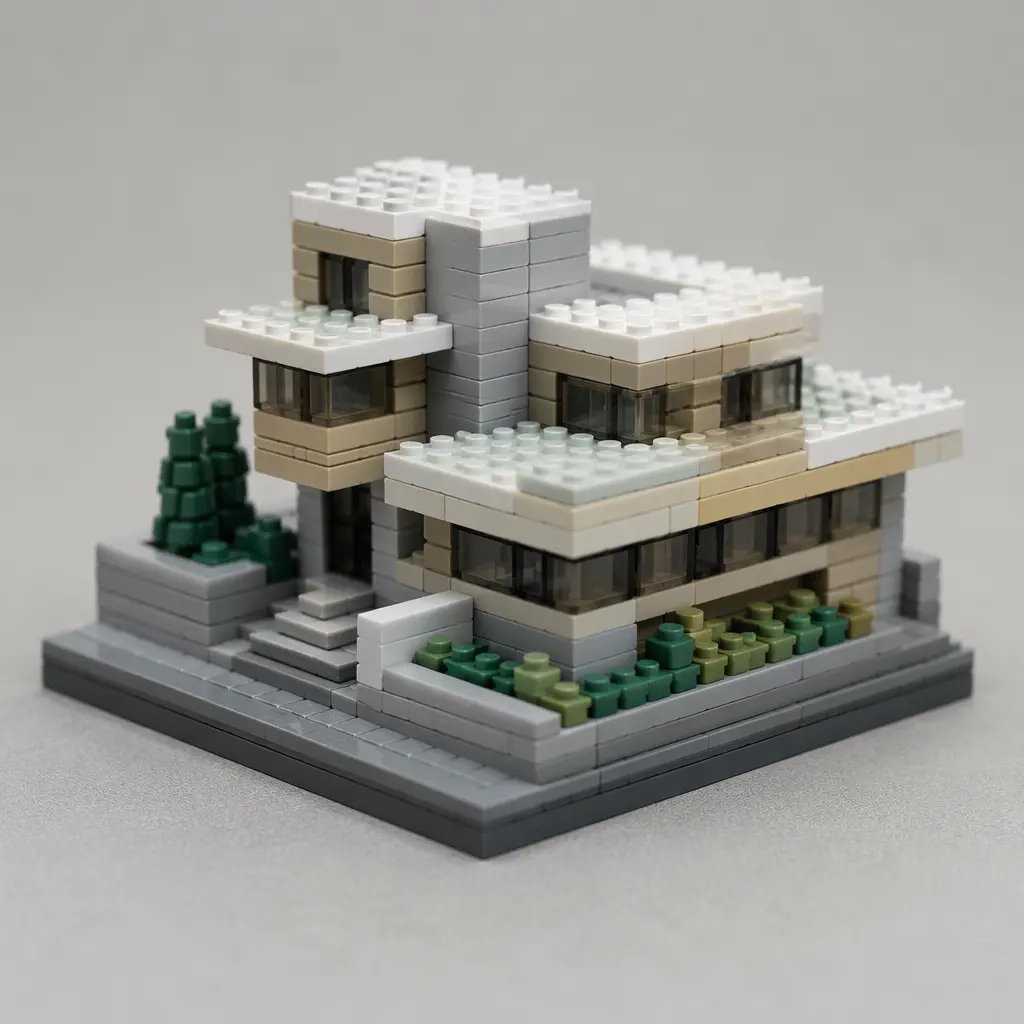
Nanoblock shrinks the classic brick down to pin‑size, trading big builds for precision. Since 2008, its micro scale has attracted patient builders who enjoy careful, desk‑friendly construction.
Compare prices and availability
Check current prices and availability for this guide on eBay.
As an eBay Partner, we may be compensated if you make a purchase.
Nanoblock looks familiar at first glance—stackable plastic bricks forming animals, landmarks, and objects—but a closer look changes the story. These bricks are dramatically smaller than standard building sets, turning construction into a careful, almost meditative exercise. The appeal isn’t about building big. It’s about building precisely.
Where it came from
Nanoblock was introduced in 2008 by Japanese company Kawada, a manufacturer with a long background in educational and puzzle toys. The original idea was simple but bold: take the universal language of interlocking bricks and shrink it to a fraction of the size.
Japan’s strong culture of compact living and desk‑friendly hobbies played a role in the concept. Nanoblock sets were designed to fit neatly on small shelves or office desks, offering a satisfying build without needing floor space. From the start, the goal was less about playroom chaos and more about focused, intentional building.
Why it works
Nanoblock’s success comes from how it changes the builder’s mindset. The tiny scale demands attention. Instructions must be followed closely, and each piece placement matters. That challenge is exactly the point.
The bricks lock together firmly despite their size, allowing surprisingly detailed results. Animals gain texture, buildings show recognisable features, and small objects feel complete rather than simplified.
- Ultra-small brick size that encourages careful, step-by-step building
- High piece counts that create detail without taking up space
- Sturdy connections that hold finished models together
- Finished builds that work as display pieces, not just toys
Who it’s for
Nanoblock is generally better suited to older children, teens, and adults. The small pieces can be frustrating for younger builders and are not ideal for anyone who struggles with fine motor control. For adults, though, the sets hit a sweet spot: engaging enough to feel rewarding, calm enough to unwind with after a busy day.
Variants and what to look for today
Over time, Nanoblock has expanded into a wide range of themes. Animals, famous buildings, vehicles, and everyday objects are all common. Some sets focus on quick builds, while others push into hundreds of pieces for a longer project.
When shopping today, pay attention to piece count and finished size rather than the picture on the box. Because everything is so small, photos can be misleading. It’s also worth being cautious with off‑brand micro bricks; connection quality varies, and poorly fitting pieces can turn a careful build into a frustrating one.
Frequently asked questions
Are Nanoblock bricks compatible with other building toys?
No. Nanoblock uses a much smaller brick size and a different connection system, so it doesn’t mix with standard bricks.
How long does a typical set take to build?
Smaller sets can be finished in under an hour, while more complex builds may take several relaxed sessions.
Is Nanoblock suitable for kids?
It’s best for older children with good patience and fine motor skills. Younger kids may find the pieces too small and fiddly.
Do finished models hold together well?
Yes. When assembled correctly, models are surprisingly sturdy, though they’re meant for display rather than rough play.
Nanoblock doesn’t try to replace traditional building toys. Instead, it offers a different kind of satisfaction—one rooted in precision, focus, and the quiet pleasure of seeing something tiny come together piece by piece.