Simple Wooden Building Toys That Grow From Baby to Toddler
A parent-friendly guide to wooden building toys with no batteries—what to look for, age fit, and types that stay useful from early play through the toddler years.
Compare prices and availability
Check current prices and availability for this guide on eBay.
As an eBay Partner, we may be compensated if you make a purchase.
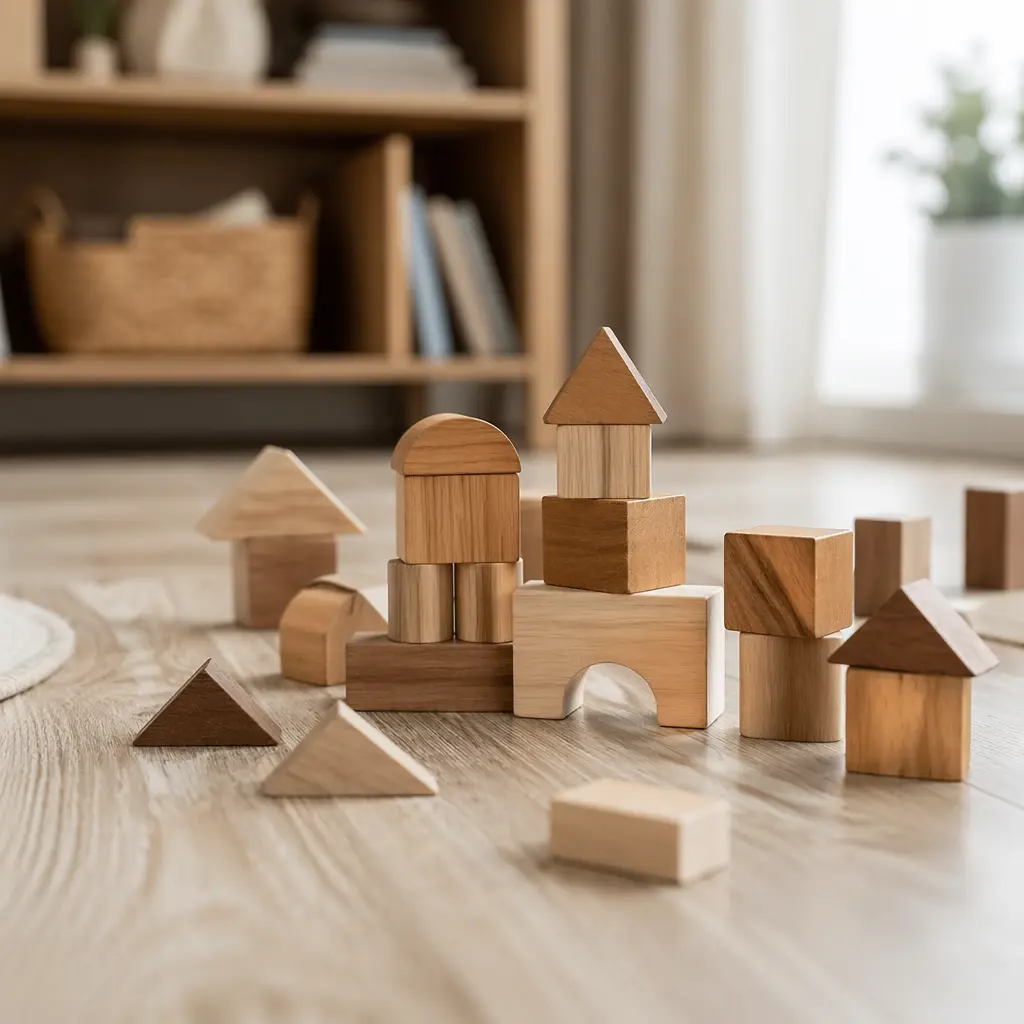
Wooden building toys are a quiet staple in early playrooms for a reason. With no batteries or screens, they invite babies to explore with their hands and senses, then continue to make sense for toddlers who want to stack, knock down, and build on purpose. The best sets are simple, sturdy, and flexible enough to grow alongside a child rather than being outgrown in a few months.
What to look for
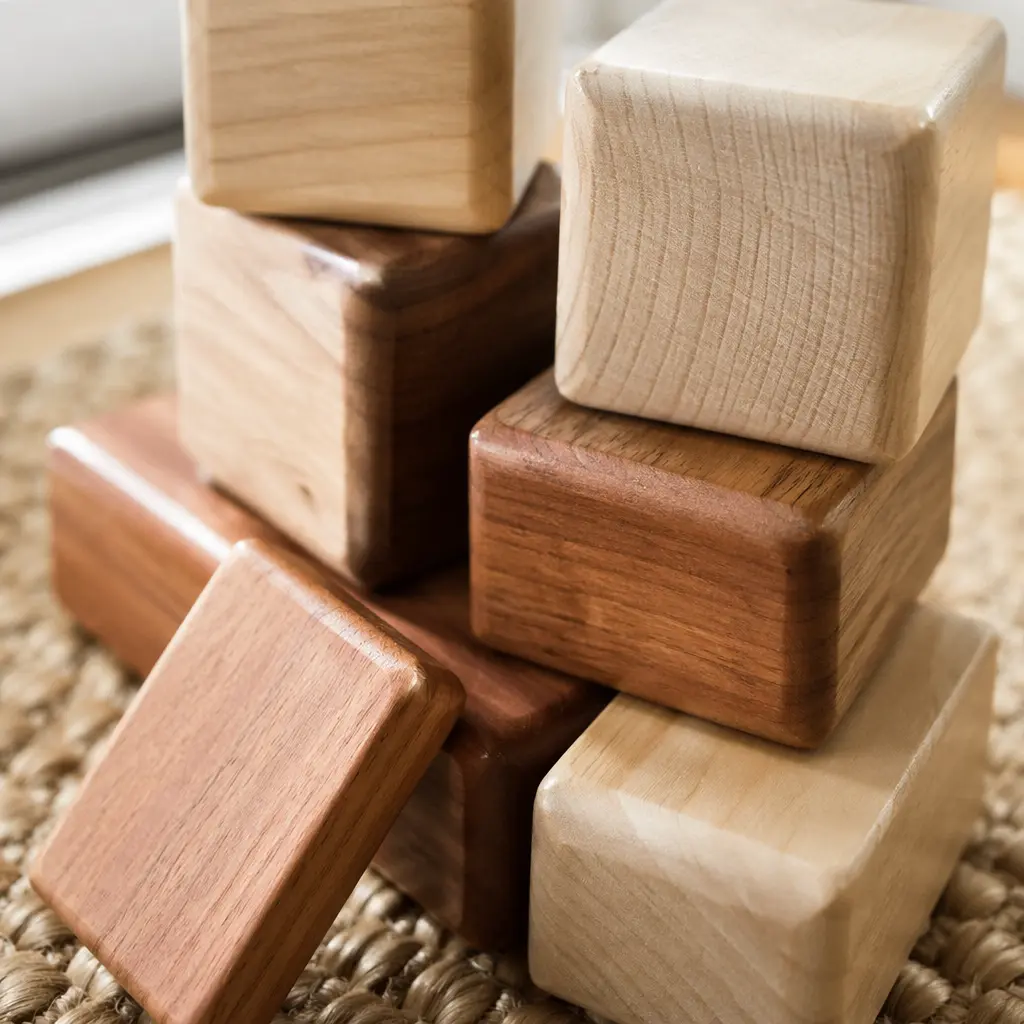
When shopping for wooden building toys for babies and young toddlers, simplicity and safety matter more than elaborate designs. A well-chosen set should support early sensory play first, then offer new challenges as coordination and imagination develop.
- Chunky, easy-to-grasp pieces that are comfortable for small hands
- Smooth edges and solid construction with no sharp corners
- Non-toxic finishes or unfinished wood suitable for mouthing
- Simple shapes that stack, nest, or connect in multiple ways
- Enough weight to feel substantial, but not so heavy they frustrate a beginner
- Open-ended design that does not dictate one “right” way to play
Age suitability
For babies under 12 months, wooden building toys are less about building and more about exploration. At this stage, babies tend to mouth, bang, and transfer objects from hand to hand. Look for large pieces that cannot be swallowed and that hold up well to drops. As children move into the toddler years, the same toys often take on new life. Stacking towers, lining pieces up, and experimenting with balance become part of everyday play. Choosing toys with a broad age range on the label can help ensure they remain useful well past the first birthday.
Standout categories or types
Not all wooden building toys are the same, even when they look simple at first glance. Some categories are especially good at bridging the gap between baby play and toddler construction.
- Basic wooden blocks: Classic cubes and rectangles encourage early grasping and later support stacking, sorting, and pretend play.
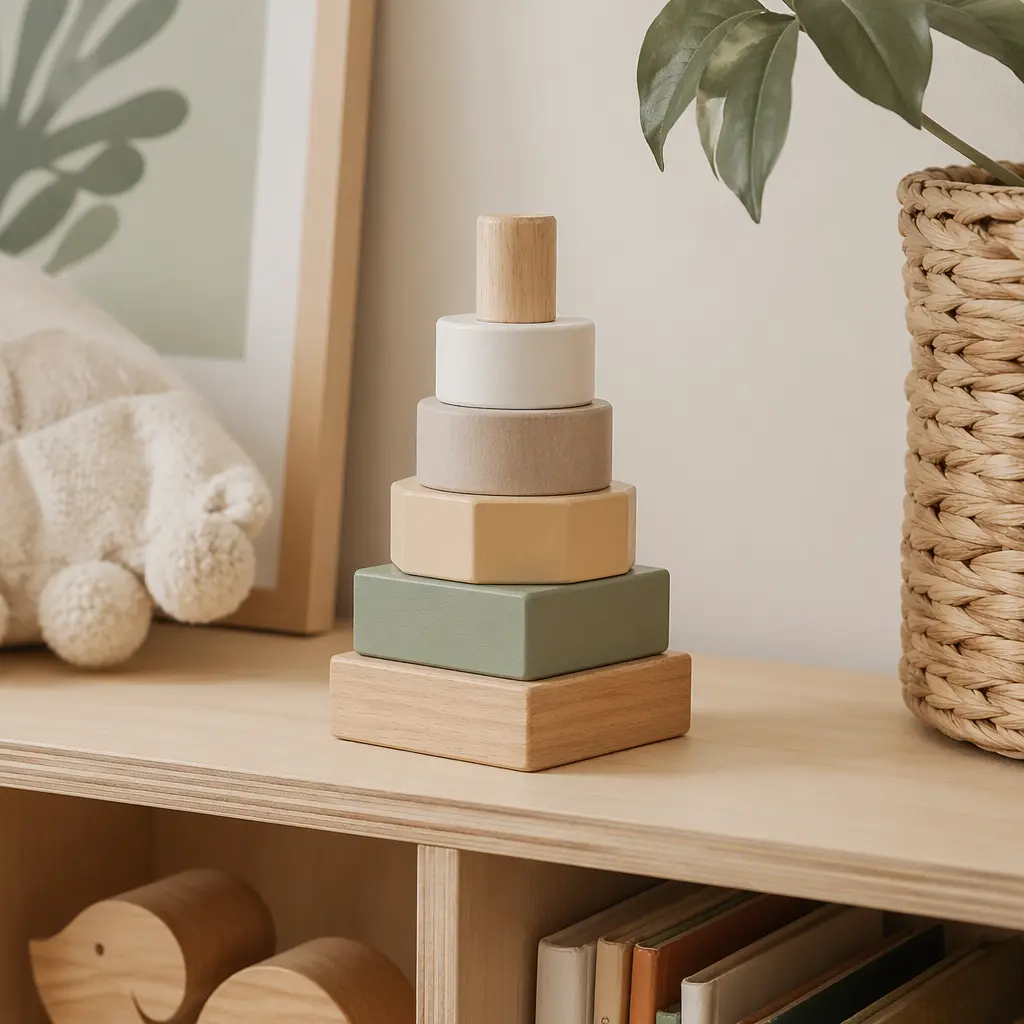
- Stacking and nesting sets: Rings, arches, or cups made from wood help babies practice hand-eye coordination and later invite problem-solving.
- Large-format builders: Oversized pieces are easier for babies to handle and remain appealing when toddlers start building bigger structures.
- Minimalist connectors: Simple pegs or grooves can add challenge for older toddlers without overwhelming younger babies.
Frequently asked questions
Are wooden building toys safe for babies who mouth everything?
Many wooden building toys are designed with mouthing in mind, using non-toxic paints or natural finishes. Parents should still check age recommendations, avoid small pieces, and inspect toys often for wear.
How many pieces are enough for a first set?
For babies, fewer pieces are often better. A small set allows focused exploration without overwhelming a young child. Additional pieces can be added later as building skills grow.
Do wooden toys really last into the toddler years?
High-quality wooden toys are known for durability. Because the play is open-ended, toddlers often find new ways to use the same pieces, from building towers to incorporating them into pretend play.
What skills do these toys support?
Early on, babies practice grasping, transferring, and sensory exploration. As children grow, wooden building toys support balance, spatial awareness, problem-solving, and creative thinking.
Simple wooden building toys can be a smart choice for parents who value longevity and calm, hands-on play. By focusing on quality materials and open-ended design, it is possible to choose toys that meet babies where they are now and continue to feel relevant as they grow into curious, capable toddlers.