Building Toys That Don’t Collapse During Real Play
A parent-focused guide to sturdy building toys for ages 6–8, highlighting materials, connections, and play styles that hold up to active, hands-on building and rebuilding.
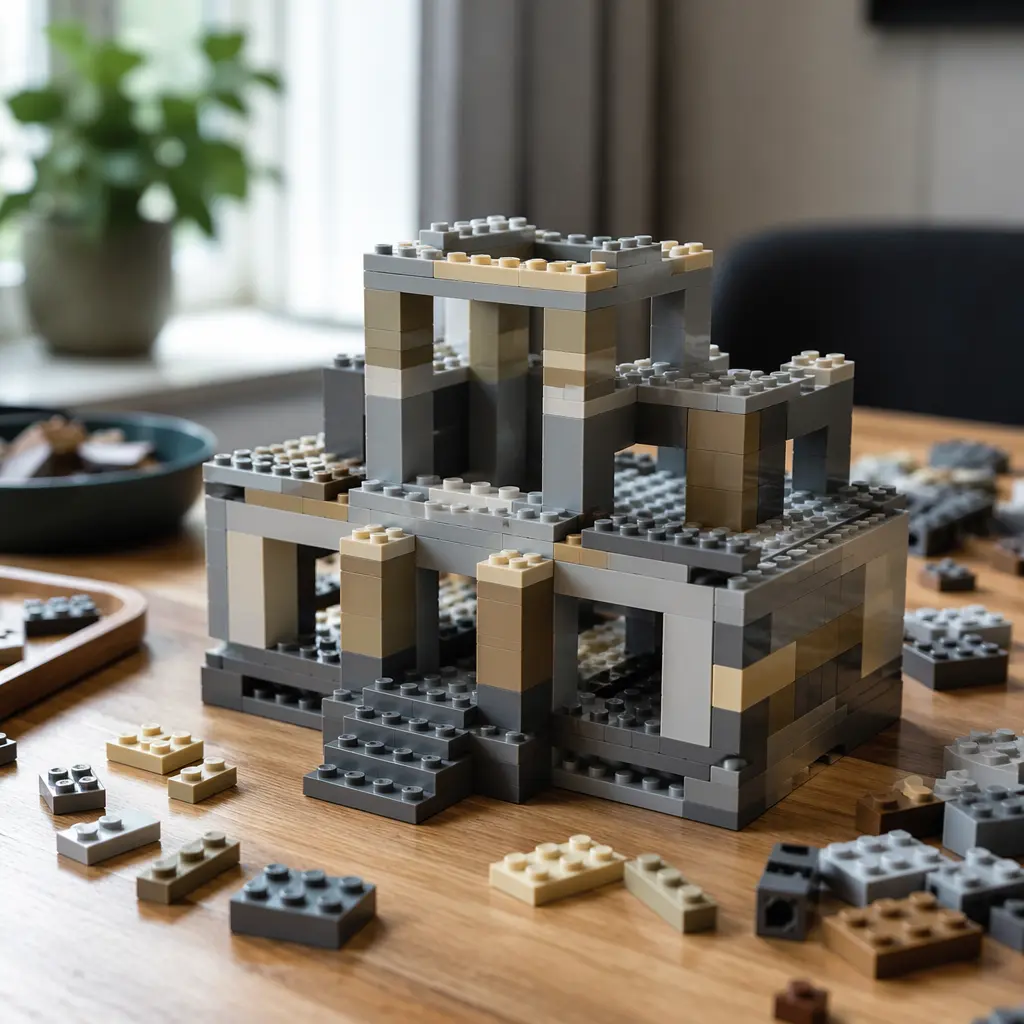
Compare prices and availability
Check current prices and availability for this guide on eBay.
As an eBay Partner, we may be compensated if you make a purchase.
Many building toys look impressive on the box but struggle once real play begins. For kids ages 6–8, building is rarely gentle or finished in one pass. Towers get bumped, bridges get tested, and creations are rebuilt again and again. Parents often want sets that support this kind of energetic, hands-on play without constant frustration from collapsing builds. The good news is that some building toys are designed with sturdiness and repeat play in mind.
What to look for
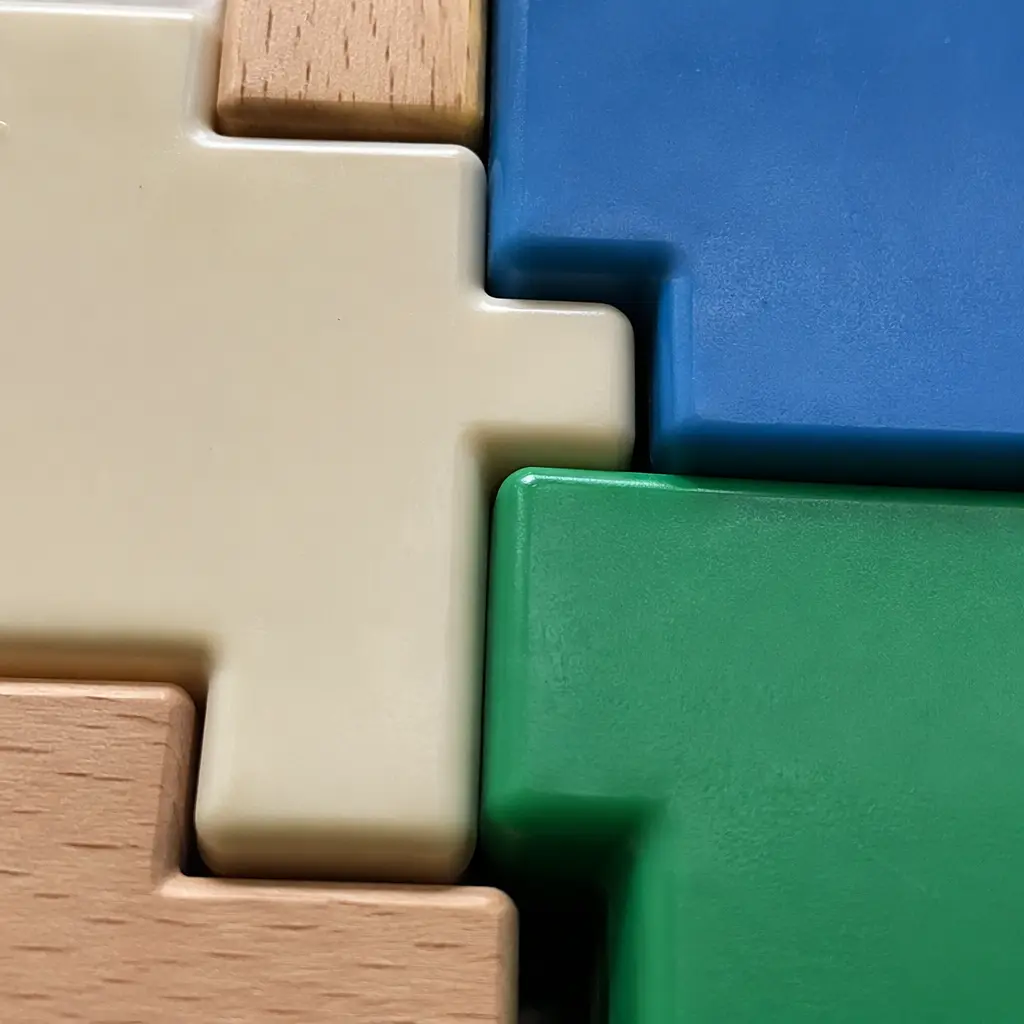
Durability in building toys usually comes down to design choices that match how kids actually play. Sets aimed at older children can still fail if connections are weak or materials are too flexible. When comparing options, focus on features that support stable builds and repeated use.
- Connection strength: Look for pieces that lock, snap, or interlock securely rather than resting loosely on top of one another.
- Piece size and weight: Slightly heavier or thicker pieces are less likely to tip or slide during play.
- Material quality: Dense plastic, finished wood, or reinforced composites tend to hold up better than thin, brittle materials.
- Tolerance for rebuilding: Sets should handle being taken apart and rebuilt many times without connections wearing out quickly.
- Clear design logic: Systems with predictable geometry help kids build stable structures without constant adult help.
Age suitability
For children ages 6–8, building toys sit at an interesting middle ground. Kids in this range want more challenge and realism than preschool sets offer, but they still benefit from forgiving designs. Overly delicate or complex systems can lead to frustration, especially during free play. Sturdier building toys give kids room to experiment, test limits, and even knock things down on purpose without feeling like they failed. This age group also tends to mix building with imaginative play, so sets that stay standing during storytelling or action play are often a better fit.
Standout categories or types
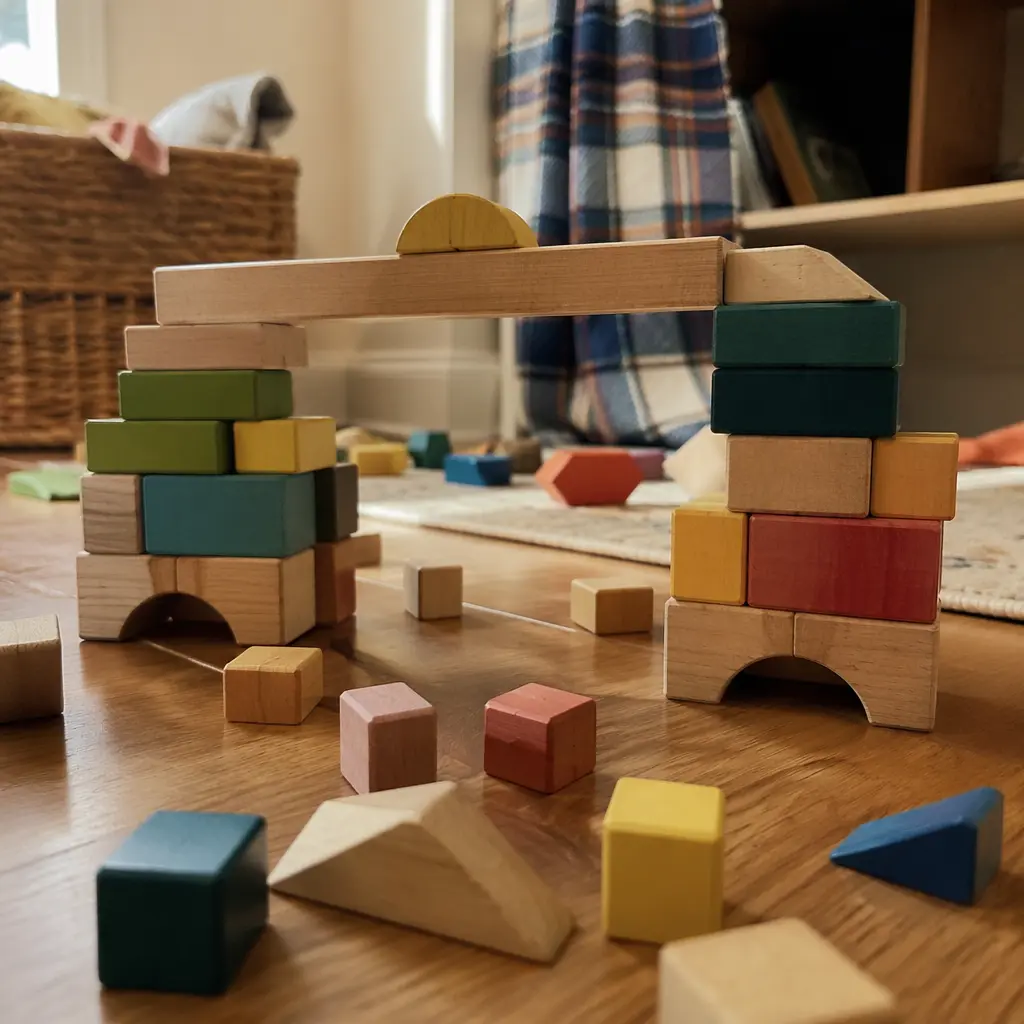
Some types of building toys are naturally better suited for active play because of how they are engineered. Interlocking block systems with deep connections tend to stay together even when structures are moved or lightly bumped. These systems often support both vertical and horizontal building, which helps kids explore balance and weight distribution.
Another strong category includes construction sets with bolts, screws, or reinforced connectors. While these may take longer to assemble, they reward patience with builds that can be picked up, carried, and reused in pretend play. Magnetic building sets designed for older kids can also work well if the magnets are strong and the panels are rigid, though they vary widely in stability. In contrast, purely stack-based sets without locking features may be better reserved for calmer play sessions.
Frequently asked questions
Why do some building toys fall apart so easily?
Many sets are designed primarily for display or guided builds rather than free play. Shallow connections, lightweight pieces, or flexible materials can all lead to instability when kids experiment or apply pressure during play.
Are sturdier building toys less creative?
Not necessarily. In fact, stable systems often encourage creativity because kids spend less time fixing collapses and more time expanding ideas. When structures stay standing, children are more likely to add details, stories, and variations.
Do heavier pieces mean better quality?
Weight alone is not a guarantee, but it can help. Heavier pieces often provide better balance and resistance to tipping. The overall design of the connection system matters just as much as the material weight.
Can these sets support STEM learning?
Yes. Sturdy building toys naturally support concepts like structural stability, symmetry, and cause and effect. Because kids can test and modify their builds repeatedly, these sets align well with hands-on STEM learning.
Choosing building toys that can handle real play often leads to longer-lasting interest and fewer frustrations for both kids and parents. By focusing on strong connections, durable materials, and age-appropriate design, families can find sets that support creativity, experimentation, and active fun without constant rebuilds.