Are Fabric Dolls Safe for Babies? A Parent Guide
Fabric dolls can be a gentle first toy for babies. Learn which materials, stitching details, and care practices matter most for safety from birth to 12 months.
Compare prices and availability
Check current prices and availability for this guide on eBay.
As an eBay Partner, we may be compensated if you make a purchase.
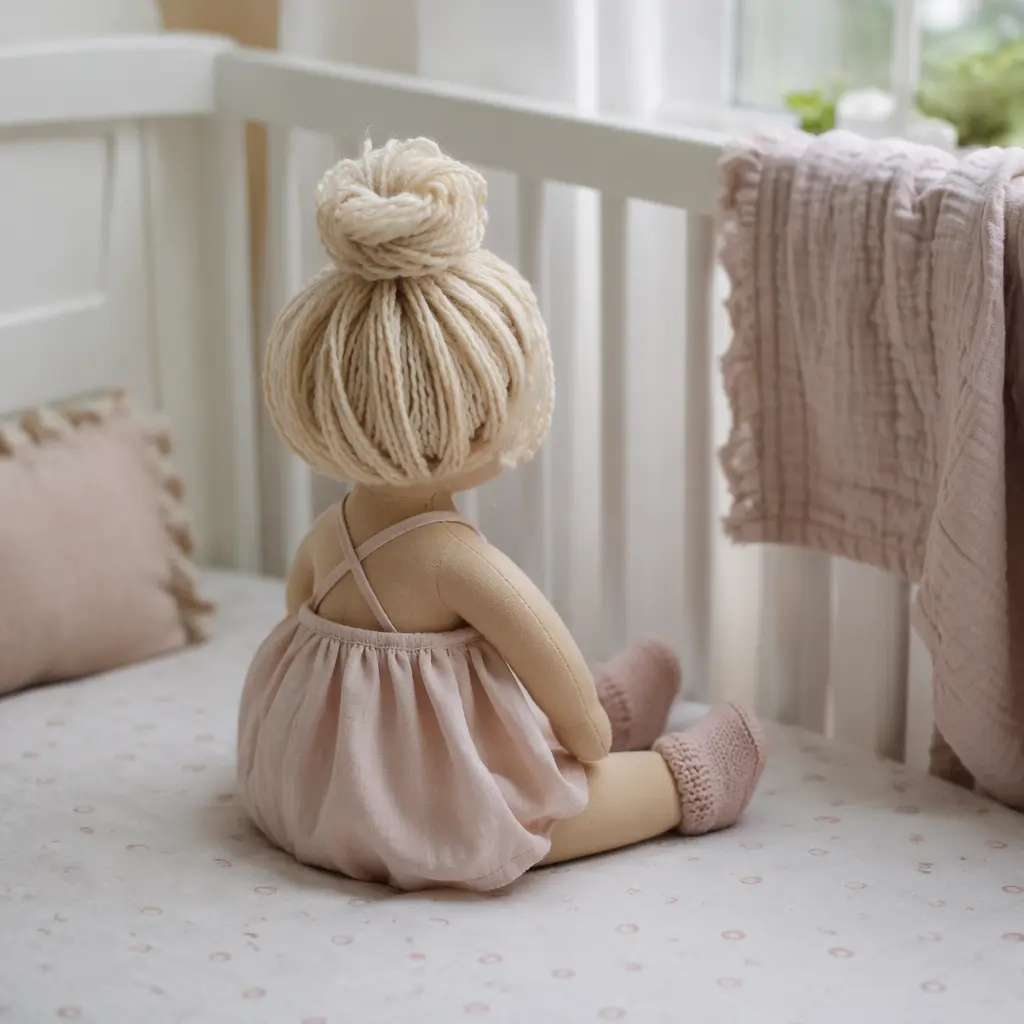
Fabric dolls are often marketed as a baby’s first doll because they feel soft, lightweight, and comforting. For parents of infants, safety is the top concern. The good news is that fabric dolls can be appropriate from birth when they are designed with infant safety standards in mind. The key is knowing which details matter most before one ever reaches a crib or play mat.
What to look for
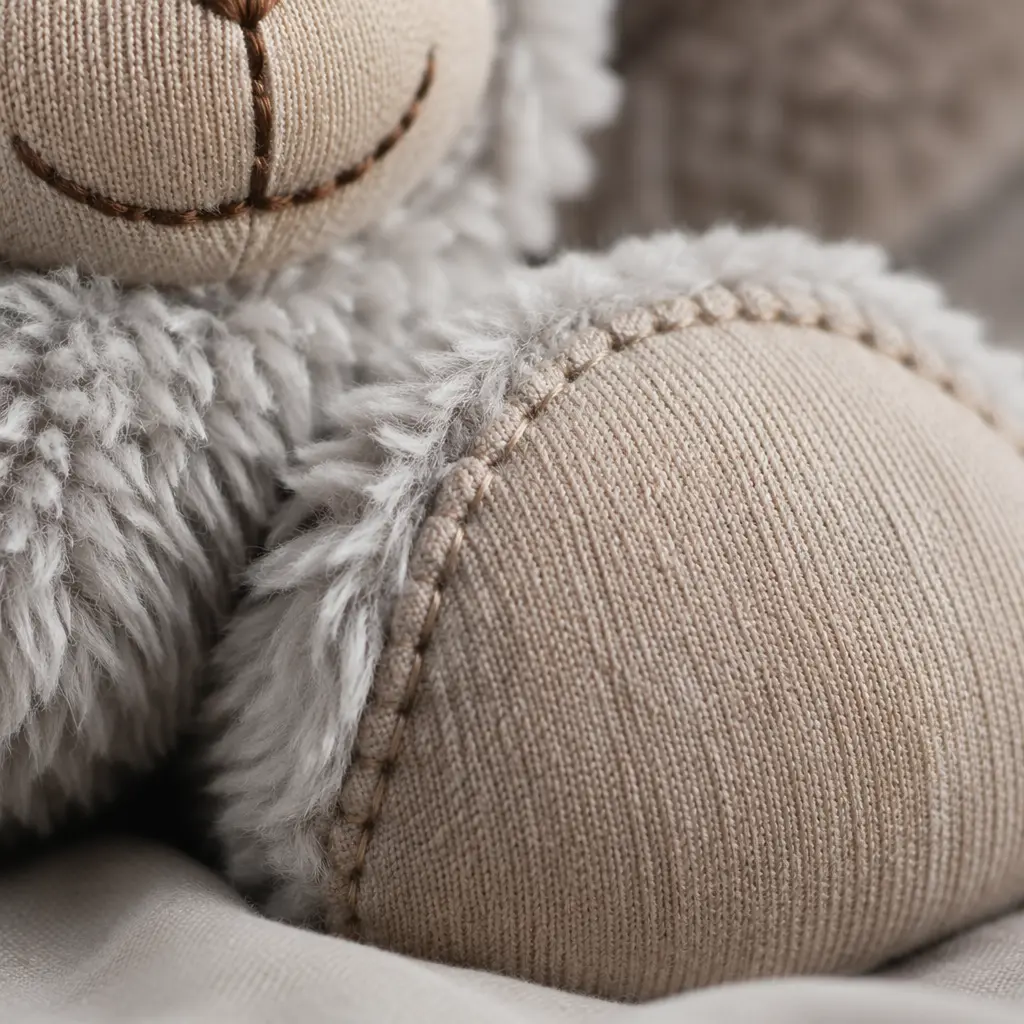
Not all fabric dolls are made the same. When shopping for a baby-safe option, focus on construction and materials rather than appearance alone. Babies explore with their mouths and hands, so every seam and surface should be designed to withstand tugging, chewing, and frequent washing.
- Materials labeled as non-toxic and suitable for infants, such as organic cotton or other baby-safe fabrics
- Simple designs without hard parts, buttons, beads, or glued-on decorations
- Tightly stitched seams that do not gap when gently pulled
- Embroidered or fabric-applied features instead of plastic eyes or noses
- Clear labeling that indicates compliance with infant toy safety standards
Age suitability
For babies aged 0–12 months, age labeling is especially important. Dolls marked as safe from birth are tested for choking hazards, durability, and chemical safety. Newborns and young infants benefit most from lightweight dolls with minimal features. As babies approach the later months of the first year, they may grip, shake, and mouth toys more forcefully, making strong stitching and durable fabrics even more critical.
Standout categories or types
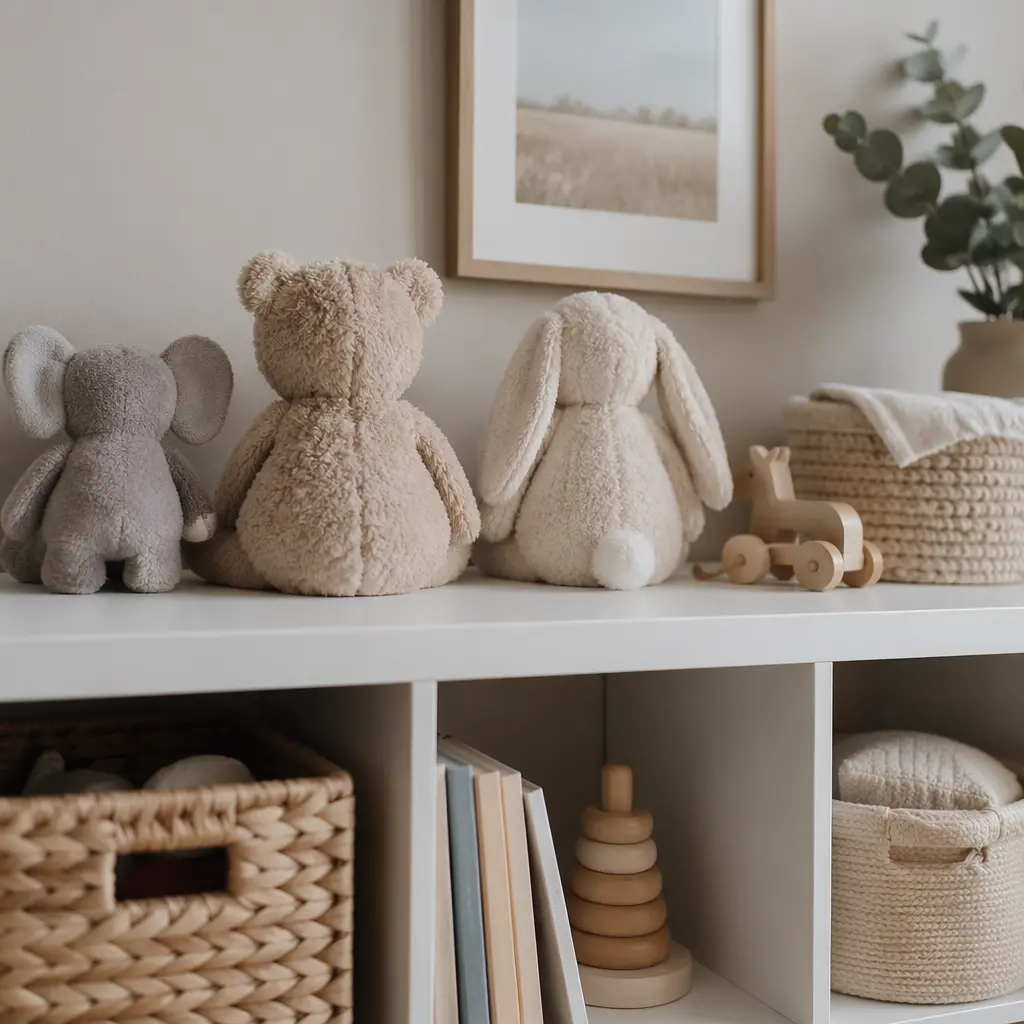
Fabric dolls for babies generally fall into a few broad categories. Understanding these can help parents choose a doll that fits their baby’s developmental stage and home routines.
- Soft cuddle dolls: Very lightweight and flexible, designed mainly for holding and tactile comfort
- Flat or comfort-style dolls: Often partially blanket-like, with minimal stuffing to reduce bulk
- Waldorf-inspired fabric dolls: Typically made from natural fibers with simple, understated features
- Machine-washable dolls: Designed for frequent cleaning, which is especially helpful during the first year
Across all types, simplicity is usually a strength. Fewer added features mean fewer potential safety concerns and easier care over time.
Frequently asked questions
Are fabric dolls safer than plastic dolls for babies?
Fabric dolls are often considered safer for infants because they lack hard edges and rigid parts. However, safety depends more on construction than material alone. A well-made plastic toy designed for infants can be safe, while a poorly made fabric doll can pose risks.
Can babies sleep with fabric dolls?
Pediatric sleep guidelines recommend keeping cribs free of toys, pillows, and loose items for babies under 12 months. Fabric dolls are best reserved for supervised play and comfort outside of sleep time.
How often should fabric dolls be washed?
During the first year, frequent washing is common due to drooling and mouthing. Follow the care label closely, and choose dolls that can handle regular machine washing without losing shape or stitching strength.
What should I check as a doll ages?
Over time, inspect seams, embroidery, and fabric wear. If stuffing begins to come out or seams loosen, it’s best to remove the doll from use until it can be repaired or replaced.
Fabric dolls can be a safe and soothing choice for babies when parents pay attention to materials, construction, and age labeling. By choosing simple designs, inspecting dolls regularly, and using them appropriately during supervised play, families can introduce a gentle first doll that supports comfort and early sensory exploration.