Classic Doll Sets That Encourage Caregiving Play
Explore classic doll sets for toddlers ages 1–2 that support nurturing, pretend play, and early social skills without lights, sounds, or complicated electronics.
Compare prices and availability
Check current prices and availability for this guide on eBay.
As an eBay Partner, we may be compensated if you make a purchase.
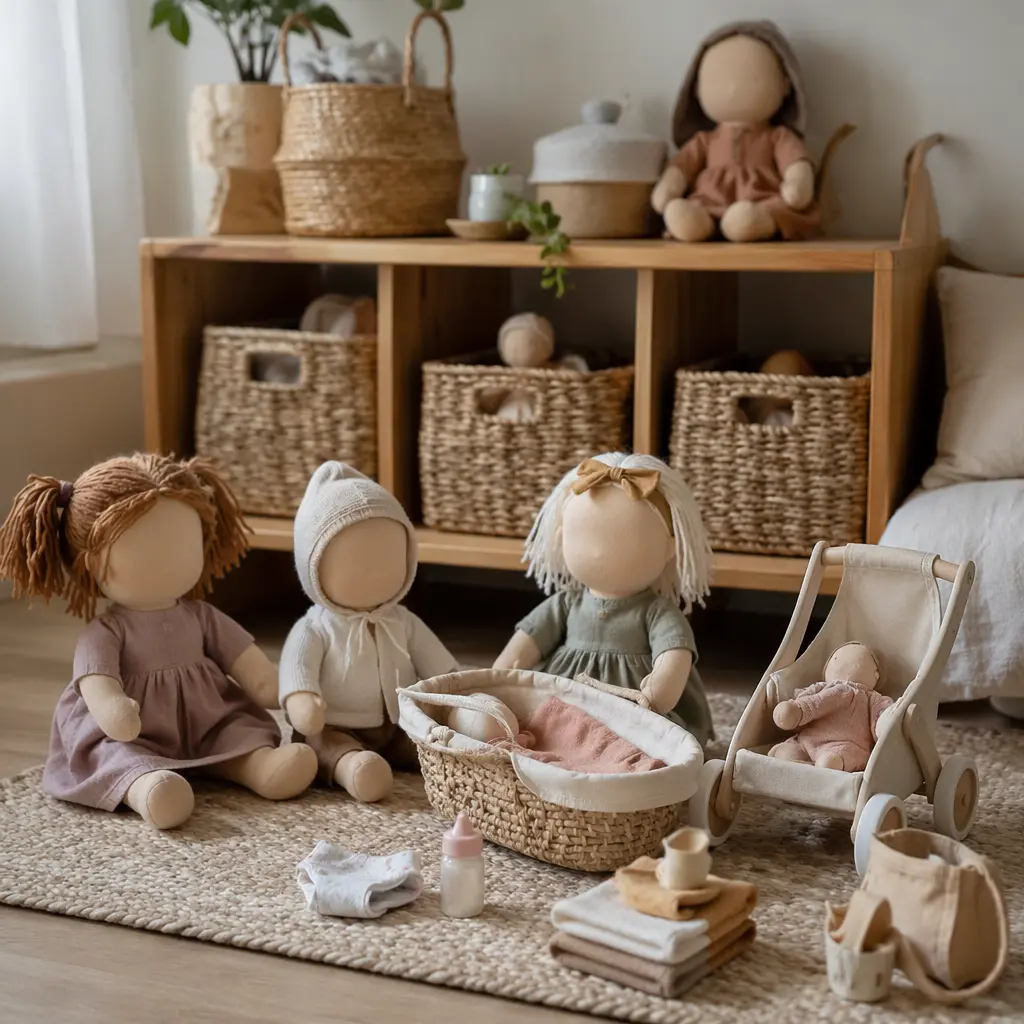
Classic doll sets remain a popular choice for toddlers because they encourage open-ended pretend play without relying on screens, flashing lights, or complicated features. For children ages 1–2, simple dolls can help build early social and emotional skills through routines like feeding, rocking, dressing, and putting a doll to sleep. Many parents also appreciate that traditional doll toys tend to be quieter, easier to use independently, and durable enough for everyday play. The best options for this age group focus on soft materials, simple accessories, and easy handling rather than detailed styling or electronic functions.
What to look for
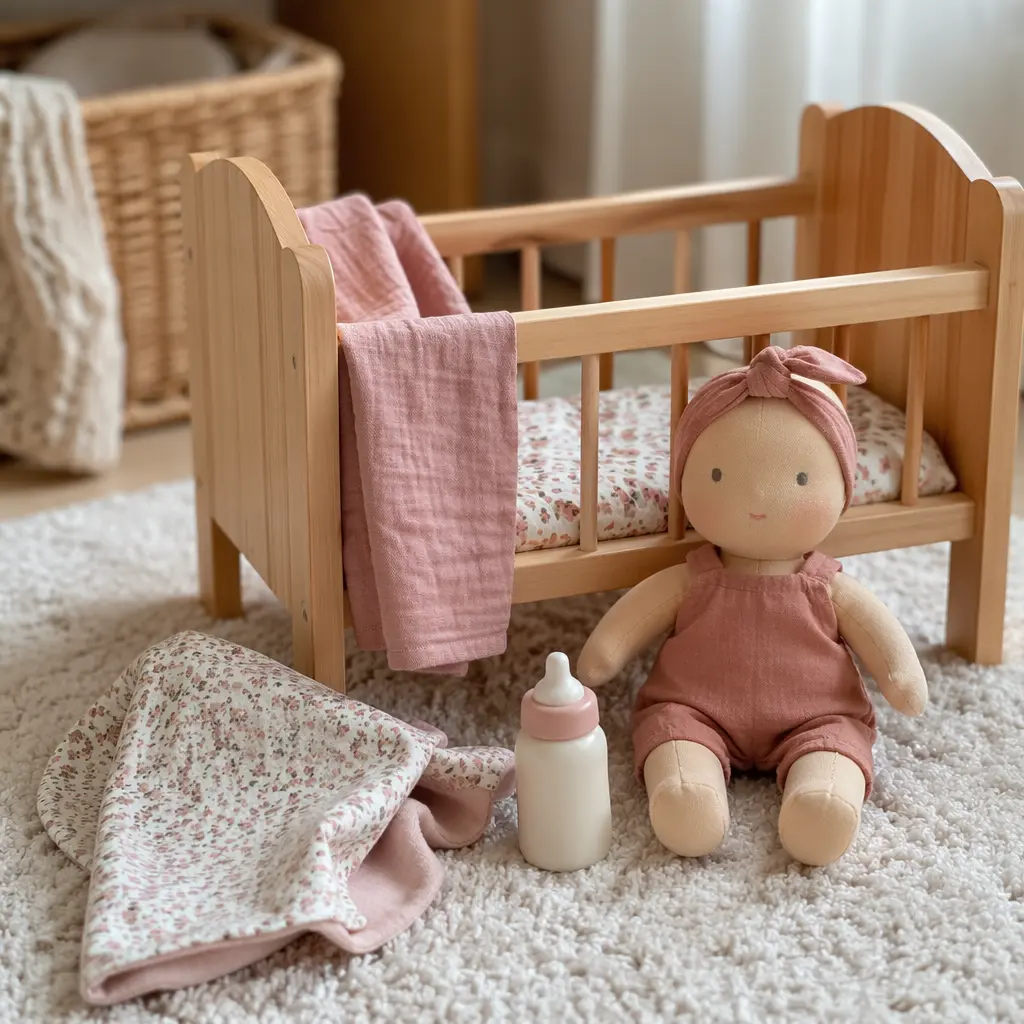
When shopping for a doll set for toddlers, simplicity usually works best. Children in the 1–2 age range are still developing coordination, language, and imaginative play skills, so toys should be easy to hold, safe to mouth, and sturdy enough for repeated use. Soft-bodied dolls with embroidered features are often a good fit because they feel comforting and avoid hard edges or small detachable pieces. Accessories can add variety to play, but fewer well-made pieces are often more practical than large sets with tiny parts.
- Choose dolls with soft bodies and lightweight construction that toddlers can carry comfortably.
- Look for embroidered or printed facial features instead of removable plastic parts.
- Check that clothing fasteners are simple and securely attached.
- Prioritize washable fabrics or wipe-clean materials for easier maintenance.
- Avoid small accessories that could create choking hazards for younger toddlers.
- Simple caregiving accessories like blankets, bottles, or beds can encourage pretend routines without overwhelming playtime.
- Wood, fabric, and BPA-free plastic materials are common options for this age group.
Age suitability
For children between 12 and 24 months, doll play is usually centered on imitation. Toddlers often copy caregiving behaviors they see at home, such as hugging, feeding, rocking, or tucking in a doll. At this stage, realistic details matter less than comfort and ease of interaction. Smaller dolls that fit naturally into toddler-sized arms are often easier to manage than large or heavily accessorized versions. Parents may also notice that toddlers prefer repeating simple routines over creating long pretend stories, which makes straightforward doll sets especially useful during this stage of development.
Standout categories or types
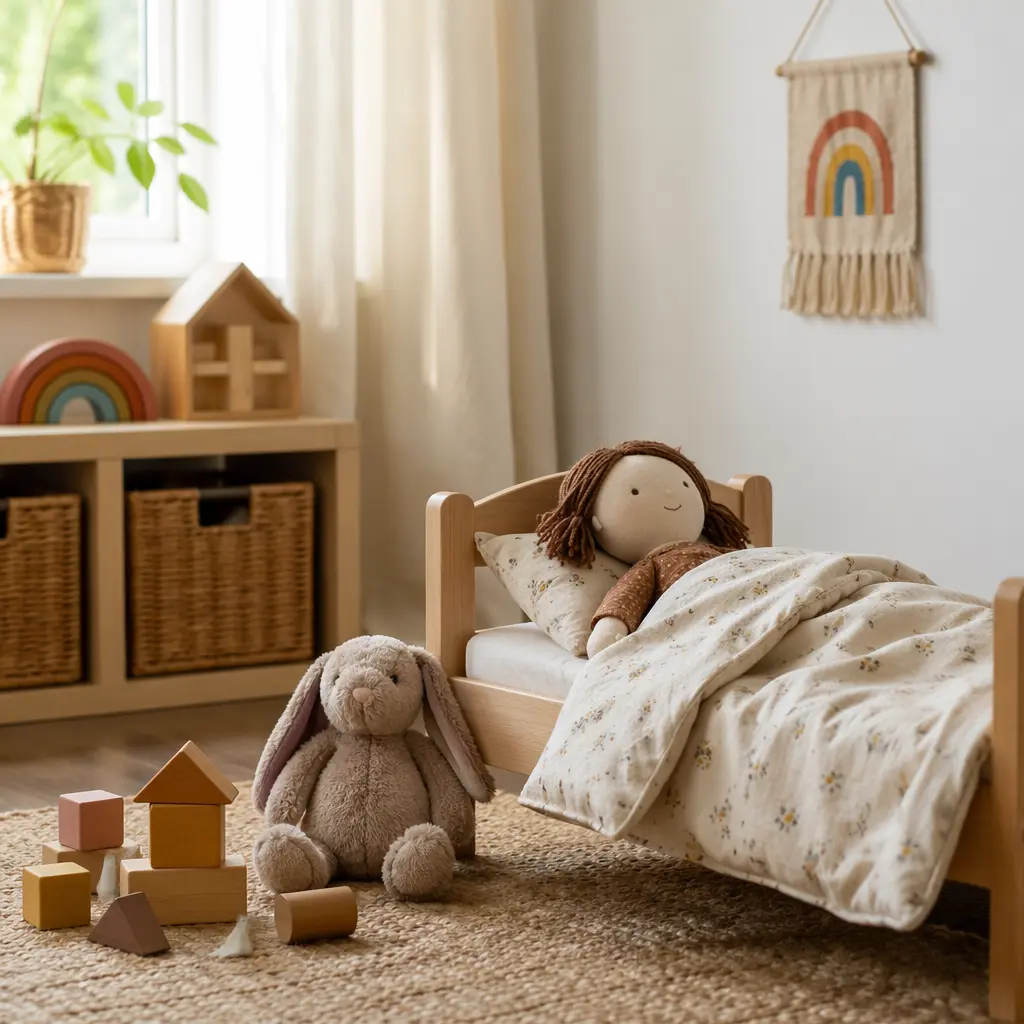
Soft cloth dolls are among the most common choices for toddlers because they are lightweight, cuddly, and easy to carry around the house. Many feature stitched details, soft yarn hair, and removable outfits with simple closures. These dolls are often designed specifically for younger children and may be machine washable, which can be useful for everyday use.
Baby-style dolls are another popular category for caregiving play. These dolls often come with feeding bottles, blankets, or toy beds that support routines toddlers already recognize from daily life. Some parents prefer dolls with neutral expressions and simple designs because they encourage more open-ended imagination. Wooden doll accessories, fabric strollers, and compact nursery playsets can also extend play without introducing electronics or loud sounds.
- Soft cloth dolls for cuddling and carrying
- Baby dolls with simple caregiving accessories
- Lightweight dolls with easy-to-remove clothing
- Minimalist wooden doll furniture for pretend routines
- Washable dolls designed for everyday toddler play
Frequently asked questions
Are electronic dolls necessary for toddlers?
Electronic features are not necessary for most toddlers. Simple dolls often encourage more flexible pretend play because children create their own routines and interactions rather than responding to preset sounds or buttons.
What size doll works best for ages 1–2?
Smaller lightweight dolls are usually easier for toddlers to hold, carry, and tuck into pretend beds or strollers. Oversized dolls can sometimes be difficult for younger children to manage comfortably.
How many accessories should a toddler doll set include?
A few durable accessories are often enough for this age group. Toddlers typically enjoy repeating simple caregiving actions, so a blanket, bottle, or small bed may provide plenty of play value without creating clutter.
Are fabric dolls easier to maintain than plastic dolls?
Many fabric dolls are machine washable or surface washable, which can make cleanup easier after regular toddler play. Plastic dolls may wipe clean more quickly, but they can feel heavier or less cuddly for younger children.
Can doll play support early development?
Pretend caregiving play can support communication, emotional expression, and routine-based learning. Toddlers often practice everyday actions and simple social interactions while caring for dolls during independent or shared play.
Classic doll sets continue to appeal to families looking for simple, screen-free toys that encourage nurturing and imaginative routines. For toddlers ages 1–2, the best choices usually focus on soft materials, safe construction, and uncomplicated accessories that match early developmental stages. A thoughtfully chosen doll set can become part of daily pretend play while remaining easy to store, clean, and use over time.