Simple Doll Sets That Encourage Empathy Through Everyday Care
A parent-focused guide to non-electronic doll sets for ages 1–2, explaining what features support nurturing play, age fit, and safe use while building early empathy.
Compare prices and availability
Check current prices and availability for this guide on eBay.
As an eBay Partner, we may be compensated if you make a purchase.
For toddlers ages 1–2, play is often about copying everyday life. Simple doll sets—especially those without electronics—can support this stage by inviting gentle caregiving routines like holding, feeding, and comforting. These actions help toddlers begin to recognize emotions, practice empathy, and explore social roles in a way that feels familiar and safe.
What to look for
At this age, the best doll sets are intentionally simple. Toddlers benefit from toys that are easy to understand, safe to handle, and open-ended enough to grow with their skills. Features that support everyday care play can make a meaningful difference.
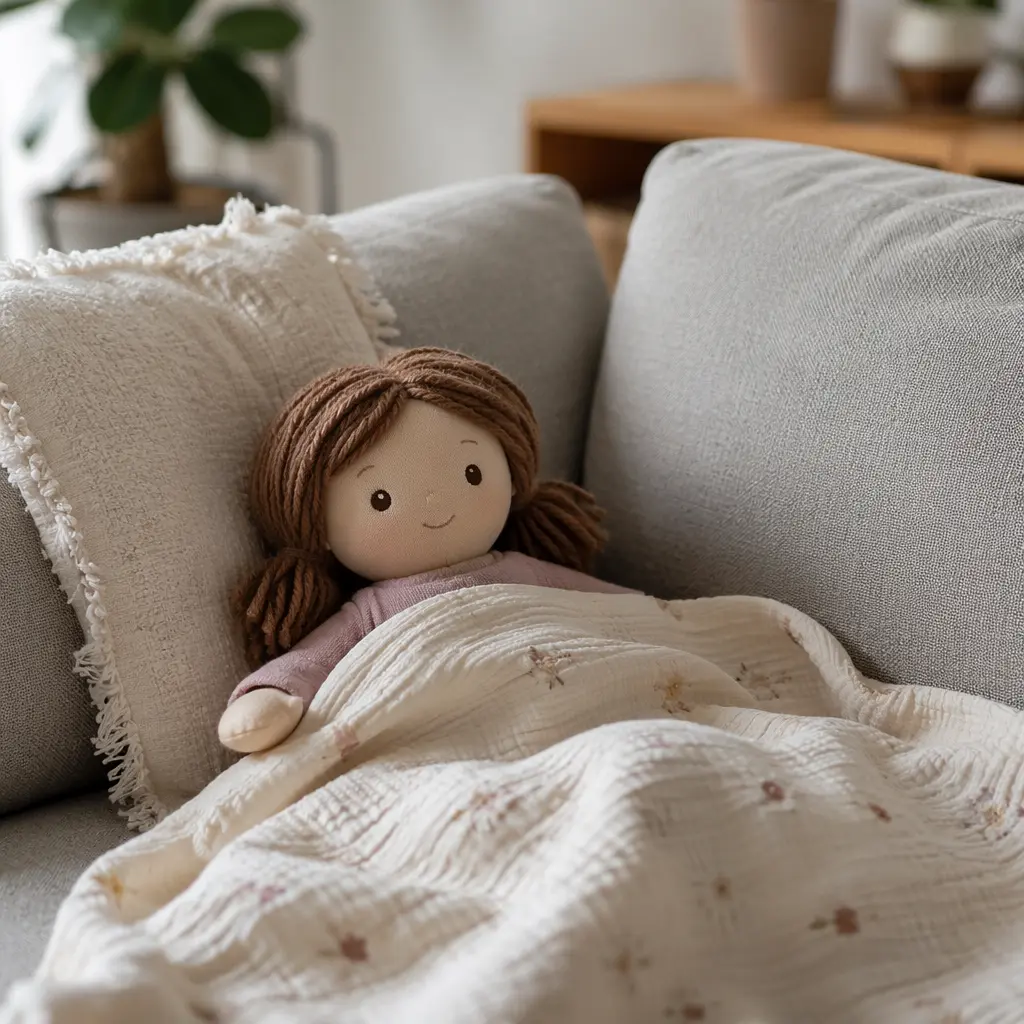
- Soft, lightweight materials that are easy to carry and cuddle
- Simple facial features that suggest emotion without being overwhelming
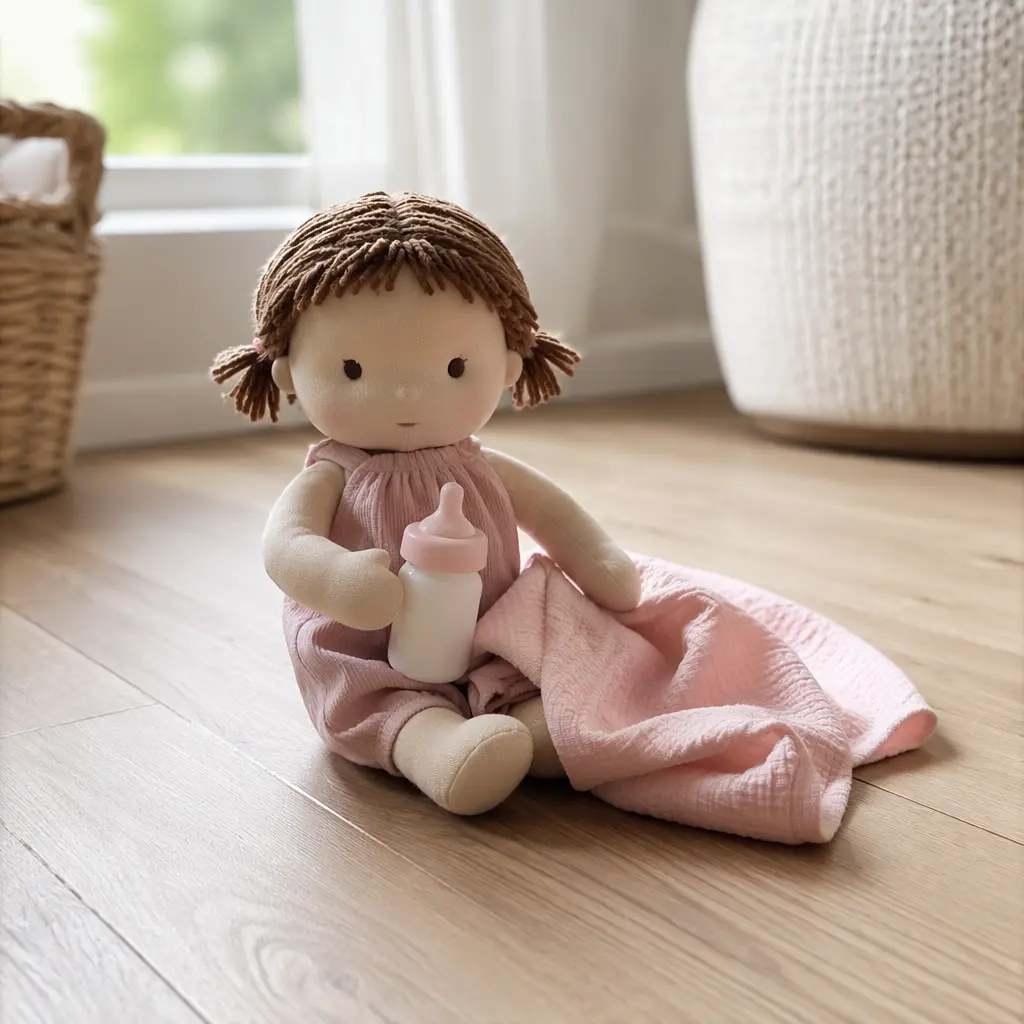
- Basic care accessories, such as a blanket, bottle, or removable clothing
- No batteries or sound effects, allowing the child to lead the play
- Washable or wipe-clean construction for everyday messes
- Sturdy stitching and securely attached parts sized for toddlers
Age suitability
For children between 1 and 2 years old, doll play is mostly about imitation rather than storytelling. Toddlers may hug a doll, pat its back, or bring it along during routines they see adults do every day. Dolls designed for this age range are typically larger, softer, and less detailed than those for older children, making them easier to grasp and less fragile. Simplicity also reduces frustration, helping toddlers focus on the nurturing action instead of figuring out complicated features.
Standout categories or types
Within the broad category of simple doll sets, a few types stand out for supporting empathy and everyday care. Each offers slightly different benefits depending on a toddler’s interests and developmental stage.
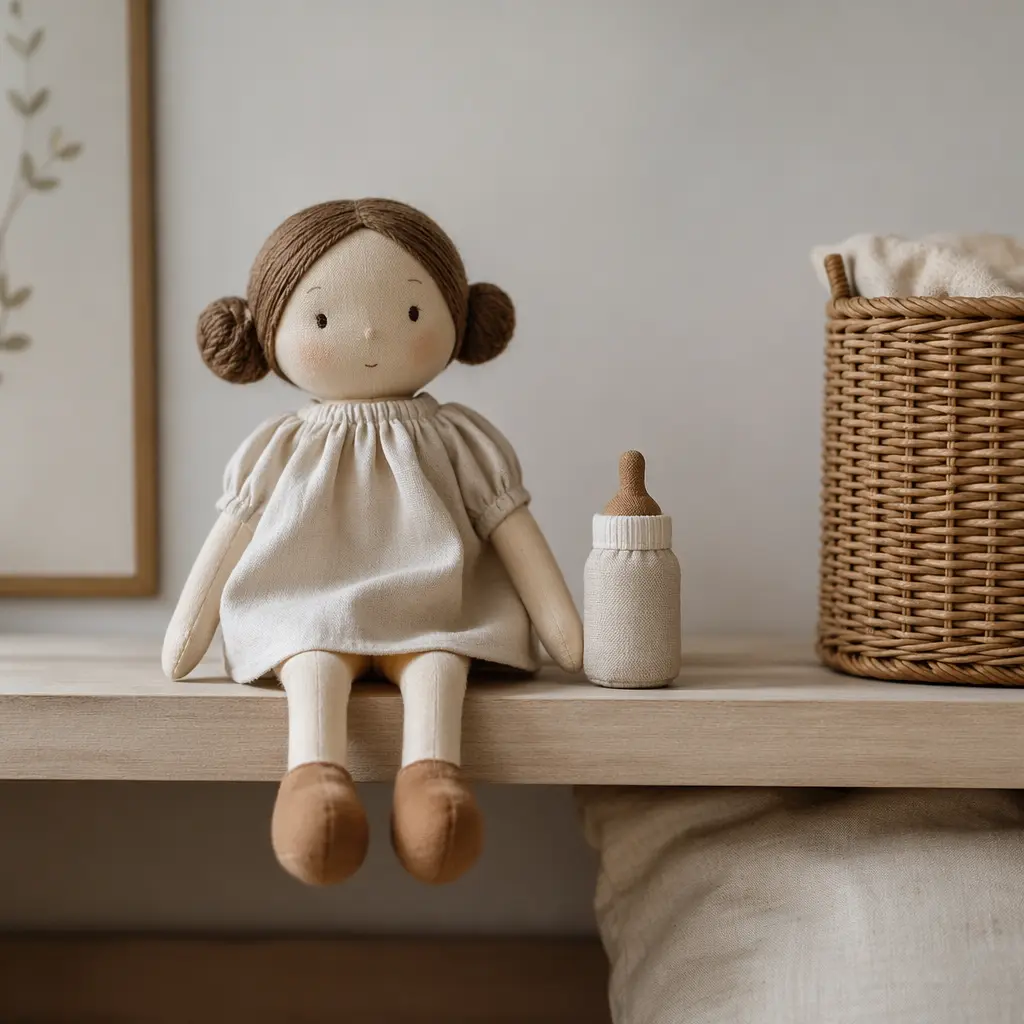
- Soft cloth baby dolls: Often made from fabric or plush materials, these dolls are lightweight and comforting, making them ideal for cuddling and pretend soothing.
- Minimalist plastic dolls: Typically molded in one piece or with very few moving parts, these are durable and easy to clean while still supporting basic care routines.
- Doll-and-accessory sets: Small bundles that include items like a blanket or feeding accessory can prompt toddlers to copy caregiving steps they observe at home.
- Inclusive, neutral designs: Simple dolls without strong gender or character cues allow children to project their own experiences and feelings onto the play.
Frequently asked questions
Why choose non-electronic dolls for toddlers?
Non-electronic dolls let toddlers control the play entirely. Without lights or sounds directing attention, children can focus on physical interaction and emotional cues, which supports imagination and empathy development.
Can doll play really support emotional growth at this age?
Yes. When toddlers practice comforting or feeding a doll, they are experimenting with recognizing needs and responses. These early experiences can help build awareness of others’ feelings over time.
What materials are best for 1–2 year olds?
Soft fabrics and smooth, durable plastics are common choices. Look for materials labeled as safe for toddlers and designed to handle frequent handling and cleaning.
How many accessories are appropriate?
Fewer is often better. One or two simple accessories can inspire caregiving play without overwhelming a toddler or creating extra safety concerns.
Simple doll sets that focus on everyday care can be a thoughtful addition to a toddler’s toy collection. By keeping features minimal and age-appropriate, these dolls encourage nurturing behaviors, emotional awareness, and calm, open-ended play that fits naturally into daily routines.