Best Doll Sets for Pretend Care Routines
A parent-focused guide to doll sets that encourage nurturing, open-ended play for ages 3–5—without electronics or scripted prompts. Learn what features matter, age fit, and common questions.
Compare prices and availability
Check current prices and availability for this guide on eBay.
As an eBay Partner, we may be compensated if you make a purchase.
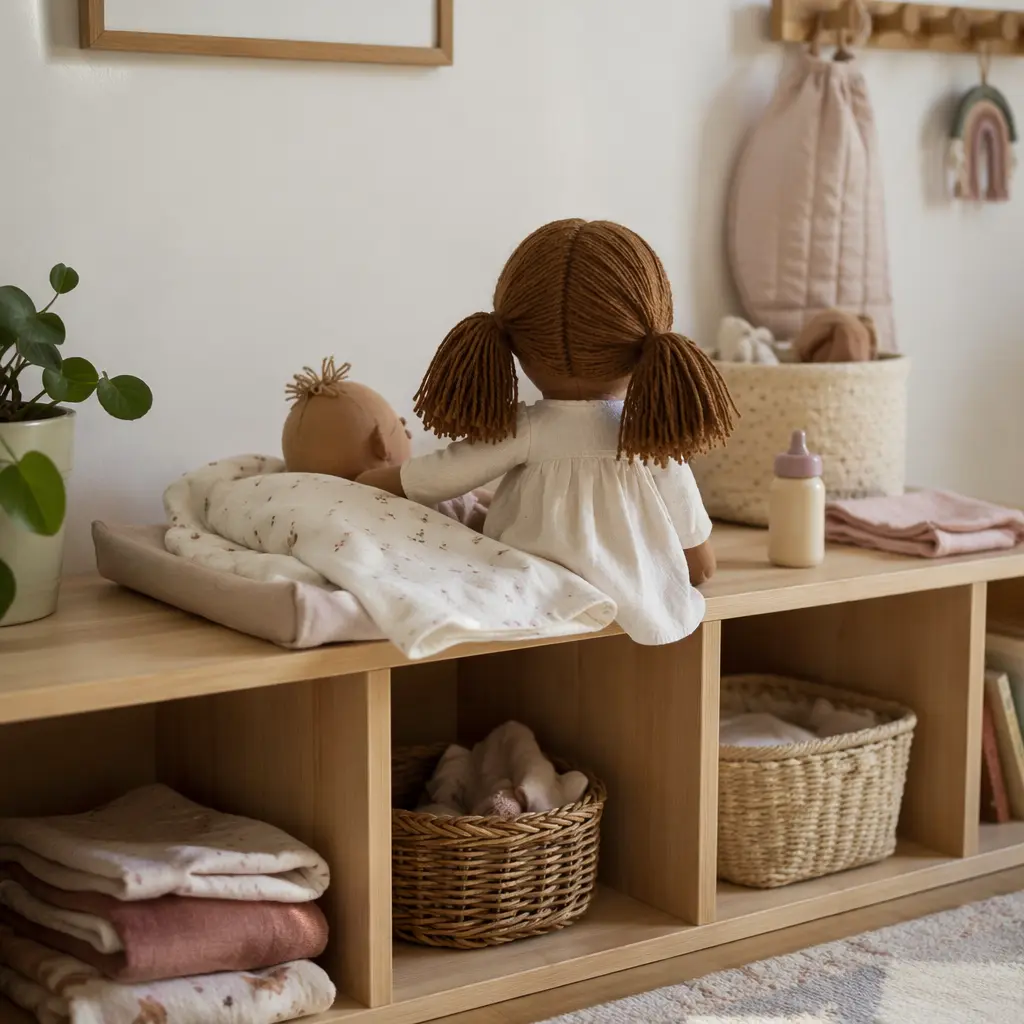
Doll sets built around pretend care routines help young children practice empathy, responsibility, and everyday problem-solving. For ages 3–5, the best options keep play open-ended—no batteries, no scripts, and no built-in “right way” to play. This guide explains which features support nurturing play, how to match a set to your child’s age, and what to expect from different types of doll care kits.
What to look for
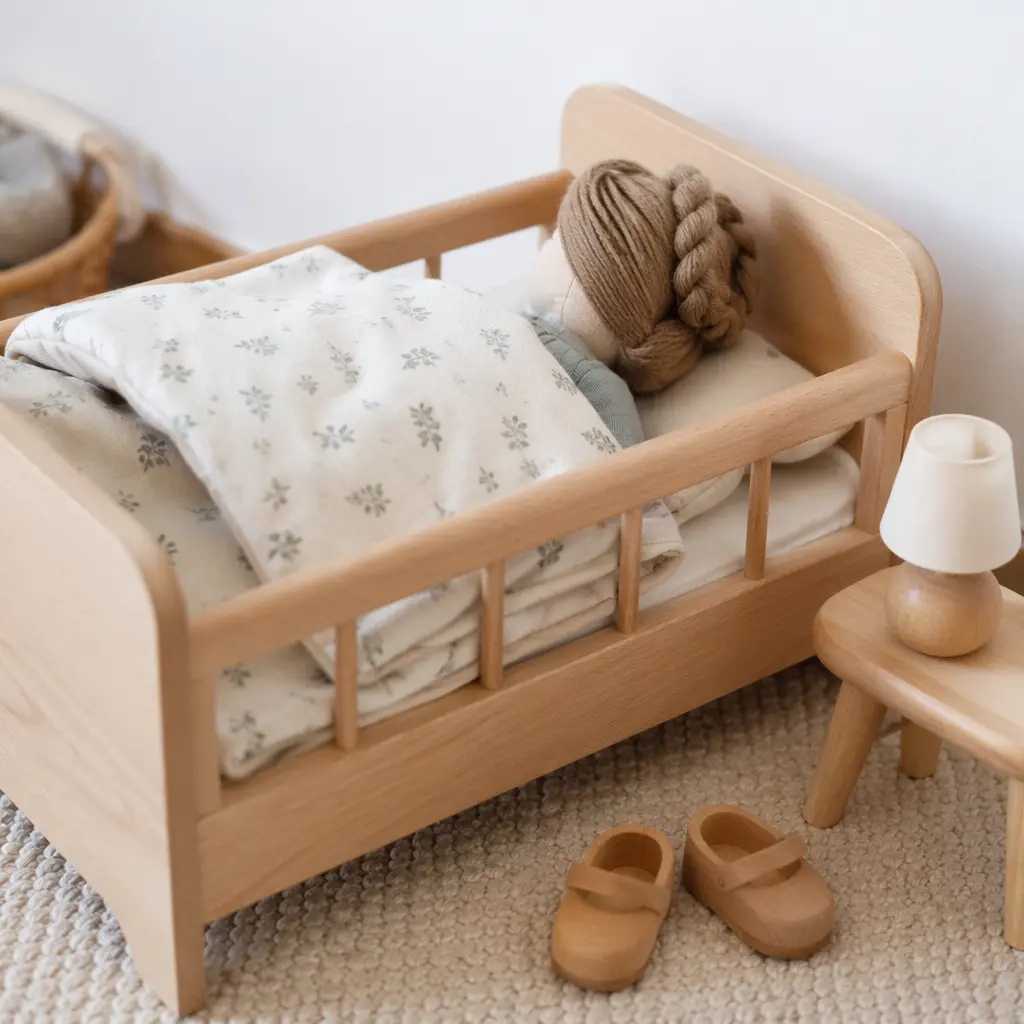
When choosing a doll set for pretend care, focus on materials and design that invite imagination rather than directing it. The goal is to let children create their own routines—feeding, comforting, dressing, and putting a doll to sleep—using familiar actions from daily life.
- Non-electronic design: No sounds, lights, or pre-recorded phrases means children supply the story and language themselves.
- Soft, durable materials: Cloth or soft-bodied dolls are easier for small hands to manage and safer for everyday play.
- Simple accessories: Bottles, blankets, diapers, or clothing should be sturdy and easy to use without complicated fasteners.
- Neutral expressions: Dolls with calm, minimal facial features encourage a wider range of emotions during play.
- Washable parts: Machine-washable dolls or removable clothing help with long-term cleanliness.
Age suitability
For children ages 3–5, doll sets should balance realism with simplicity. At this stage, children can manage basic pretend sequences—like feeding a doll, tucking it in, or offering comfort—without needing complex mechanisms. Accessories should be large enough to avoid choking hazards and intuitive to use independently. Sets marketed to this age range typically focus on routine-based care rather than detailed role-play scenarios, which fits well with preschool development.
Standout categories or types
Not all doll sets support pretend care in the same way. Some emphasize softness and comfort, while others focus on routine-building through accessories. Understanding the main categories can help narrow the options.
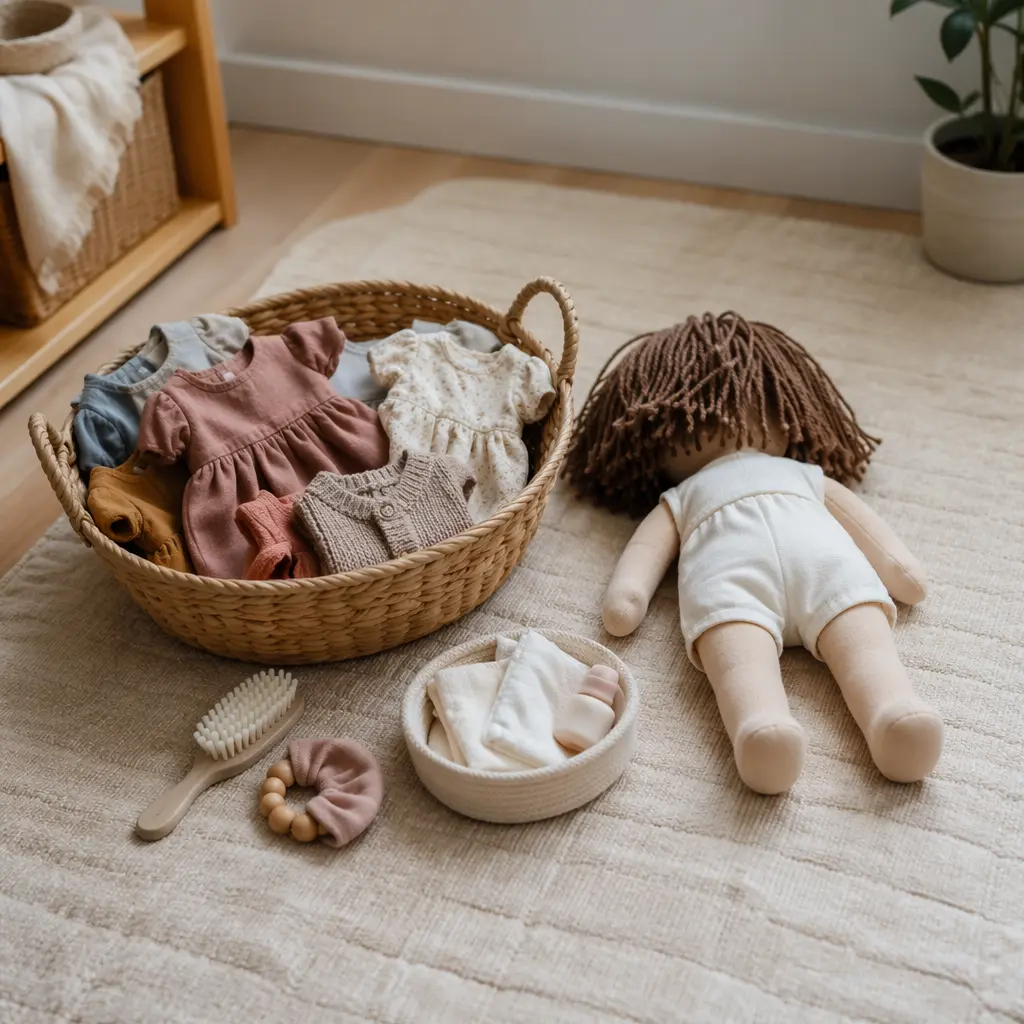
- Soft-bodied dolls with basic care items: These sets usually include a cloth doll, blanket, and bottle, ideal for quiet, nurturing play.
- Dress-and-care dolls: Outfits with simple closures encourage fine-motor practice alongside caregiving routines.
- Minimalist wooden or fabric sets: Often paired with fabric dolls, these emphasize durability and open-ended use.
- Multi-doll family sets: More than one doll allows children to practice sharing attention and role-switching during play.
Frequently asked questions
Why avoid electronic or talking dolls for this age?
Non-electronic dolls encourage children to create their own dialogue and routines. This supports language development and imaginative thinking more effectively than toys that provide scripted responses.
Are doll care sets appropriate for all children?
Yes. Nurturing play benefits children of all genders by building empathy and social understanding. Care routines are a universal part of daily life.
How many accessories are enough?
A small, focused set is often better. Too many pieces can overwhelm younger children, while a few well-chosen items support deeper, longer play.
What materials last longest?
High-quality fabric, reinforced stitching, and simple closures tend to hold up well. Wooden accessories can also be durable when smoothly finished.
Doll sets that support pretend care routines work best when they leave room for imagination. By choosing simple, non-electronic designs with age-appropriate accessories, parents can encourage nurturing play that grows alongside their child’s social and emotional skills.