Best First Dolls for Toddlers Learning Everyday Routines
A parent-friendly guide to choosing first dolls for ages 1–2 that encourage everyday routines like eating, sleeping, and dressing, with safety tips and age-appropriate features to look for.
Compare prices and availability
Check current prices and availability for this guide on eBay.
As an eBay Partner, we may be compensated if you make a purchase.
For many toddlers, a first doll becomes a gentle introduction to everyday routines. Simple pretend play—feeding a doll, tucking it in, or helping it get dressed—can mirror what young children experience in their own day. For ages 1–2, the best first dolls are not about detailed realism. Instead, they focus on safety, simplicity, and familiar actions that help toddlers explore self-care and caregiving in a comforting way.
What to look for
Toddlers between one and two years old are still developing motor skills, coordination, and understanding of cause and effect. Dolls designed for this stage should support those skills without overwhelming a child or posing safety concerns.
- Soft, lightweight bodies that are easy to carry, hug, and set down independently
- Simple clothing or features that relate to routines, such as pajamas, removable socks, or a basic bib
- Minimal accessories that connect clearly to daily life, like a bottle, blanket, or diaper
- Durable construction with securely attached parts and no small, removable pieces
- Washable materials, since dolls at this age often go everywhere with a child
Age suitability
While many dolls are labeled for toddlers, not all are equally appropriate for the 1–2 age band. At this stage, children are just beginning pretend play. They benefit most from dolls that clearly connect to routines they recognize, such as meals, naps, and getting dressed. Overly complex dolls with sounds, stiff joints, or many accessories may frustrate young toddlers or shift focus away from simple role play. A good first doll should invite repetition: feed, cuddle, sleep, repeat.
Standout categories or types
First dolls for routine-based play generally fall into a few helpful categories. Each type supports everyday actions in a slightly different way, and the best choice depends on what your toddler is currently exploring.
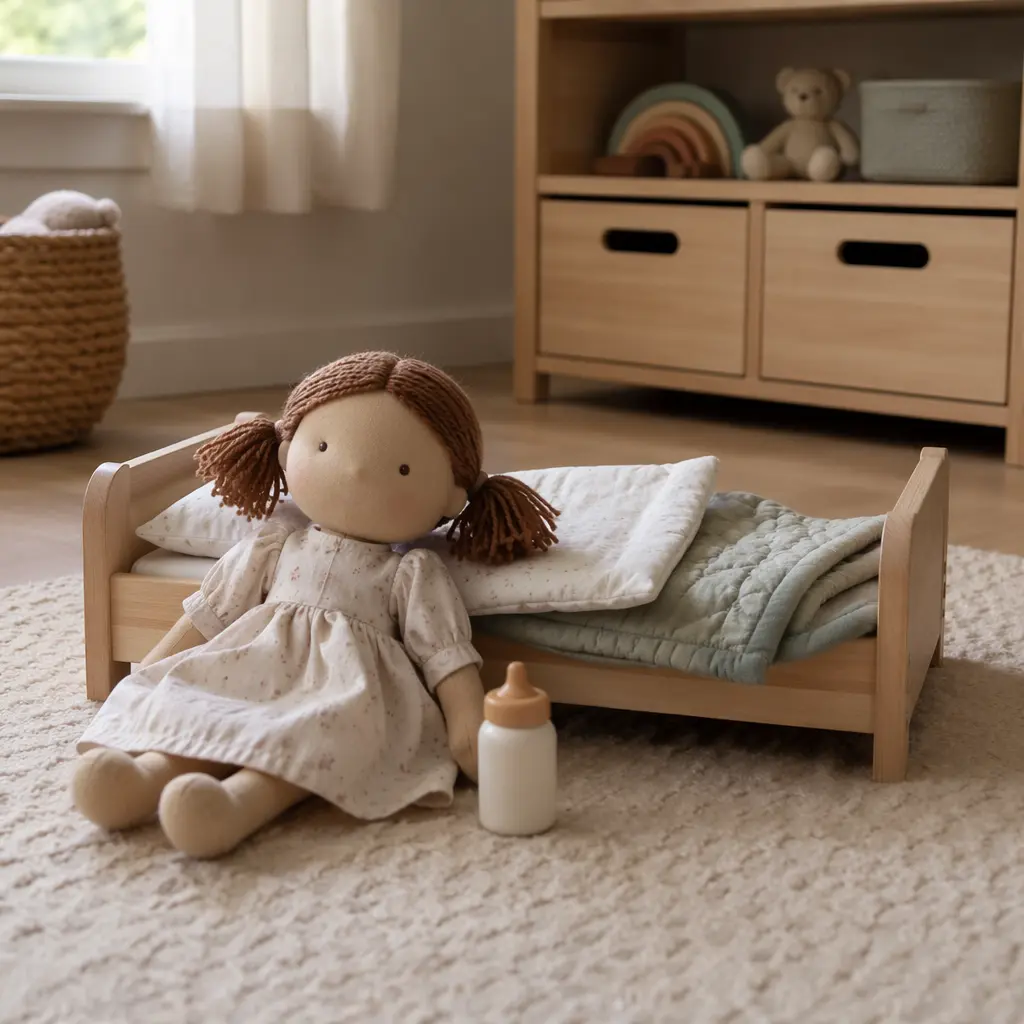
- Soft cloth dolls: Often the easiest starting point, these dolls emphasize cuddling, carrying, and sleep routines. Their flexibility makes them forgiving for new walkers and climbers.
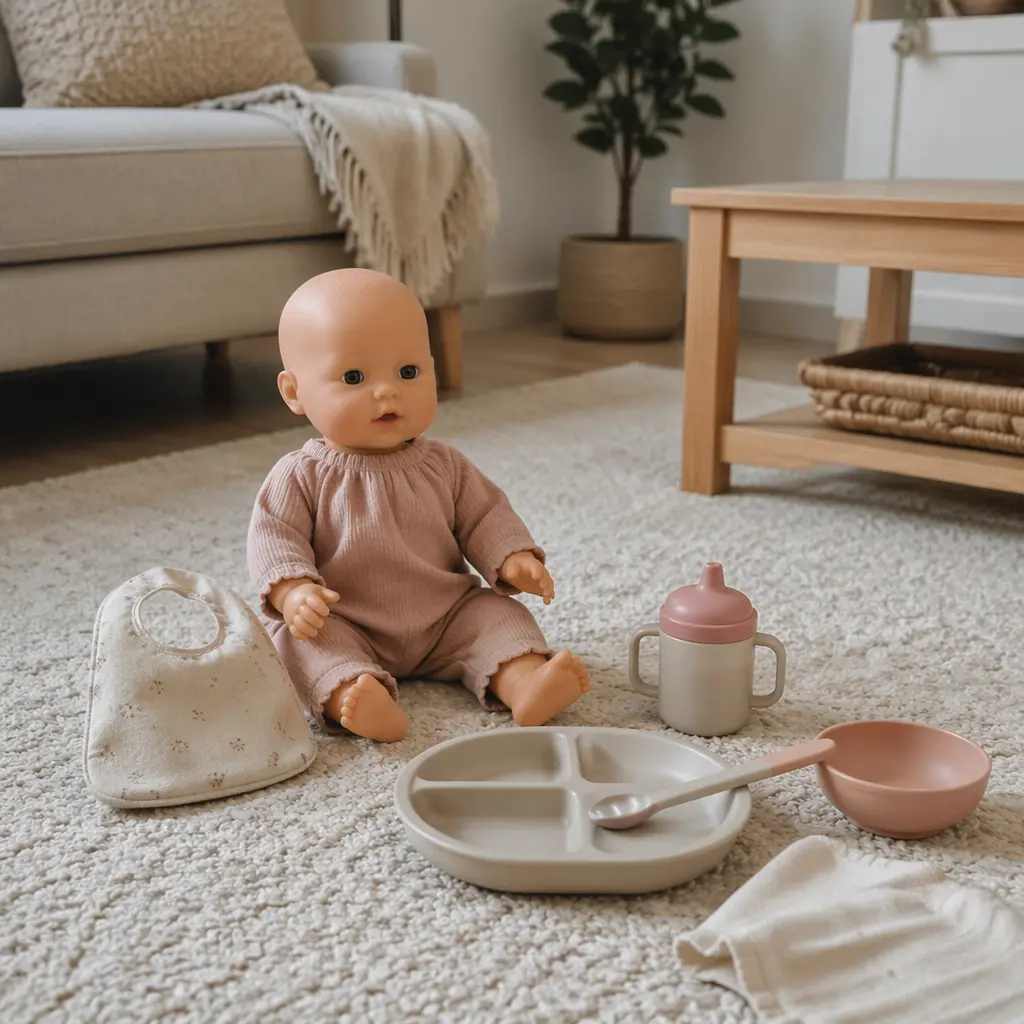
- Baby-style dolls: Designed around feeding, diapering, and napping, these dolls mirror infant care and can help toddlers process what they see caregivers do.
- Simple dress-up dolls: With minimal, easy-on clothing, these dolls support early dressing skills like pulling, placing, and recognizing clothing types.
Frequently asked questions
Why are routine-focused dolls helpful for toddlers?
Toddlers learn through repetition and imitation. Dolls that support eating, sleeping, and dressing allow children to replay familiar moments from their day, which can build understanding, comfort, and early empathy.
Do first dolls need accessories to be effective?
Not necessarily. One or two simple accessories can help connect play to real life, but the doll itself does most of the work. Too many pieces can distract from the routine-focused play toddlers benefit from most.
Are dolls appropriate for all toddlers, regardless of gender?
Yes. Caring play and routine-based pretend play are beneficial for all children. Dolls can support emotional development, language skills, and understanding of daily life for any toddler.
How long will a first doll stay relevant?
Many toddlers continue using their first doll well beyond age two. As skills grow, the same doll can take on more complex pretend scenarios, making it a toy that adapts over time.
Choosing a first doll for everyday routines is about matching simplicity with familiarity. When a doll reflects the rhythms of a toddler’s day and feels safe to explore freely, it can become a comforting tool for play, learning, and connection during these early years.