Best Non-Talking Dolls for Noise-Sensitive Homes
A parent-focused guide to quiet dolls for ages 3–5, including soft-body, fabric and simple pretend-play options that support imagination without batteries, loud sounds or complicated features.
Compare prices and availability
Check current prices and availability for this guide on eBay.
As an eBay Partner, we may be compensated if you make a purchase.
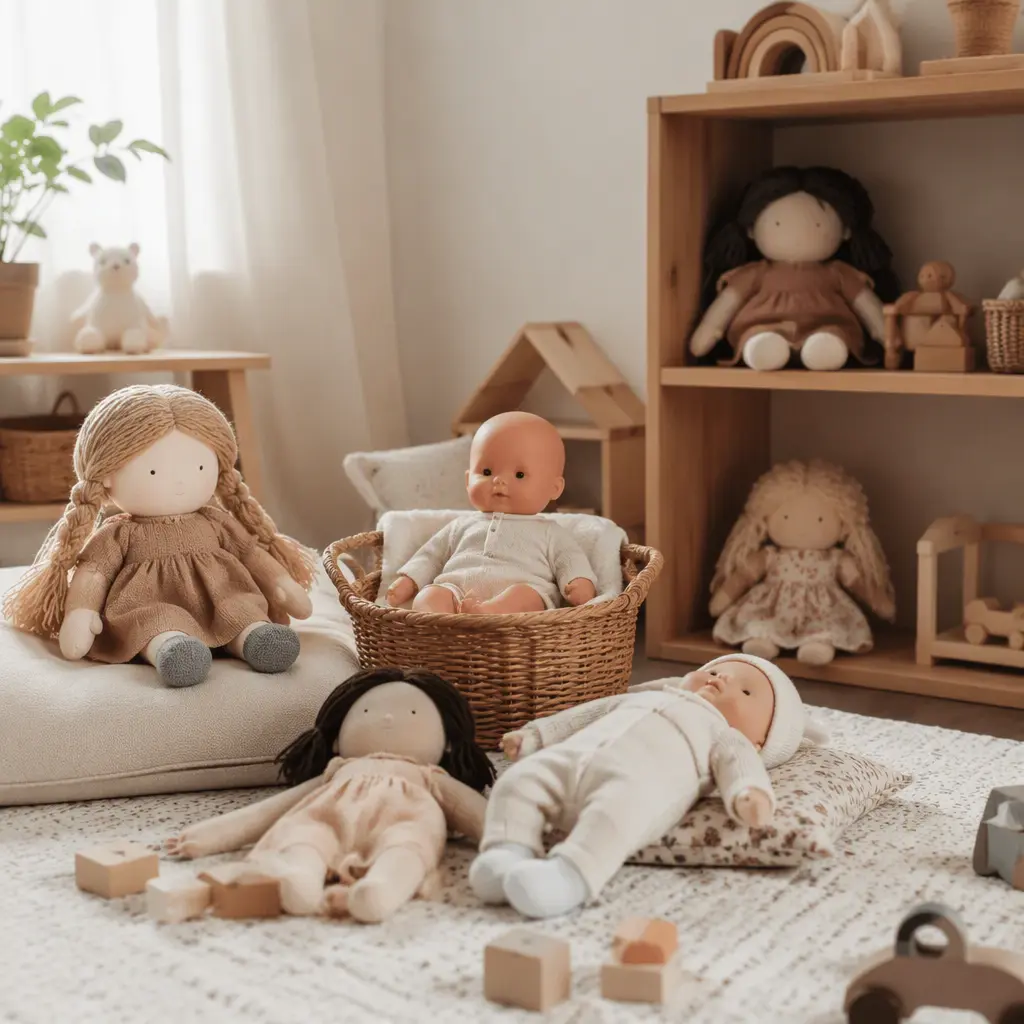
Non-talking dolls appeal to many families because they keep pretend play simple, quieter and easier to manage in shared living spaces. For children ages 3–5, dolls do not need electronic phrases or flashing features to encourage nurturing play, storytelling and everyday role-play. In fact, simpler dolls often leave more room for imagination because the child decides what the doll says, feels and does. For noise-sensitive homes, apartments, homes with babies sleeping nearby or families who prefer screen-free toys, a non-talking doll can be easier to live with long term than battery-powered alternatives.
What to look for
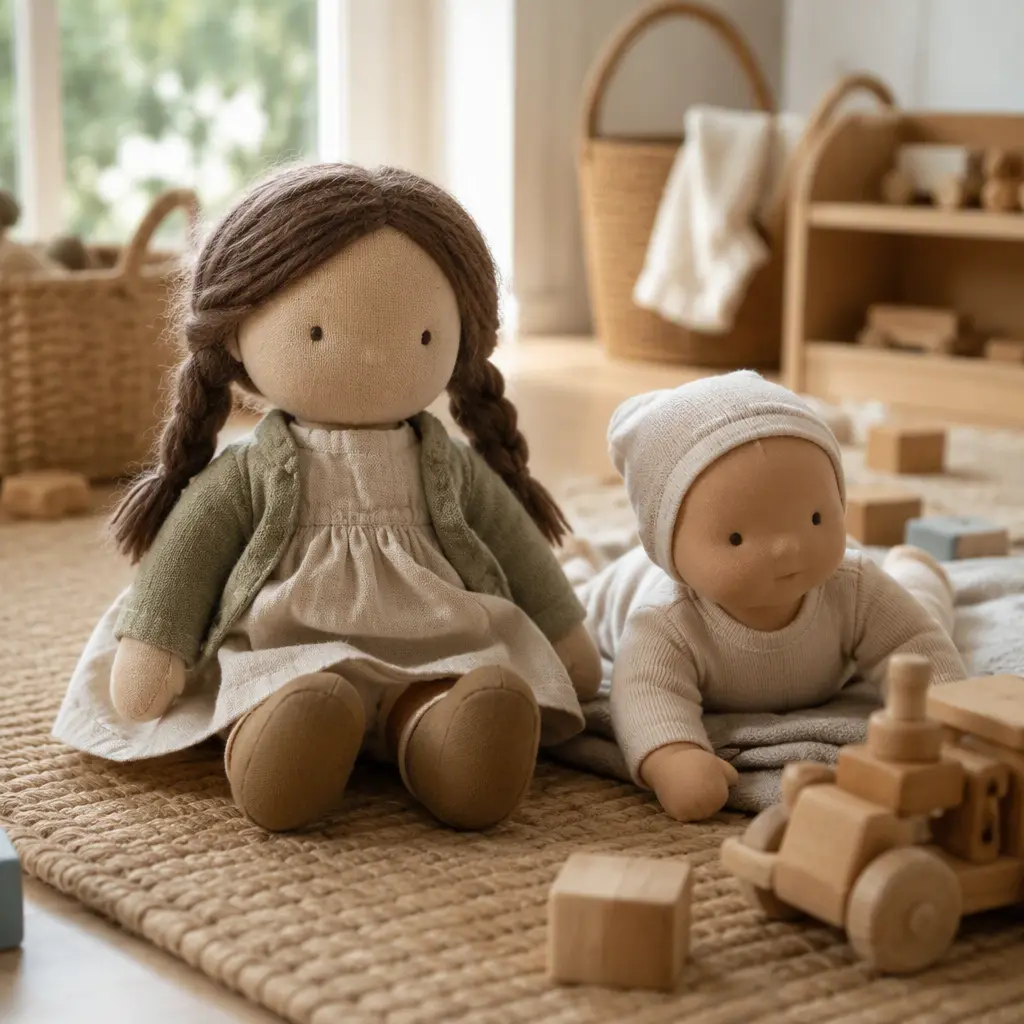
The best quiet dolls for preschoolers usually focus on comfort, durability and open-ended play rather than electronic features. At this age, children often carry dolls around the house, include them in pretend routines and use them for emotional role-play. Materials, size and maintenance matter more than extra functions. A lightweight doll is easier for younger children to dress and carry independently, while washable materials can make daily use much easier for parents.
- Soft-body dolls are lighter and easier to cuddle, but may not stand upright or handle rough outdoor play as well as harder plastic dolls.
- Fabric dolls are usually the quietest option and often work well for bedtime comfort or travel.
- Simple plastic baby dolls can be more durable for bath play or messy pretend activities, but check whether the doll is designed for water use.
- Look for stitched or minimal accessories if you want fewer small parts to lose around the house.
- Avoid overly large dolls in small homes or shared bedrooms because storage becomes difficult quickly.
- Battery-free dolls remove the need for switches, replacement batteries and accidental sounds during quiet hours.
- Machine-washable clothing or wipe-clean surfaces can reduce frustration after frequent use.
Age suitability
For ages 3–5, most children can manage basic doll accessories such as simple outfits, blankets or toy feeding items. Younger preschoolers usually benefit from soft and lightweight dolls that are easy to carry and less frustrating to dress. Older children within this range may enjoy dolls with more detailed clothing, hair brushing or role-play accessories. If siblings of different ages share toys, it is important to check for small removable pieces that may not be suitable for younger children. Quiet dolls also work well for children who become overstimulated by repetitive electronic sounds or who prefer calmer independent play.
Options compared
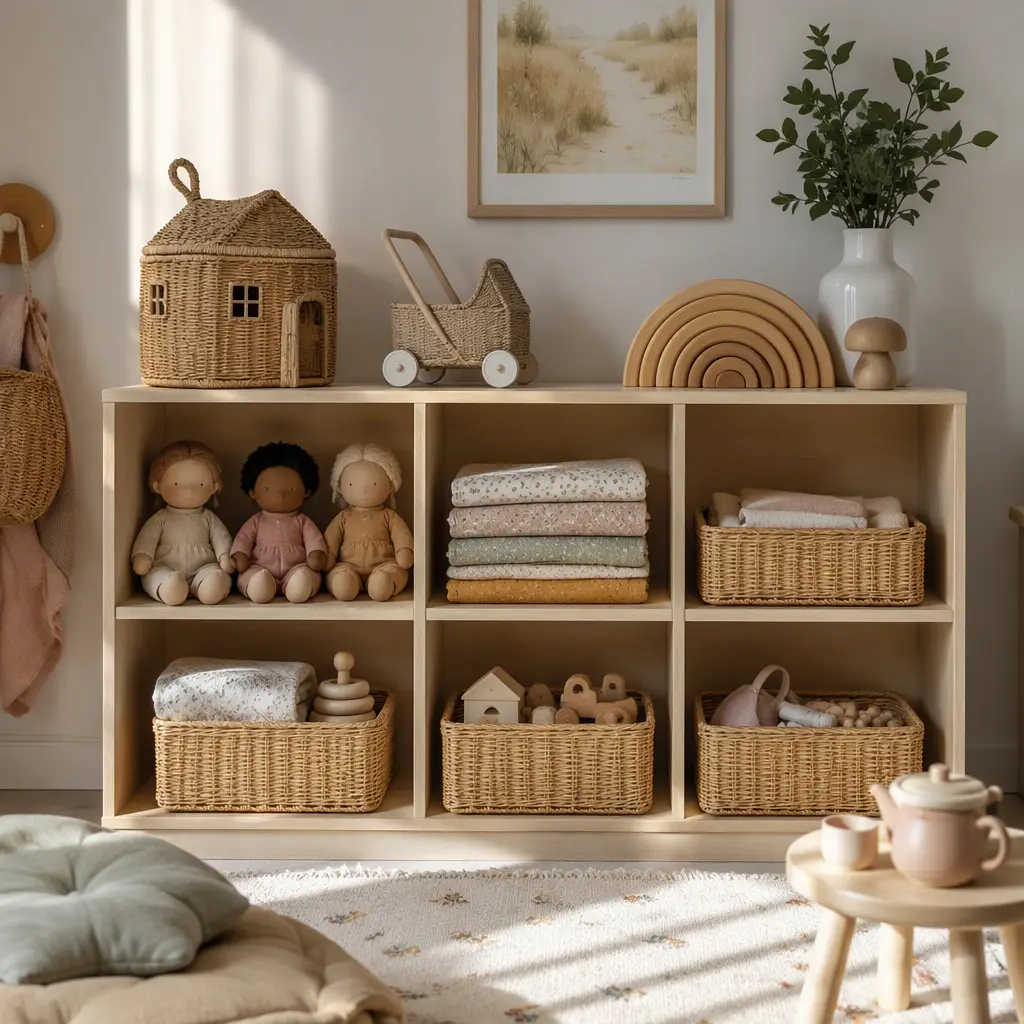
Soft-body baby dolls are often the easiest starting point for ages 3–5. They are lightweight, usually quieter when dropped on hard floors and often comforting for children who like cuddly toys. These dolls suit calm indoor play, pretend caregiving and bedtime routines. The trade-off is durability. Soft materials can stain more easily and may need more frequent cleaning, especially if the doll travels outside the house often.
Classic hard-body dolls tend to last longer and can handle rougher handling, stroller rides or outdoor pretend play more easily. Some children also find them easier to sit upright during role-play. However, harder materials create more noise when dropped and can feel less cozy for children who want a comfort toy. Fabric dolls are another strong choice for noise-sensitive homes because they are lightweight, compact and generally very quiet. They usually suit gentler play and travel well, though they may not appeal to children who enjoy realistic baby-care routines.
- Soft-body dolls: best for cuddling, quieter play and younger preschoolers; less ideal for messy outdoor use.
- Fabric dolls: best for travel, bedtime comfort and very noise-sensitive homes; usually simpler and less realistic.
- Hard-body dolls: best for durability and active pretend play; noisier on hard floors and sometimes heavier.
- Waldorf-style or minimalist dolls: best for open-ended imaginative play and calmer aesthetics; may cost more than mass-market options.
- Bath dolls: useful for water play and easier cleaning; less suitable as comfort toys because materials are firmer.
Frequently asked questions
Do non-talking dolls still support learning and development?
Yes. Pretend play with simple dolls can support language development, emotional expression, turn-taking and storytelling. Children often create richer imaginative scenarios when the toy does not direct the play with pre-recorded sounds or scripted phrases.
Are battery-free dolls better for quiet homes?
For many families, yes. Battery-free dolls avoid sudden sounds, repetitive phrases and accidental activation during naps or evenings. They are also simpler to maintain because there are no batteries, speakers or electronic parts to manage.
Which doll materials are easiest to clean?
Wipe-clean plastic dolls are usually easiest after messy play, while some fabric and soft-body dolls have machine-washable clothing or surfaces. Before buying, check whether the doll itself or only the clothing can be cleaned safely.
How many doll accessories do preschoolers really need?
Many children are happy with a doll, a blanket and one or two simple accessories such as a stroller or toy bottle. Large accessory sets can create clutter, increase cleanup time and lead to more missing pieces without necessarily improving play value.
What if a child already owns loud electronic dolls?
Adding a simpler doll alongside existing toys can still encourage quieter play styles. Some families rotate electronic toys out during certain times of day, such as mornings, nap times or shared quiet periods, while keeping non-talking dolls easily accessible.
A quiet doll does not need complicated features to become a favorite toy. For ages 3–5, the most useful options are often lightweight, durable enough for everyday routines and simple enough to encourage imagination rather than direct it. Choosing the right type depends mostly on your household priorities, whether that means lower noise levels, easy cleaning, compact storage or calm screen-free play.