Best Simple Dolls for Toddlers Who Love Caregiving Play
A parent-focused guide to simple, no-electronics dolls for ages 1–2. Learn what features support empathy, routines, and safe play—plus age tips and FAQs.
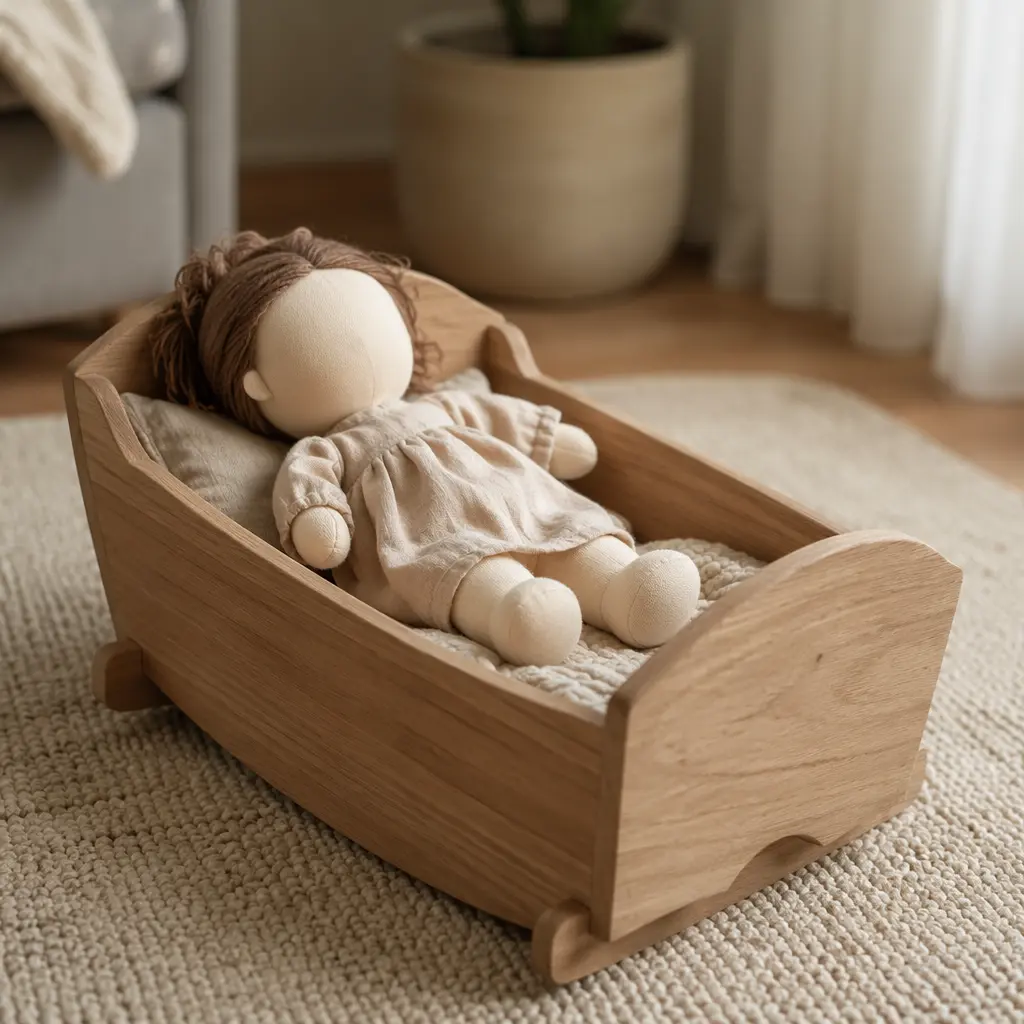
Compare prices and availability
Check current prices and availability for this guide on eBay.
As an eBay Partner, we may be compensated if you make a purchase.
For many toddlers, caregiving play starts early. Around ages one to two, children often copy everyday routines they see at home—hugging, feeding, rocking, and putting a “baby” to sleep. Simple dolls without lights, sounds, or screens can support this kind of play by leaving room for imagination, emotional expression, and calm repetition. This guide explains what makes a good simple doll for toddlers and how to choose one that fits your child’s stage.
What to look for
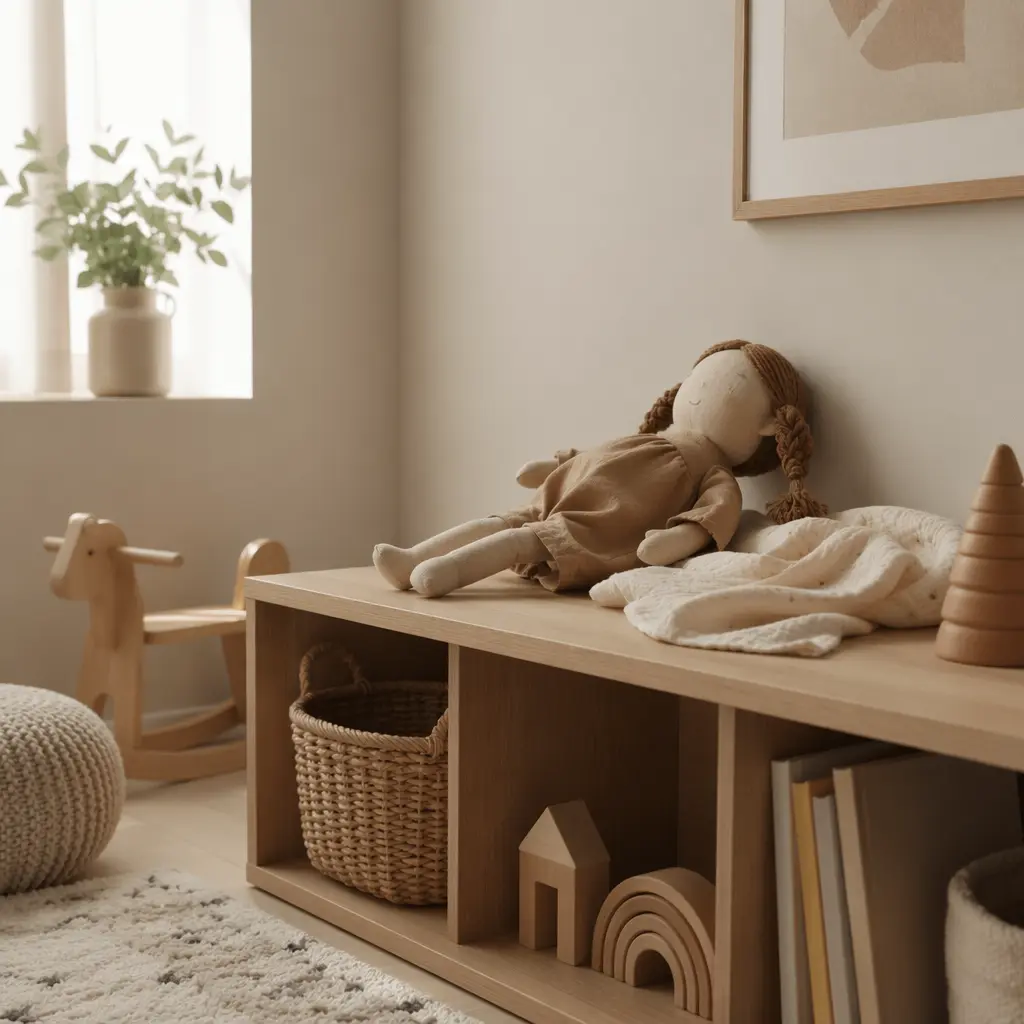
Toddlers don’t need many features to engage deeply with a doll. In fact, fewer features often lead to richer play. When shopping, focus on safety, simplicity, and how closely the doll matches everyday caregiving routines.
- Soft, squeezable body: Cloth or lightly padded dolls are easier for small hands to hold, carry, and cuddle.
- Simple facial features: Minimal expressions allow children to project their own feelings during play.
- No electronics: Dolls without batteries avoid overstimulation and encourage imagination rather than button-pressing.
- Washable materials: Removable or fully washable fabric helps keep the doll clean during daily play.
- Proportion and weight: A lightweight doll that feels "baby-sized" helps toddlers practice realistic caregiving motions.
- Secure construction: Eyes, hair, and clothing should be firmly attached to reduce choking hazards.
Age suitability
For children ages 1–2, dolls should be designed specifically for early toddlers. At this stage, play is mostly imitative and sensory. Toddlers may mouth toys, drop them frequently, or drag them by an arm or leg. A suitable doll can handle rough handling, has no hard parts, and does not rely on small accessories to be meaningful. As language develops, simple dolls can also support early words like “baby,” “sleep,” or “hug,” especially when paired with daily routines at home.
Standout categories or types
Simple dolls come in a few broad styles, each supporting caregiving play in slightly different ways. The best choice often depends on your child’s preferences and how the doll will be used at home or in childcare settings.
- Soft cloth dolls: Fully fabric dolls are lightweight, cuddly, and easy for toddlers to carry everywhere.
- Lightly weighted baby dolls: These offer a more realistic feel for rocking and cradling while still staying safe.
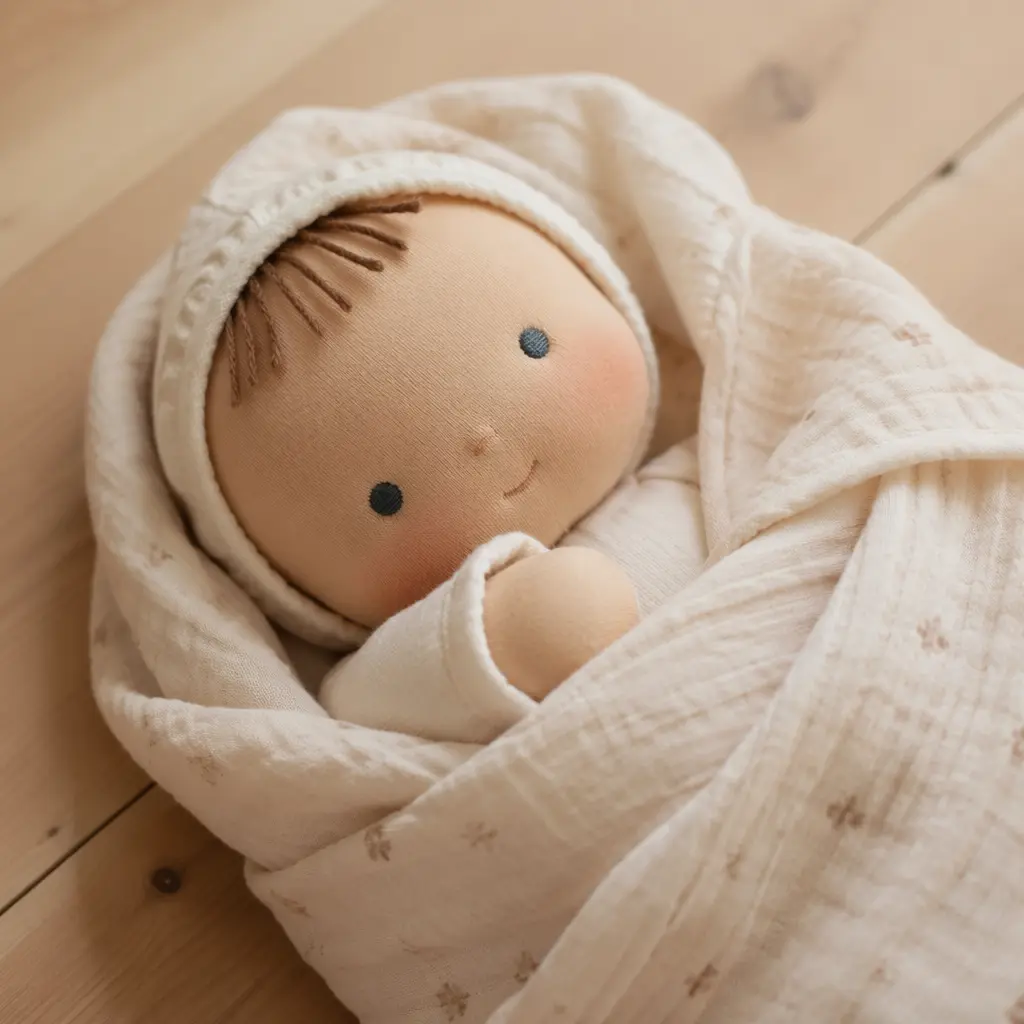
- Minimalist natural-material dolls: Often made with cotton, wool, or linen, these focus on calm aesthetics and open-ended play.
- Dolls with simple clothing: Basic outfits can support early dressing practice without snaps or tiny fasteners.
Frequently asked questions
Why choose a doll without sounds or lights?
No-electronics dolls let toddlers lead the play. Without pre-recorded sounds or actions, children create their own stories, which supports imagination, emotional development, and longer periods of focused play.
Can simple dolls really teach empathy at this age?
Yes. When toddlers practice comforting, feeding, or putting a doll to sleep, they are rehearsing real-life social behaviors. These early experiences help build empathy and understanding of others’ needs.
Are anatomically correct dolls necessary for toddlers?
For ages 1–2, anatomical detail is less important than softness and durability. Many families choose simple, neutral dolls and introduce more detailed representations later as children grow.
How many accessories should a toddler doll have?
Fewer is usually better. A small blanket or simple bottle can support play, but too many pieces can overwhelm toddlers and increase the risk of lost or unsafe parts.
Simple dolls can be powerful tools for toddlers who love caregiving play. By choosing a safe, soft, and thoughtfully designed doll, parents can support empathy, routine-based learning, and calm pretend play during these important early years. The best doll is one that fits easily into everyday life and invites your child to care, comfort, and connect.