Classic vs Smart Dollhouses for Kids Ages 6–8
Compare classic and smart dollhouses for kids ages 6–8, including storytelling play, electronic features, durability, storage, and what parents should consider before buying.
Compare prices and availability
Check current prices and availability for this guide on eBay.
As an eBay Partner, we may be compensated if you make a purchase.
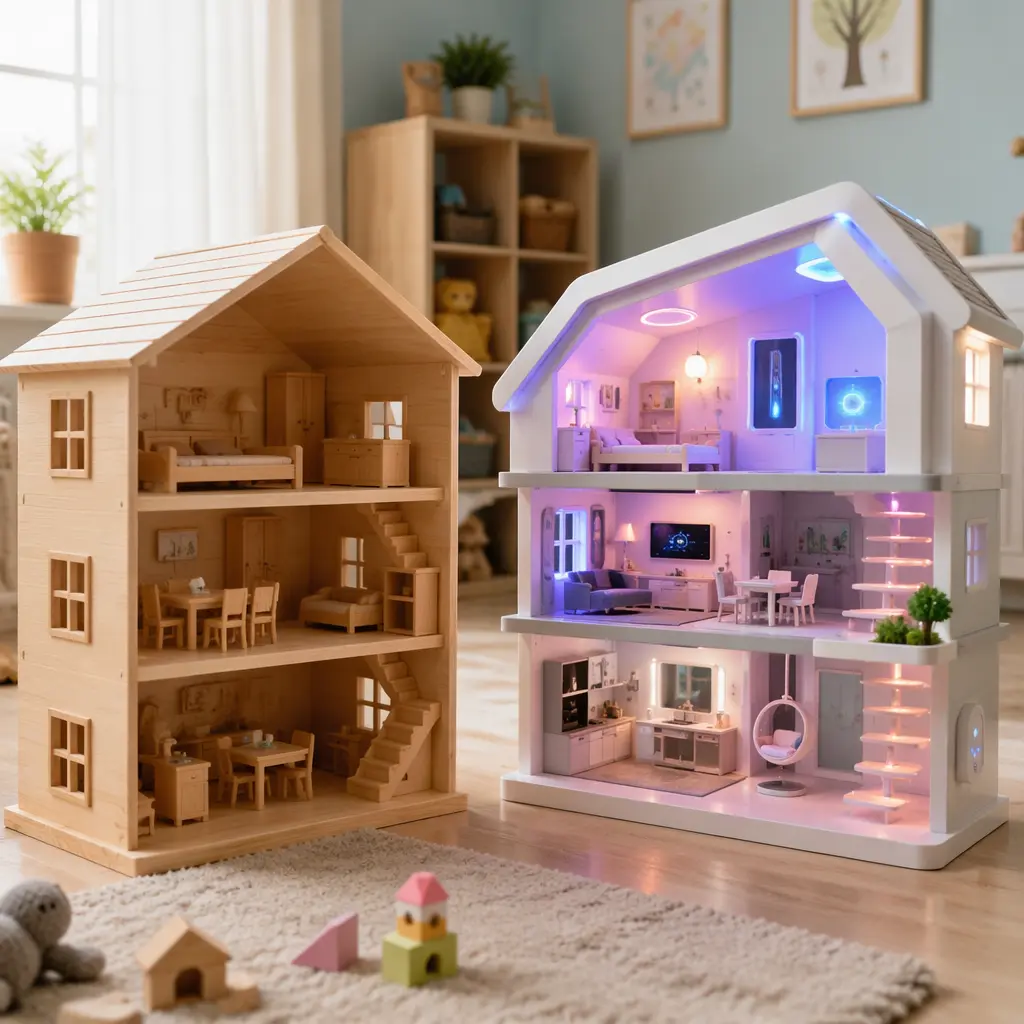
Dollhouses remain a popular choice for children ages 6–8 because they support imaginative play, storytelling, and social interaction. Parents shopping today often see two broad categories: classic dollhouses focused on open-ended pretend play, and smart dollhouses that include lights, sounds, app features, or interactive accessories. Both styles can be entertaining, but they create different kinds of play experiences. Choosing between them usually comes down to how a child prefers to play, how much technology a family wants in the playroom, and whether long-term flexibility matters more than built-in features.
What to look for
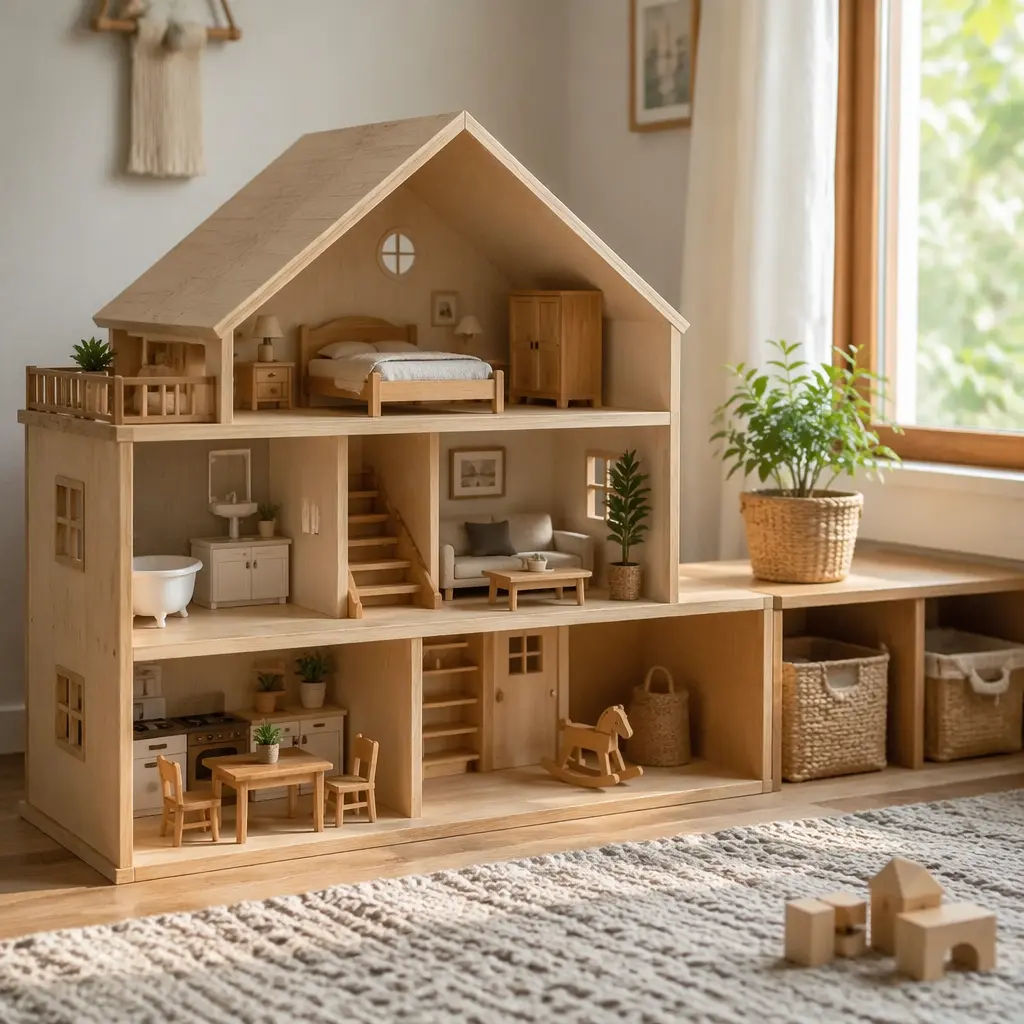
Whether choosing a traditional or electronic dollhouse, a few practical details make a big difference in day-to-day use. Children in the 6–8 age range often want enough space for more detailed storytelling, rearranging furniture, and role-playing with multiple figures. Durability also matters because dollhouses are frequently moved, opened, and shared during playdates.
- Check the overall size and room layout to make sure small hands can comfortably reach inside.
- Look for sturdy construction with smooth edges and secure hinges or connectors.
- Consider how many accessories are included and whether replacement pieces are easy to find.
- For smart dollhouses, review battery needs, sound volume, and whether app connectivity is optional or required.
- Think about storage space, especially if the dollhouse includes many miniature accessories.
- Choose a style that matches the child’s play habits, whether that means quiet storytelling or interactive effects.
Age suitability
Children ages 6–8 are often ready for more complex pretend play than preschoolers. Many enjoy creating ongoing stories, assigning personalities to characters, and redesigning rooms or furniture layouts. Classic dollhouses tend to encourage this kind of open-ended creativity because there are fewer built-in prompts directing how play should happen. Smart dollhouses can still support imaginative play, but children may spend more time activating lights, sounds, or scripted features. Some families appreciate those interactive elements because they add novelty and can help draw reluctant players into pretend play. Others prefer toys that leave more room for children to invent scenarios on their own.
Standout categories or types
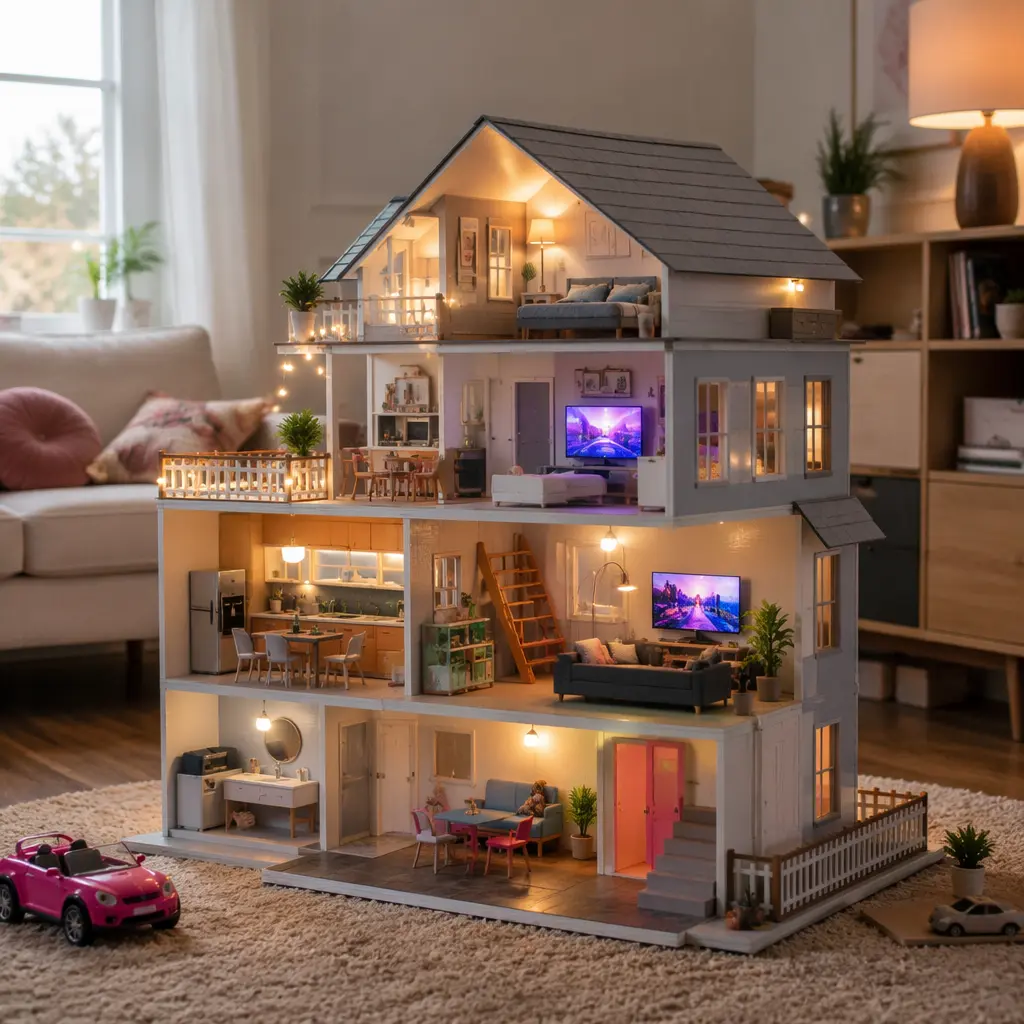
Classic dollhouses are usually made from wood or durable plastic and focus on flexible pretend play. Many feature open rooms, movable furniture, and neutral designs that work across different story themes. Because they do not rely heavily on electronics, they often stay usable for years and can adapt as children’s interests change. Parents who value quieter play may also appreciate the absence of constant sounds and flashing lights.
Smart dollhouses add electronic features intended to make play feel more dynamic. Common additions include working lights, sound effects, elevators, voice responses, or connected apps. These features can be exciting at first and may appeal to children who enjoy technology-rich toys. However, electronic functions sometimes shape play into shorter interactions focused on activating features rather than building longer stories. Battery maintenance and feature durability are also worth considering, especially if the toy will see frequent use.
- Wooden dollhouses often prioritize durability, classic design, and open-ended storytelling.
- Portable folding dollhouses work well for smaller homes or shared spaces.
- Large multi-level dollhouses offer more room for group play and detailed setups.
- Smart dollhouses with lights and sounds can feel immersive but may require regular battery replacement.
- Hybrid styles combine traditional layouts with a few simple electronic features instead of full app integration.
Frequently asked questions
Do smart dollhouses hold children’s attention longer?
Electronic features may create strong short-term excitement, especially during the first weeks of use. Long-term engagement often depends more on whether the child enjoys imaginative storytelling and rearranging scenes. Many children continue returning to classic dollhouses because the play possibilities stay flexible over time.
Are wooden dollhouses better than plastic ones?
Wooden dollhouses are often chosen for durability and a more furniture-like appearance, while plastic versions can be lighter and easier to clean. Neither material is automatically better for every family. The best choice depends on storage needs, portability, and how rough everyday play is likely to be.
Do electronic features make dollhouses less creative?
Not necessarily, but heavily scripted sounds or app-guided play can reduce the amount of open-ended storytelling some children create on their own. Simpler interactive features, such as room lights or doorbells, may add fun without dominating the experience.
How much space does a dollhouse usually need?
Large dollhouses can take up a significant amount of floor or shelf space, especially models designed for multiple children to play at once. Before buying, measure the intended play area and account for extra room around the sides so children can comfortably reach furniture and figures.
What accessories are most useful?
Furniture sets, family figures, pets, and flexible room accessories tend to support the widest range of pretend play. Extra decorative pieces can be fun, but large collections of tiny accessories may become difficult to organize and store.
Classic and smart dollhouses each offer different strengths for children ages 6–8. Traditional designs usually encourage flexible storytelling and long-term imaginative play, while smart features can add novelty and interactive excitement. A good choice depends on how a child naturally plays, how much technology fits comfortably into the household, and whether parents prioritize simplicity, interactivity, or a balance of both.