Washable Baby Dolls for Toddlers Who Carry Toys Everywhere
A parent-focused guide to washable baby dolls for toddlers aged 1–2, covering fabric choices, drying time, durability, storage, and which doll styles suit messy everyday play.
Compare prices and availability
Check current prices and availability for this guide on eBay.
As an eBay Partner, we may be compensated if you make a purchase.
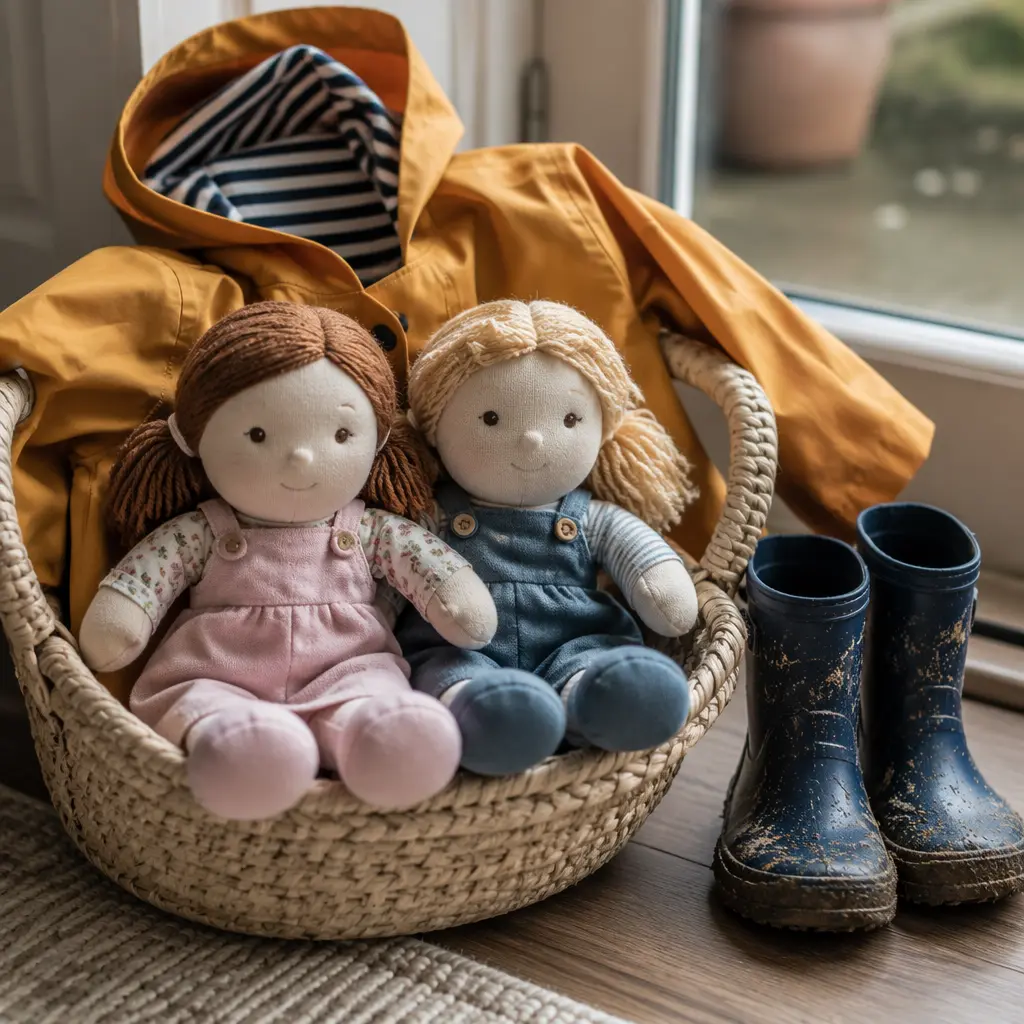
For toddlers who carry toys from the sofa to the garden and back again, washable baby dolls can be easier to live with than hard plastic dolls or delicate collector-style toys. At ages 1–2, dolls are often dragged along floors, dropped into snack crumbs, splashed during water play, and slept with every night. A washable doll needs to handle repeated cleaning without losing its shape, staying damp for days, or developing rough seams that irritate small hands. Parents comparing options will usually end up choosing between fully soft fabric dolls, dolls with soft bodies and plastic heads, or simple plush-style baby dolls designed for younger toddlers. The right choice depends on how messy play tends to get, how often the doll travels outside the house, and how much maintenance a family realistically wants to manage.
What to look for
The biggest differences between washable toddler dolls are usually fabric type, drying speed, and how well the doll holds up after repeated washing. Some dolls are technically machine washable but take a long time to dry because of thick stuffing or layered clothing. Others dry faster but may feel less cuddly. Since toddlers often use dolls as comfort toys as much as playthings, softness and simplicity matter just as much as appearance.
- Choose fabrics that can handle regular washing, such as cotton blends or durable plush materials rather than decorative fabrics with sequins or glued details.
- Check whether clothing is removable. Separate outfits can increase play value but also create extra laundry, lost pieces, and longer cleanup.
- Look for stitched facial features instead of glued accessories or hard decorations that can loosen over time.
- Lighter-weight dolls usually dry faster after washing and are easier for younger toddlers to carry independently.
- Fully soft dolls are often more comfortable for naps and travel, while dolls with plastic heads may wipe clean more easily after meals or outdoor play.
- Consider storage space. Large dolls can become awkward in small homes or car journeys, especially if a toddler insists on bringing them everywhere.
- Simple designs with fewer accessories are often easier to maintain during the heavy-use toddler stage.
Age suitability
For children aged 1–2 years, the safest and most practical baby dolls are usually lightweight, soft-bodied, and easy to grip with small hands. Younger toddlers often prefer dolls that can be hugged, carried, and included in routines like naps or stroller walks rather than dolls with complicated accessories or realistic functions. Dolls marketed to older preschoolers may include tiny bottles, shoes, hair clips, or feeding accessories that create frustration or supervision concerns for younger children. At this age, many toddlers also explore toys physically by chewing, dropping, and dragging them, so durability matters more than detailed styling. A compact doll around toddler torso size is often easier to manage than oversized dolls that become difficult to carry indoors and outdoors.
Options compared
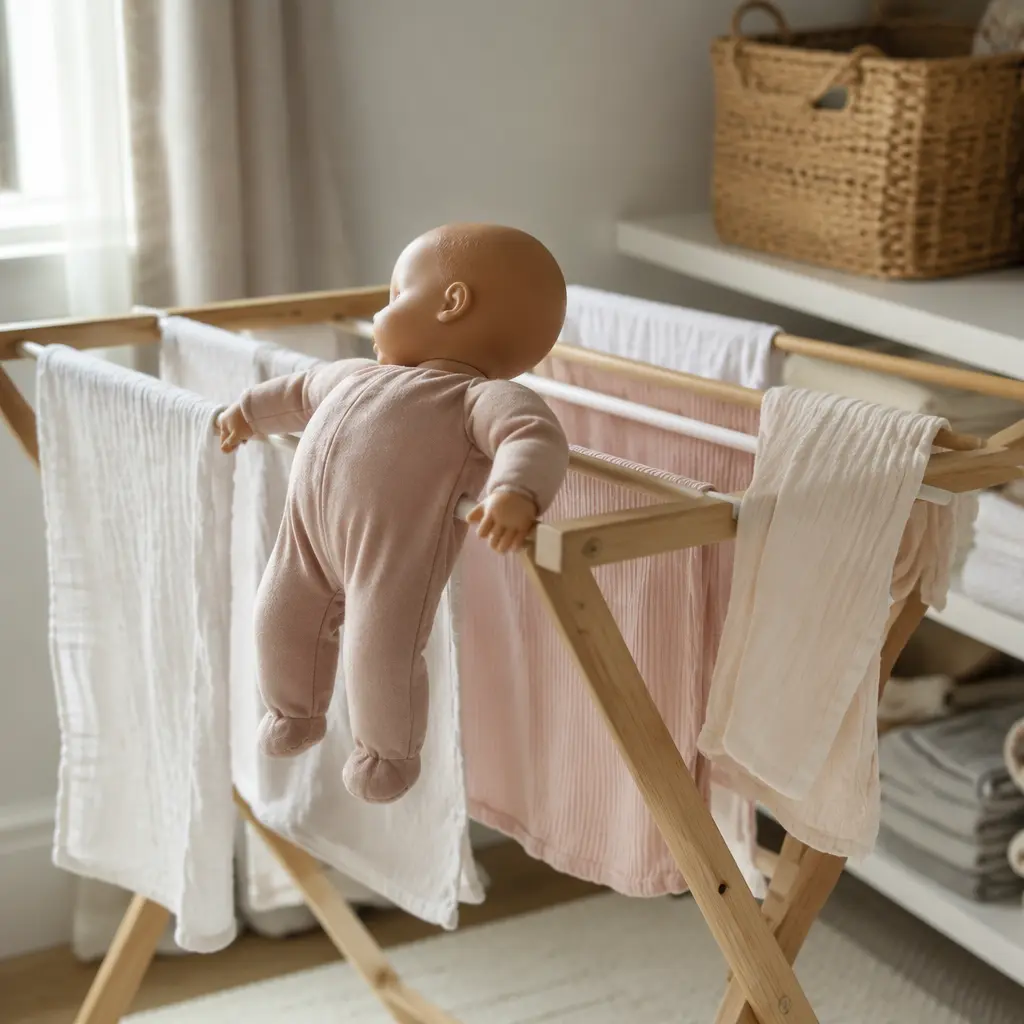
Fully soft fabric dolls are often the easiest option for toddlers who treat dolls like comfort objects. They are lightweight, flexible, and less likely to hurt if thrown or dropped from a stroller. Many can go directly into the washing machine, which helps after muddy outdoor trips or food spills. The trade-off is drying time. Thick stuffing can stay damp internally for longer than parents expect, especially in cooler weather or small apartments without outdoor drying space.
Soft-body dolls with vinyl or plastic heads are common because they combine cuddly bodies with wipe-clean surfaces. These dolls can be useful for toddlers who frequently feed dolls during pretend play or carry them during meals. Plastic heads also tend to dry quickly after cleaning. However, heavier dolls may be harder for younger toddlers to carry all day, and some children prefer the feel of fully soft dolls at bedtime.
- Simple plush baby dolls suit families prioritising machine washing, bedtime comfort, and travel-friendly toys.
- Soft-body dolls with plastic heads suit toddlers interested in pretend caregiving and easier spot cleaning.
- Large interactive dolls with sounds or electronics may create more cleaning challenges and usually need closer supervision around spills or outdoor dirt.
- Collector-style dolls or dolls with detailed hair and outfits are generally less practical for daily rough toddler use.
- Minimal-accessory dolls work well for daycare, car trips, and families trying to reduce clutter and lost toy parts.
Frequently asked questions
Can washable dolls go in a regular washing machine?
Many toddler dolls are machine washable, but cleaning instructions vary. Some are designed for full machine washing, while others recommend surface cleaning or placing the doll inside a laundry bag. Drying thoroughly is especially important for heavily stuffed dolls.
Are fabric dolls better than plastic dolls for toddlers?
Fabric dolls are often softer, lighter, and easier for younger toddlers to carry and cuddle. Plastic dolls may be easier to wipe clean after messy play but can feel heavier and less comfortable during naps or travel.
How many doll accessories do toddlers really need?
Most children aged 1–2 enjoy simple caregiving play without needing large accessory sets. A blanket, small stroller, or soft bottle is usually enough. Too many small pieces can create clutter and increase supervision needs.
What helps dolls dry faster after washing?
Lighter stuffing, smaller doll size, and removable clothing all help reduce drying time. Air circulation matters too. Some parents prefer having a backup comfort toy available while a favourite doll dries completely.
Do toddlers benefit from doll play at this age?
Simple doll play can support early pretend play, nurturing routines, language development, and emotional expression. At ages 1–2, most toddlers focus on carrying, cuddling, and copying everyday caregiving behaviours rather than detailed role-play scenarios.
A washable baby doll does not need complicated features to become a favourite companion. For toddlers who bring toys into gardens, kitchens, cars, and beds, the most useful dolls are usually simple, durable, lightweight, and easy to clean without extra effort. Focusing on fabric durability, manageable drying time, and age-appropriate design can help families choose a doll that stays practical long after the first muddy adventure.