Bratz: The fashion dolls that broke the old rules
Launched in 2001, Bratz dolls shook up the doll aisle with bold fashion, big attitudes, and a look that challenged decades of tradition. Here’s how they changed the industry—and why they still matter.
Compare prices and availability
Check current prices and availability for this guide on eBay.
As an eBay Partner, we may be compensated if you make a purchase.
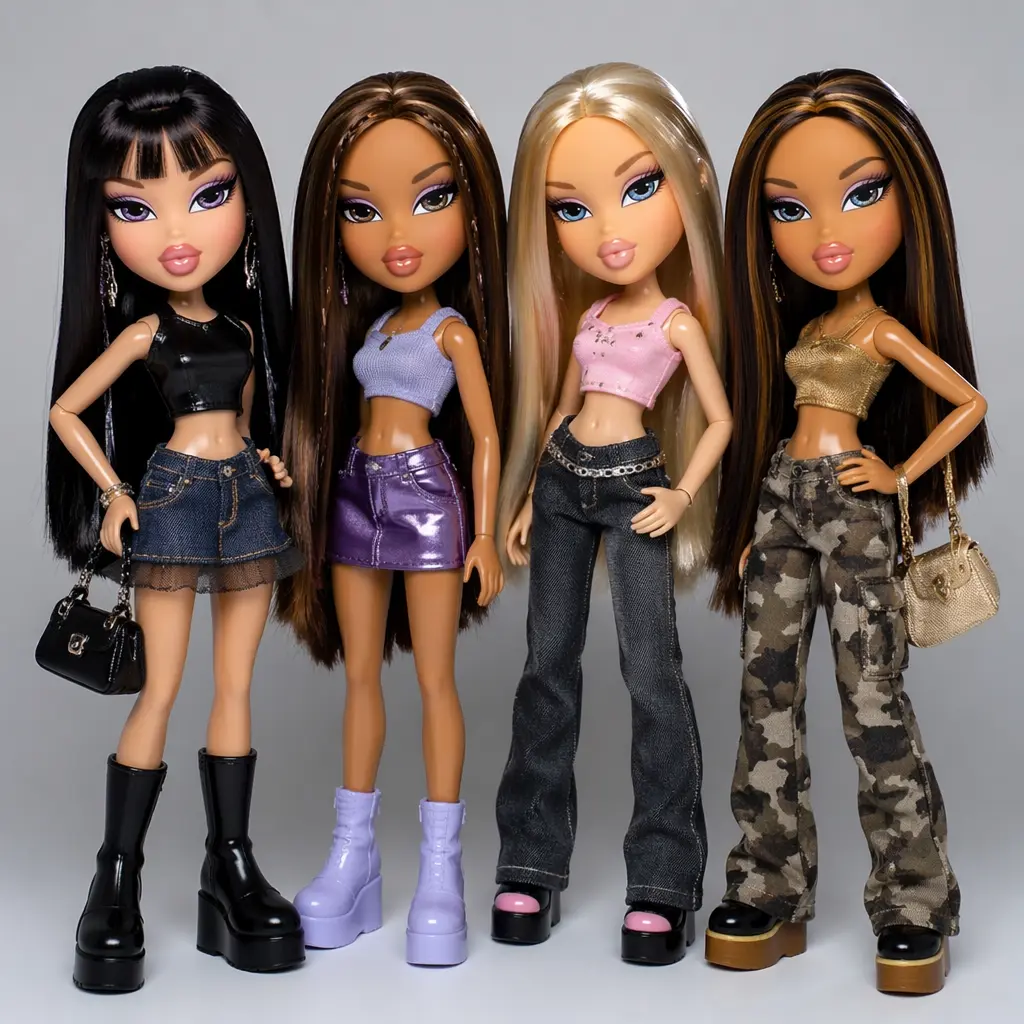
When Bratz dolls arrived in the early 2000s, they didn’t quietly join the doll aisle—they rewrote it. With oversized heads, dramatic makeup, and street-fashion outfits, Bratz offered a sharp contrast to the long‑established, polished look that had dominated fashion dolls for decades. They were louder, edgier, and more reflective of youth culture at the time, and that disruption is exactly why they became a phenomenon.
Where it came from
Bratz was introduced in 2001 by MGA Entertainment, a toy company looking to challenge the status quo. The original concept centred on four distinct characters, each with a different fashion style and personality, but the bigger idea was cultural: create a doll line that felt closer to what kids were seeing in music videos, magazines, and shopping centres at the time.
Instead of aspirational elegance, Bratz leaned into attitude and individuality. The dolls were designed with removable feet to accommodate oversized shoes, and their wardrobes drew heavily from contemporary streetwear and club fashion. This approach resonated quickly, especially with kids who wanted something that felt more modern and expressive.
Why it works
At its core, Bratz works because it prioritised self‑expression. The dolls didn’t suggest a single idea of beauty or success; instead, they encouraged mix‑and‑match fashion, bold styling, and imaginative role play built around friendship and independence. Their exaggerated proportions weren’t about realism—they were about visual impact and instant recognisability.
- Distinctive oversized heads and expressive facial styling
- Fashion-forward outfits inspired by real-world trends
- Removable feet to support dramatic shoe designs
- Strong focus on friendship rather than domestic play
Who it’s for
Bratz dolls are generally aimed at school‑age children who enjoy fashion play and storytelling, typically from around six years and up. At the same time, the brand has a strong adult following—particularly millennials who grew up with Bratz and now collect them for nostalgia, design appreciation, or display.
Variants and what to look for today
Over the years, Bratz has gone through pauses, reboots, and refreshed releases. Modern versions often aim to balance the original bold style with updated materials and construction. Clothing quality and articulation can vary, so it’s worth checking current reviews if you’re buying for play rather than display.
Collectors often look for reissues that stay close to the early‑2000s aesthetic, while parents may prefer newer editions designed to meet current safety and durability standards. As with any popular doll line, there are generic fashion dolls inspired by the look—these can be fun, but they don’t always match the build quality or accessory depth of official releases.
Frequently asked questions
Are Bratz dolls appropriate for young children?
They’re generally suitable for ages six and up. Parents may want to review outfits and themes to ensure they align with their own comfort level, as fashion styling is a core part of the brand.
Why did Bratz look so different from other dolls?
The exaggerated features and bold makeup were intentional, designed to stand out visually and reflect contemporary pop and street culture rather than traditional doll aesthetics.
Are Bratz dolls still being made?
Yes, though releases tend to come in waves. Some focus on modern updates, while others revisit classic styles for nostalgic fans.
Do Bratz dolls have collector value?
Certain older dolls are sought after by collectors, but value varies widely depending on condition and completeness. Most modern releases are best viewed as play or display items rather than investments.
Bratz didn’t just sell dolls—they shifted expectations. By proving there was room for alternative aesthetics and louder self‑expression, they opened the door for greater diversity in fashion dolls that followed. Two decades on, their influence is still visible, and that’s a legacy few toys can claim.