Classic Dolls vs Smart Dolls: Which Are Better for Ages 6–8?
A parent-friendly comparison of classic dolls and smart dolls for ages 6–8, covering play value, learning benefits, safety, and how to choose based on your child’s interests.
Compare prices and availability
Check current prices and availability for this guide on eBay.
As an eBay Partner, we may be compensated if you make a purchase.
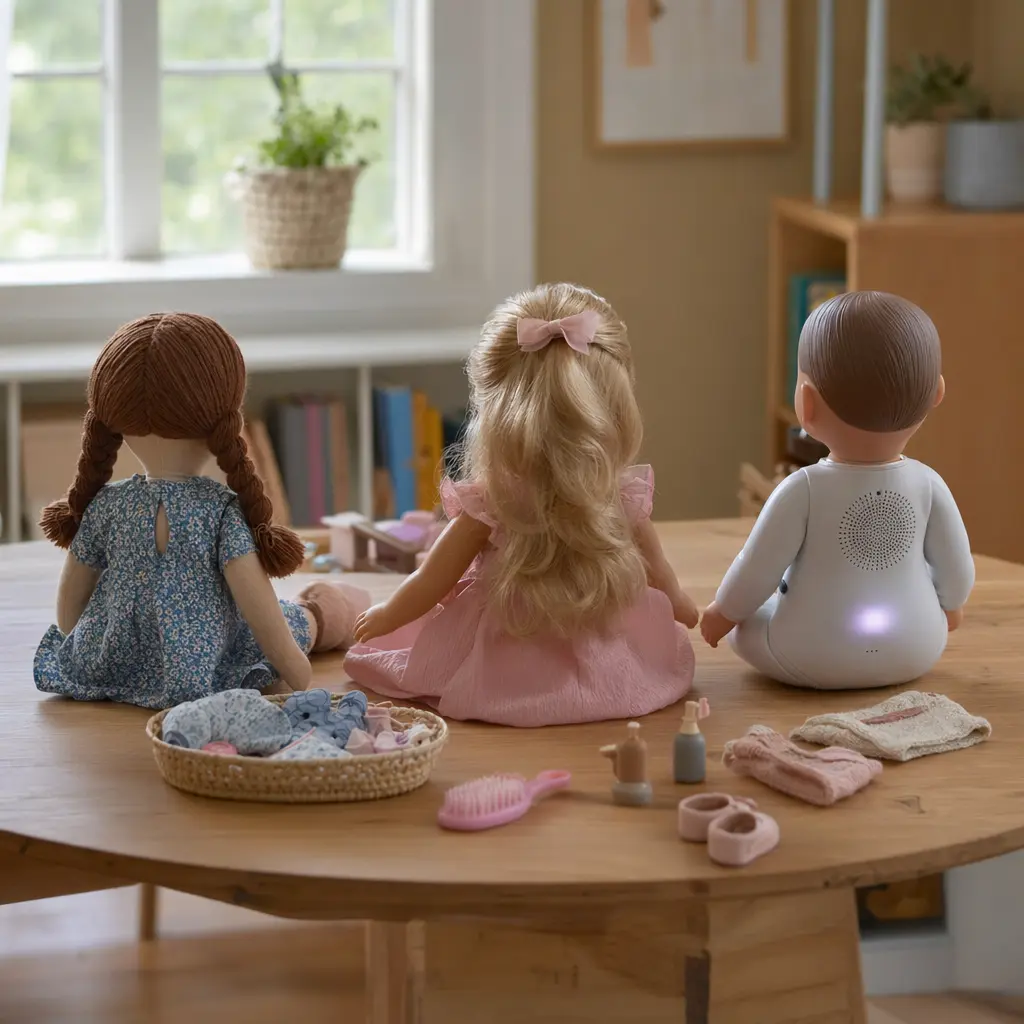
For children ages 6–8, dolls often become tools for bigger stories, longer play sessions, and more complex ideas about friendship and problem-solving. Parents today can choose between classic dolls that rely on imagination and newer smart dolls that respond with sounds, movement, or app-based features. Each type supports play in different ways, and the better choice depends on how your child likes to play and what you want from a toy.
What to look for
When comparing classic dolls and smart dolls, it helps to look beyond the initial excitement and think about how the toy will be used over months or even years. Children in this age range are developing storytelling skills, emotional awareness, and independence in play, so durability and flexibility matter as much as novelty.
- Play style: Open-ended dolls support free storytelling, while smart dolls often guide play with prompts or responses.
- Durability: Classic dolls usually have fewer parts that can break, while smart dolls include electronics that may wear out.
- Learning focus: Some smart dolls emphasize letters, numbers, or routines; classic dolls focus more on social and emotional play.
- Maintenance: Smart dolls may need charging, batteries, or app updates; classic dolls typically do not.
- Longevity: Consider whether the toy will still feel engaging once the novelty wears off.
Age suitability
Ages 6–8 sit in a middle ground where kids are capable of following instructions but still value imaginative freedom. Classic dolls tend to grow with the child, allowing stories to become more detailed over time. Smart dolls can be appealing at this age because children can understand cause-and-effect interactions, but some may outgrow scripted responses faster than expected. Matching the doll’s complexity to your child’s attention span is key.
Standout categories or types
Classic dolls are often praised for their simplicity. Without built-in scripts, children create their own characters, voices, and conflicts. This kind of play supports creativity and social skills, especially during solo play or cooperative play with friends.
Smart dolls add another layer by responding to touch, voice, or accessories. Some are designed to encourage routines like getting ready for school, while others focus on trivia or simple games. These features can feel exciting and educational, but they may also steer play in a narrower direction.
- Classic fashion or baby dolls: Best for open-ended storytelling and role-play.
- Smart interactive dolls: Designed for guided play, routines, or basic learning prompts.
- Hybrid dolls: Mostly traditional dolls with limited sound or motion features.
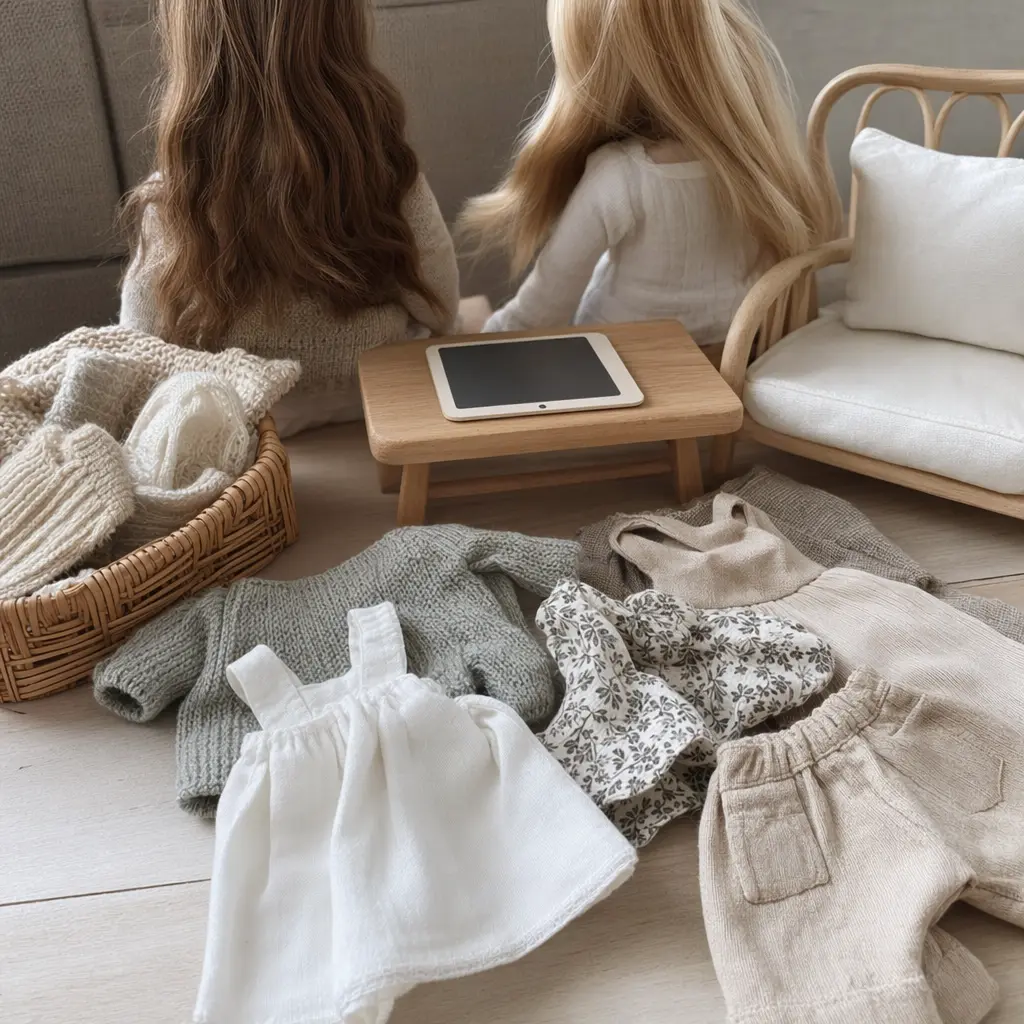
- Accessory-driven sets: Dolls that rely on outfits, furniture, or environments rather than electronics.
Frequently asked questions
Do smart dolls replace imaginative play?
They don’t replace it, but they can shape it. Smart dolls often guide play with specific responses, while classic dolls leave all storytelling decisions to the child.
Are classic dolls outdated?
Not at all. Many children still prefer toys that let them invent their own stories without limits or instructions.
How long do smart dolls usually stay interesting?
Interest varies by child. Some enjoy interactive features for years, while others lose interest once they’ve heard most of the responses.
Can both types work in the same playroom?
Yes. Many families find that mixing classic and smart dolls gives children options depending on their mood and play style.
Choosing between classic dolls and smart dolls isn’t about which is better overall, but which fits your child right now. Classic dolls shine for creativity and long-term play, while smart dolls can add excitement and structure. For many families, a balance of both offers the widest range of play experiences.