Fashion Polly: The oversized reboot that changed a doll line
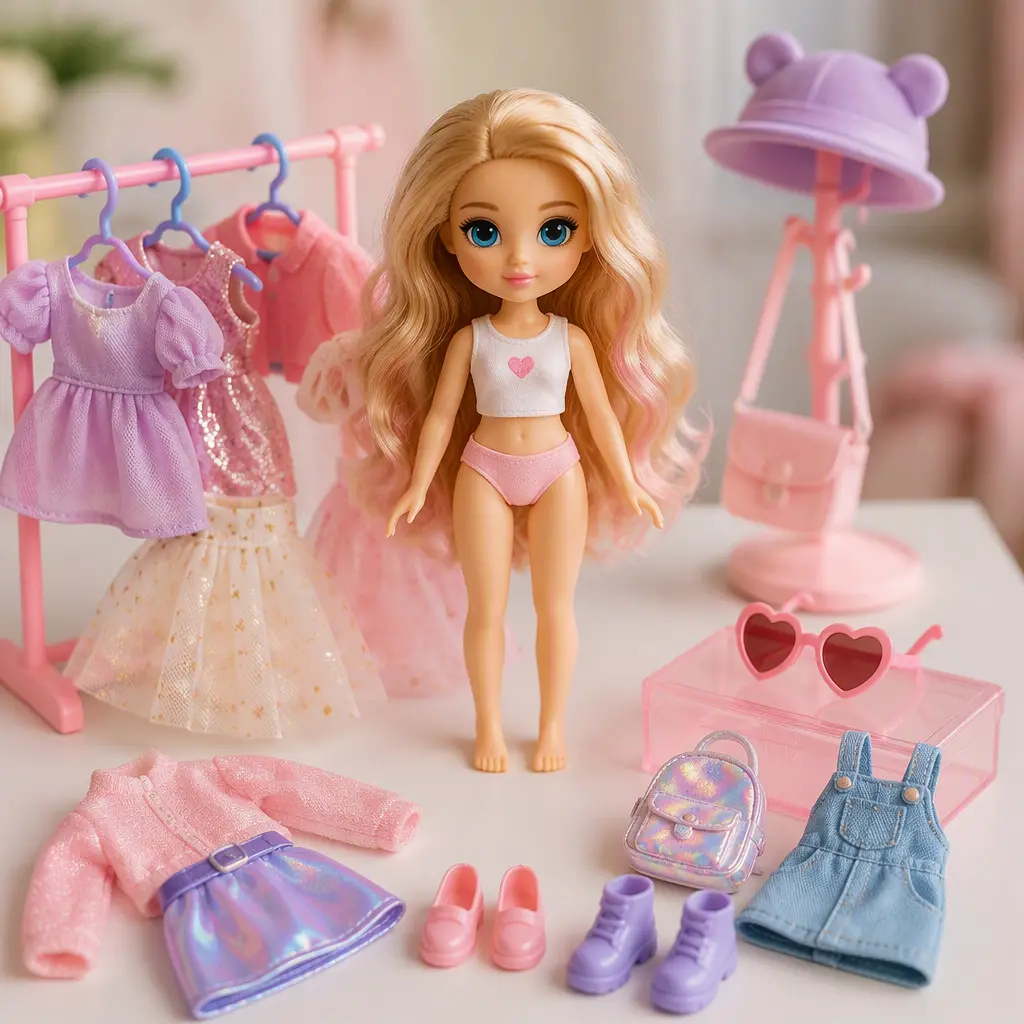
Fashion Polly marked a dramatic shift from the tiny compact dolls of the late 1980s to larger, dress-up-focused figures that chased changing trends in the toy aisle.
Compare prices and availability
Check current prices and availability for this guide on eBay.
As an eBay Partner, we may be compensated if you make a purchase.
For many toy fans, Polly Pocket began as a tiny world hidden inside compact cases small enough to fit in a backpack or coat pocket. By the late 1990s and early 2000s, however, the line took a sharp turn. Fashion Polly transformed the brand into something bigger, brighter, and more directly aimed at the fashion-doll aisle. The dolls grew in size, gained soft rubber clothing, and shifted the focus from miniature environments to styling, collecting, and outfit swapping. It was one of the more dramatic reinventions of a major toy property, and it remains a fascinating example of how toy companies respond to changing trends and competition.
Where it came from
Polly Pocket first appeared in 1989 as a line of tiny dolls and folding playsets developed in the United Kingdom. The original concept centered on miniature worlds tucked into compact cases shaped like hearts, shells, and other playful objects. Children could carry entire scenes in a pocket or bag, and the small scale became the brand’s defining feature. Bluebird Toys launched the line before it was later acquired by Mattel, which expanded Polly Pocket into a global brand during the 1990s.
Fashion Polly emerged during a period when the toy industry was increasingly focused on larger dolls with changeable outfits and visible accessories. Competitors in the fashion category were dominating store shelves, and miniature playsets were no longer the only growth area for girls’ toys. Mattel responded by enlarging Polly into a more traditional doll format while trying to preserve some of the original brand identity through bright colors, portability, and themed accessories. The oversized reboot was controversial among longtime fans, but commercially it gave Polly a second life with a new generation.
Why it works
Fashion Polly succeeded because it simplified fashion play for younger children. Instead of tiny fabric outfits with snaps or Velcro, many versions used flexible rubber clothing pieces that stretched over the dolls. This made dressing the figures easier for smaller hands while also giving the line a highly recognizable visual style. The dolls themselves were compact enough to travel easily but large enough to support more expressive accessories, hairstyles, pets, vehicles, and themed playsets.
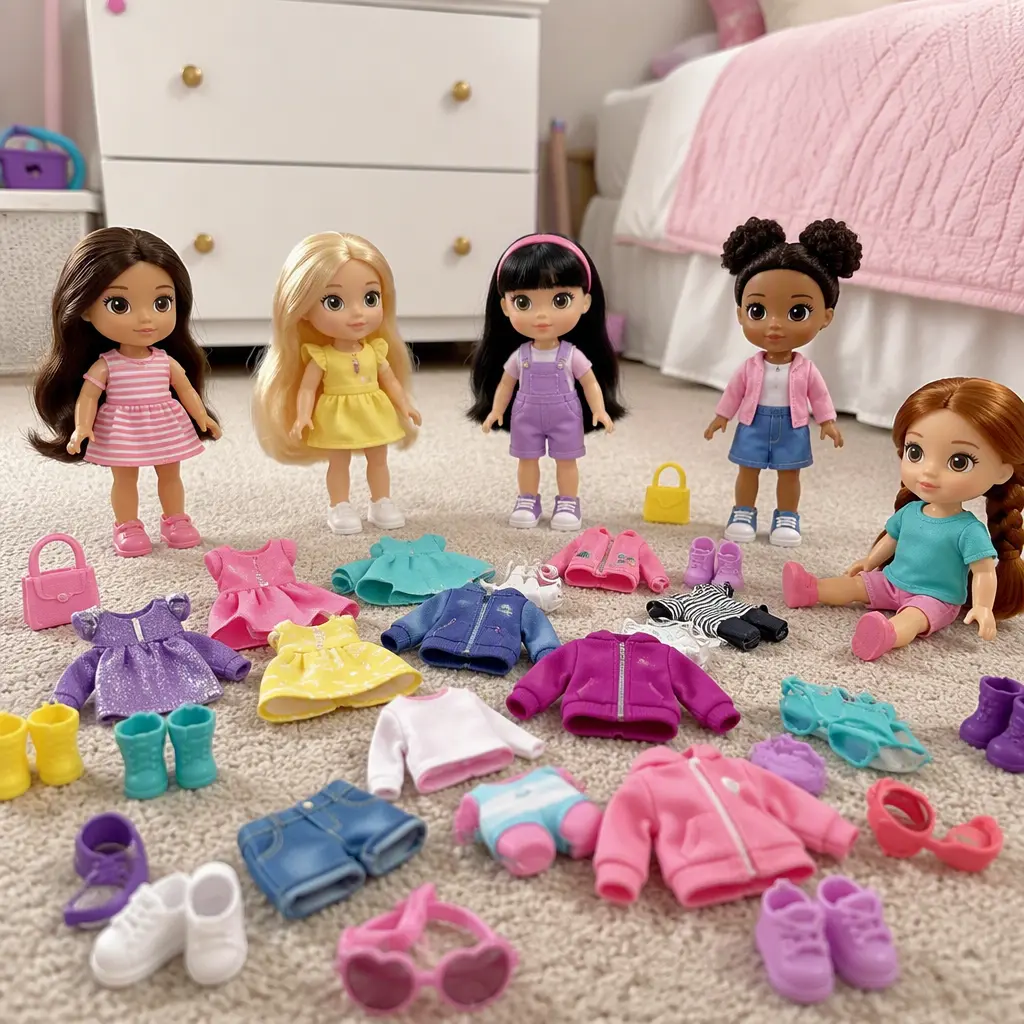
The design also tapped into the early-2000s love of bright colors and customizable toys. Fashion Polly sets often mixed fashion play with hobbies, travel themes, music, sports, or fantasy scenarios. The emphasis was less on realism and more on energetic, exaggerated fun. Children could rapidly swap outfits and accessories without needing adult help, which encouraged repeat play and collecting.
- Soft removable clothing designed for quick outfit changes
- Compact doll size that balanced portability with visibility
- Bright color palettes and highly stylized accessories
- Playsets focused on fashion, hobbies, pets, and social activities
- Mix-and-match parts that encouraged collecting and customization
Who it's for
Fashion Polly was primarily aimed at younger elementary-school children who enjoyed dress-up and imaginative storytelling without the complexity of larger fashion dolls. The softer clothing system appealed to kids still developing fine motor skills, while the smaller scale made the toys easier to store and transport. Today, the line also attracts adult collectors who grew up during the late 1990s and early 2000s toy boom. Some collectors focus on complete playsets and accessories, while others are interested in the broader history of how toy brands evolve over time.
Variants and what to look for today
The Fashion Polly era included many different styles and themes. Some dolls leaned heavily into everyday fashion and shopping themes, while others explored fantasy settings, vacations, music performance, or school life. Certain releases emphasized compact carrying cases that nodded to the original Polly Pocket concept, while others expanded into larger interactive play environments. Over time, materials and proportions changed as safety standards evolved and toy trends shifted again.
Collectors and parents shopping today will usually encounter a mix of vintage and newer interpretations. Vintage sets may show wear on the soft clothing pieces, which can stretch, crack, or discolor with age. Missing accessories are also common because many sets included numerous small parts. Modern versions inspired by the Fashion Polly era tend to use sturdier materials and simpler accessory systems, though longtime fans often prefer the highly colorful look of the early releases.
- Check older dolls for wear or stickiness on soft clothing pieces
- Look for complete accessory sets if buying secondhand
- Storage cases help keep smaller accessories organized
- Avoid heavily damaged rubber pieces that may split during play
- Modern reinterpretations may differ significantly in scale and style
Frequently asked questions
Was Fashion Polly the same as the original Polly Pocket?
No. The original Polly Pocket line focused on extremely small dolls and compact miniature worlds. Fashion Polly enlarged the dolls and shifted attention toward clothing changes, accessories, and broader fashion play patterns.
Why did the dolls become larger?
The larger scale reflected broader toy-market trends during the late 1990s and early 2000s. Bigger dolls allowed for more detailed accessories, easier outfit changes, and stronger competition within the fashion-doll category.
Are vintage Fashion Polly toys collectible?
Yes. Many adults who grew up with the line now collect dolls, carrying cases, and themed playsets. Complete sets with intact accessories are generally the most sought after because many original pieces were easily lost over time.
Do modern Polly dolls still use the same clothing style?
Some newer versions continue the mix-and-match fashion approach, but the exact materials and scale have changed several times. Different generations of Polly toys can feel very different depending on when they were produced.
Fashion Polly represents a rare moment when a toy company fundamentally reshaped a well-known brand in response to changing tastes. For some fans, the oversized dolls marked a break from the charm of the original miniature worlds. For others, they opened the door to a more accessible and energetic style of play. Either way, the line remains an important chapter in toy history because it shows how even the most recognizable toys are constantly redesigned to keep pace with new audiences.