Tech Dolls for Kids: What They Actually Add to Play
A parent-friendly guide to tech dolls for ages 6–8, explaining which electronic features support imagination and storytelling—and which can distract or limit play.
Compare prices and availability
Check current prices and availability for this guide on eBay.
As an eBay Partner, we may be compensated if you make a purchase.
Tech dolls blend traditional doll play with electronic features like lights, sounds, sensors, or app connections. For kids ages 6–8, these additions can either deepen storytelling or pull attention away from open-ended play. This guide explains what electronic features actually add value, which ones may distract, and how to choose options that support creativity rather than replace it.
What to look for
Not all electronics are equal when it comes to play value. The most helpful features are those that respond to a child’s ideas instead of directing every action. When evaluating tech dolls, focus on how the technology supports imagination, flexibility, and social play.
- Open-ended responses: Sounds or phrases that change based on different actions, rather than repeating the same script.
- Manual control options: Buttons or switches that kids choose to activate, instead of constant automatic sounds.
- Story prompts, not full stories: Short cues that spark ideas without telling kids exactly what to say or do.
- Durability and simplicity: Electronics that are sturdy and easy to use reduce frustration during play.
- Offline play value: Dolls should still be engaging when batteries are off or apps aren’t in use.
Age suitability
For children ages 6–8, play often becomes more narrative-driven and social. Kids in this range enjoy creating characters, conflicts, and solutions. Tech features can support this by adding interactive elements, but overly complex systems or app-heavy designs may interrupt the flow of play. Look for features that match a child’s reading level, attention span, and comfort with independent play.
Standout categories or types
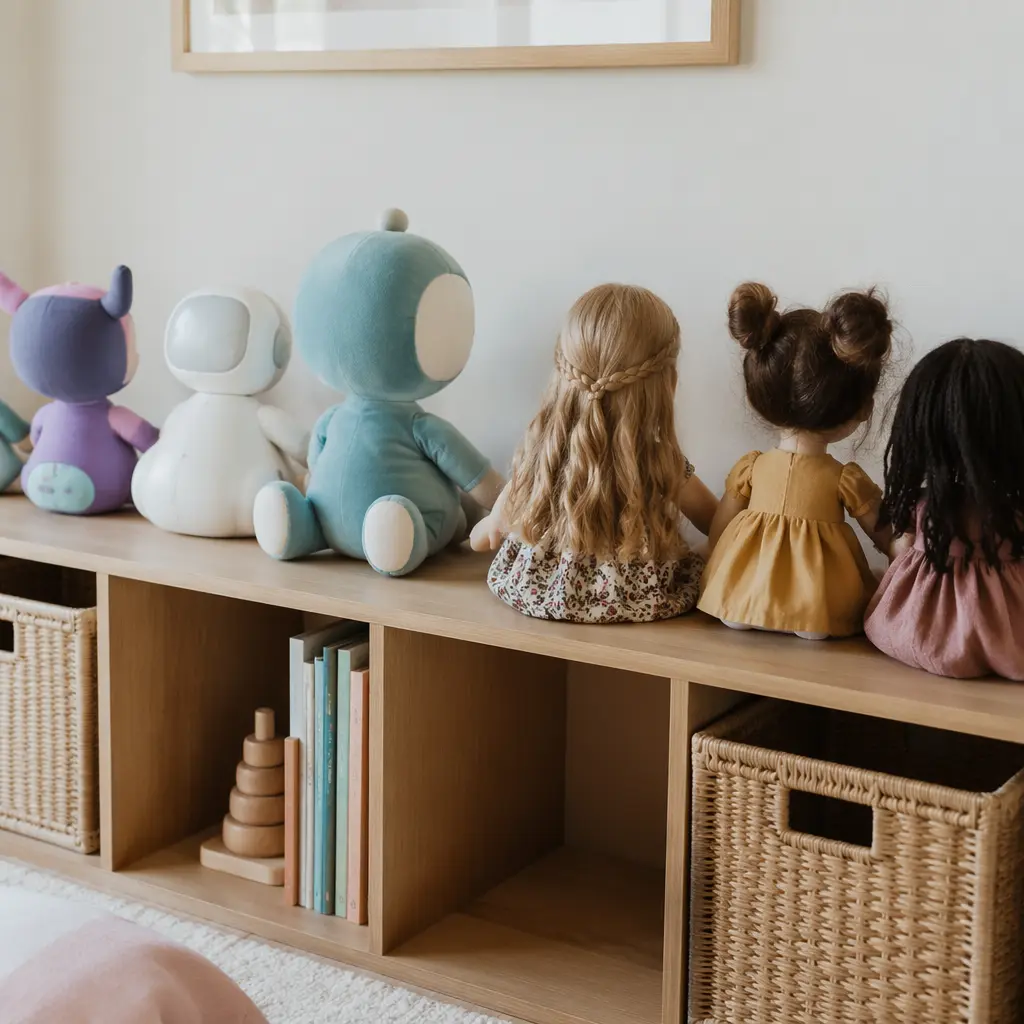
Some types of tech dolls tend to support imaginative play better than others. The key difference is whether the technology invites participation or performs for the child. Categories that encourage kids to make choices usually have a longer play lifespan.
- Interactive-but-quiet dolls: Limited sounds or lights that activate during specific moments, leaving room for conversation and role-play.
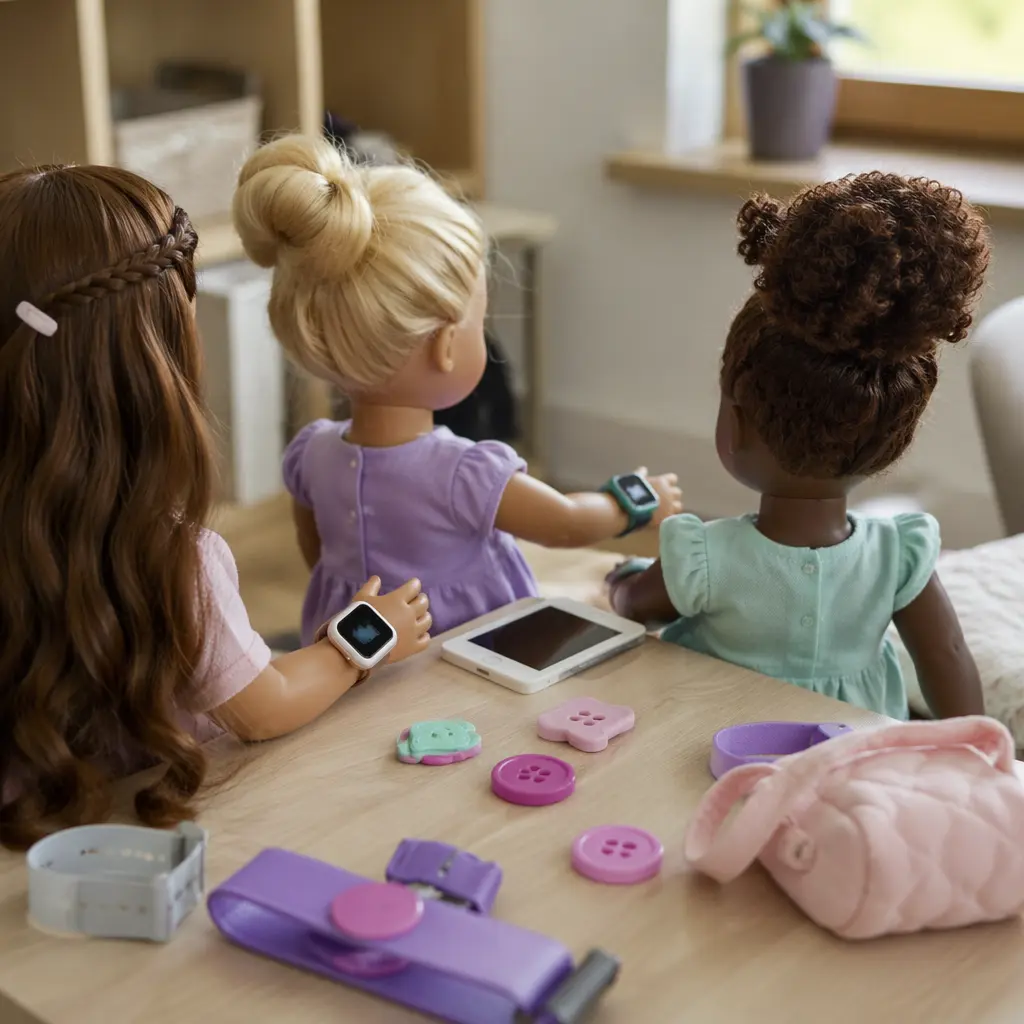
- Accessory-driven tech dolls: Electronics built into items like backpacks or tools, which can be used across different storylines.
- Customizable response dolls: Options that let kids choose modes or settings, making the doll feel adaptable to different characters.
- Learning-light dolls: Simple educational features, such as time or routine cues, that blend into pretend scenarios.
Frequently asked questions
Do tech dolls limit imagination?
They can, but it depends on the design. Dolls that talk constantly or follow a fixed script may narrow play options. Those that respond occasionally or offer prompts tend to support imagination instead of replacing it.
Are app-connected dolls necessary for this age?
Not usually. Many kids ages 6–8 prefer physical play without switching screens on and off. App features can add variety, but they work best as optional extras rather than required components.
How loud should electronic features be?
Volume control is important. Adjustable or naturally quiet sounds help keep play calm and social, especially during shared or classroom-style play.
Will kids outgrow tech dolls faster?
Dolls with flexible features tend to last longer. If the technology supports different stories and roles, kids are more likely to keep using them as interests change.
Tech dolls can be a positive addition to play when their electronic features stay in the background and let kids lead the story. By focusing on flexibility, simplicity, and offline play value, parents can choose options that enhance creativity rather than compete with it.