Bouncy Castle: The inflatable invention that reshaped party play
Originally created by accident in the late 1950s, the bouncy castle turned a simple inflatable experiment into one of the most recognizable centerpieces of birthday parties and community events.
Compare prices and availability
Check current prices and availability for this guide on eBay.
As an eBay Partner, we may be compensated if you make a purchase.
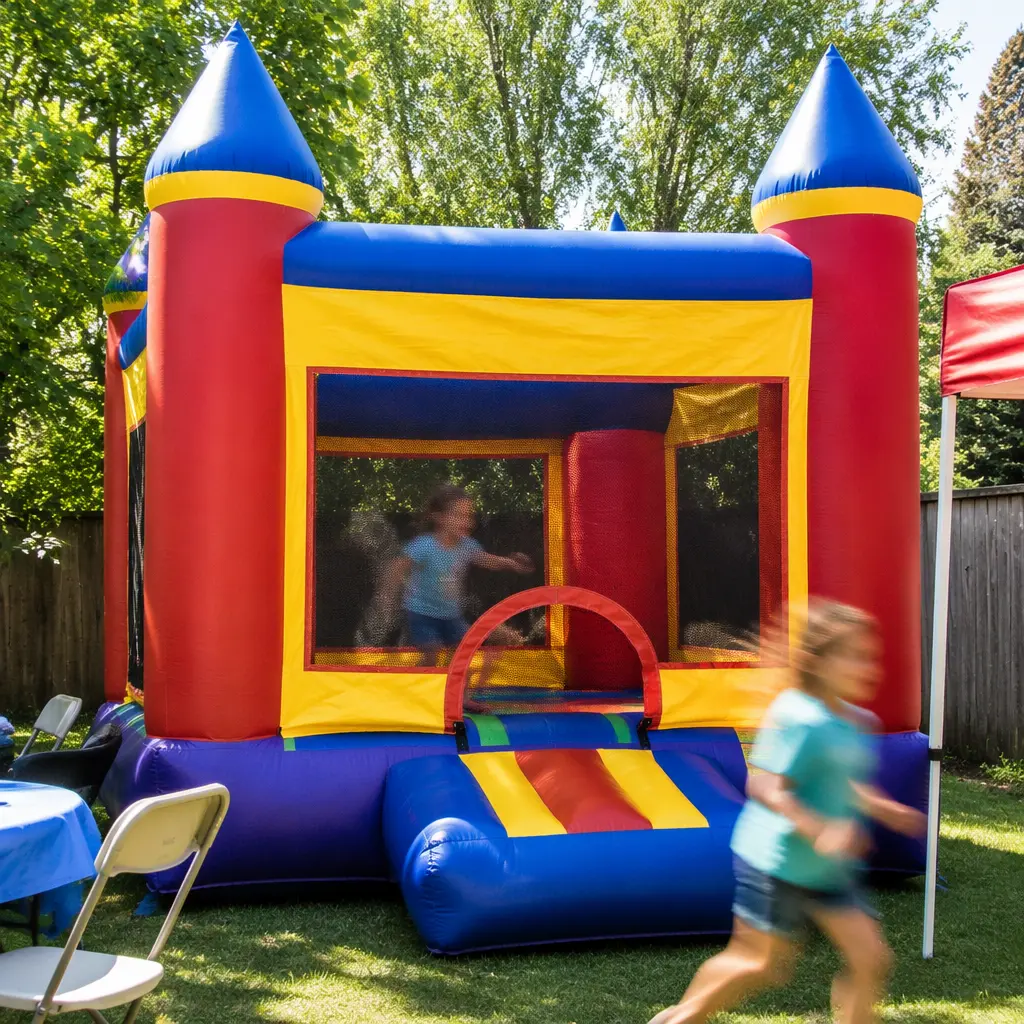
Few pieces of play equipment can change the mood of a gathering as quickly as a bouncy castle. The sight of a giant inflatable structure rising in a backyard or school field still signals the same thing it did decades ago: a special occasion is underway. What began as an accidental discovery in industrial materials became one of the defining attractions of birthday parties, fairs, school events, and community celebrations around the world. Its appeal is remarkably simple. Children instinctively understand the fun of jumping, falling, and rebounding in a space designed almost entirely for movement.
Where it came from
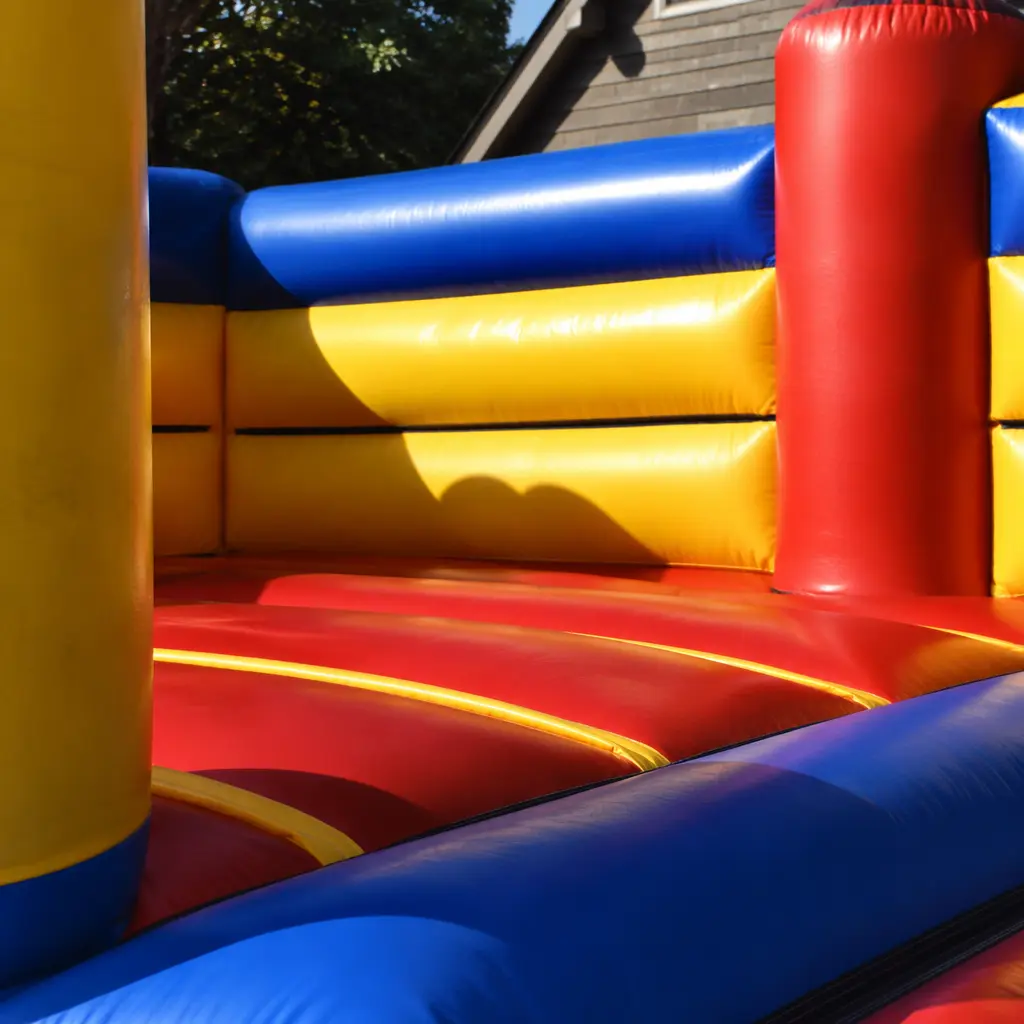
The modern bouncy castle traces back to engineer John Scurlock in 1959. While working with inflatable covers for industrial equipment and tennis courts, Scurlock noticed that employees enjoyed jumping on the inflatable surfaces more than using them for their intended purpose. That accidental observation led to the first inflatable play structures, initially called “Space Pillows” and later evolving into the bounce houses and inflatable castles familiar today.
Early inflatable play structures were much simpler than modern versions. They relied on constant airflow from electric blowers and used heavy vinyl-like materials designed to survive repeated outdoor use. By the 1970s and 1980s, rental companies had helped turn inflatables into a staple of birthday entertainment. Their popularity grew because they offered something many traditional playgrounds could not: a large, enclosed play environment that felt energetic and slightly chaotic while still remaining relatively controlled.
Why it works
The core idea behind a bouncy castle has barely changed because the play pattern remains universally appealing. Jumping activates balance, coordination, and spatial awareness, but it also creates a sense of weightlessness that feels unusual compared with everyday movement. Children can tumble, rebound, and experiment physically in ways that are difficult to recreate indoors. The inflated floor softens impacts while the surrounding walls create boundaries that encourage energetic group play.
Part of the enduring success comes from the social nature of inflatable play. Unlike toys designed for solo use, bounce houses naturally create shared games and improvised rules. Kids race from corner to corner, invent obstacle challenges, or simply bounce together until exhaustion takes over. The design also scales well. Small backyard units exist alongside giant inflatables with slides, climbing areas, and obstacle sections for school carnivals or public events.
- Large open jumping surface encourages active movement
- Inflated walls create a contained play space
- Soft air-filled flooring changes how children balance and move
- Works equally well at private parties and large public events
- Easy setup and transport compared with permanent playground structures
Who it's for
Bouncy castles are primarily designed for children, though the exact age range depends on the size and construction of the inflatable. Smaller units often suit preschool and elementary-age kids, while larger commercial inflatables can accommodate older children and teenagers. Adults are part of the appeal too, even when they are not participating directly. For many parents, inflatables solve a familiar party problem by giving groups of children a shared activity that burns energy quickly. Nostalgia also plays a role. Adults who grew up attending inflatable-filled birthday parties in the 1980s, 1990s, and early 2000s now rent or buy similar setups for their own families.
Variants and what to look for today
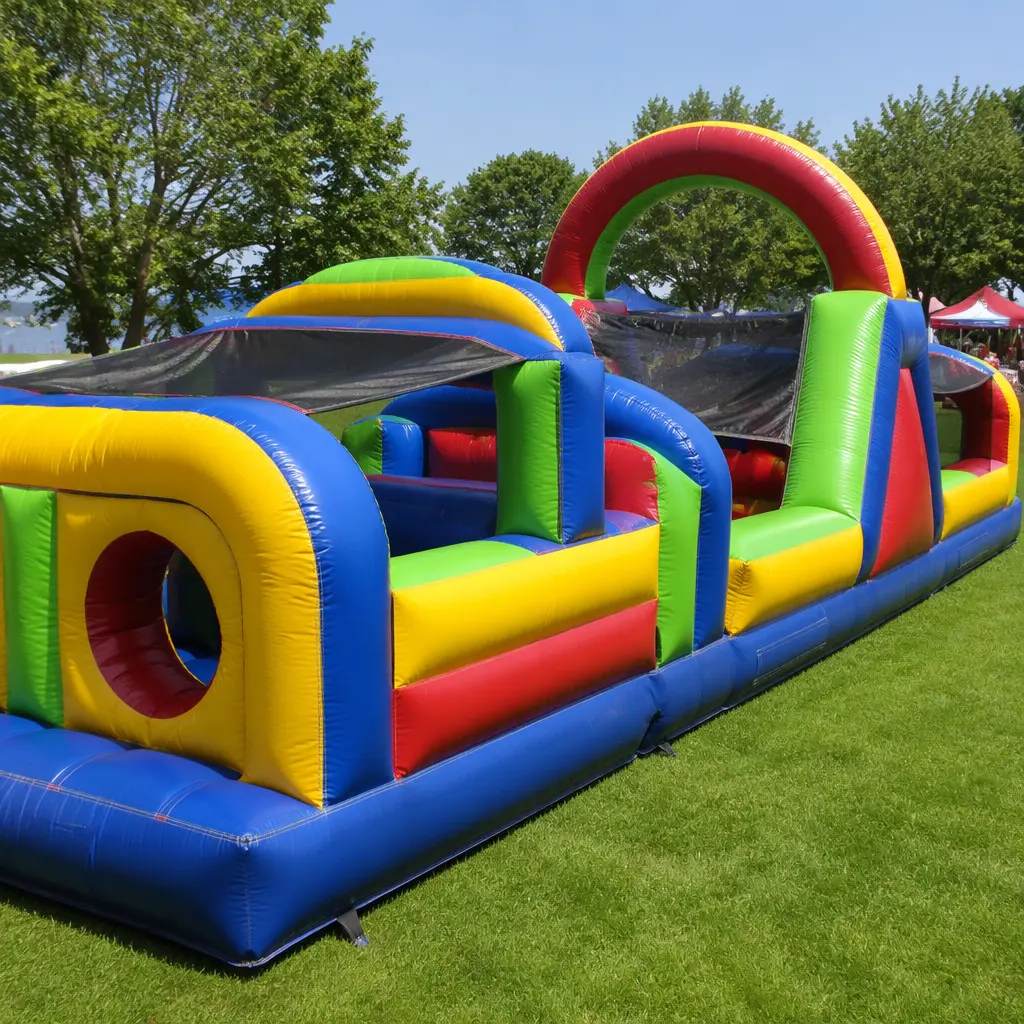
Modern inflatable play structures now cover a much wider range than the classic square bounce house. Some combine slides, climbing walls, tunnels, ball pits, or water-play features into a single inflatable unit. Others lean into themed designs inspired by castles, tropical islands, sports arenas, or obstacle courses. Despite the variety, the most important differences are usually practical rather than decorative.
Material quality, blower reliability, stitching strength, and safety features matter far more than visual themes. Commercial-grade inflatables typically use thicker reinforced materials designed for repeated setup and heavy use. Home models are lighter and easier to store but may wear more quickly if left outdoors for long periods. Buyers and renters should also pay attention to anchoring systems and recommended occupancy limits. Generic low-quality inflatables can sometimes use thinner materials or weaker seams that struggle under repeated stress.
- Backyard bounce houses for home use
- Commercial inflatables for schools and event rentals
- Combo units with slides or obstacle features
- Water-compatible inflatables for summer use
- Compact models designed for smaller outdoor spaces
Frequently asked questions
Why do bouncy castles need a blower running constantly?
Most inflatables are designed with continuous airflow systems. The blower replaces air that naturally escapes through seams and movement, which keeps the structure firm and safe for jumping.
Are home inflatable bounce houses different from rental units?
Yes. Rental-grade inflatables are generally built from heavier materials intended for frequent transport and repeated use. Home versions are usually lighter, easier to store, and sized for smaller groups.
What surfaces work best underneath a bounce house?
Grass is usually preferred because it provides a softer base and allows secure anchoring. Some inflatables can be used on pavement with proper padding and tie-down systems, but setup instructions should always be followed carefully.
Why have bouncy castles stayed popular for so long?
The idea taps into a very basic form of physical play that rarely goes out of style. Jumping, tumbling, and shared movement are immediately engaging for children, while the inflatable format remains portable enough for parties and events.
More than sixty years after its accidental invention, the bouncy castle remains one of the clearest examples of how a simple idea can define generations of play. It combines spectacle, movement, and social interaction in a format that works almost anywhere with enough open space and a power outlet. Trends in toys change constantly, but inflatable play structures continue to return at birthdays, festivals, and school fairs because they deliver something timeless: the excitement of turning ordinary ground into a place where gravity suddenly feels optional.