Cheap Backyard Toys That Encourage Safe Toddler Climbing
A parent-friendly guide to low-cost backyard toys that help 1–2 year olds practice safe climbing, balance, and confidence—what to look for, age fit, and smart safety tips.
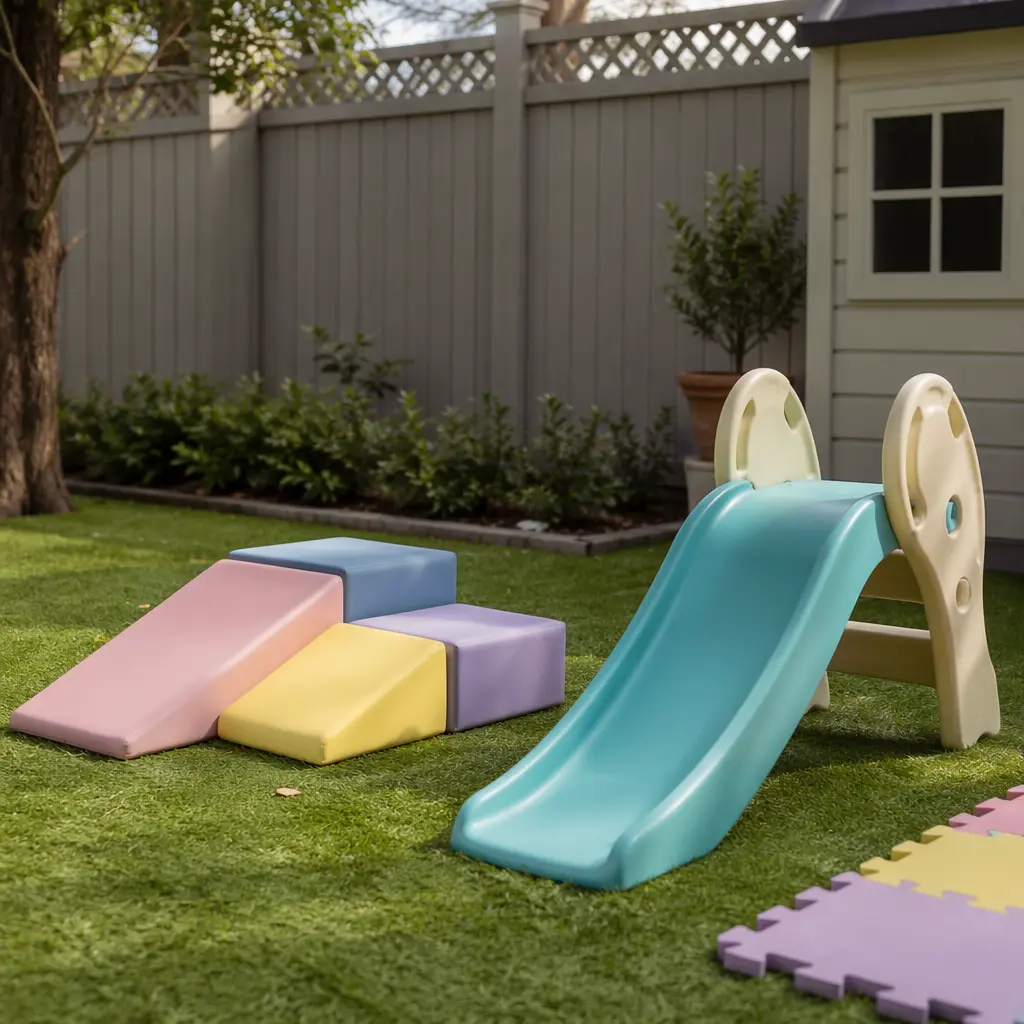
Compare prices and availability
Check current prices and availability for this guide on eBay.
As an eBay Partner, we may be compensated if you make a purchase.
Toddlers love to climb. Pulling up, stepping over, and scrambling onto low objects are all part of how 1–2 year olds build strength and confidence. The good news for parents is that safe climbing does not require expensive playsets. With the right low-cost backyard toys, you can support gross motor development while keeping risk manageable and supervision simple.
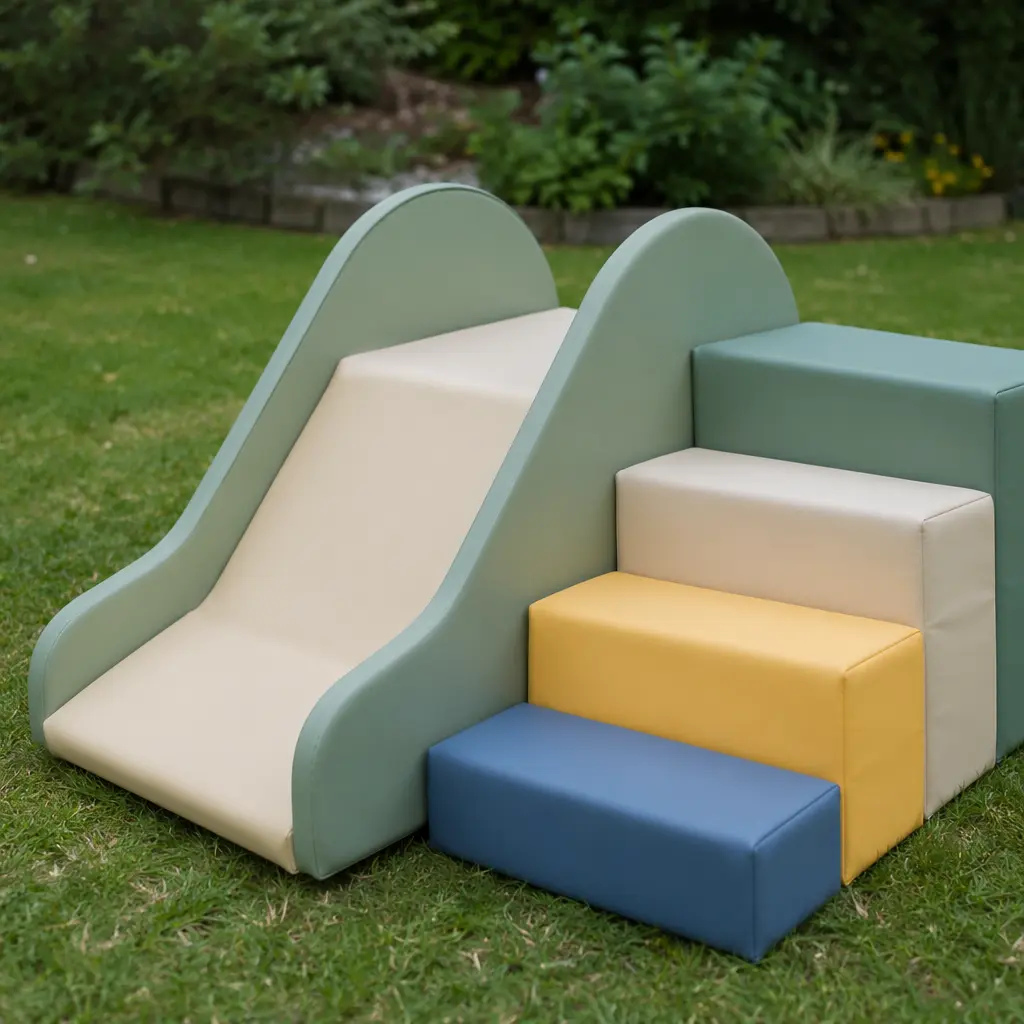
What to look for
When shopping for affordable backyard climbing toys for toddlers, focus less on size and features and more on stability, materials, and how the toy supports early movement skills. At this age, simpler is usually safer.
- Low height: Platforms and steps should be close to the ground so falls are short and slow.
- Wide bases and anti-tip design: A stable footprint matters more than extra attachments.
- Non-slip surfaces: Textured plastic, foam, or rubberized areas help small feet grip.
- Rounded edges: Avoid sharp corners or exposed hardware.
- Weather-appropriate materials: Outdoor plastic, sealed wood, or closed-cell foam hold up better outside.
- Easy supervision: Open designs let you see where hands and feet are at all times.
Age suitability
For children between 1 and 2 years old, climbing toys should match early walking and cruising skills. Many toddlers in this range are still unsteady, so the goal is not height or speed. Look for toys designed for beginners—short slides, two-step climbers, or crawl-up ramps. If a toy is labeled for older preschoolers, it may be too tall or too fast for this age group, even if it looks simple.
Standout categories or types
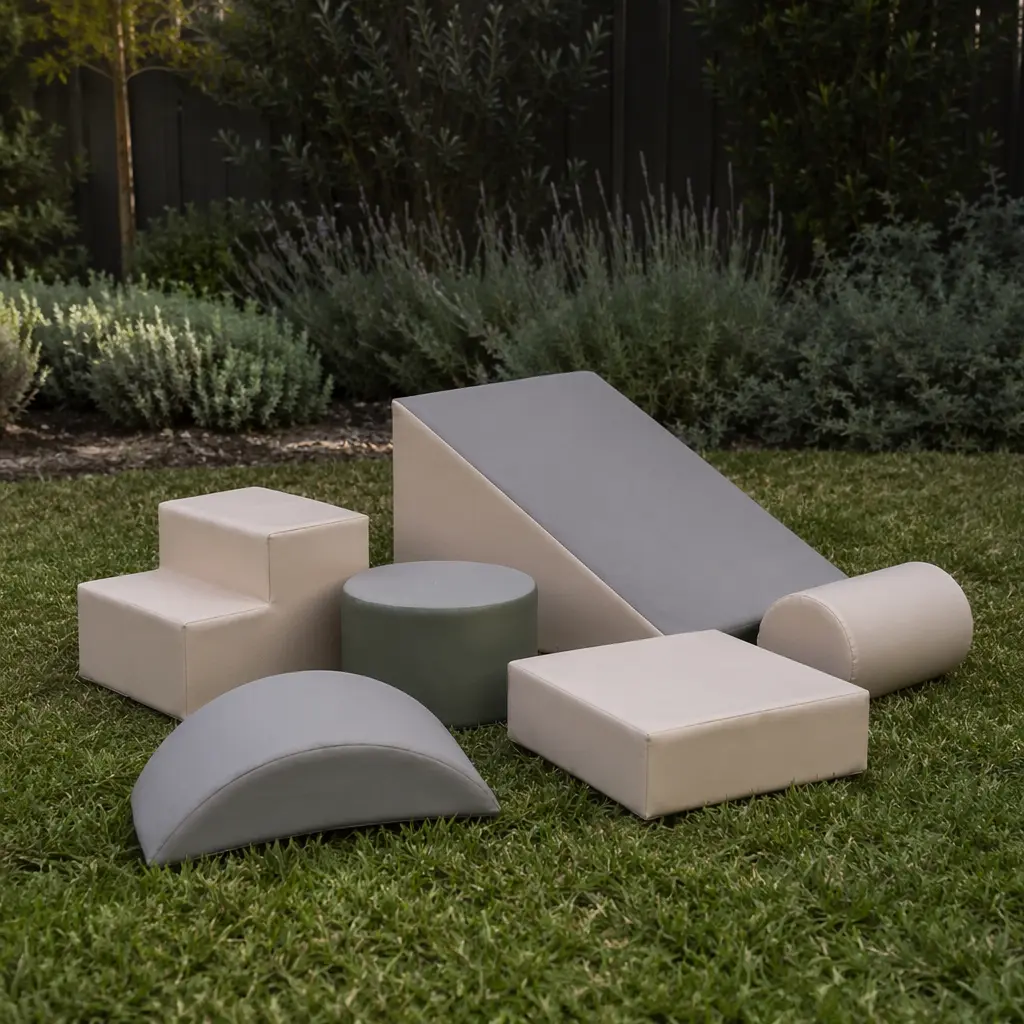
Budget-friendly toddler climbing toys tend to fall into a few reliable categories. Each supports slightly different skills, so mixing one or two types can create a well-rounded backyard setup without taking up much space.
- Low plastic slides: Short slides with wide steps help toddlers practice climbing up and sitting down safely.
- Foam climbing blocks: Lightweight foam shapes let children stack, step, and crawl with minimal impact if they slip.
- Wooden balance and climb sets: Simple ramps or arches encourage slow, controlled movement and balance practice.
- Push-and-climb structures: Sturdy walkers with a small step or platform combine cruising with climbing.
- Convertible indoor-outdoor climbers: Some low-cost sets are easy to move between inside and outside as needed.
Frequently asked questions
Is climbing safe for 1-year-olds?
Yes, when the equipment is designed for toddlers and an adult is nearby. Early climbing supports coordination and strength. The key is keeping heights low and surfaces forgiving.
How high is too high for a toddler climbing toy?
For most 1–2 year olds, platforms higher than knee height can increase fall risk. Short steps and gentle ramps are more appropriate than ladders or tall platforms.
Do I need special ground padding?
Grass can work for very low climbers, but foam mats or rubber play tiles add extra protection and are inexpensive. Avoid hard surfaces like concrete or pavers.
What signs show a toy is too advanced?
If your toddler needs to jump, climb a ladder, or rely on momentum to use the toy, it is likely meant for older children. Frequent slipping or hesitation can also be a sign.
Can indoor climbing toys be used outside?
Some can, but check material guidance. Foam and unfinished wood may absorb moisture. If used outdoors, bring them back inside after play to extend their life.
Cheap backyard climbing toys can play a big role in helping toddlers explore movement safely. By choosing low, stable designs and setting them up thoughtfully, parents can create an outdoor space that builds confidence, coordination, and joy without stretching the budget.