Cheap Outdoor Toys Toddlers Actually Use Every Day
A parent-friendly guide to low-cost outdoor toys for ages 1–2 that encourage movement, imagination, and daily play—without complicated rules or fragile parts.
Compare prices and availability
Check current prices and availability for this guide on eBay.
As an eBay Partner, we may be compensated if you make a purchase.
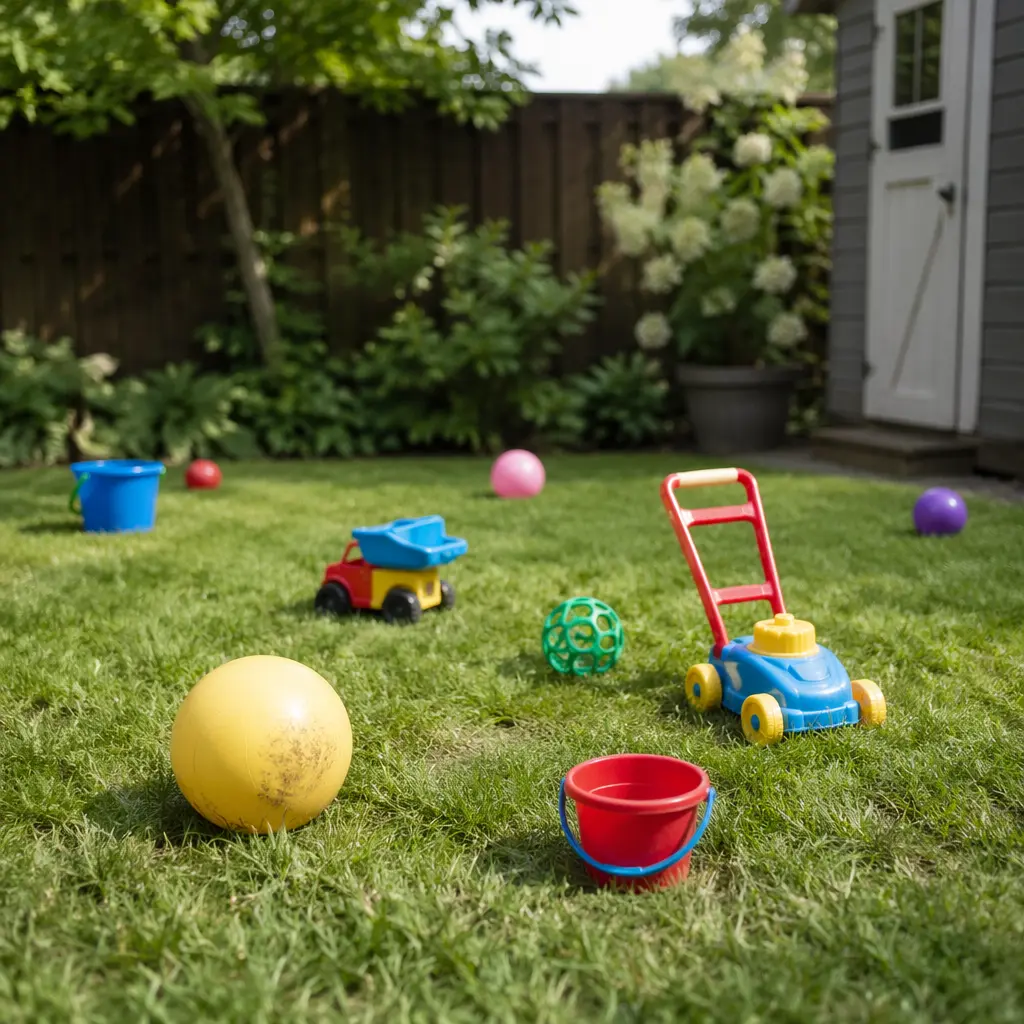
For toddlers ages 1–2, the outdoor toys that get used the most are often the simplest ones. At this stage, children are learning to walk, climb, push, carry, and explore cause and effect. Toys that support those skills—without batteries, complex rules, or delicate pieces—tend to earn daily use. The good news for parents is that many of these outdoor classics are inexpensive, durable, and easy to store. This guide focuses on budget-friendly outdoor toys that invite free play and stand up to everyday toddler use.
What to look for
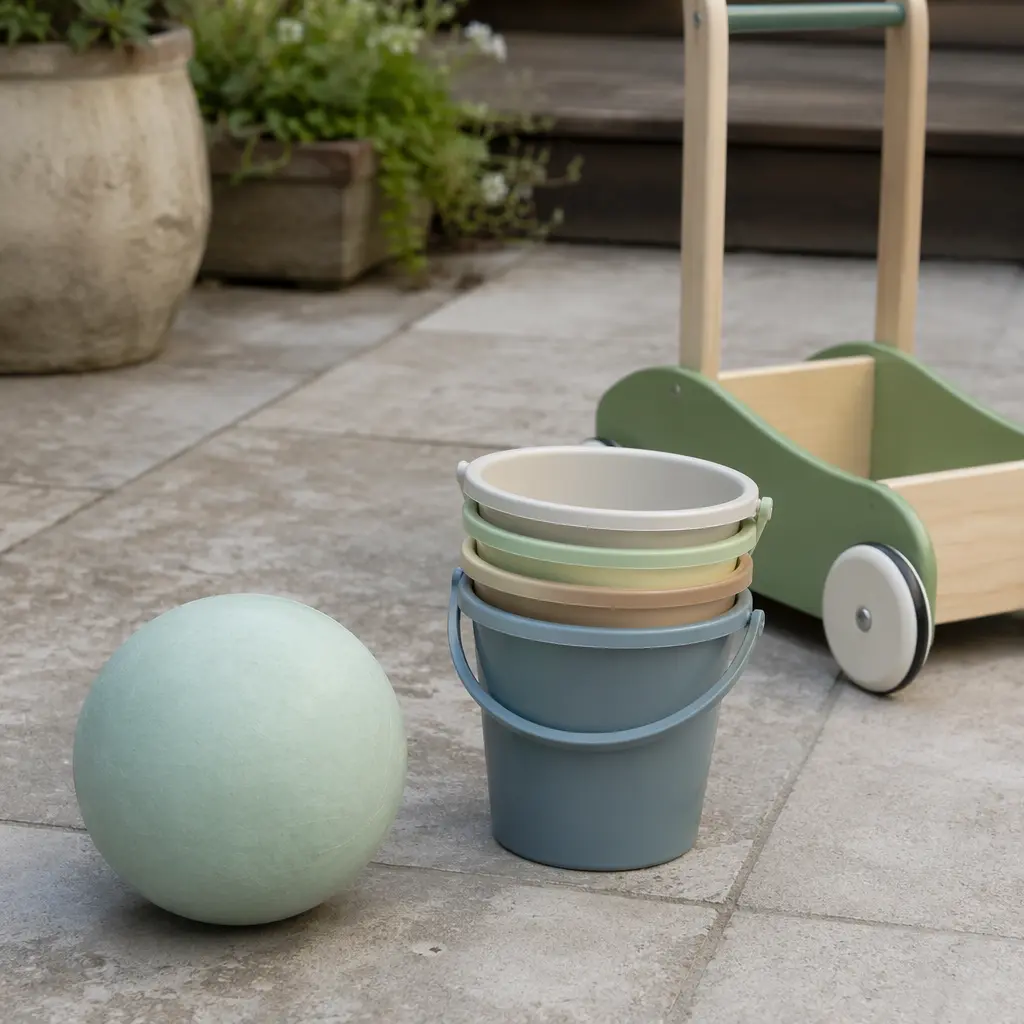
When shopping for affordable outdoor toys for young toddlers, price is only part of the equation. The best low-cost options tend to share a few practical traits that make them appealing to children and manageable for adults.
- Simple design: Toys with one clear purpose are easier for toddlers to understand and return to again and again.
- Durable materials: Thick plastic, solid wood, or rubber hold up better to being dropped, dragged, or left outside.
- Open-ended play: Items that can be used in multiple ways encourage imagination and longer playtime.
- Easy to clean: Smooth surfaces and minimal crevices make outdoor messes less stressful.
- Appropriate size: Toys should be lightweight and sized for small hands, without tiny parts.
Age suitability
Toddlers between 12 and 24 months are still developing balance, coordination, and confidence. Outdoor toys for this age group should support gross motor movement without requiring advanced skills. Look for toys that encourage pushing, pulling, throwing, scooping, or simple climbing close to the ground. Avoid items designed for older children that assume the ability to pedal, steer precisely, or follow structured game rules. Many inexpensive toys labeled for wider age ranges can still work well if they are used in a simpler, supervised way.
Standout categories or types
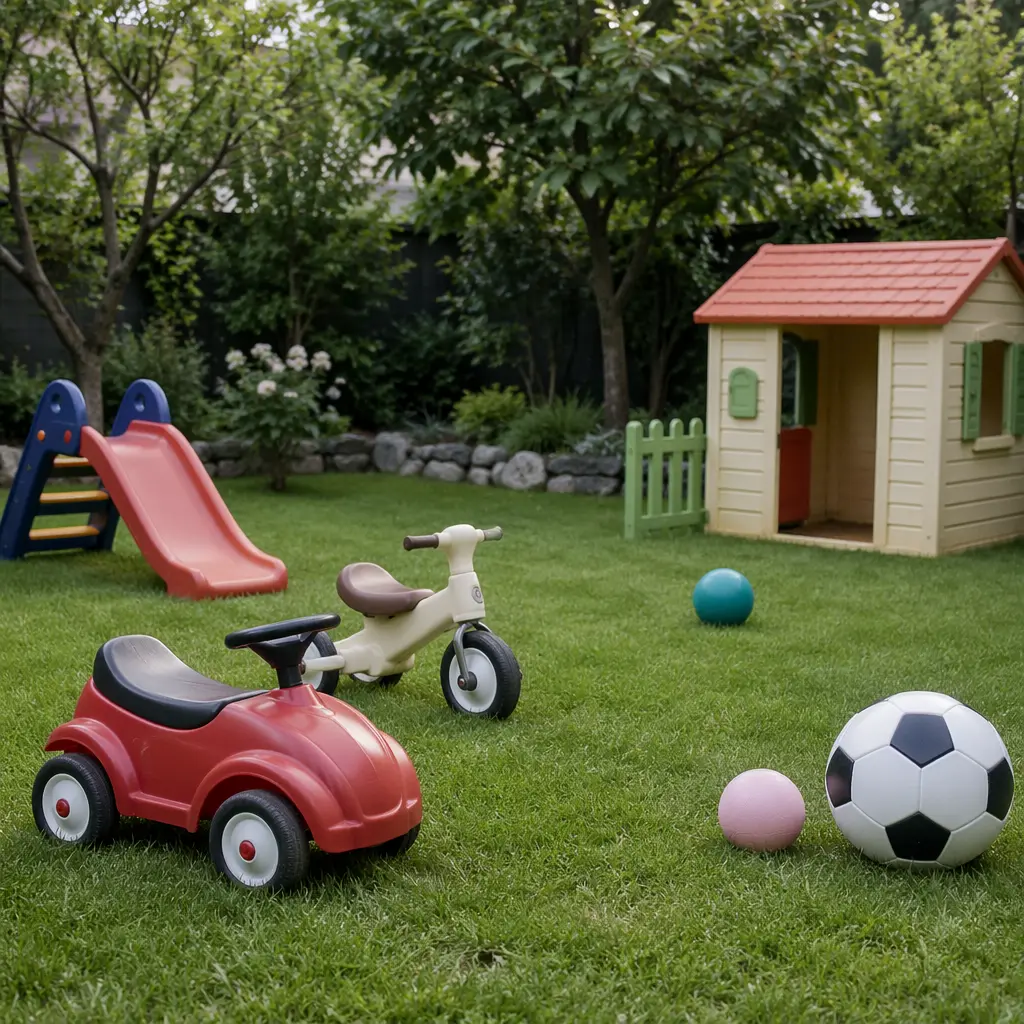
Certain types of outdoor toys consistently stand out for toddlers because they match how young children naturally play. These categories tend to offer strong value at low prices and remain useful across many months of development.
- Balls: Large, lightweight balls invite throwing, chasing, kicking, and rolling. They are easy to replace and work in almost any outdoor space.
- Push and pull toys: Items toddlers can push along the ground support early walking skills and confidence.
- Ride-on toys without pedals: Low-to-the-ground ride-ons allow children to scoot using their feet, helping balance without the complexity of pedaling.
- Sand and water play tools: Buckets, scoops, and simple molds encourage sensory play and can be used in many settings.
- Climbing and stepping toys: Small slides, foam steps, or sturdy plastic climbers designed for toddlers promote safe exploration.
Frequently asked questions
Are cheap outdoor toys safe for toddlers?
Price alone does not determine safety. Many low-cost toys are safe when they meet basic standards, are age-appropriate, and are used with supervision. Focus on sturdy construction, smooth edges, and clear age labeling.
How many outdoor toys does a toddler really need?
Most toddlers benefit from just a few well-chosen items. Rotating toys or changing how they are used can keep play fresh without adding more clutter.
Do toddlers get bored with simple toys?
Simple toys often hold attention longer because they allow children to invent their own play. As toddlers grow, they naturally find new ways to use the same objects.
Can indoor toys be used outside?
Some sturdy indoor toys can work outdoors temporarily, but materials not designed for outdoor use may fade or crack. Toys meant for outdoor play usually last longer.
For toddlers, outdoor play is less about having the latest toy and more about having space and permission to move. Affordable, no-frills outdoor toys often become daily favorites because they fit naturally into a child’s routine. By choosing simple, durable options that support early movement and exploration, parents can create a rich outdoor play environment without stretching the budget.