Outdoor Toys Tweens Will Use Without Feeling Babyish
A parent-friendly guide to durable, skill-based outdoor toys for ages 9–12. Learn what to look for, age fit, safety notes, and popular categories that keep tweens active without feeling childish.
Compare prices and availability
Check current prices and availability for this guide on eBay.
As an eBay Partner, we may be compensated if you make a purchase.
For kids ages 9–12, outdoor toys need to hit a different mark. Tweens are growing fast, care about how things look, and want activities that feel challenging rather than childish. The best options are durable, skill-based, and open-ended enough to grow with them. This guide focuses on outdoor toys that support real movement, practice, and progression—so kids keep using them long after the novelty wears off.
What to look for
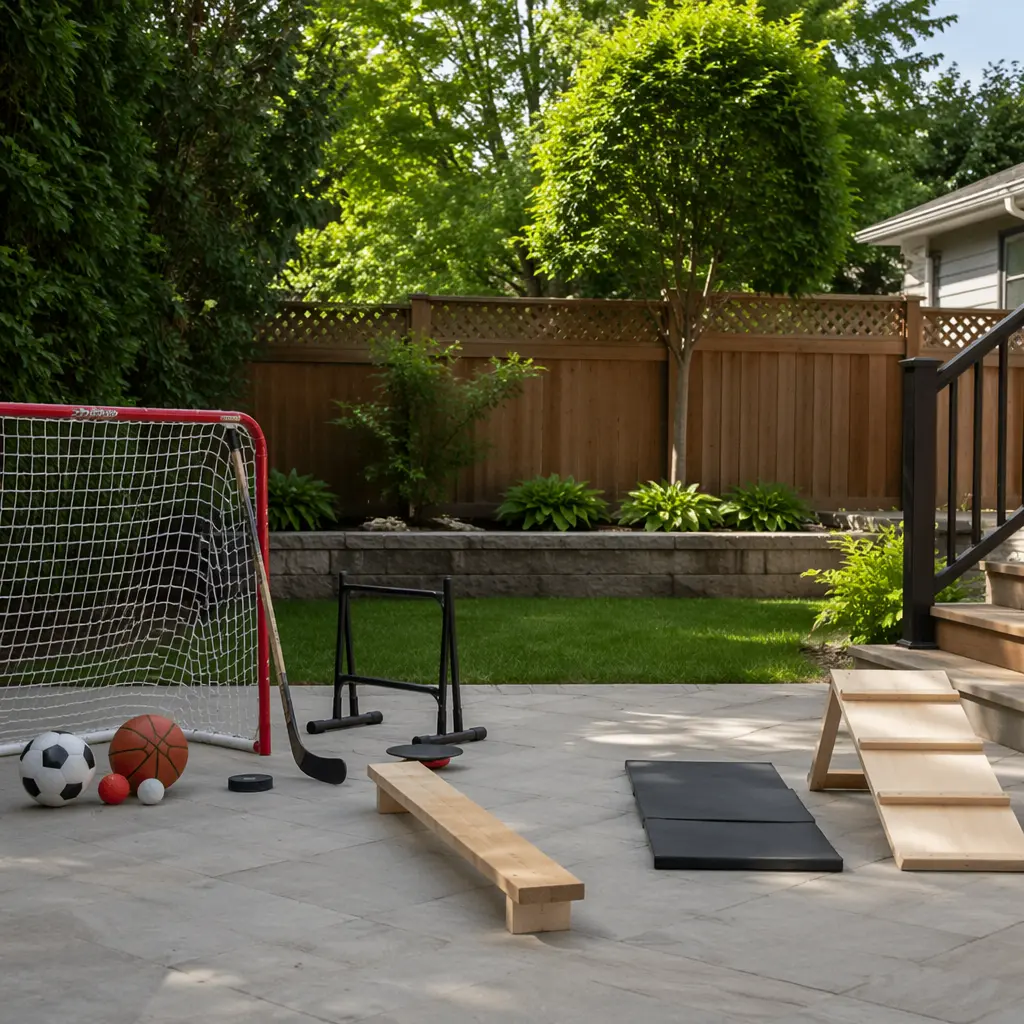
At this age, appearance and performance matter. Tweens are more likely to stick with outdoor toys that feel purpose-built and capable rather than toy-like. Focus on features that support skill development and long-term use.
- Durable materials: Metal, hardwood, or reinforced plastics hold up to bigger bodies and rougher play.
- Adjustability: Height, tension, or size adjustments help the toy grow with your child.
- Skill progression: Look for toys that allow practice and improvement over time, not one-note play.
- Neutral design: Simple colors and clean lines tend to feel more mature to older kids.
- Storage and setup: Easier setup and compact storage increase the odds of regular use.
Age suitability
Most toys labeled for wide age ranges aren’t equally engaging at every stage. For ages 9–12, check weight limits, size ranges, and difficulty levels carefully. Tweens benefit from toys that match their increased strength and coordination while still offering a learning curve. When possible, choose options designed specifically for preteens rather than scaled-up versions of younger kids’ toys.
Standout categories or types
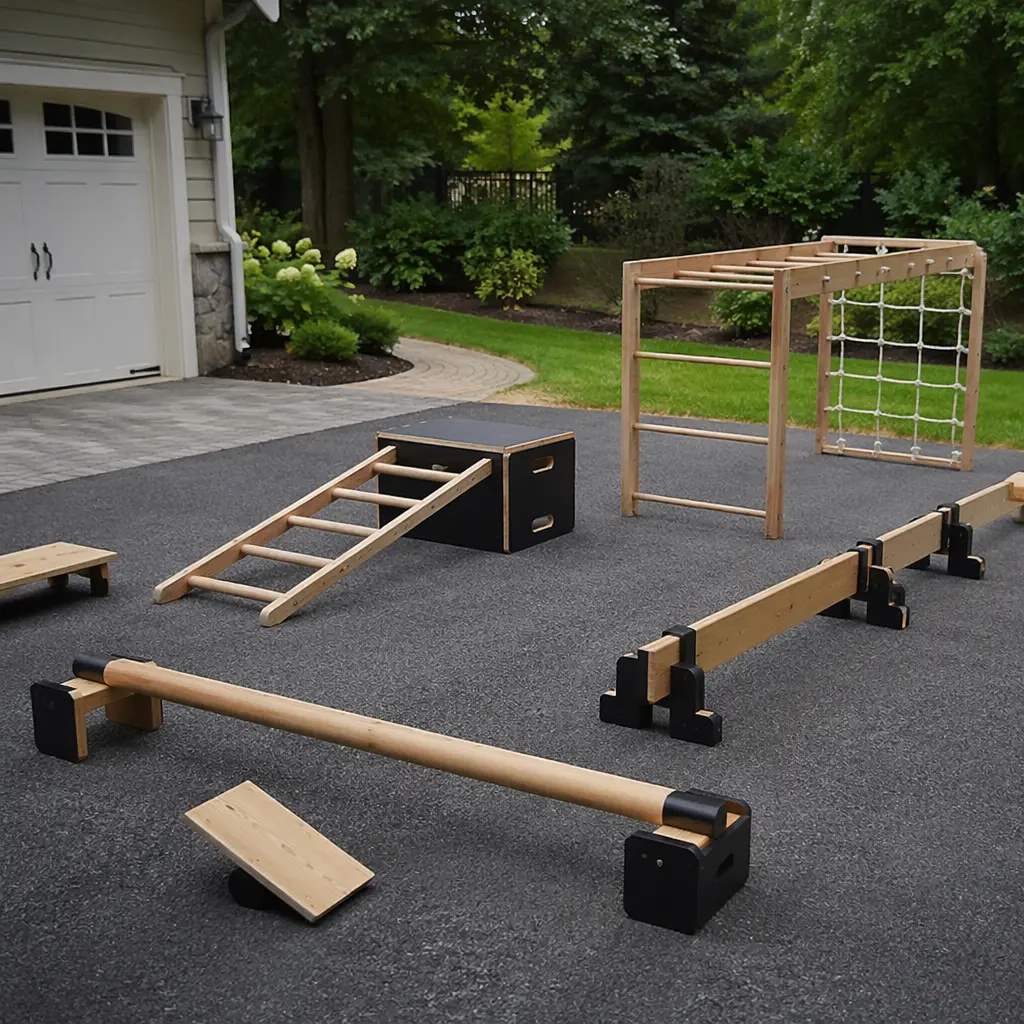
Skill-based outdoor toys tend to fall into a few broad categories that appeal to tweens. These options feel more like sports gear or hobby equipment, which helps them avoid the “babyish” label.
- Balance and movement gear: Items that challenge coordination and core strength, such as boards or rolling equipment, support ongoing skill building.
- Backyard sports trainers: Practice-focused gear for shooting, throwing, or striking lets kids work on technique independently.
- Ride-on and glide toys: Non-motorized options that emphasize control and balance offer exercise without feeling like playtime for little kids.
- Target and precision games: Tossing, aiming, or accuracy-based activities encourage friendly competition and repeat practice.
- Fitness-style equipment: Pull-up bars, resistance tools, or agility setups mirror what teens and adults use, making them feel more grown-up.
Frequently asked questions
How do I know if a toy will feel "too young"?
Check the design and the skills involved. Toys that resemble real sports equipment or fitness gear tend to be better received. Avoid oversized graphics, bright character themes, or simplified mechanics.
Are outdoor toys still relevant for screen-focused kids?
Yes, especially when the activity offers a challenge or measurable improvement. Toys that track progress informally—like higher jumps or better accuracy—often compete well with screen time.
What if my child isn’t athletic?
Look for low-pressure, self-paced options. Precision games, balance activities, and individual skill trainers don’t require team play or prior experience and still build confidence.
How much space do we need?
Many tween-friendly outdoor toys are designed for driveways, patios, or small yards. Always check recommended clearances and consider foldable or portable options if space is limited.
Outdoor toys for tweens work best when they respect kids’ growing independence and abilities. By choosing durable, skill-based options with a more mature look and feel, parents can support active play that lasts well into the middle school years.