Outdoor Toys Tweens Won’t Think Are Babyish
A parent-friendly guide to outdoor toys for ages 9–12 that feel active and age-appropriate—no batteries, no screens, just movement, challenge, and fun.
Compare prices and availability
Check current prices and availability for this guide on eBay.
As an eBay Partner, we may be compensated if you make a purchase.
Finding outdoor toys for tweens can be tricky. Kids ages 9–12 are often caught between wanting independence and still enjoying play, and many are quick to reject anything that feels “for little kids.” The good news is that outdoor toys don’t have to be flashy or electronic to hold their interest. When toys offer real movement, challenge, and room to grow skills, they’re more likely to feel age-appropriate and worth their time.
What to look for
When shopping for outdoor toys for tweens, it helps to think less about novelty and more about longevity. The best options are ones that can grow with a child, offer multiple ways to play, and don’t feel limiting after a few uses. Tweens are developing coordination, strength, and social skills, so toys that support those changes tend to stick around longer.
- Real physical challenge, such as balance, speed, or coordination
- Flexible rules or open-ended play rather than one fixed activity
- Durable materials that can handle rougher use
- Gear that looks similar to what teens or adults might use
- Easy setup that doesn’t require constant adult involvement
Age suitability
For ages 9–12, outdoor toys should respect a growing sense of maturity. Many kids in this age range want equipment that feels “real,” not scaled-down versions meant for preschoolers. At the same time, they still benefit from play that encourages movement and imagination. Look for toys with adjustable difficulty, room for skill-building, or social play options so they remain engaging across several years.
Standout categories or types
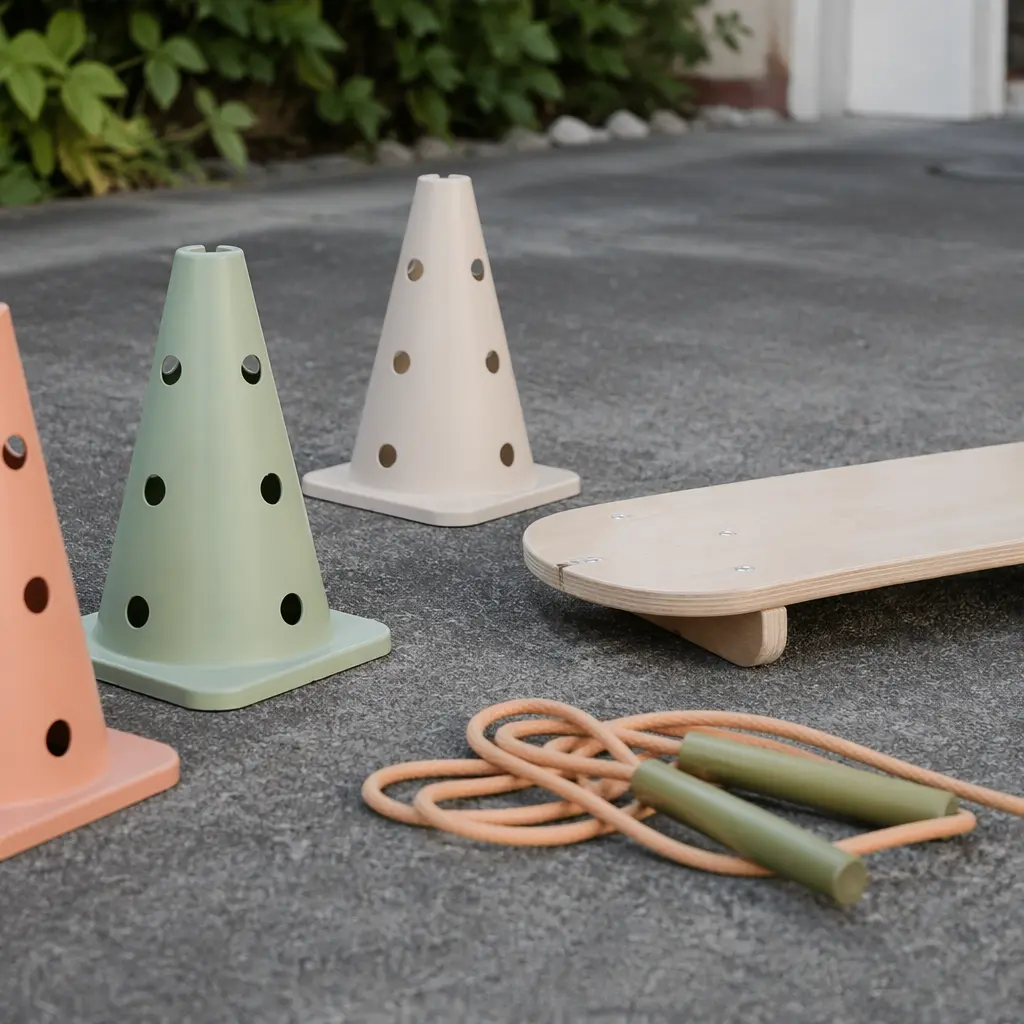
Some categories consistently work well for tweens because they mirror real sports or skills seen in older kids and adults. Wheeled toys, for example, often appeal because they offer independence and visible progress. Items that involve aiming, throwing, or teamwork can also feel more mature than traditional playground toys.
- Wheeled play, such as boards or scooters, that focus on balance and control
- Backyard sports gear that supports casual games with friends
- Skill-based toys like jump ropes or juggling equipment that reward practice
- Obstacle or challenge-style setups that can be rearranged and improved over time
- Outdoor fitness-style toys that encourage strength and endurance
Frequently asked questions
Why avoid battery-powered toys for this age?
Many battery-powered toys offer quick entertainment but limited depth. For tweens, non-electronic toys often provide more long-term value by encouraging creativity, physical effort, and self-directed play rather than passive use.
What if my child says outdoor toys are boring?
Boredom often comes from toys that are too easy or repetitive. Choosing items with a learning curve or social component can make a big difference. Playing with friends or setting personal challenges can also renew interest.
Are these toys suitable for small yards?
Many options work well in limited spaces. Compact sports gear, skill toys, and balance-based equipment can be used in driveways or small patches of grass without needing a full field or playground.
How do I choose something that won’t feel embarrassing?
Focus on toys that resemble real equipment rather than novelty designs. Neutral colors, simple shapes, and gear commonly used by teens or adults are more likely to feel acceptable to image-conscious tweens.
Outdoor toys for tweens don’t have to compete with screens by being louder or flashier. When they offer genuine challenge, freedom, and a sense of growing up, they can become a natural part of daily life. With the right choices, outdoor play can still feel cool, rewarding, and age-appropriate well into the tween years.