KanJam: How a flying disc and two cans became a sport
Born on American beaches in 2006, KanJam turned a simple flying disc and two plastic goals into a fast, social game that now supports leagues, rules, and real tournaments.
Compare prices and availability
Check current prices and availability for this guide on eBay.
As an eBay Partner, we may be compensated if you make a purchase.
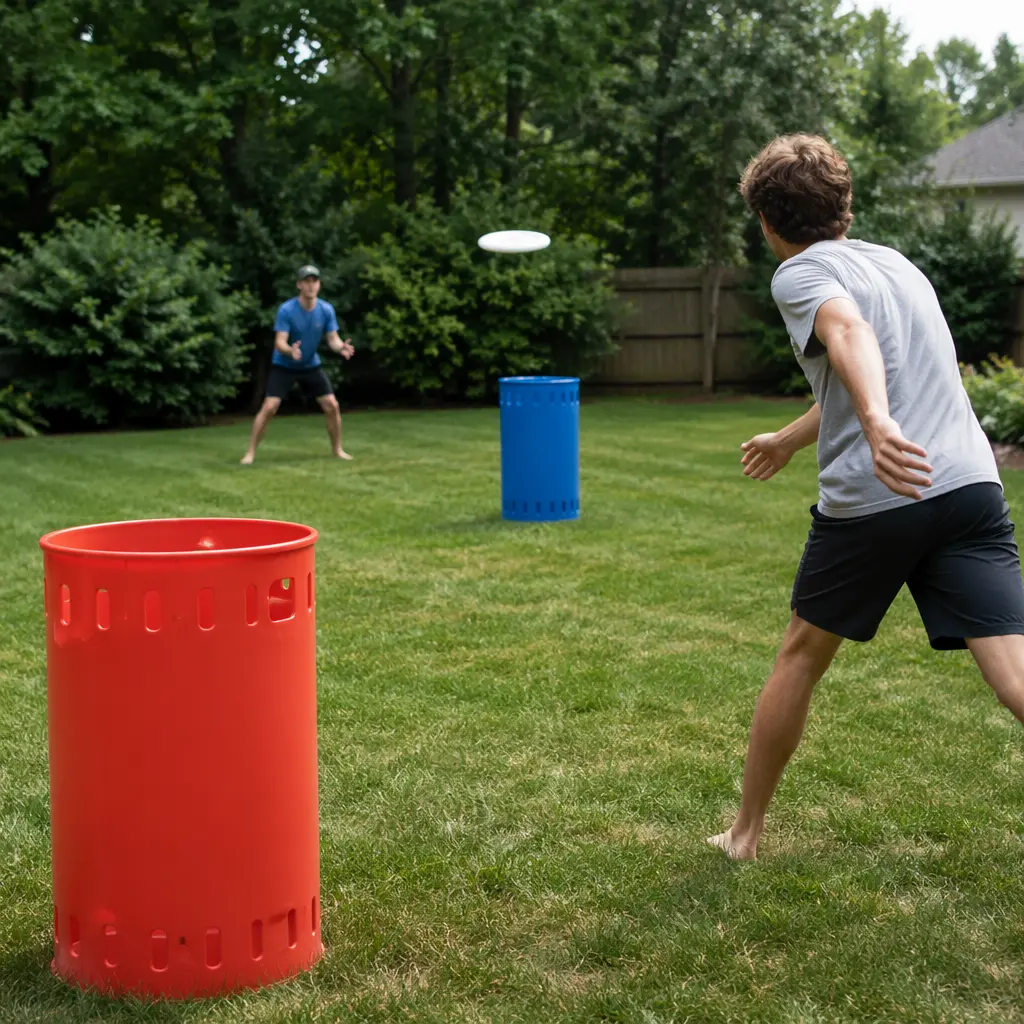
KanJam looks almost too simple to matter: two upright plastic goals, a flying disc, and four people in a yard. And yet, since the mid‑2000s, this low‑key setup has quietly grown into a recognisable competitive sport, complete with formal rules, organised leagues, and national tournaments. The appeal is obvious once you play. KanJam sits in the sweet spot between a casual toss and a skill game you can actually practise and improve at.
Where it came from
KanJam was created in 2006 by brothers Paul and Mitch Swanenburg in Buffalo, New York. Like many enduring outdoor games, it started informally. The brothers were experimenting with a beach‑style throwing game using makeshift containers as targets. Over time, the rules tightened, the equipment became purpose‑built, and the game gained a name.
What separated KanJam from countless backyard inventions was how naturally it translated into something more organised. The inventors leaned into standardised distances, scoring, and team play. That structure made it easy for strangers to play together and for competitive players to measure skill. Within a few years, KanJam had moved from beaches and backyards into parks, tailgates, and eventually tournament fields.
Why it works
At its core, KanJam is a game of cooperation and precision. Teams of two alternate throws and deflections, trying to land or redirect the disc into a narrow front slot or open top. One player throws; the other acts as a deflector near the goal. That division of roles keeps everyone involved on every turn.
The design succeeds because it balances luck and skill. Beginners can score almost immediately, while experienced players learn touch, angles, and timing. Games are short, which encourages rematches and social play.
- Simple equipment that sets up in minutes
- Clear scoring that’s easy to learn and referee
- Team-based play that rewards communication
- Enough skill depth to support leagues and tournaments
Who it’s for
KanJam is typically enjoyed by teens and adults, but it’s accessible to younger players with some supervision. Because the disc is lightweight and the goals are stationary, it’s less intimidating than many yard sports. Adults often appreciate that it’s social without being exhausting. You can play in sandals, chat between throws, and still feel like you’re doing something active.
Variants and what to look for today
Since its launch, KanJam has expanded into a small family of products. You’ll find classic sets designed for grass or sand, as well as sturdier versions meant for frequent play. Some editions tweak the goal height or add weighted bases to handle wind.
When shopping today, the main things to look for are durability and stability. Cheaper look‑alikes may use thin plastic that flexes or tips over easily. A good set should stand firm, have a smooth slot opening, and include a disc that flies predictably. Extras like carry bags are nice, but the core gameplay doesn’t depend on accessories.
Frequently asked questions
How long does a game of KanJam take?
Most games are played to a fixed score and take 10–20 minutes. That short length is part of the appeal, especially at parties or gatherings.
Do you need a lot of space?
A modest backyard or open park area is usually enough. The goals are set a fixed distance apart, but the play area doesn’t need sidelines or markings.
Is KanJam suitable for competitive play?
Yes. While it’s easy to learn, KanJam has established rules and organised competitions. Skilled teams practise throws, deflections, and strategies much like any other sport.
Can you play with more than four people?
The standard format is two teams of two, but many groups rotate players or run mini‑tournaments so everyone gets a turn.
KanJam’s rise shows how far a good idea can travel when it’s simple, social, and repeatable. By turning a flying disc and two goals into something people could take seriously—or just enjoy on a sunny afternoon—it earned a place among modern backyard classics.