Classic Plush Toys Kids Still Love at Age 8 and Beyond
A parent-focused guide to classic plush toys that hold kids’ interest beyond early childhood, explaining why simple, durable designs often outlast trend-driven interactive options.
Compare prices and availability
Check current prices and availability for this guide on eBay.
As an eBay Partner, we may be compensated if you make a purchase.
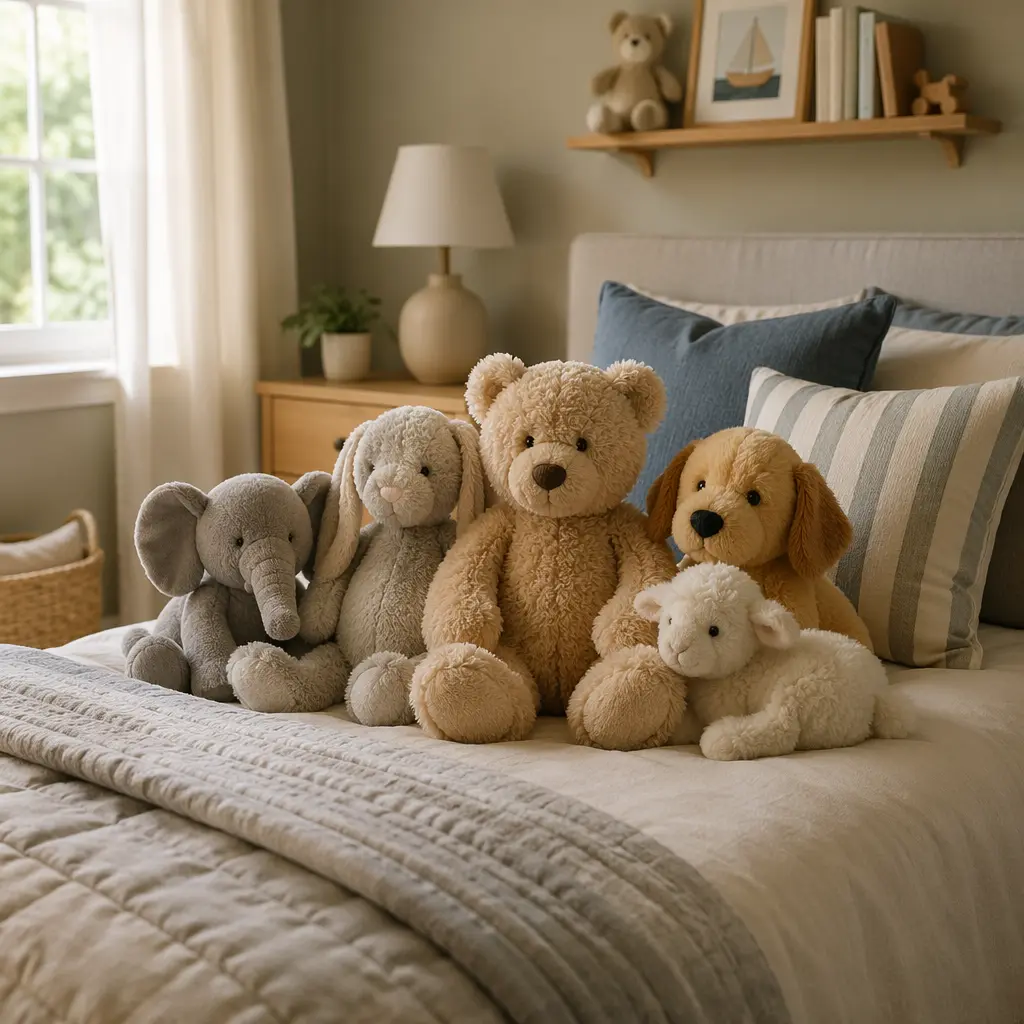
Plush toys are often thought of as something kids outgrow early, but many children continue to value them well into elementary school. For ages 8 and beyond, classic plush toys can remain comforting, imaginative, and meaningful in ways that trend-driven or highly interactive toys often do not. Understanding what makes certain plushies last helps parents choose options that stay relevant instead of ending up forgotten in a closet.
What to look for
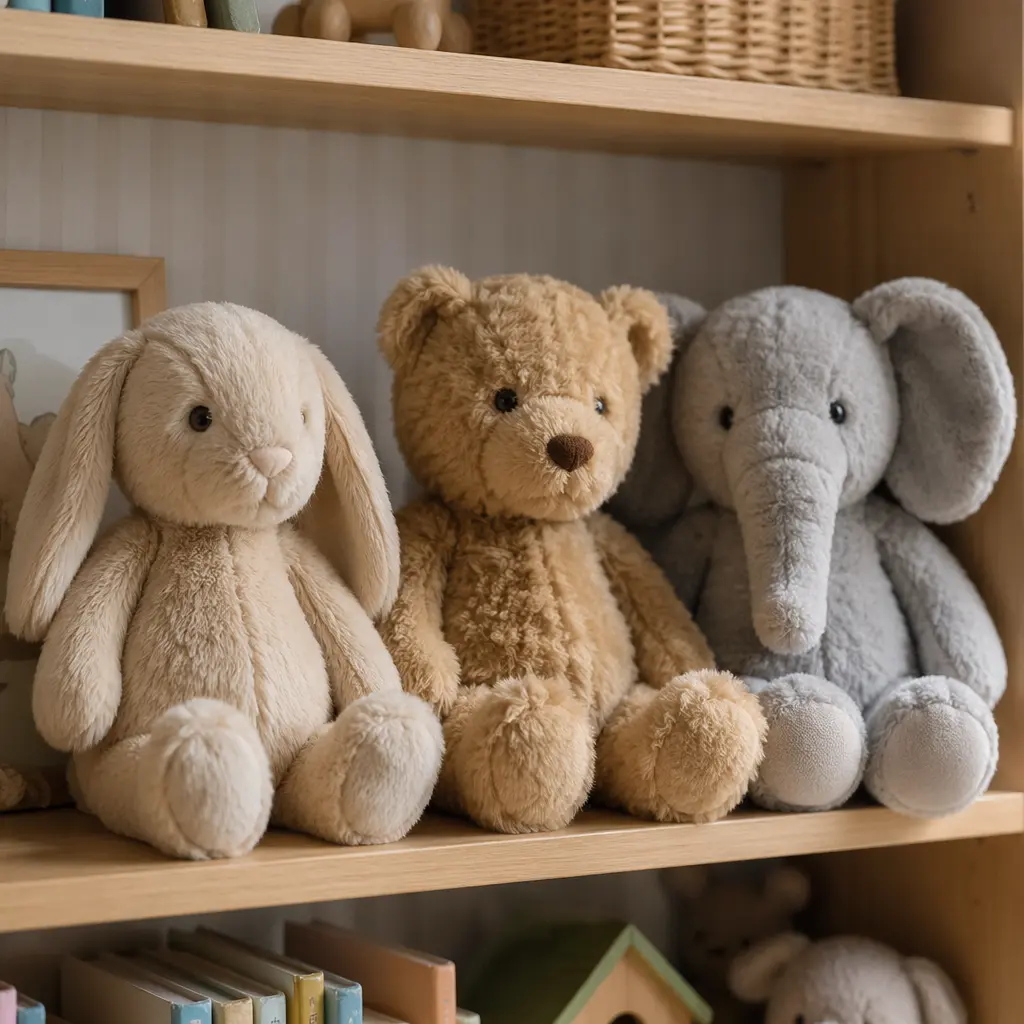
For older kids, the appeal of a plush toy shifts from novelty to reliability and emotional connection. Instead of flashing lights or built-in sounds, long-lasting plush toys focus on comfort, durability, and open-ended use.
- Durable stitching and reinforced seams that can handle years of handling
- Soft but resilient fabrics that keep their shape after washing
- Simple, timeless designs rather than characters tied to short-lived trends
- Appropriate size for hugging, room decor, or travel
- Neutral or classic colors that age well with a child’s tastes
Age suitability
Between ages 6 and 8, children are developing stronger personal preferences and emotional attachments. Plush toys at this stage often serve as comfort items during sleep, quiet reading time, or moments of stress. Unlike toddler plushies, those suited for older kids should feel sturdy and “grown-up” enough to avoid seeming babyish, while still offering softness and familiarity.
Standout categories or types
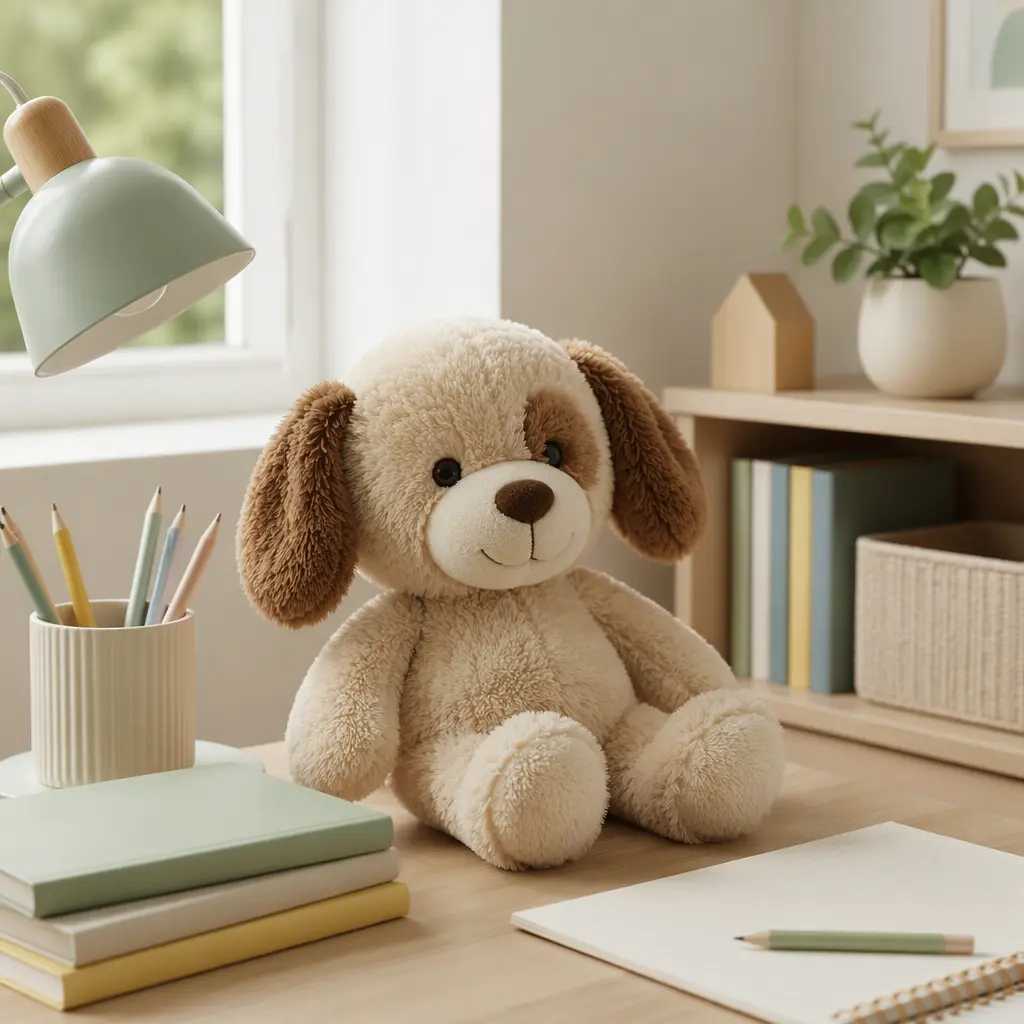
Not all plush toys age the same way. Certain categories consistently remain appealing to older children because they support imagination, comfort, or room personalization rather than demanding constant interaction.
- Classic animal plushies, such as bears or dogs, with realistic but friendly designs
- Large cuddle-size plush toys that double as pillows or room accents
- Minimalist or handcrafted-style plush toys with simple shapes
- Plush toys tied to open-ended play, like fantasy creatures without a fixed storyline
Frequently asked questions
Why do simple plush toys last longer than interactive ones?
Simple plush toys don’t rely on batteries, apps, or programmed responses. This means there’s nothing to break or become outdated, allowing kids to project their own stories and emotions onto the toy over time.
Are plush toys still appropriate for kids age 8?
Yes. Many children this age use plush toys as comfort objects, decorative items, or companions during quiet activities. The key is choosing designs that feel age-appropriate rather than overly juvenile.
How many plush toys is reasonable at this age?
Quality matters more than quantity. A few well-loved plush toys that are meaningful to the child often get more use than a large collection with little emotional attachment.
Do plush toys still support imaginative play?
Absolutely. Older kids often use plush toys in more complex storytelling, combining them with books, drawings, or pretend scenarios that reflect their growing creativity.
Classic plush toys continue to earn a place in kids’ lives because they grow with the child rather than pushing them toward the next trend. By focusing on timeless design, durability, and comfort, parents can choose plush toys that remain meaningful well past the early childhood years.