Classic Plush Toys Kids Keep Beyond Preschool
A parent-friendly guide to choosing classic plush toys that last beyond the preschool years, focusing on durability, comfort, and the emotional bonds children often keep as they grow.
Compare prices and availability
Check current prices and availability for this guide on eBay.
As an eBay Partner, we may be compensated if you make a purchase.
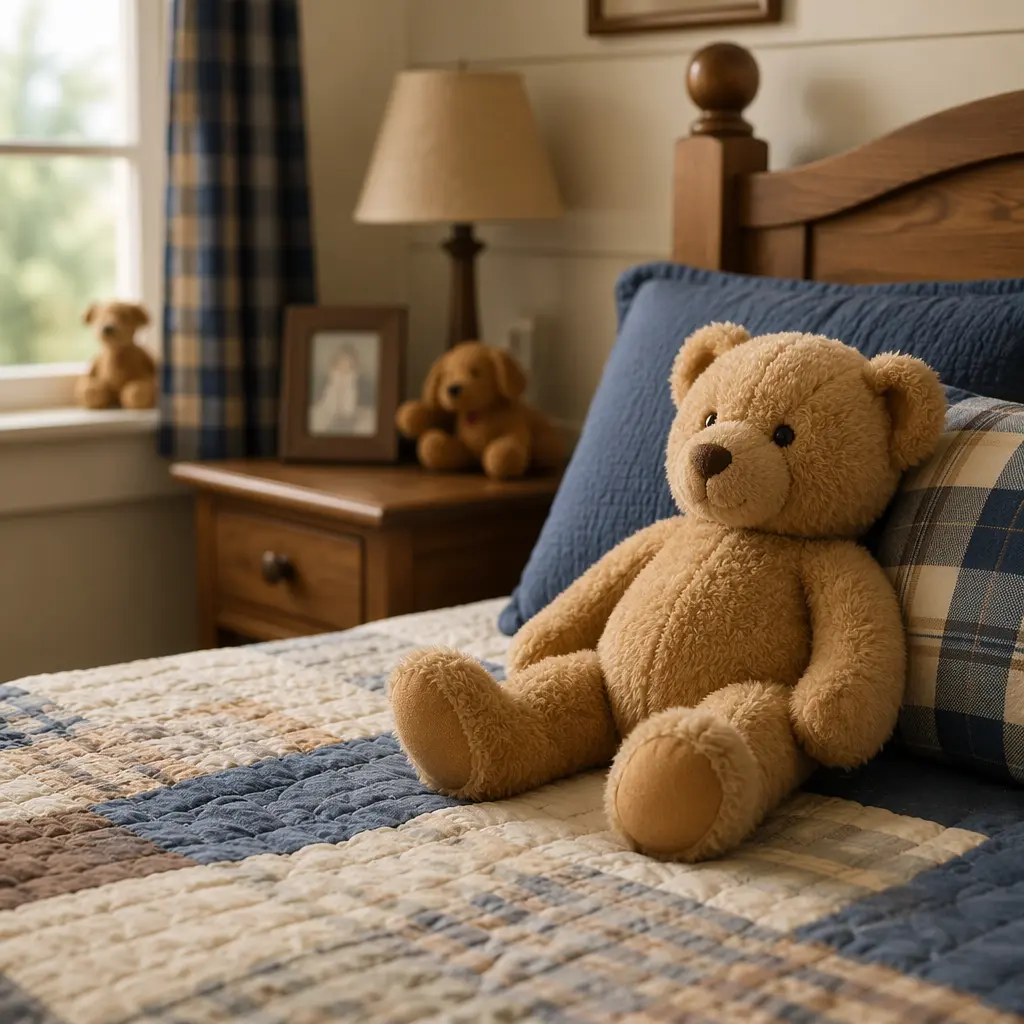
Some toys are outgrown quickly, while others quietly stay part of a child’s life for years. Classic plush toys often fall into the second group. For many children ages 3–5, a well-chosen stuffed animal becomes more than a plaything. It can be a comfort object, a bedtime companion, and a familiar presence during big changes like starting school. This guide looks at what helps plush toys last emotionally and physically beyond the preschool years.
What to look for
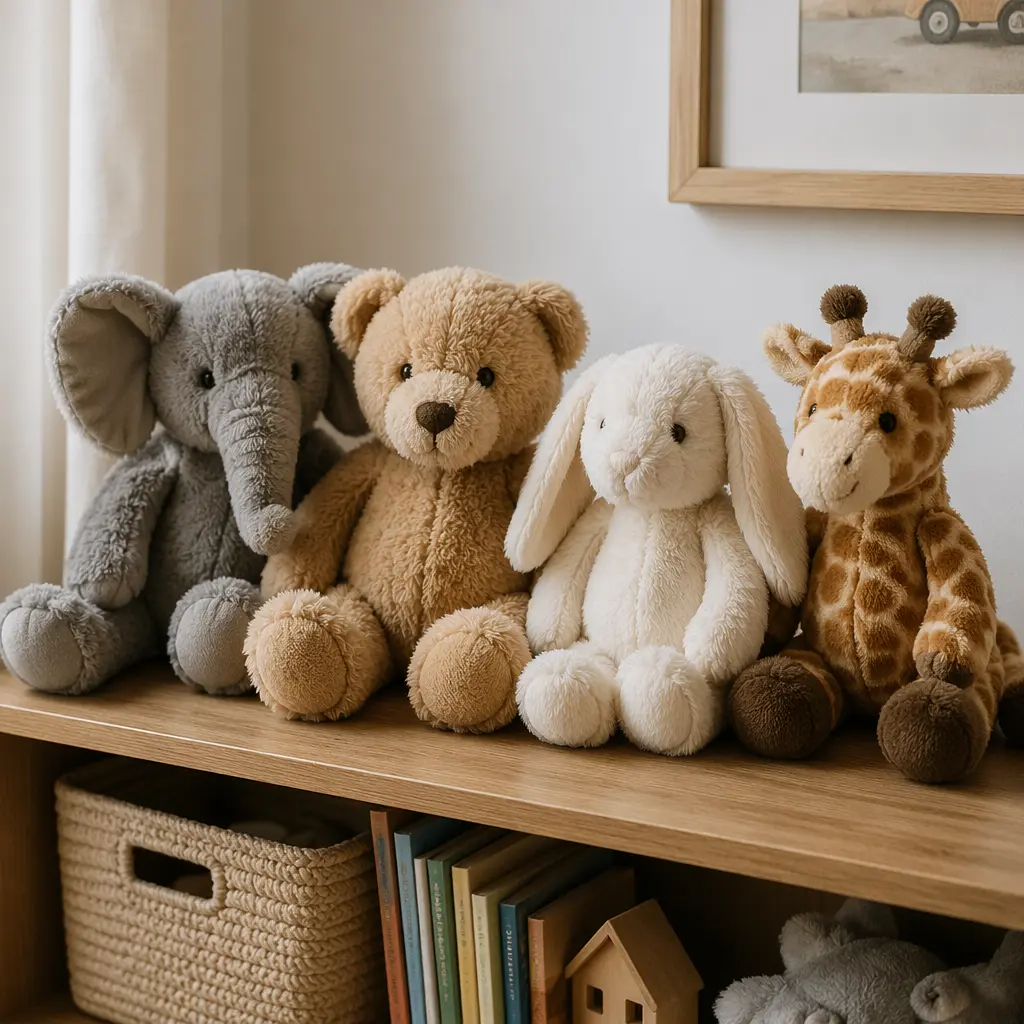
Not all plush toys are made to handle years of hugging, dragging, and washing. When choosing one meant to last past the preschool stage, it helps to look beyond cuteness and focus on construction, materials, and design choices that support long-term use.
- Sturdy stitching at seams, limbs, and ears to reduce tearing over time
- High-quality fabric that resists pilling and thinning after repeated washing
- Simple, classic shapes that age well and don’t feel "babyish" later
- Firm but squeezable stuffing that keeps its shape
- Minimal plastic parts, which can loosen or break
Age suitability
For children ages 3–5, plush toys often shift from purely imaginative props to emotionally meaningful items. At this stage, kids may assign names, personalities, and roles to their stuffed animals. Choosing a plush toy without loud sounds, flashing lights, or overly themed designs can make it easier for the toy to grow with the child. A neutral or timeless look is less likely to be rejected as tastes change in early elementary years.
Standout categories or types
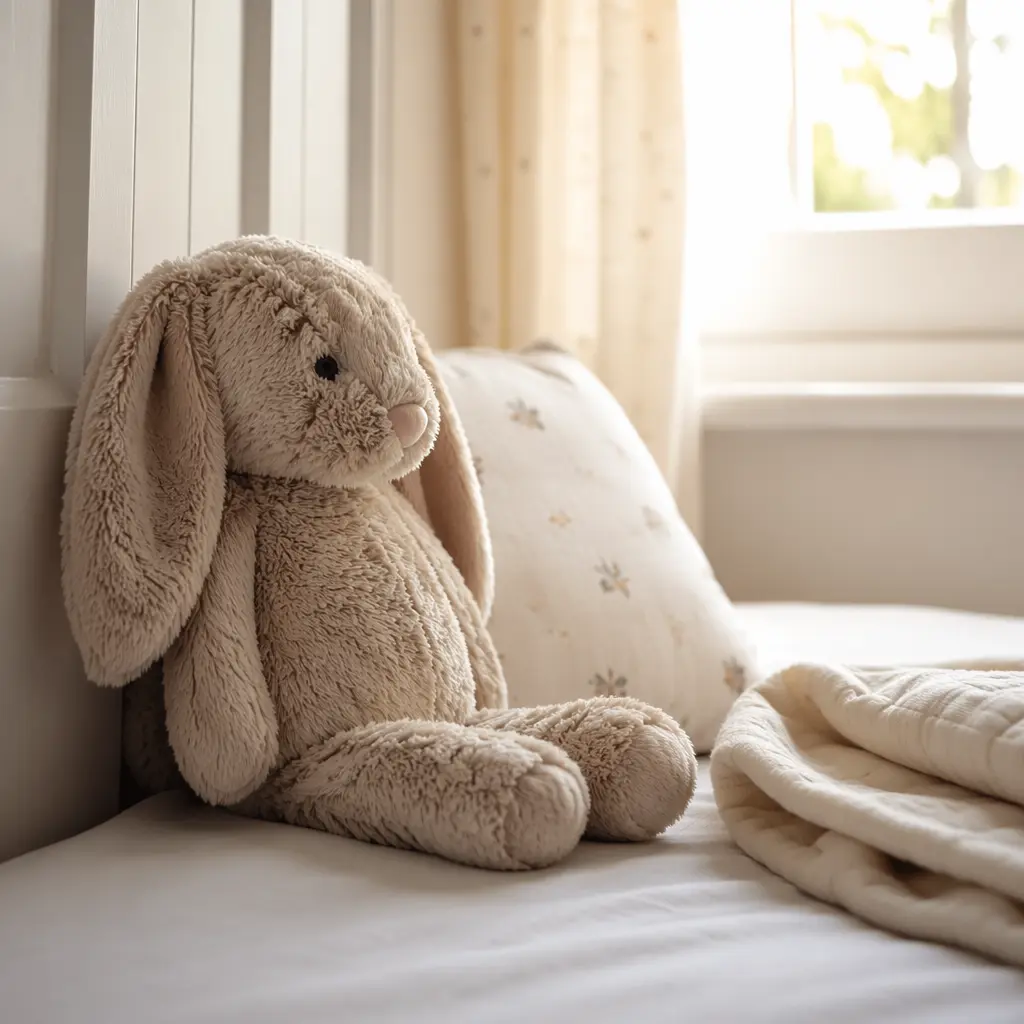
Certain types of plush toys are more likely to stick around beyond the preschool years. These styles tend to balance comfort, durability, and emotional appeal without locking a child into a narrow age range.
- Classic animals like bears, dogs, or rabbits with simple features
- Neutral character-free plush toys that don’t rely on trends
- Medium-sized plush toys that are easy to carry but still huggable
- Washable plush toys designed to hold up to frequent cleaning
These categories often become long-term companions because they feel familiar and flexible. A child can use the same plush toy for pretend play at age four, comfort at age six, and sentimental keepsake later on.
Frequently asked questions
Why do some kids keep plush toys for so many years?
Plush toys can act as transitional objects, helping children feel secure when they’re away from parents or in new situations. Familiar texture, smell, and appearance all contribute to emotional comfort, which can make it hard for a child to let go.
Is it normal for older kids to still sleep with a plush toy?
Yes. Many children continue sleeping with a plush toy well into elementary school. For most kids, this is a healthy form of self-soothing and doesn’t interfere with independence or social development.
How many plush toys should a preschooler have?
There’s no set number, but fewer high-quality plush toys are often easier to manage than a large collection. A small group of favorites can reduce clutter and help children form stronger attachments.
What if a favorite plush toy wears out?
Wear is common for well-loved plush toys. Minor repairs like restitching seams or reinforcing fabric can extend the toy’s life. Some parents also choose to rotate use to reduce daily wear.
Classic plush toys can play a quiet but meaningful role in childhood. By choosing designs that are durable, simple, and comforting, parents can offer toys that support emotional security well beyond the preschool years. While every child is different, a thoughtfully chosen plush toy often becomes one of the few items that stays constant as everything else changes.