Doodle Bear: The washable plush built for repeat creativity
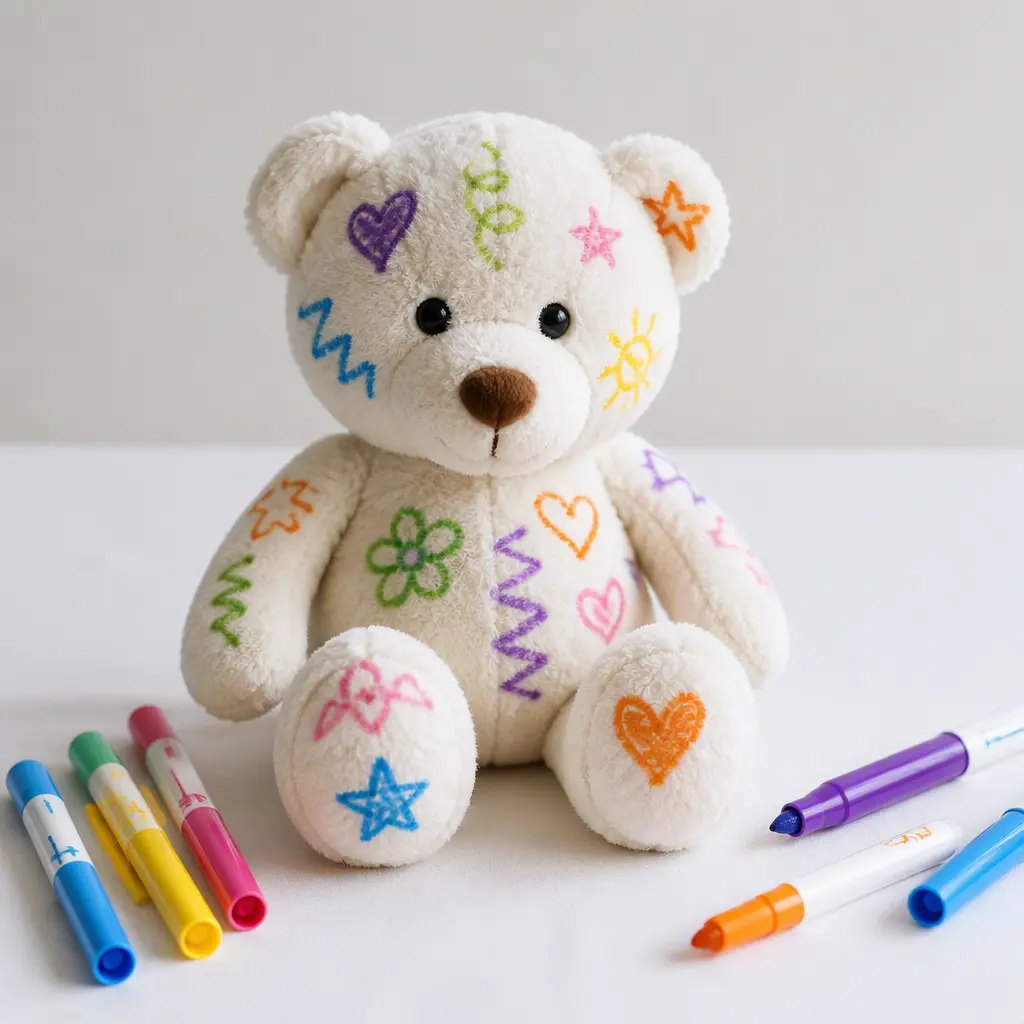
Doodle Bear turned a plush toy into a reusable canvas. Introduced in the mid-1990s, the washable stuffed bear encouraged kids to draw, decorate, wash, and start over again.
Compare prices and availability
Check current prices and availability for this guide on eBay.
As an eBay Partner, we may be compensated if you make a purchase.
Doodle Bear arrived during the 1990s boom in creative toys, but it stood apart from most plush animals on toy shelves. Instead of asking children to keep a stuffed toy clean and pristine, it encouraged the opposite. Kids were supposed to draw on it, cover it with messages and patterns, and then wash everything away to start again. The idea was simple enough to explain in a few seconds, yet unusual enough to feel memorable. In an era filled with collectible toys and electronic gimmicks, Doodle Bear offered a low-tech form of creativity that felt personal every time it was used.
Where it came from
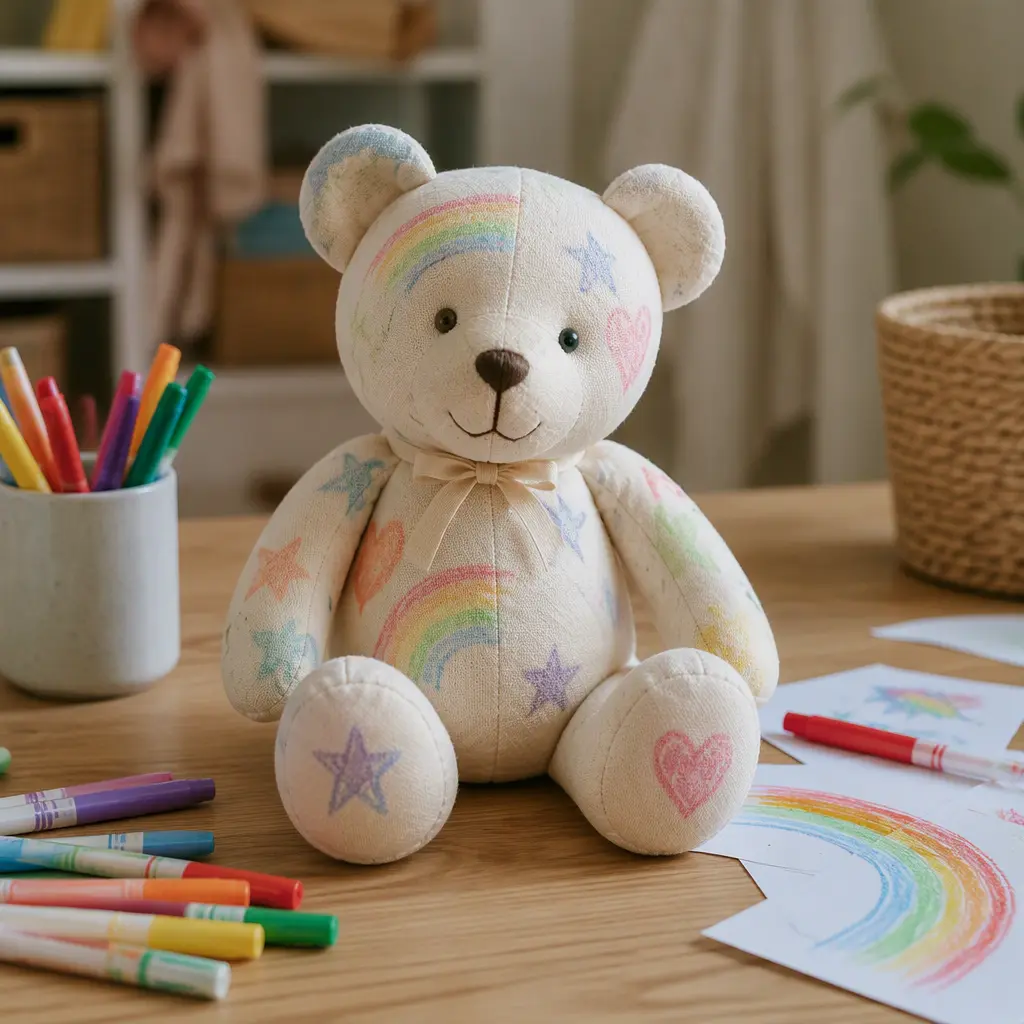
Doodle Bear was introduced in 1995 by Tyco Toys, a company already known for producing toys tied to trends and television properties. The concept behind the bear focused on repeatable artistic play. Rather than creating art on disposable paper, children could decorate the same plush toy over and over again. The washable fabric and included markers were central to the experience, turning a familiar teddy bear into something interactive.
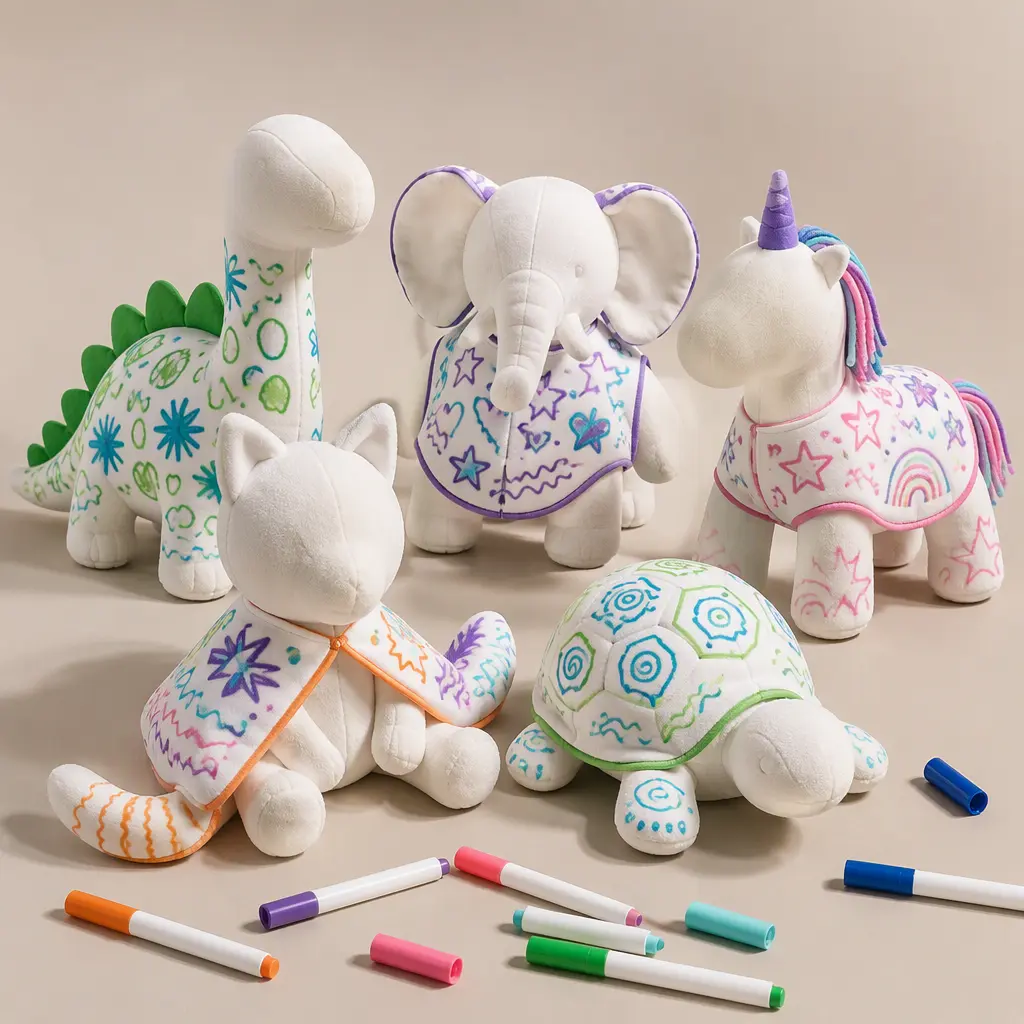
The toy arrived at a moment when many parents were looking for products that balanced creativity with manageable mess. Washable markers had already become common in homes and classrooms, so the idea of a stuffed animal designed specifically for washable ink felt accessible rather than intimidating. Doodle Bear quickly became recognizable for its bright white surface and colorful scribbles, and later versions expanded beyond the original bear shape into dogs, seasonal editions, and themed companions.
Why it works
The success of Doodle Bear came from a smart reversal of the usual rules around plush toys. Most stuffed animals are treated carefully to avoid stains or damage. Doodle Bear invited experimentation instead. Children could personalize the toy without fear of ruining it permanently, which lowered the pressure that sometimes comes with arts-and-crafts activities. The wash-and-repeat cycle also gave the toy longevity. A single bear could become dozens of different creations over time.
Its design was intentionally straightforward. The soft body provided a forgiving drawing surface, while the washable markers created visible, high-contrast lines that children could use easily. Because the toy reset after washing, the experience rewarded spontaneity rather than perfection. That made it appealing for a wide range of ages, especially younger children still developing confidence with drawing and writing.
- Washable fabric surface designed for repeat decorating
- Soft plush form that combines comfort with creative play
- Reusable play pattern that encourages experimentation
- Simple setup with markers instead of complicated accessories
- Appeal for both solo play and group activities like sleepovers or classrooms
Who it's for
Doodle Bear was primarily aimed at younger children, especially kids interested in drawing, coloring, and imaginative play. The activity is easy to understand even for preschool-age children, although younger users typically benefit from supervision during marker play and washing. Older children often enjoyed creating themed designs, writing messages, or turning the bear into a seasonal decoration. Adults who grew up in the 1990s also remember the toy with a strong sense of nostalgia, and vintage examples remain collectible because they capture a very specific era of kid-focused creative products.
Variants and what to look for today
Over the years, the Doodle Bear concept expanded into multiple plush shapes and themed releases. Some versions focused on pastel colors or fashion-inspired accessories, while others leaned into seasonal or holiday presentation. More recent washable plush toys from various brands have borrowed the same core idea, though not all use the same fabric quality or washability standards.
Anyone shopping for a Doodle Bear today should pay attention to the condition of the fabric, especially with older secondhand toys. Staining from permanent markers is common because many children eventually used whatever markers were available at home. Vintage examples may also show discoloration after repeated washing. For modern washable plush toys, it helps to confirm that replacement markers are easy to find and that the fabric is intended specifically for washable inks.
- Vintage 1990s bears are often sought for nostalgia and original packaging
- Later variants included different animal shapes and brighter color palettes
- Check secondhand plush carefully for permanent ink stains or fabric wear
- Use only washable markers designed for fabric-safe cleanup when possible
- Machine-wash instructions vary between older and newer releases
Frequently asked questions
Did Doodle Bear really wash clean?
With the recommended washable markers, most drawings could be removed successfully through washing. Results depended heavily on the type of ink used and how long marks were left on the fabric before cleaning.
Why did the toy become so memorable in the 1990s?
The toy combined two familiar childhood activities — cuddling a plush toy and drawing with markers — into a single repeatable experience. Its television advertising and highly visual appearance also helped it stand out during the decade.
Are vintage Doodle Bears collectible?
Yes. Collectors interested in 1990s toys often look for original examples, especially bears with tags, packaging, or unusual themed designs. Condition matters because the fabric surface was designed to be actively used.
Are there modern toys similar to Doodle Bear?
Many washable plush products now follow the same general concept, including reusable coloring stuffed animals and fabric doodle pets. The original Doodle Bear remains one of the best-known examples because it introduced the idea to a wide audience.
Doodle Bear succeeded because it made creativity feel casual and repeatable instead of precious. The toy did not ask children to protect it from marks; it invited those marks as part of the experience. That shift gave kids permission to experiment freely, erase the results, and begin again. Decades later, the concept still feels surprisingly modern because it focuses on reusable, open-ended play rather than one-time novelty.