Are Interactive Plush Toys Overstimulating at Bedtime?
A safety- and sleep-focused guide for parents of infants, explaining how sounds, lights, and timing affect bedtime and what to look for in calming plush toys.
Compare prices and availability
Check current prices and availability for this guide on eBay.
As an eBay Partner, we may be compensated if you make a purchase.
Interactive plush toys can sing, glow, vibrate, or respond to touch, which makes them appealing during playtime. At bedtime, however, parents often wonder whether these features help babies settle or make it harder to fall asleep. For infants from birth to 12 months, sleep routines are still developing, and sensory input plays a big role. Understanding how sound, light, and timing affect a baby’s nervous system can help parents decide when and how interactive plush toys fit into a healthy bedtime routine.
What to look for
Not all interactive features are equal when it comes to sleep. Some are designed to soothe, while others are meant to stimulate learning and engagement. For bedtime use, parents may want to focus on features that support calm rather than excitement.
- Sound options that are steady and predictable, such as soft music or white noise, rather than sudden phrases or loud songs
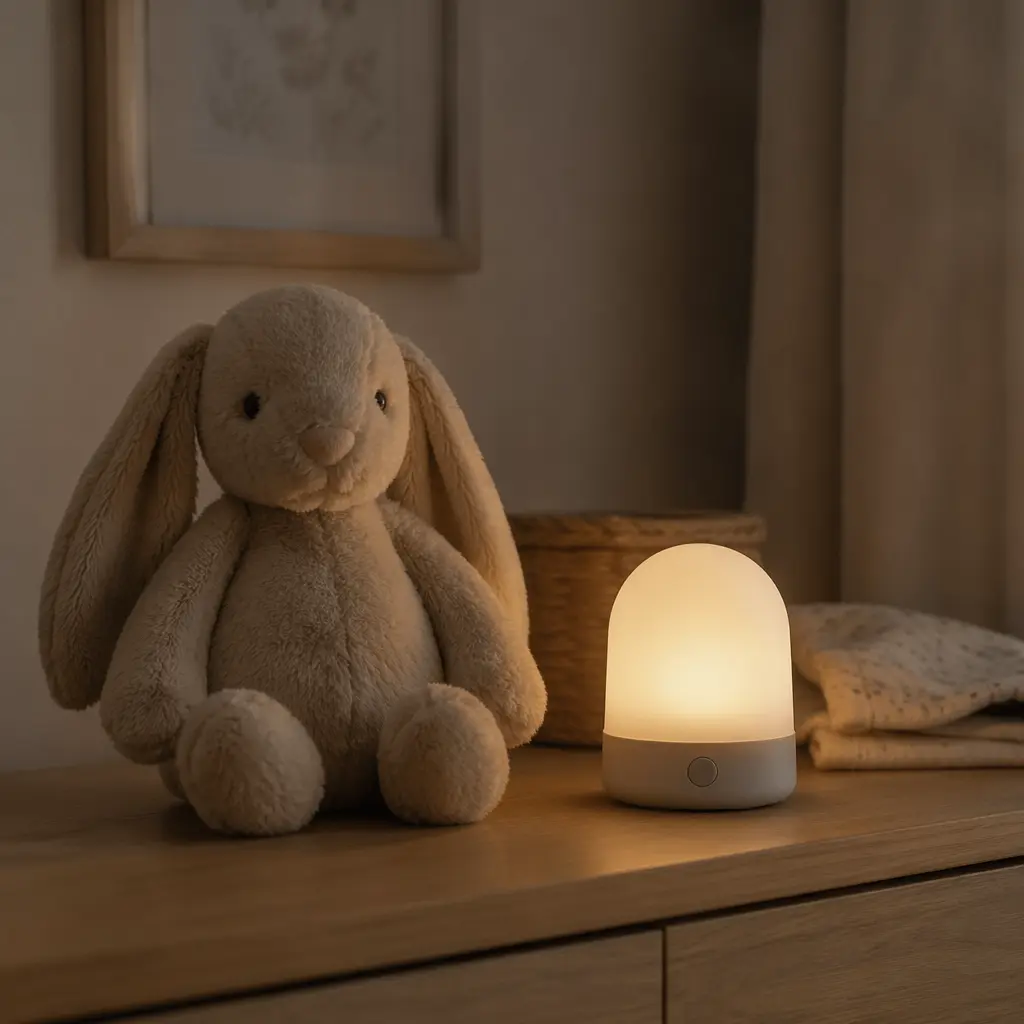
- Lighting that is dim and warm in color, with no flashing or color-changing effects
- Simple controls that allow caregivers to turn features on or off easily
- Automatic shut-off timers to prevent ongoing stimulation after a baby falls asleep
- Materials that are soft, breathable, and appropriate for an infant’s age
Age suitability
From 0–12 months, babies experience rapid changes in sleep patterns and sensory awareness. Newborns are especially sensitive to light and sound, and even mild stimulation can be alerting. As babies approach the later months of the first year, they may tolerate more input, but bedtime is still different from playtime. Interactive plush toys labeled for infants may be safe to touch or cuddle during supervised periods, yet that does not automatically mean they are ideal sleep companions. Parents may find that the same toy works well during daytime routines but is better turned off or removed from the sleep space at night.
Standout categories or types
Interactive plush toys generally fall into a few broad categories, and their suitability for bedtime varies. Toys designed around learning often include spoken words, songs, and responsive feedback. These features can be engaging but may also keep an infant mentally alert when the goal is winding down.
More sleep-oriented plush toys focus on repetition and consistency. They may play the same lullaby, heartbeat sound, or gentle hum each time they are activated. Because infants learn through patterns, these predictable sounds can sometimes become part of a calming routine when used at low volume and for a limited duration. Non-electronic plush toys, while less interactive, remove the risk of overstimulation altogether and are often reserved for comfort during awake, supervised moments rather than during sleep itself.
Frequently asked questions
Can sounds from plush toys disrupt infant sleep?
Yes, they can. Sudden changes in volume, unexpected phrases, or looping songs may startle or re-alert a sleeping baby. Continuous, low, and predictable sounds are less likely to disrupt sleep than interactive or voice-based features.
Are lights on plush toys a problem at night?
Bright or shifting lights can interfere with a baby’s developing circadian rhythm. If a plush toy includes lights, parents may prefer options that are dim, warm-toned, and steady, or simply keep the light feature turned off during bedtime.
Is it safe for an infant to sleep with an interactive plush toy?
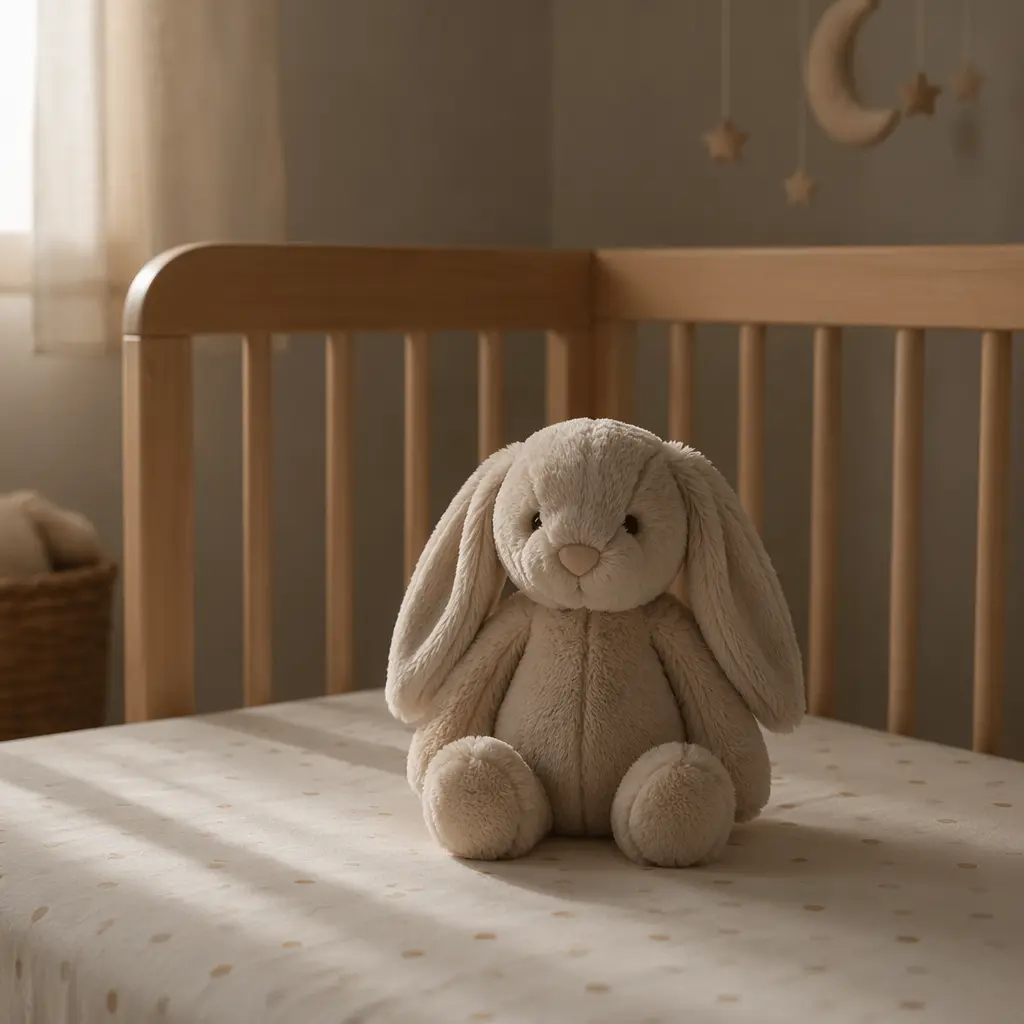
Safe sleep guidelines generally recommend keeping cribs clear of loose items for young infants. Even if a plush toy is age-rated, it may be better used as part of a pre-sleep routine and then removed from the sleep area before the baby is put down.
When is the best time to use interactive plush toys?
Daytime or early evening play is often the best fit. This allows babies to explore sounds and textures when stimulation is appropriate, while keeping nighttime routines calmer and more consistent.
Interactive plush toys are not automatically overstimulating, but their features matter, especially at bedtime. For infants, sleep-friendly routines usually involve low light, minimal sound, and predictable cues. Parents may choose to separate play-focused toys from sleep spaces, using calming elements only as part of a brief wind-down period. By paying attention to sound, light, and timing, caregivers can make informed choices that support both safety and better sleep.