Best Washable Plush Toys for Kids With Allergies
A parent-friendly guide to washable plush toys for children with allergies, including fabric choices, filling types, cleaning durability, and age-appropriate features for ages 3–5.
Compare prices and availability
Check current prices and availability for this guide on eBay.
As an eBay Partner, we may be compensated if you make a purchase.
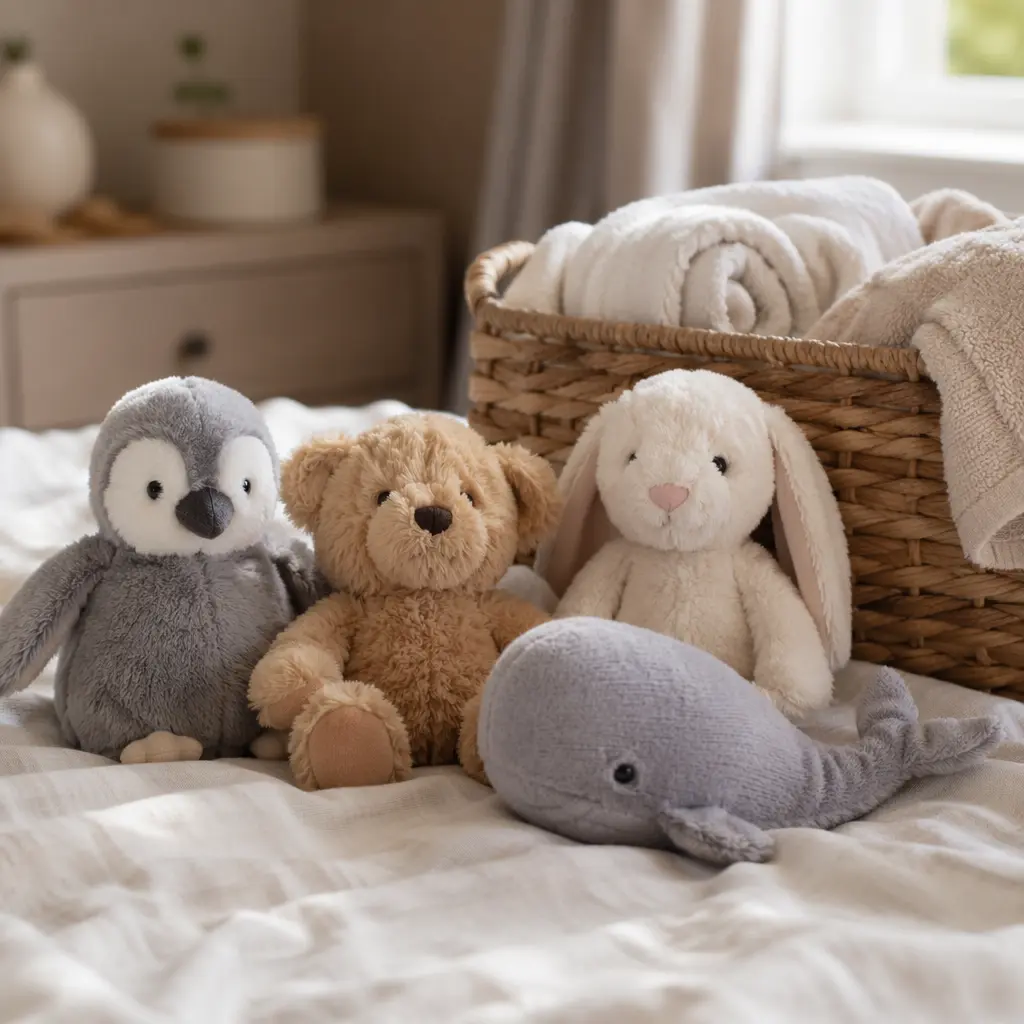
For children with allergies, plush toys can be tricky. Soft toys often collect dust, pollen, pet hair, and other irritants that are difficult to remove with surface cleaning alone. Washable plush toys are designed to handle regular cleaning without losing their softness, shape, or stitching quality. For preschool-aged children, the best options combine easy-care materials with simple designs that dry thoroughly and hold up after repeated washing cycles. Parents comparing plush toys for allergy-sensitive households should pay close attention to fabric type, filling material, drying time, and overall construction rather than focusing only on appearance.
What to look for
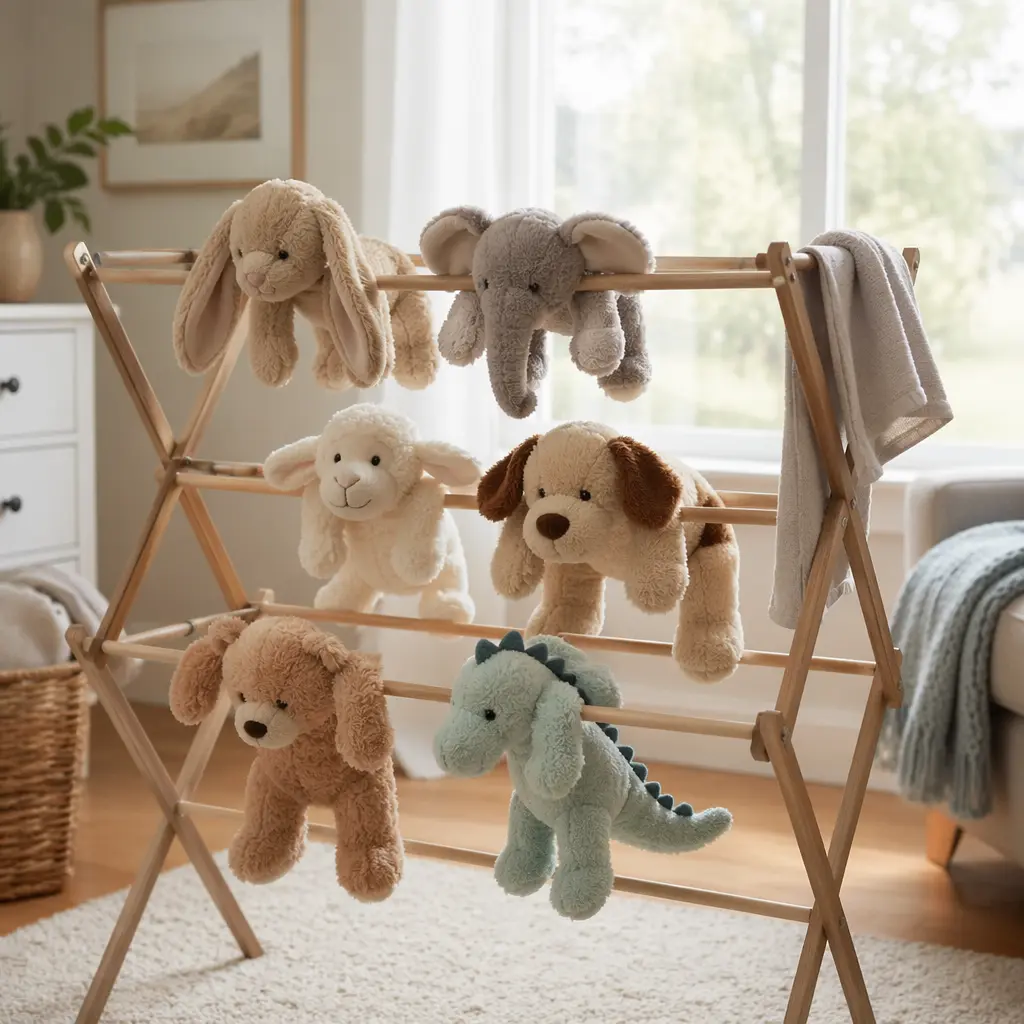
Washability matters most when a plush toy will be cleaned frequently. Many stuffed toys are labeled surface-wash only, which may not remove allergens effectively. Machine-washable plush toys with reinforced stitching and quick-drying materials are usually the safest choice for children with mild sensitivities. Fabrics that resist matting after hot washing can also help toys stay comfortable and familiar over time.
- Choose machine-washable plush toys that can tolerate warm or hot water cycles.
- Look for tightly stitched seams that reduce filling leaks during repeated washing.
- Synthetic hypoallergenic fillings often dry faster than dense cotton stuffing.
- Short-pile fabrics tend to trap less dust and are easier to clean thoroughly.
- Avoid plush toys with glued-on decorations, loose fibers, or hard-to-dry electronic parts.
- Check drying instructions carefully, since damp filling can encourage odors or mildew growth.
- Smaller or medium-sized plush toys are usually easier to wash and dry completely.
Age suitability
Children ages 3–5 often carry plush toys throughout the day, sleep with them at night, and include them in imaginative play. At this age, durability is especially important because toys may be washed weekly or even more often during allergy seasons. Lightweight plush toys are usually easier for preschoolers to manage independently, while oversized plush designs can stay damp longer after cleaning. Parents may also prefer simple animal shapes or classic comfort toys without removable accessories that can become difficult to sanitize consistently.
Standout categories or types
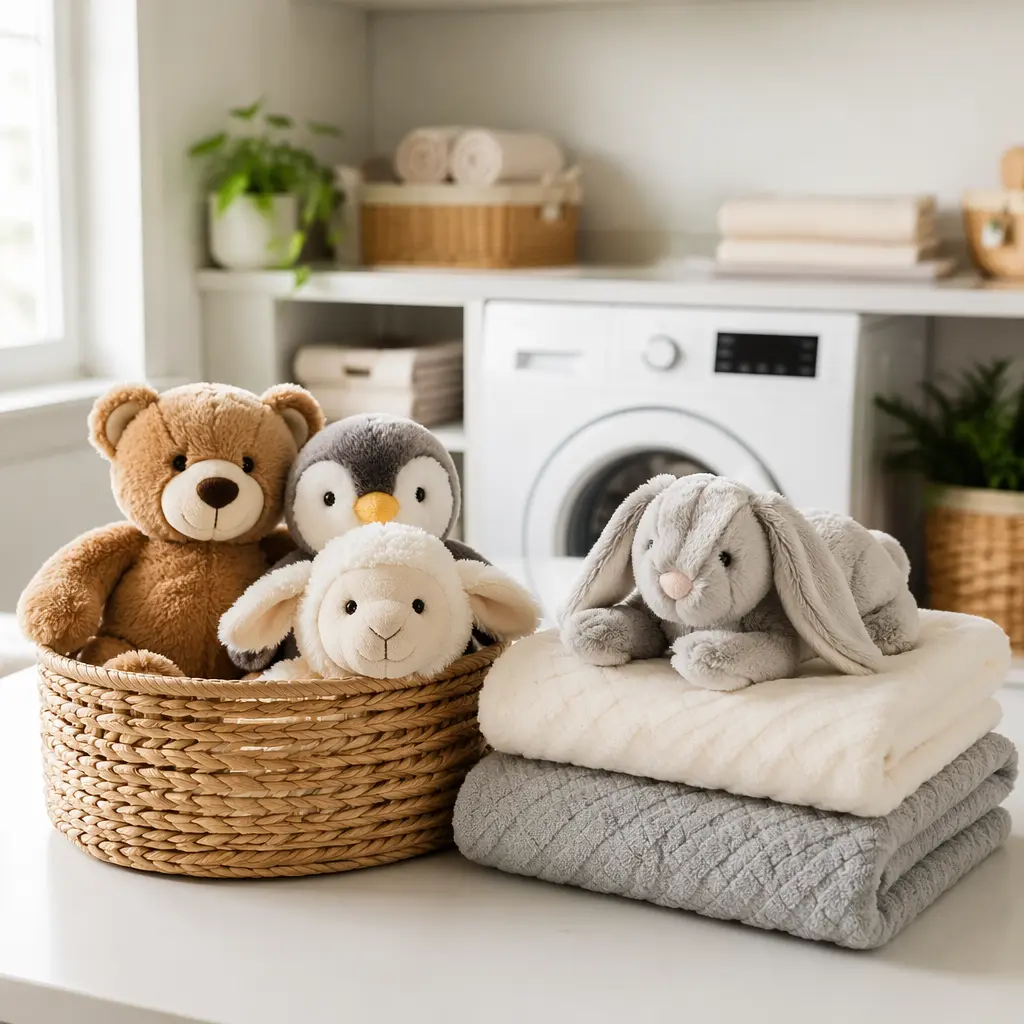
Some washable plush categories are especially practical for allergy-conscious households. Plush toys made from microfiber or smooth polyester blends often resist dust buildup better than long-fur fabrics. They also tend to dry faster after washing, which helps reduce moisture retention. Compact plush animals and simple pillow-style comfort toys are often easier to maintain than oversized plush characters with layered fabrics or heavy stuffing.
Parents may also notice differences in construction quality between decorative plush toys and play-focused plush toys. Decorative options sometimes prioritize appearance over wash durability, while toys designed for preschool use are more likely to feature reinforced seams and simplified fabric textures. Weighted plush toys can feel comforting for some children, but they may require special cleaning methods and longer drying times. For allergy-sensitive homes, uncomplicated designs are often the easiest to maintain consistently.
- Microfiber plush toys for quick drying and easier lint removal
- Short-fabric stuffed animals that resist trapping dust
- Lightweight cuddle toys suitable for frequent machine washing
- Minimal-detail plush toys with fewer hard-to-clean areas
- Organic fabric plush toys with removable washable covers
- Travel-sized plush companions that fit easily into laundry bags
Frequently asked questions
How often should washable plush toys be cleaned?
For children with allergies, washing plush toys every one to two weeks is common, especially if the toys are used during sleep. More frequent cleaning may help during pollen-heavy seasons or if pets are present in the home.
Are natural materials always better for allergy-sensitive children?
Not necessarily. Some natural fabrics can still trap dust or take longer to dry. Quick-drying synthetic materials are often easier to clean thoroughly and may work well when regular washing is a priority.
Can plush toys be sanitized in hot water?
Many machine-washable plush toys can tolerate warm or hot washing, but care labels should always be checked first. Excessive heat may damage delicate stitching or certain synthetic fabrics. Using a gentle laundry bag can help protect softer toys during cleaning.
Do larger plush toys cause more allergy problems?
Large plush toys are not automatically worse, but they can be harder to wash and dry completely. Thick stuffing and oversized shapes may hold moisture longer and collect more dust over time if not cleaned regularly.
What features should parents avoid?
Plush toys with long faux fur, glued decorations, battery compartments, or complicated layered fabrics can be more difficult to clean effectively. Toys that cannot be fully machine washed may also be less practical for allergy-sensitive households.
Washable plush toys can still provide comfort, imaginative play, and bedtime companionship while fitting into a regular cleaning routine. For children ages 3–5, practical details such as fabric texture, drying speed, and stitching quality usually matter more than elaborate styling. A durable plush toy that handles repeated washing well can remain part of daily routines without creating unnecessary maintenance challenges for parents.