Are Interactive Plush Toys Too Stimulating at Bedtime?
Electronic plush toys can comfort or excite. Learn how sounds, lights, and interactivity affect sleep for 1–2 year olds, plus practical tips to choose calming options and set bedtime-friendly routines.

Compare prices and availability
Check current prices and availability for this guide on eBay.
As an eBay Partner, we may be compensated if you make a purchase.
Interactive plush toys promise comfort through songs, phrases, or gentle motion. For parents of 1–2 year olds, the bedtime question is simple: do these features soothe, or do they keep little brains alert when sleep should be winding down? The answer depends on how a toy is designed and how it’s used. This guide breaks down what matters most for sleep, safety, and routine.
What to look for
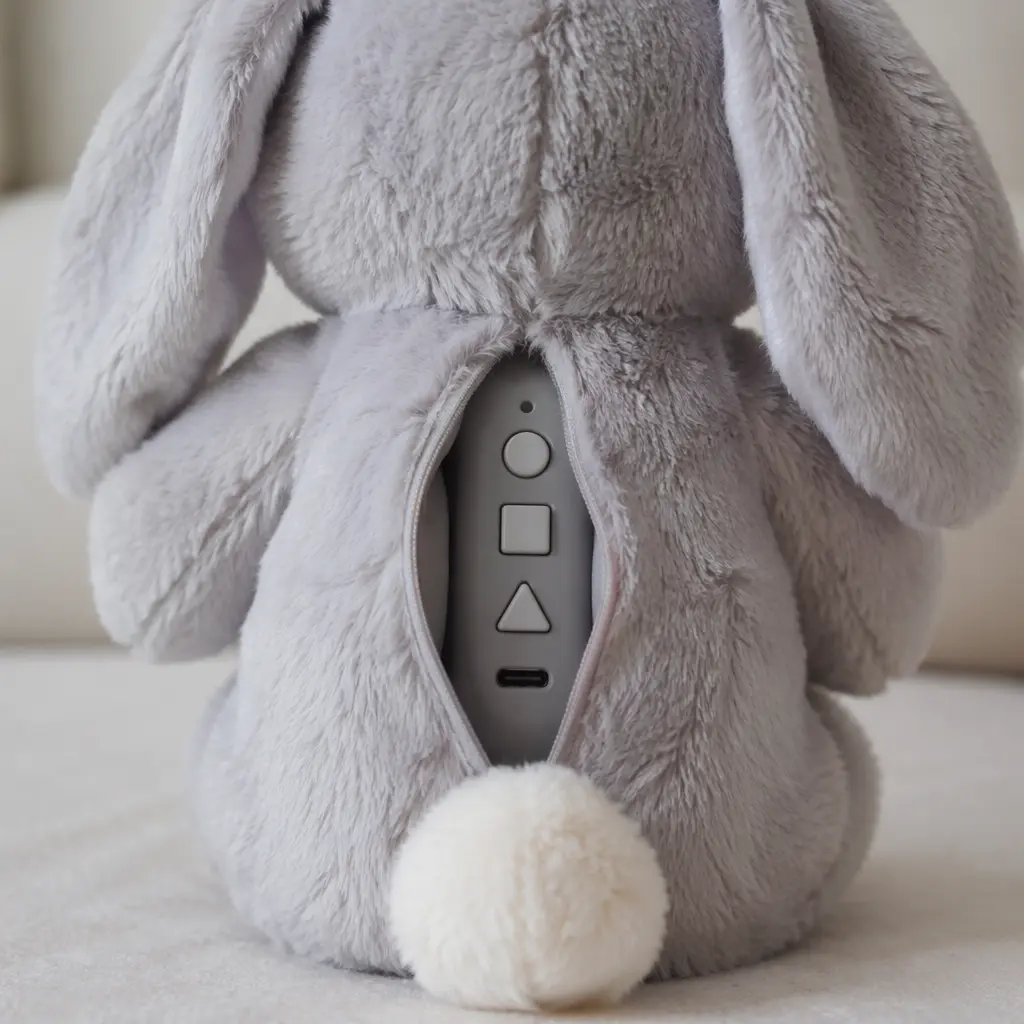
Not all interactive plush toys are equally stimulating. Some are designed for daytime play and learning, while others aim to support calm moments. When shopping with bedtime in mind, focus on features that reduce excitement rather than add to it.
- Sound options: Look for low-volume settings and gentle audio like white noise or slow melodies, rather than upbeat songs or speech.
- Light features: Soft, steady glows are generally calmer than flashing or color-changing lights.
- Manual controls: A simple on/off switch lets parents decide when interaction happens, instead of the toy activating with every movement.
- Automatic shutoff: Timers that turn features off after a short period can help prevent night wakings.
- Texture and weight: Plush fabrics and a lightweight feel can be comforting without adding stimulation.
Age suitability
For children aged 1–2 years, sleep routines are still forming. At this stage, toddlers are curious and easily stimulated by new sounds and cause-and-effect toys. An interactive plush that talks back or plays a song when hugged can be exciting, which may delay settling down. Many sleep specialists suggest keeping bedtime cues predictable and simple at this age. If an electronic plush is used, it often works best as part of a calming wind-down before lights-out, rather than as something to explore once the child is in the crib.
Standout categories or types
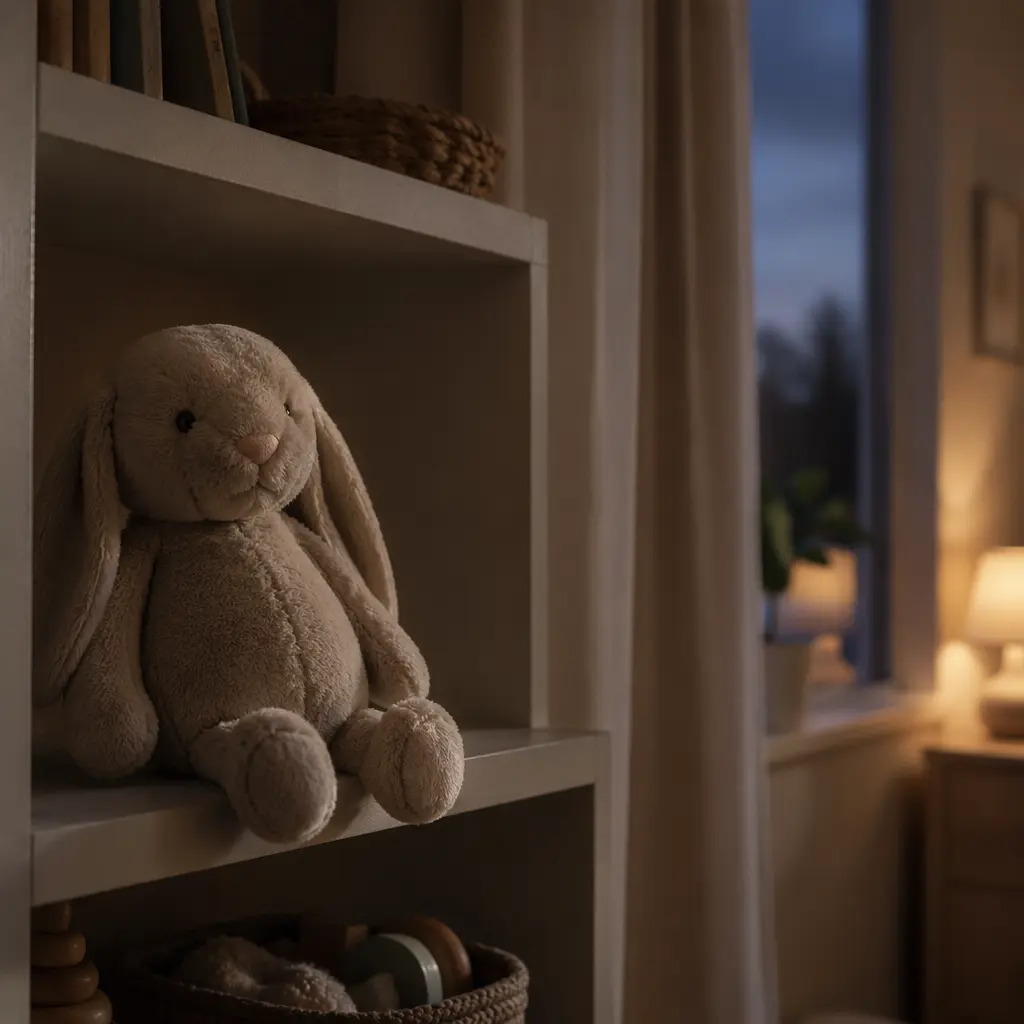
Interactive plush toys generally fall into a few broad categories, and some are more bedtime-friendly than others. Understanding these differences can help parents choose wisely.
- Soothing-sound plushies: These focus on white noise, heartbeats, or slow music and are often designed specifically for rest.
- Learning plush toys: Featuring letters, numbers, or call-and-response phrases, these are usually better suited for daytime play.
- Light-up comfort toys: A steady, dim glow can help with fear of the dark, while dynamic lighting may be overstimulating.
- Non-electronic plush toys: Traditional stuffed animals offer comfort through familiarity without added sensory input.
Frequently asked questions
Can interactive plush toys cause sleep problems?
They can if the features are stimulating or unpredictable. Sounds that trigger when a child moves may wake them during normal sleep shifts. Calm, consistent settings are less likely to interfere.
Is it better to avoid electronics at bedtime altogether?
Many parents choose to limit electronics before bed to support melatonin production and relaxation. If electronics are used, keeping them simple and brief can help maintain a restful routine.
What if my child finds the toy comforting?
Comfort matters. If a child associates a plush toy with feeling safe, consider using it without activating electronic features during sleep, or turning it off once the child is calm.
Should interactive plush toys stay in the crib overnight?
For young toddlers, many families remove interactive or bulky toys after the child falls asleep, following safe sleep recommendations and reducing nighttime stimulation.
Interactive plush toys aren’t automatically a problem at bedtime, but their features matter. For 1–2 year olds, the goal is a predictable, calming routine that signals sleep. Choosing gentle designs, using controls thoughtfully, and prioritizing safety can help parents decide whether an electronic plush supports rest or is better saved for daytime play.