Best Plush Toys for Kids Who Need to Calm Down
A parent-focused guide to plush toys that help kids calm down. Learn what textures, weight, and durability matter most for ages 3–5, without gimmicks or brand hype.
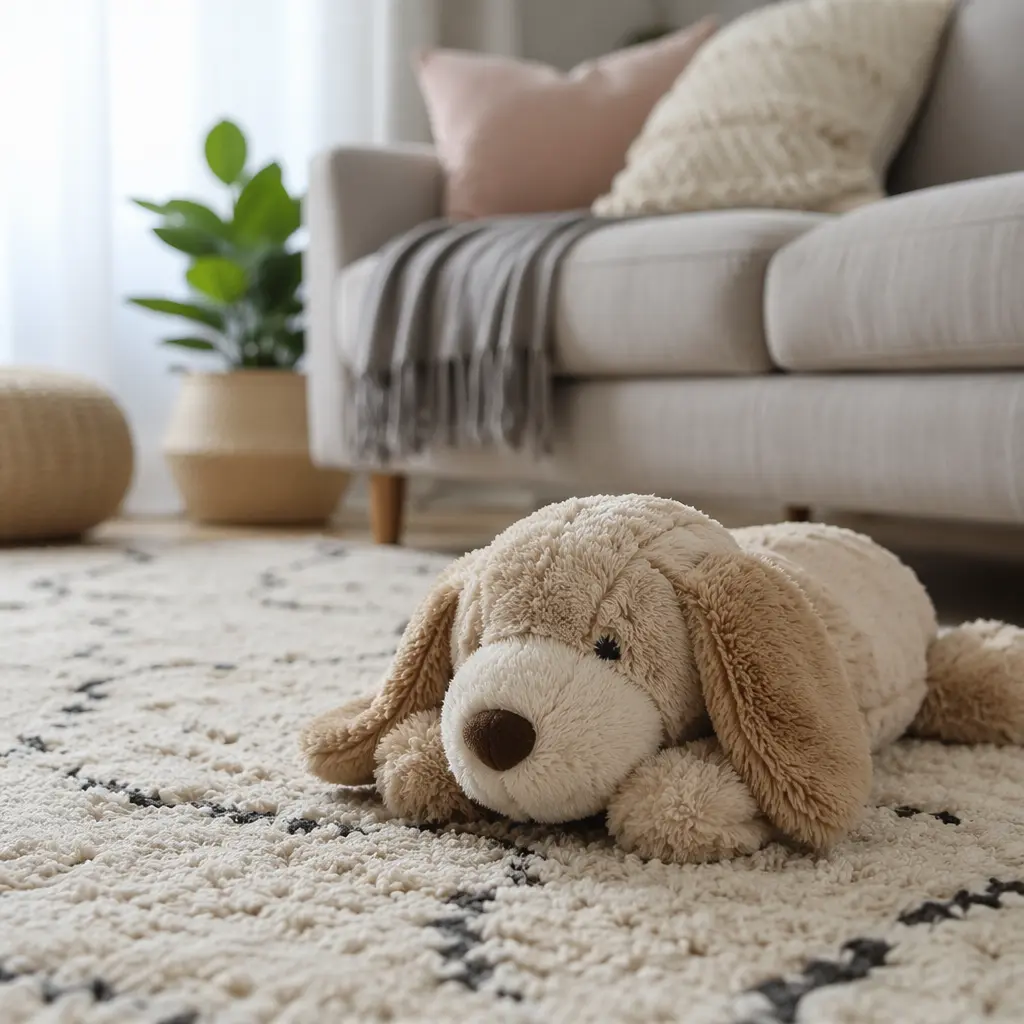
Compare prices and availability
Check current prices and availability for this guide on eBay.
As an eBay Partner, we may be compensated if you make a purchase.
Some children naturally reach for a soft toy when they feel overwhelmed, tired, or anxious. For kids ages 3–5, a well-chosen plush toy can offer comfort through simple physical qualities rather than flashy sounds or electronic features. Texture, weight, and durability often matter more than bright colors or built-in gimmicks. This guide focuses on what parents should look for when choosing plush toys designed to help young children calm down and self-soothe.
What to look for
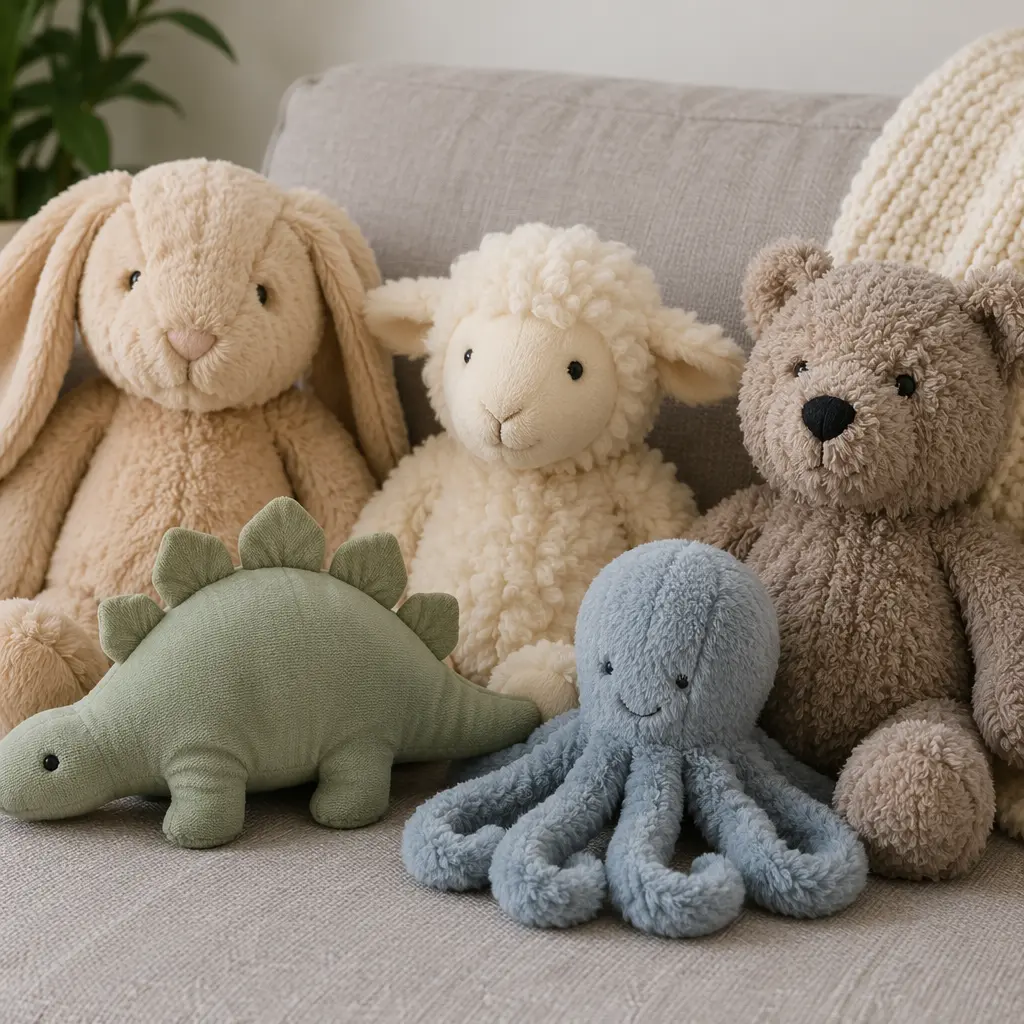
Plush toys meant for calming should feel reassuring and predictable. Children in this age range benefit from sensory input that is gentle, consistent, and not overwhelming. The physical qualities of the toy play a bigger role than its theme or character.
- Texture: Soft, consistent fabrics like velour, fleece, or short-pile plush tend to be soothing. Avoid scratchy seams, crinkly inserts, or mixed materials that may distract or irritate.
- Weight: Slightly heavier plush toys can provide a grounding effect. The weight should be gentle and evenly distributed, never heavy enough to feel restrictive.
- Size: Medium-sized plush toys are often easiest for preschoolers to hug, carry, and rest with during quiet moments.
- Durability: Reinforced seams and quality stitching matter. Calming toys are often squeezed, hugged, and slept with, so they need to hold up to daily use.
- Washability: Machine-washable plush toys make it easier to keep comfort items clean without disrupting routines.
Age suitability
For children ages 3–5, plush toys should be designed with safety and independence in mind. At this stage, kids are developing emotional regulation skills and often use objects to support transitions, rest time, or calming breaks. Look for plush toys without small detachable parts, long cords, or hard components. Simple shapes and friendly, neutral designs are usually more calming than highly detailed or overly stimulating ones. A toy that feels familiar and easy to manage can become a reliable part of a child’s daily routine.
Standout categories or types
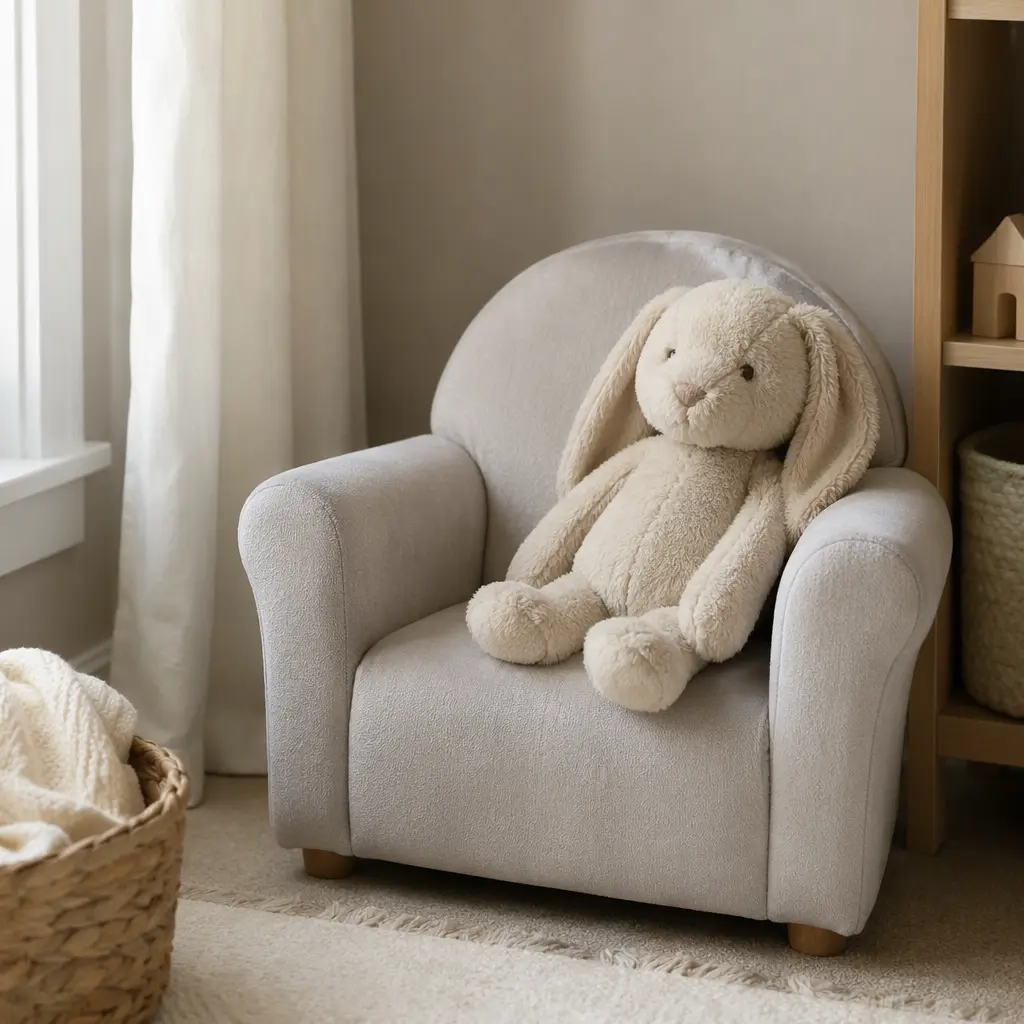
Not all plush toys are designed with calming in mind. Certain types tend to work better for children who need help settling their bodies and emotions. These categories focus on physical comfort rather than entertainment.
- Weighted plush toys: These offer gentle pressure that some children find grounding, similar to a steady hug.
- Ultra-soft classic plush: Simple stuffed animals or shapes made from one consistent fabric can feel predictable and reassuring.
- Low-stimulation sensory plush: Toys with minimal sensory elements, such as subtle texture differences, can help without overstimulating.
- Durable everyday comfort toys: Plush toys designed for frequent handling and washing are well-suited for daily calming routines.
Frequently asked questions
Do calming plush toys replace other calming strategies?
No. Plush toys are a support tool, not a replacement for teaching coping skills. They work best when paired with routines, quiet spaces, and adult support.
Is weight always helpful for calming?
Not every child responds positively to weighted items. Some find them comforting, while others prefer very light plush toys. Observing your child’s reaction is key.
Are plush toys with sounds or lights calming?
For many children, added sounds or lights can be distracting rather than calming. Simple, quiet plush toys are often more effective for emotional regulation.
How many calming plush toys should a child have?
One or two familiar comfort items are usually enough. Too many options can make it harder for a child to settle.
Choosing a calming plush toy is about understanding your child’s sensory preferences and daily routines. By focusing on texture, weight, and durability, parents can select toys that quietly support emotional comfort without relying on unnecessary features. A simple, well-made plush toy can become a trusted companion during moments when a child needs help slowing down.