Ty Beanie Boos: How glitter-eyed plush became a new collectible craze
Launched in 2009, Ty Beanie Boos turned oversized glitter eyes and soft, approachable animal designs into a modern collectible phenomenon for kids and nostalgic adults alike.
Compare prices and availability
Check current prices and availability for this guide on eBay.
As an eBay Partner, we may be compensated if you make a purchase.
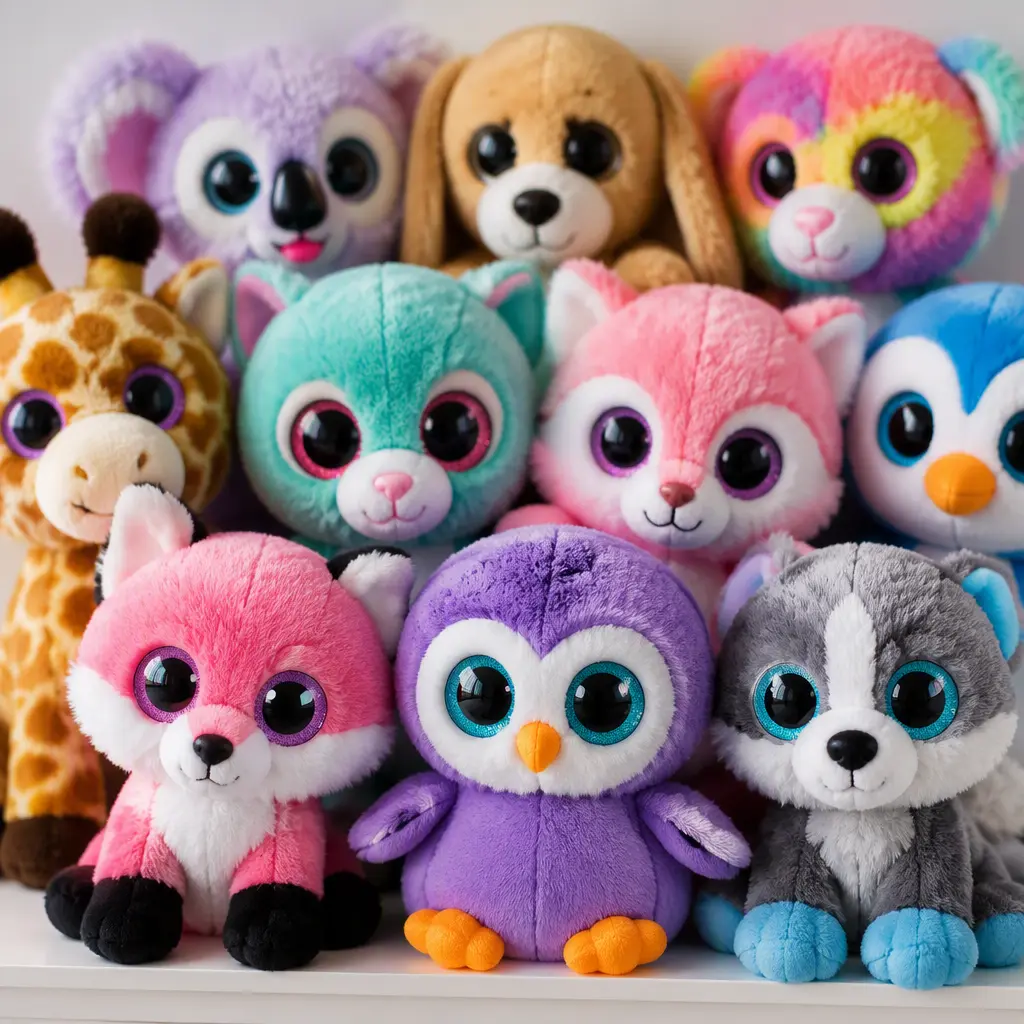
Ty Beanie Boos arrived at a moment when collectible toys were shifting from pockets and trading binders back toward soft, comforting objects. Introduced in 2009, the plush line took the familiar bean-filled formula associated with Ty and gave it a dramatic visual hook: oversized sparkling eyes paired with bright colors and simplified animal shapes. The result was immediately recognizable from across a store aisle. For many children, Beanie Boos became a first collectible series, while older shoppers saw echoes of the Beanie Baby craze that dominated the 1990s. What made the line different was how clearly it was designed for the social-media era, where a toy needed to photograph well, stand out instantly, and feel emotionally expressive without saying a word.
Where it came from
Ty Inc., founded by entrepreneur Ty Warner in the 1980s, had already reshaped the plush market once before with Beanie Babies. Those small stuffed animals combined affordability, collectibility, and limited availability in ways that created enormous demand during the 1990s. By the late 2000s, however, the toy landscape had changed. Digital entertainment competed for children's attention, and plush toys increasingly relied on strong visual identities to stand out.
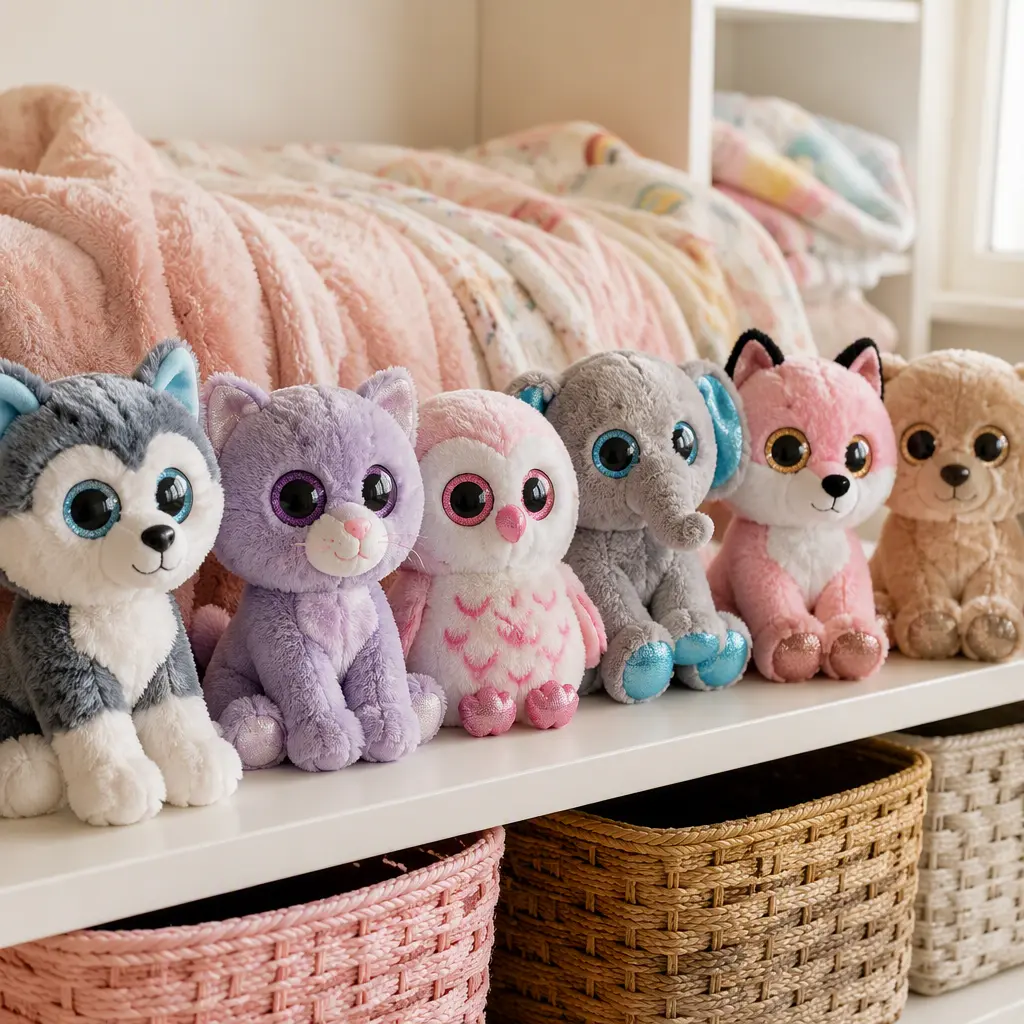
Beanie Boos launched in 2009 as a modernized answer to that challenge. Instead of aiming for realistic proportions, the line leaned heavily into stylized features. The large eyes were inspired partly by trends in animation and character design, where exaggerated expressions create an immediate emotional response. Ty combined those features with familiar animals ranging from cats and dogs to owls, foxes, pandas, and fantasy-inspired creatures. Each plush also carried a birthday and name tag, encouraging collecting and trading while giving every toy a distinct personality.
Why it works
The defining feature of Beanie Boos is simple but effective: the oversized glitter eyes create an instant emotional connection. Human brains naturally respond to large eyes and rounded shapes as signals of youth and friendliness, and the toy line amplifies those cues dramatically. Even shoppers who know nothing about plush trends can usually identify a Beanie Boo style within seconds. That strong visual identity helped the toys stand out in crowded retail aisles and online photos alike.
The toys also balance collectibility with accessibility. Many collectible lines become intimidating because they rely on complicated lore, rarity systems, or expensive accessories. Beanie Boos stayed relatively straightforward. Most versions remained affordable plush animals available in multiple sizes, making them easy to give as gifts or impulse purchases. Children often approached them as comforting companions, while collectors focused on completing groups of animals, seasonal editions, or favorite color themes.
- Oversized glitter eyes designed for immediate visual recognition
- Soft plush materials paired with bean-filled weight for a comforting feel
- Wide range of animal species and fantasy-inspired creatures
- Multiple sizes that appeal to both casual buyers and collectors
- Simple collectible format with names and birthdays attached to tags
Who it's for
Beanie Boos are primarily aimed at children, especially elementary-school-age kids who enjoy collecting, organizing, and personalizing toy displays. Their soft textures and rounded designs also make them popular comfort toys for younger children, though very small plush versions may not suit toddlers because of detachable elements like tags or decorative parts. Adults remain part of the audience as well. Some longtime Beanie Baby collectors embraced the newer line out of nostalgia, while others simply appreciate the cheerful design language and low-pressure style of collecting. The toys also became common desk decorations, travel companions, and social-media photo props among teenagers and young adults.
Variants and what to look for today
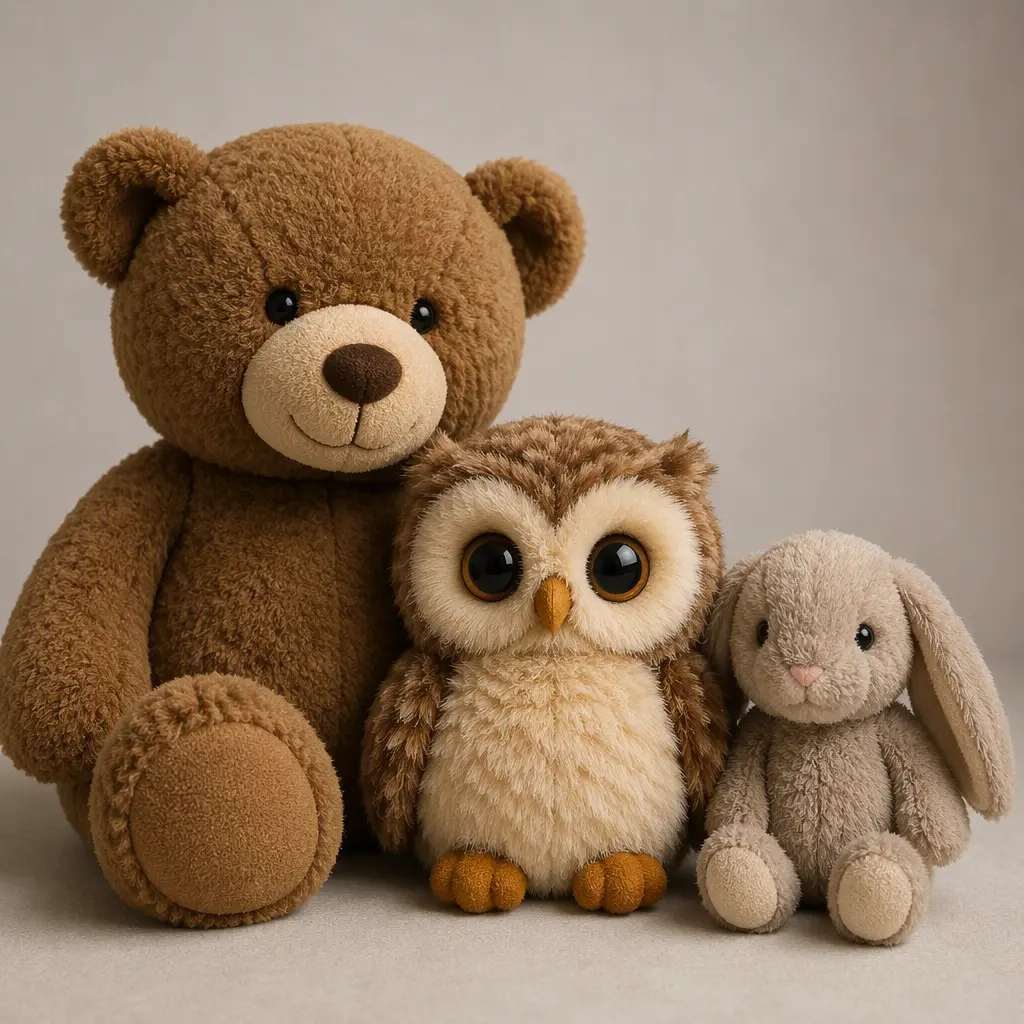
One reason the Beanie Boos line has lasted is its flexibility. Ty regularly introduced new animals, seasonal releases, holiday-themed colors, and different fabric textures without changing the core formula. Shoppers today can still find classic animal designs alongside newer fantasy creatures and bright pastel combinations influenced by current trends. Sizes range from tiny clip-on plush toys to much larger cuddle-oriented versions intended more for display or bedroom décor.
Collectors looking for older releases often focus on condition. Original tags matter to many enthusiasts, particularly for early releases from the first years of the line. Plush texture is another factor, since heavy play can flatten stuffing or dull the fabric over time. Because the toys became widely popular, shoppers should also be cautious about generic imitation plush that mimic the oversized-eye style but use lower-quality stitching or materials.
- Look for clean stitching and securely attached decorative elements
- Check whether the original swing tag is still attached if collecting matters to you
- Choose a size based on intended use, from clip-ons to larger cuddle plush
- Expect many seasonal and themed designs rather than a fixed core lineup
- Be cautious of low-quality imitation plush with rough seams or thin fabric
Frequently asked questions
Are Beanie Boos the same as Beanie Babies?
They are related but not identical. Both come from Ty and use soft plush construction with bean-filled elements, but Beanie Boos are known for their oversized glitter eyes and more stylized character designs. Beanie Babies generally aimed for a more understated look.
Why did the large-eye style become so popular?
Large eyes create a strong emotional response and photograph well, which helped the toys spread through online sharing and social media. The design also fits broader trends in animation, stickers, and character branding that emphasize cute, expressive features.
Do adults collect Beanie Boos?
Yes. Some collectors focus on nostalgia connected to earlier Ty products, while others enjoy specific animals, holiday releases, or display arrangements. The line has a broad enough range that many adult collectors treat it as a casual hobby rather than a high-stakes investment market.
Are older Beanie Boos valuable?
Most were produced in large numbers, so value depends heavily on rarity, condition, and collector demand. Early releases with intact tags may attract more interest, but the line is generally more about enjoyment and display than speculative resale.
More than a decade after their introduction, Beanie Boos remain recognizable because they understand a basic truth about plush toys: emotional connection matters more than complexity. Their giant sparkling eyes may look simple, but they transformed an established plush formula into something immediately modern and highly shareable. In an era filled with screens and fast-changing trends, the continued popularity of these soft collectibles shows that a familiar comfort object can still find new life with the right visual twist.