Breyer Horses: The Model Stable That Became a Collector World
Breyer Horses began as realistic horse figures in the 1950s and grew into one of toy culture’s most dedicated collector communities, blending pretend play, craftsmanship, and horse fandom.
Compare prices and availability
Check current prices and availability for this guide on eBay.
As an eBay Partner, we may be compensated if you make a purchase.
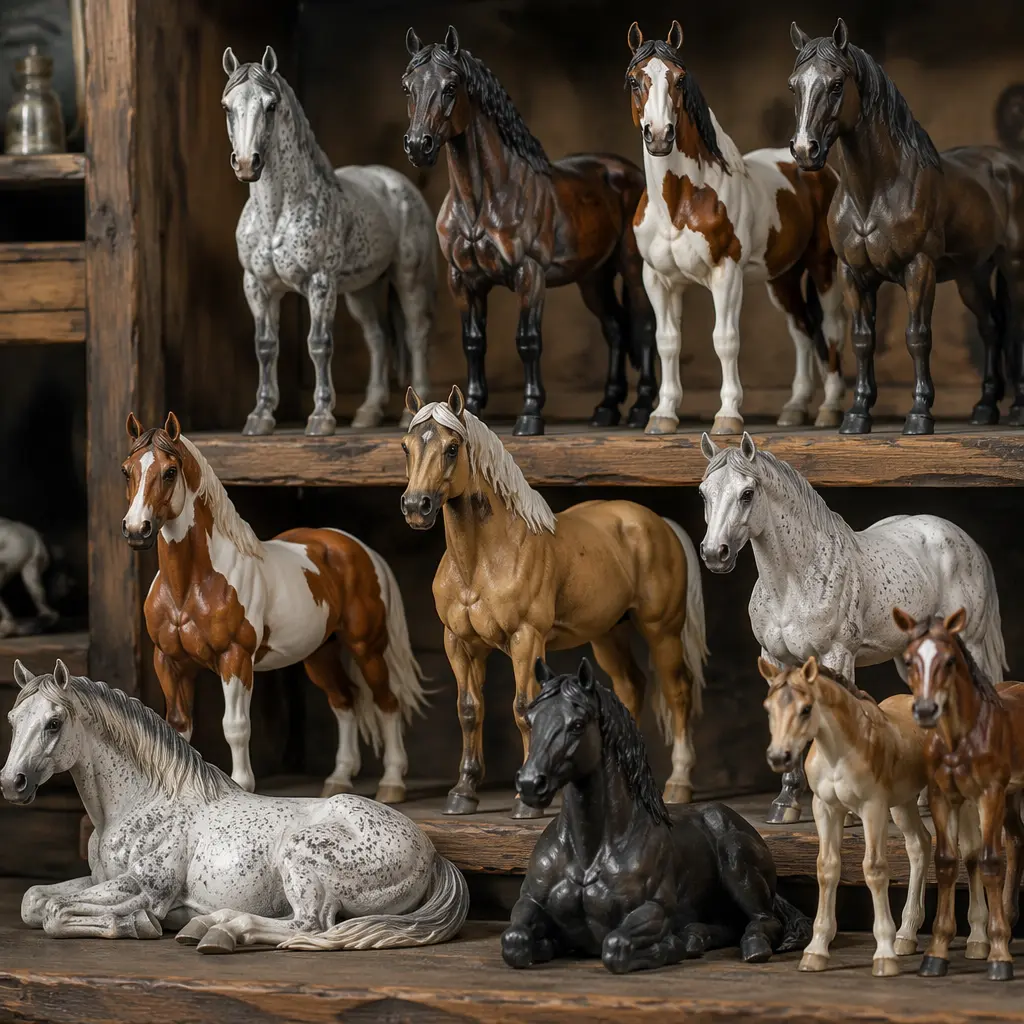
Breyer Horses occupy a rare place in the toy world. They began as realistic horse figures meant for children’s play, but over decades they also became display pieces, collectibles, and a gateway into horse culture for generations of fans. Unlike many toy lines built around television shows or fast-changing trends, Breyer’s appeal has always come from careful sculpting and recognizable horse anatomy. Owners often remember not just a favorite toy, but a favorite breed, pose, or imagined stable built around the figures.
Where it came from
Breyer’s story began in 1950, when the company created a horse model originally intended as a decorative piece tied to a clock set. The horse attracted more attention than the clock itself, and the company soon recognized there was a market for realistic animal figures made with more care than the average plastic toy of the period. At a time when many toy animals were simplified or cartoonish, Breyer leaned toward accurate proportions, breed details, and lifelike movement.
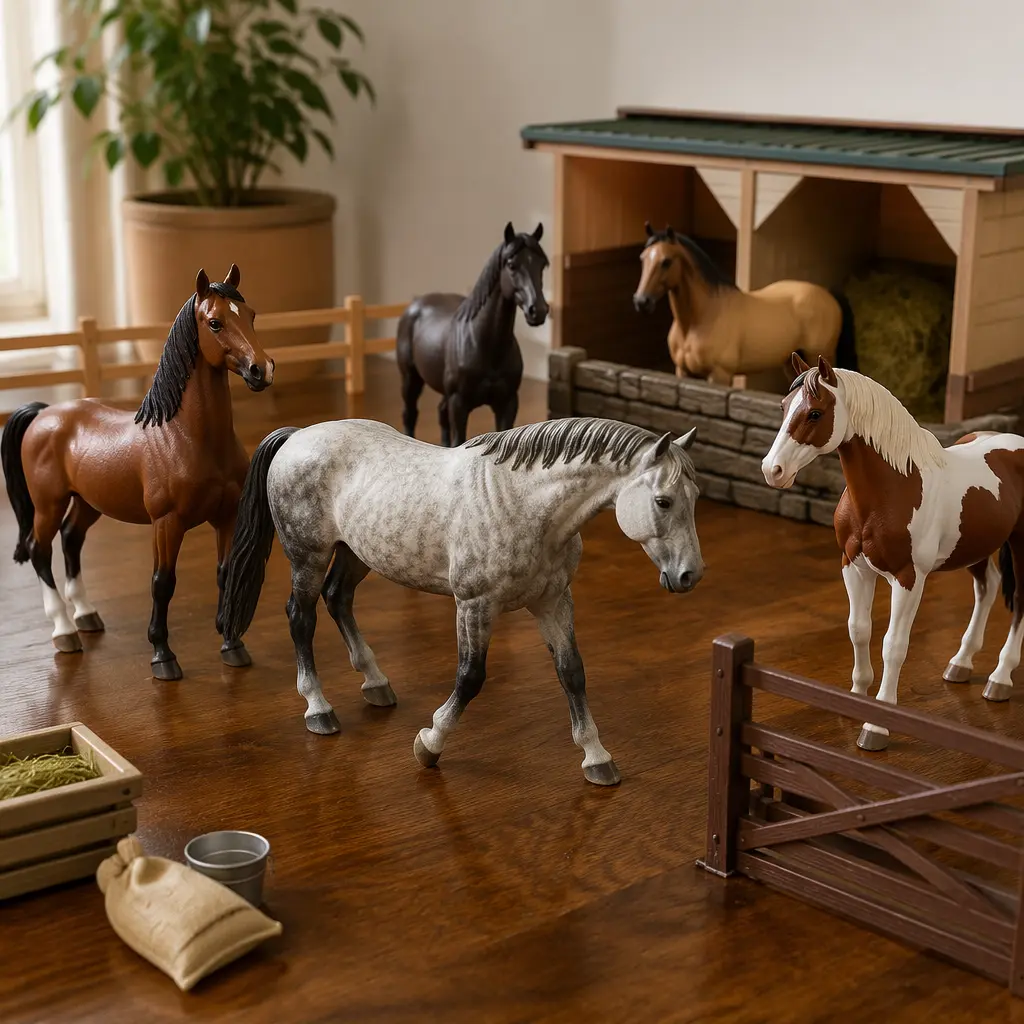
The company expanded through the 1950s and 1960s alongside growing public interest in horses, ranch culture, and equestrian sports. Breyer figures became especially popular with children who loved horses but had little direct access to riding or stable life. The toys offered a way to build an imagined equestrian world at home. Over time, hobby communities formed around collecting, trading, customizing, and showing the figures, turning what looked like a simple toy line into a lasting subculture.
Why it works
The core idea behind Breyer Horses is surprisingly straightforward: treat a toy horse with the same attention usually reserved for statues or museum models. The figures are designed around realistic musculature, distinct breeds, and dynamic poses that suggest motion rather than stiffness. Some stand quietly, while others appear mid-gallop, turning sharply, or preparing to jump. That realism invites both imaginative play and close observation.
Breyer also succeeded because the toys scale well into a broader hobby. Children might start by arranging fences and barns on a bedroom floor, but older fans often move into collecting specific breeds, photographing scenes outdoors, or learning the names of famous horses represented in the line. The figures reward knowledge. A person interested in Arabian horses, draft horses, racing, or western riding can usually find models connected to those interests.
- Realistic horse anatomy and breed-specific sculpting
- Hand-painted details that make individual figures feel distinct
- A wide range of poses, scales, and riding disciplines
- Strong crossover between toy play and collecting
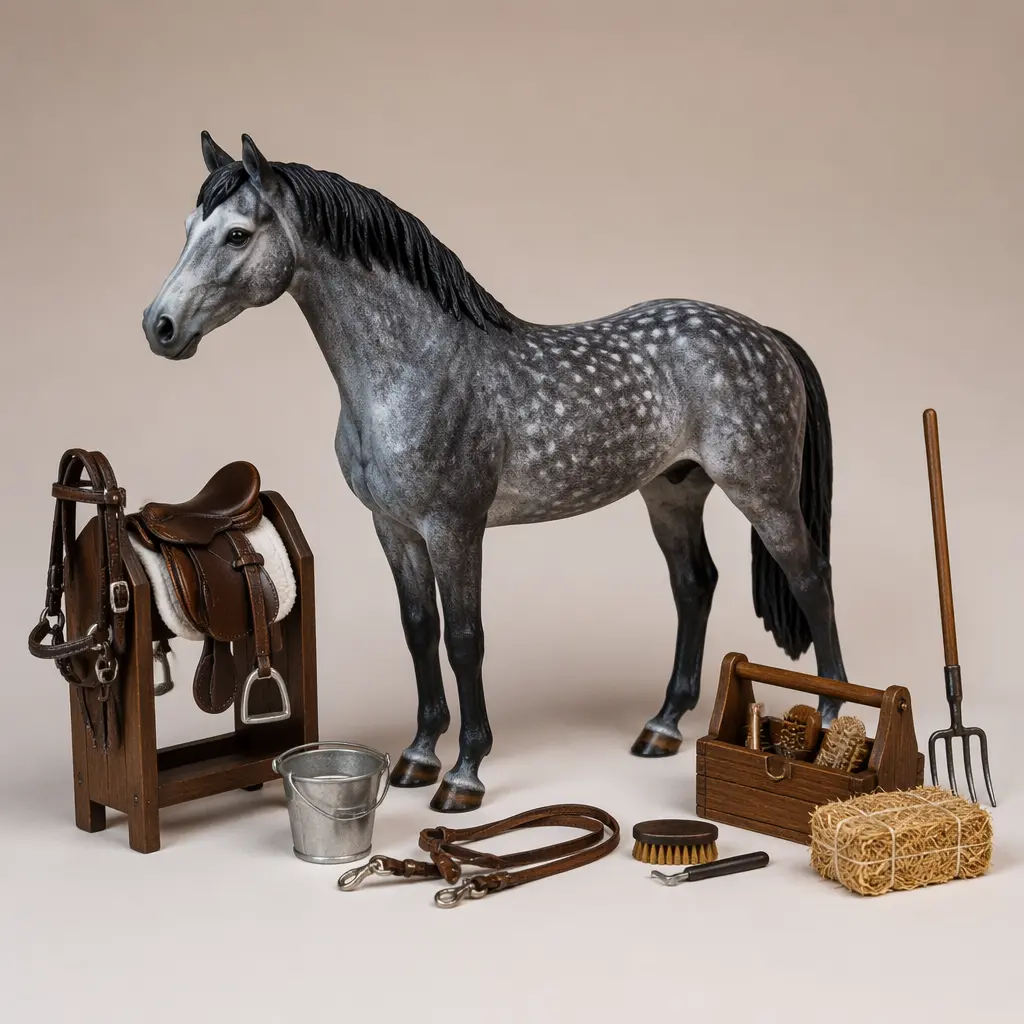
- Accessory ecosystems including barns, tack, riders, and fencing
Who it's for
Breyer Horses work for several audiences at once. Younger children often approach them as pretend-play toys, building stables and inventing stories around competitions, rescues, or ranch life. Older children and teenagers may become interested in horse breeds, training styles, or photography through the hobby. Adults remain a major part of the community as well, especially collectors who appreciate vintage figures, detailed paintwork, or the nostalgia tied to childhood collections. The figures are generally best suited for careful play rather than rough handling, especially the larger or more detailed models.
Variants and what to look for today
Modern Breyer collections cover a wide range of scales and styles. Some are designed for younger children with sturdier construction and simpler accessories, while others focus heavily on realism and display quality. Traditional-scale horses remain the most recognizable format, but smaller scales appeal to collectors with limited space or younger fans building large stable setups. Seasonal releases, breed spotlights, and horse-and-rider sets continue to refresh the line without changing its basic identity.
Collectors today often pay attention to sculpt quality, paint consistency, and condition. Older figures may show wear around the legs, ears, or paint markings from years of play. Repainted or customized models are common in the hobby and can range from simple craft projects to highly skilled artistic work. Buyers should also be cautious with very cheap imitation horse figures marketed as collectible models, since lower-quality plastics and rough paint applications can lose the realism that defines the category.
- Choose a scale that matches available display or play space
- Look for clean paint lines and stable leg positioning
- Vintage figures may show small rub marks or fading
- Accessory sets can add play value for younger owners
- Storage away from heat and direct sunlight helps preserve paint
Frequently asked questions
Are Breyer Horses toys or collectibles?
They are both. Many children use them for imaginative play, but the line also has a large collector audience interested in sculpting, rarity, realism, and display. The overlap between toy and collectible culture is part of what makes the brand unusual.
Why are some Breyer Horses more expensive than others?
Prices can vary based on size, paint complexity, age, production numbers, and collector demand. Retired or older figures in good condition are often more sought after than common modern releases.
Do people customize model horses?
Yes. Customizing is a major part of the hobby. Artists may repaint figures, add realistic hair, reshape poses, or create detailed tack and stable scenes. Some customized models become collectible artworks in their own right.
Are Breyer Horses suitable for very young children?
Some lines are designed for younger ages, but many traditional models have delicate parts and detailed paint that hold up best with careful handling. Parents should also consider small accessories that may not suit toddlers.
More than seventy years after their debut, Breyer Horses remain a reminder that toys do not always need electronics, licenses, or elaborate gimmicks to build loyal audiences. Their lasting appeal comes from observation and imagination: recognizable breeds, believable movement, and the feeling of building a stable one horse at a time. For some owners they are childhood playthings, for others display collectibles, and for many they are both at once.