Playmobil City Life and the Staying Power of Everyday Roleplay
Playmobil City Life turned ordinary places into detailed play worlds, helping open-ended storytelling compete with screens through flexible figures, routines, and realistic settings.
Compare prices and availability
Check current prices and availability for this guide on eBay.
As an eBay Partner, we may be compensated if you make a purchase.
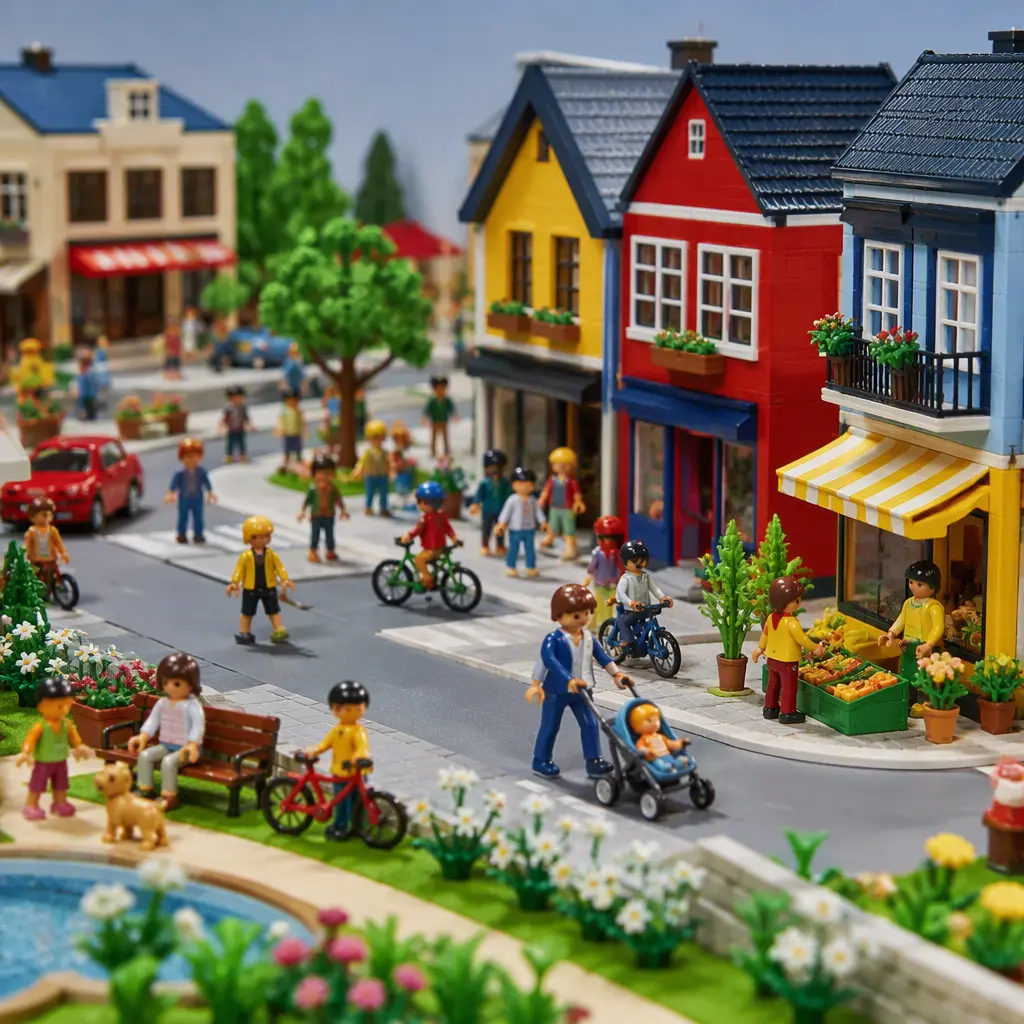
Playmobil City Life arrived at a moment when toy shelves were increasingly dominated by electronic gadgets, licensed characters, and app-connected play. Instead of competing directly with screens, the line leaned into something older and surprisingly durable: everyday storytelling. Doctors' offices, schools, family homes, cafés, playgrounds, and city streets became miniature stages where children could invent routines, relationships, and small dramas of their own making. The appeal was never about a single hero or storyline. It was about giving kids enough detail to recognize the world around them while leaving enough gaps for imagination to fill in the rest.
Where it came from
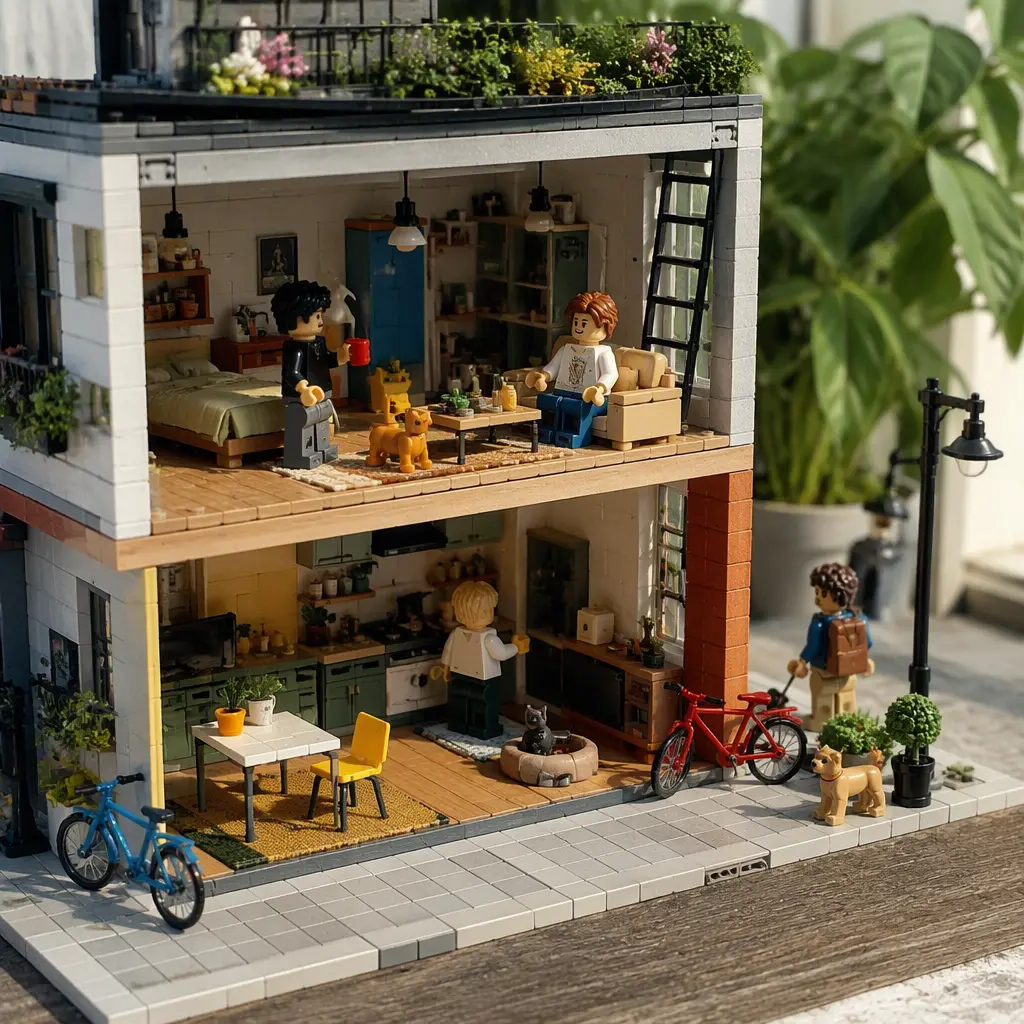
Playmobil itself began in Germany in the 1970s, created by inventor Hans Beck for the Geobra Brandstätter company. Beck's approach was intentionally simple. The small figures had limited facial expressions and compact proportions, allowing children to project different personalities and emotions onto them. Early themes focused on broad imaginative settings such as knights, construction crews, and western adventures, but the company gradually expanded into more contemporary environments.
City Life emerged as part of that shift toward recognizable modern living. Rather than centering fantasy or conflict, the range focused on ordinary experiences: going to school, visiting the doctor, caring for pets, shopping for groceries, or relaxing at home. That sounds modest compared with action-heavy toy lines, but it turned out to be one of the brand's strengths. The sets mirrored daily routines children already understood, making roleplay feel approachable and endlessly adaptable. Parents also tended to appreciate the calmer, open-ended tone compared with toys tied to aggressive competition or rigid story universes.
Why it works
The key to City Life is how much narrative potential fits into a relatively small format. The figures are easy to handle, durable enough for repeated setup and teardown, and expressive without relying on electronics or complicated mechanics. A child can move from a family breakfast scene to a veterinary emergency to a neighborhood party in minutes. Because the figures share a common scale and design language, sets combine naturally across themes.
The design also rewards observation. Tiny accessories such as strollers, lunchboxes, bicycles, kitchen tools, and classroom furniture encourage children to recreate real-world situations. That kind of detail helps roleplay become more specific and social. Instead of simply pretending to be a hero, children often end up acting out cooperation, routines, caregiving, problem-solving, and community life.
- Compact figures designed for easy handling and durable play
- Modern everyday settings that connect to familiar routines
- Interchangeable accessories and buildings across different sets
- Open-ended storytelling without electronics or fixed narratives
- Detailed environments that encourage observation and social play
Who it's for
City Life generally appeals most to children who enjoy storytelling, arranging spaces, and creating ongoing scenarios rather than fast competitive games. Many sets are aimed at early elementary ages, though older children often continue using them as world-building toys because the modular environments can become surprisingly elaborate. Adults have also kept the line relevant. Some collectors enjoy the architectural detail and modular layouts, while parents and educators often use the sets as tools for discussing routines, emotions, and community roles. The neutral figure expressions make the toys flexible for many kinds of imaginative play.
Variants and what to look for today
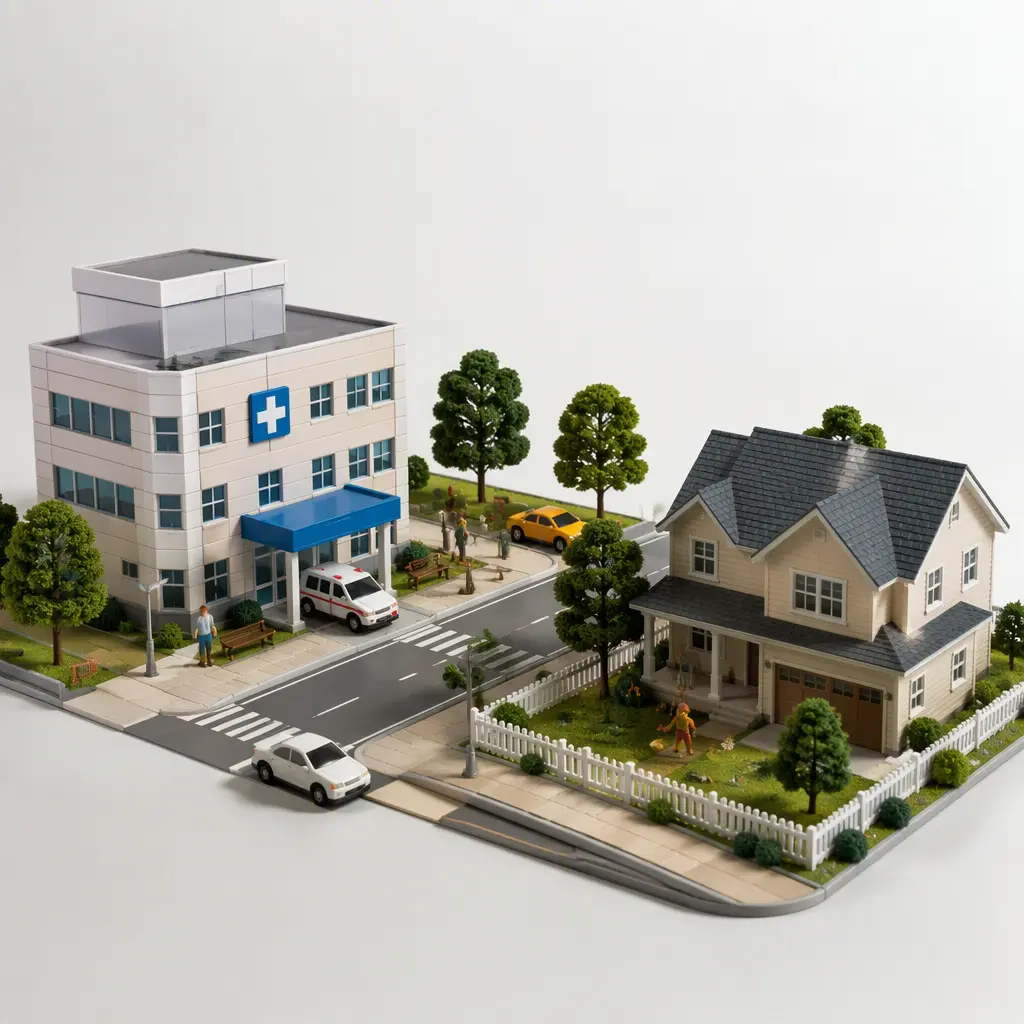
One reason City Life has remained visible is its ability to evolve alongside everyday culture. Over the years, the range has expanded into larger houses, schools, medical centers, cafés, transit systems, playgrounds, and pet-focused environments. Newer releases often include more diverse accessories and contemporary design details that reflect changing family routines and urban life. Some sets lean heavily into realism, while others blend realistic settings with slightly playful or aspirational touches.
For families starting fresh, compatibility matters more than chasing rare editions. The strongest setups usually come from combining a few core environments rather than collecting every available expansion. Figures, furniture, and vehicles are often more valuable to active play than very large display-oriented structures. Secondhand collections can also be useful because the toys were designed for long-term durability.
- Look for sets with versatile figures and reusable accessories
- Check that hinges, clips, and small connectors are intact when buying used
- Starter home, school, or clinic sets usually connect well with future additions
- Large collections benefit from storage bins for tiny accessories
- Generic imitation figures may not fit properly with authentic play environments
Frequently asked questions
Why do children stay interested in City Life for so long?
The toys support evolving stories rather than one fixed objective. Children can revisit the same figures and environments repeatedly while inventing new situations, which helps the sets remain engaging over time.
Are City Life sets mainly for girls or boys?
The line is generally designed around everyday activities and shared environments rather than strongly gendered narratives. Schools, homes, parks, and community settings tend to appeal broadly across different interests.
How does City Life compare with digital play?
The appeal comes from tactile interaction and self-directed storytelling. Children physically arrange spaces, move characters, and negotiate stories in real time, which creates a different pace and kind of imaginative engagement than screen-based entertainment.
Is Playmobil mainly a collector brand now?
While adult collectors remain active, the core design still centers on children's roleplay. Many families continue buying sets as expandable play systems rather than display pieces, especially because themes can mix so easily.
Playmobil City Life succeeded by treating ordinary life as worthy of imaginative play. In a toy market crowded with flashy effects and licensed universes, the line demonstrated that children still enjoy building neighborhoods, running classrooms, caring for pets, and inventing social worlds of their own. Its staying power comes from flexibility: the toys are detailed enough to feel real, simple enough to invite imagination, and adaptable enough to grow with the people playing with them.