Typer Toys: Why toy typewriters inspired young writers
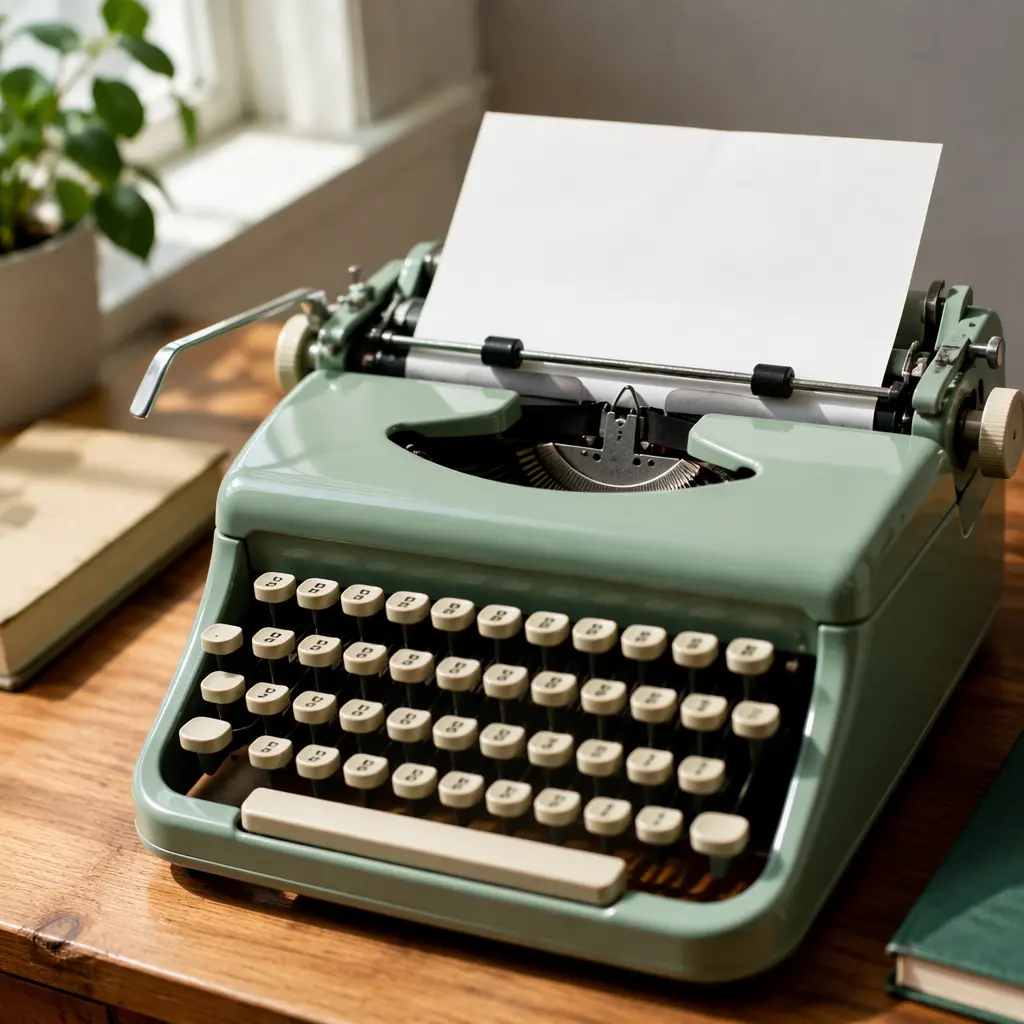
Toy typewriters turned pretend play into an early writing habit for generations of children. Their clacking keys, paper rollers, and simple mechanics made storytelling feel real.
Compare prices and availability
Check current prices and availability for this guide on eBay.
As an eBay Partner, we may be compensated if you make a purchase.
Long before tablets and classroom laptops, many children met the idea of writing through a toy typewriter. These miniature machines borrowed the look and rhythm of real office equipment, giving kids a way to imitate adults while also experimenting with stories, letters, and make-believe work. The appeal was never just about pretending to type. The sound of the keys, the movement of paper through a roller, and the feeling of producing a physical page made writing seem important and exciting. For many adults, toy typewriters are remembered as one of the first toys that treated creativity as a serious activity rather than a simple game.
Where it came from
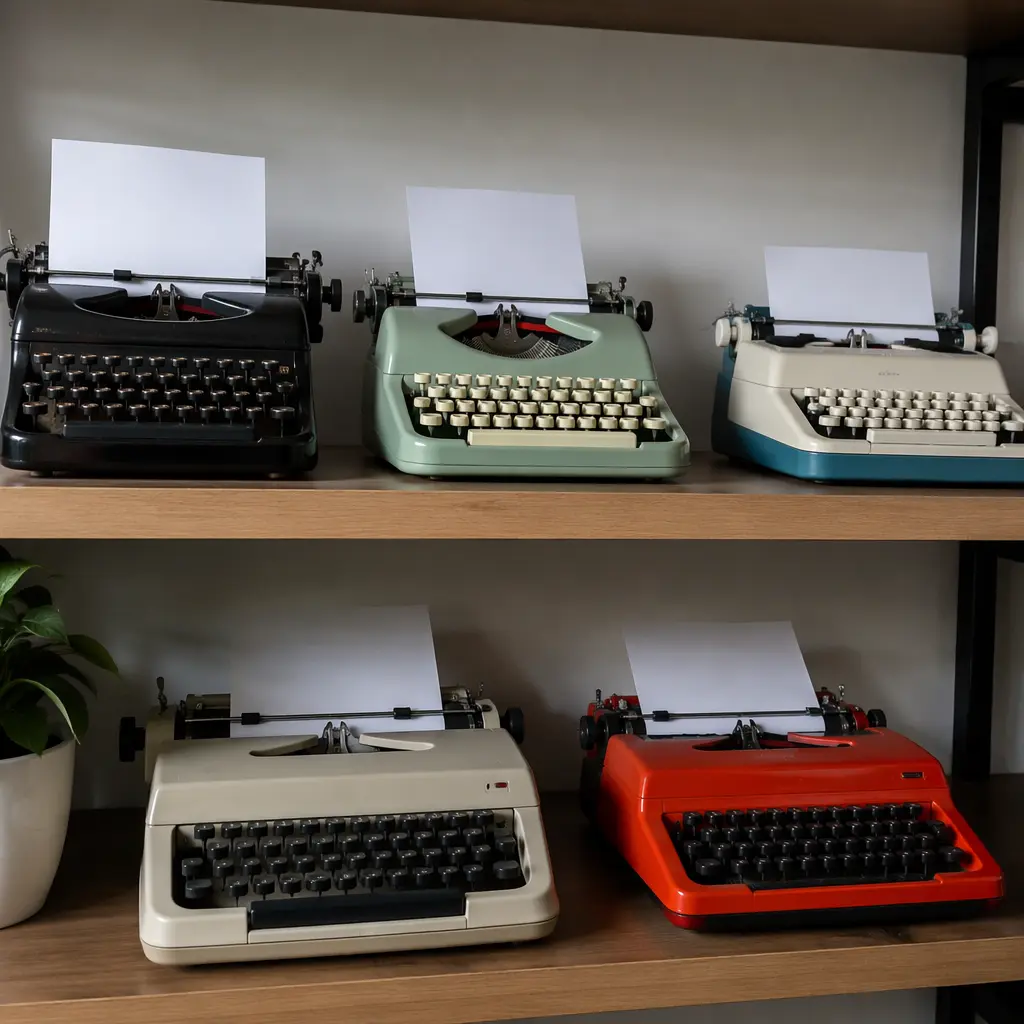
Toy typewriters appeared not long after real typewriters became common in homes, schools, and offices during the late 19th and early 20th centuries. Early versions were often made from metal and tried to copy the mechanics of adult machines as closely as possible. Some actually struck ink ribbons onto paper, while simpler models embossed letters or produced marks without ink. Manufacturers understood that children were fascinated by the busy, mechanical world around them, and the toy typewriter offered a safe, accessible version of it.
By the middle of the 20th century, toy typewriters had become a familiar sight in department stores and holiday catalogs. They reflected a period when office tools symbolized education, professionalism, and independence. Parents often saw them as educational toys because they encouraged spelling, handwriting alternatives, and storytelling. Unlike many pretend-play toys that focused only on imitation, toy typewriters created something tangible at the end of play: notes, stories, lists, or invented newspapers. That sense of output helped the toy endure across generations.
Why it works
The design of a toy typewriter combines physical interaction with imagination in a way that still feels satisfying today. Every action produces feedback. Keys move, paper advances, and parts click into place. Even children too young to type properly could enjoy the cause-and-effect mechanics. The toy rewarded experimentation because every key press seemed meaningful. Compared with silent touchscreen keyboards, classic toy typewriters offered texture, noise, and resistance, making the process of writing feel more deliberate.
Toy typewriters also succeeded because they sat between educational and pretend play. A child could role-play as a journalist, novelist, office worker, teacher, or detective while also practicing letter recognition and sentence-building. The toys often encouraged solo play, but they also worked socially. Children wrote messages to parents, made signs for games, or created simple stories to share with friends and siblings.
- Mechanical key action that gives immediate tactile feedback
- Paper rollers and carriage movement that mimic real typing
- Open-ended play that supports storytelling and imagination
- Simple educational value through spelling and sentence practice
- Durable designs that often survived years of household use
Who it's for
Classic toy typewriters were usually aimed at school-age children, though younger kids often enjoyed them with supervision. The appeal today reaches beyond children. Collectors seek older metal versions for their craftsmanship and nostalgic value, while parents sometimes introduce modern toy typewriters as screen-free creative tools. They can be especially appealing for children who enjoy sensory play, role-playing adult activities, or making physical objects rather than digital files. Some families also use them as decorative pieces in reading corners, classrooms, or playrooms because the designs instantly communicate creativity and imagination.
Variants and what to look for today
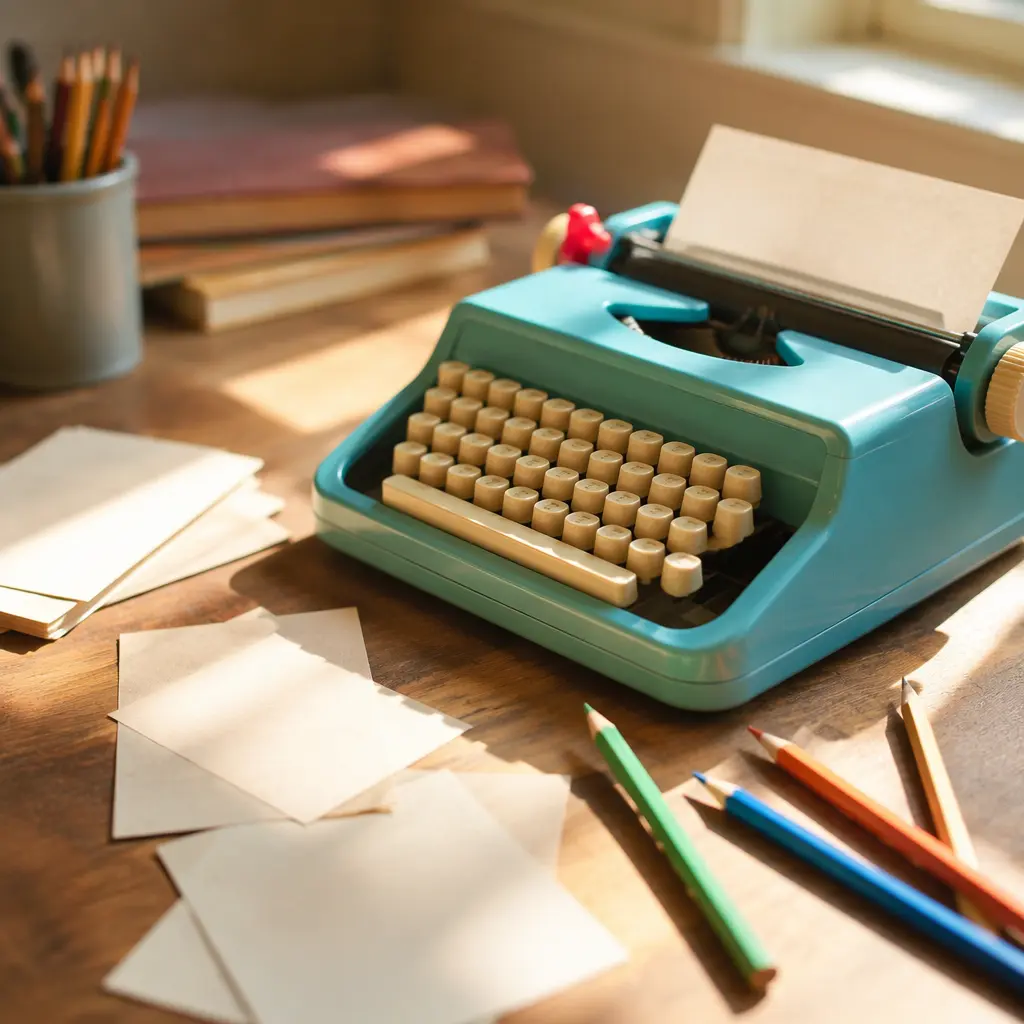
The toy typewriter category has changed significantly over the decades. Early models tended to emphasize realism, often using metal parts and functioning ribbons. Later versions became lighter and more colorful as plastics became common in toy manufacturing. Some modern versions focus on retro design rather than authentic mechanics, while others combine typing play with electronic sounds or learning features.
Collectors generally look for complete examples with working keys, intact rollers, and minimal rust or cracking. For families buying one for active play rather than display, durability matters more than historical accuracy. Some inexpensive novelty versions only imitate the appearance of typing and may not provide much satisfying interaction. A good toy typewriter should still offer tactile movement and clear mechanical feedback, even if it does not produce fully typed text.
- Vintage metal toy typewriters for collectors and display
- Plastic mid-century models with brighter colors and simpler mechanisms
- Modern retro-inspired toys designed for pretend play
- Educational typing toys with sounds or electronic features
- Toy writing machines with real paper feed mechanisms for hands-on creativity
Frequently asked questions
Did toy typewriters actually type words?
Some did. More advanced models used ribbons and typebars similar to real typewriters, while simpler versions embossed paper or created symbolic marks instead of fully readable text. The level of realism varied widely depending on the era and price range.
Why were toy typewriters considered educational?
Parents and teachers often viewed them as tools that encouraged spelling, storytelling, and familiarity with letters. Because children produced visible pages, the toys felt connected to real communication rather than abstract learning exercises.
Are vintage toy typewriters collectible?
Yes. Many collectors appreciate them for their industrial design, mechanical detail, and nostalgic connection to childhood. Older metal examples in working condition are especially popular among toy and office-machine collectors.
Do children still enjoy toy typewriters today?
Many do, particularly children who enjoy pretend play and hands-on activities. The novelty of pressing physical keys and feeding paper into a machine can feel fresh in a digital environment where most writing happens on screens.
Toy typewriters lasted because they gave children more than imitation. They offered participation in the adult world of ideas, communication, and storytelling. Whether used for pretend office work, secret notes, or ambitious childhood novels, these small machines made writing feel creative and important. Even now, their clacking keys and paper rollers carry a sense of discovery that modern devices sometimes struggle to match.