Best Floor Puzzles for Preschoolers Who Hate Sitting Still
A parent-focused guide to floor puzzles for ages 3–5, highlighting large pieces, movement-friendly play, and short attention spans. Learn what to look for, safety tips, and common questions.
Compare prices and availability
Check current prices and availability for this guide on eBay.
As an eBay Partner, we may be compensated if you make a purchase.
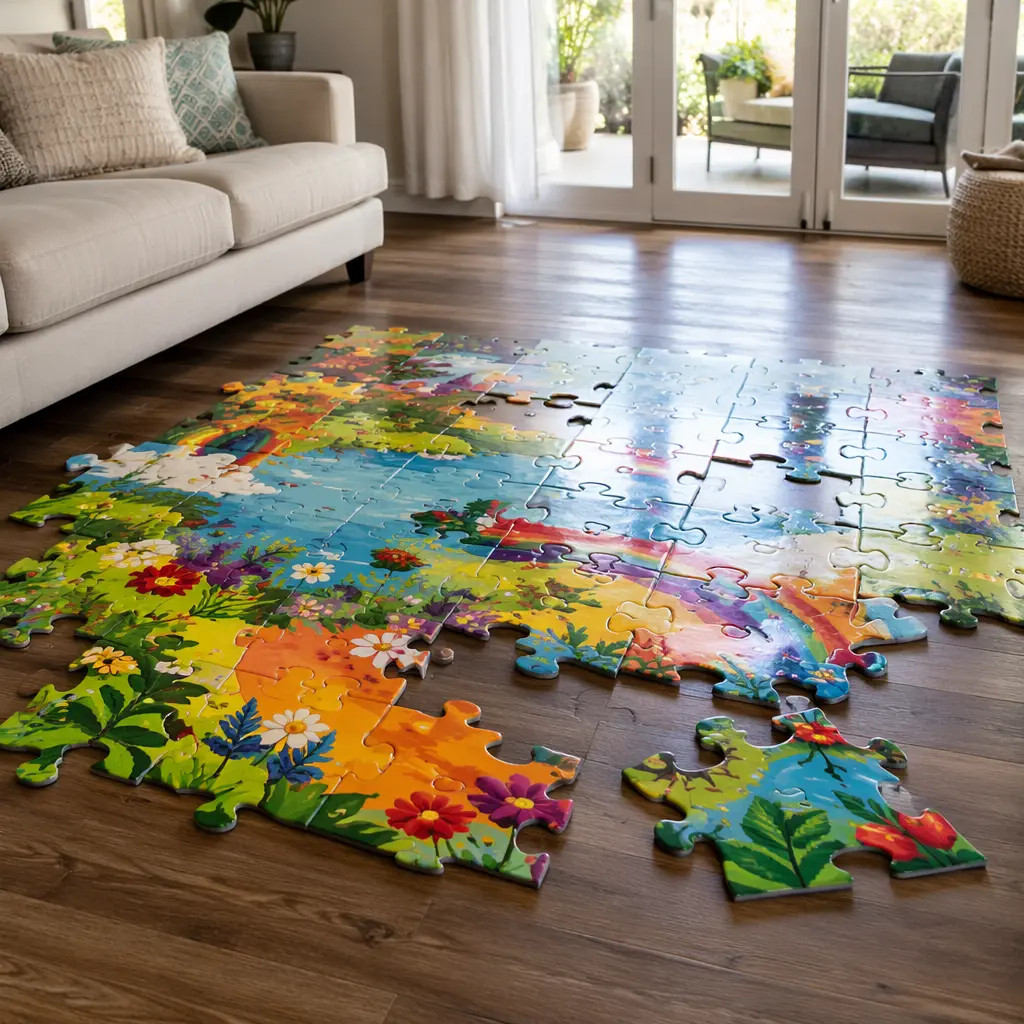
Not every preschooler wants to sit quietly at a table and finish a puzzle from start to finish. Many 3–5 year olds learn best while moving, standing, and changing positions often. Floor puzzles are designed with this in mind. With oversized pieces and big finished pictures, they let kids spread out, walk around, and engage their whole body while solving a problem. For children with short attention spans or lots of energy, this format can make puzzles feel more like play than work.
What to look for
Floor puzzles vary widely in size, complexity, and durability. When shopping for a preschooler who prefers movement, focus on features that support active, flexible play rather than perfect precision.
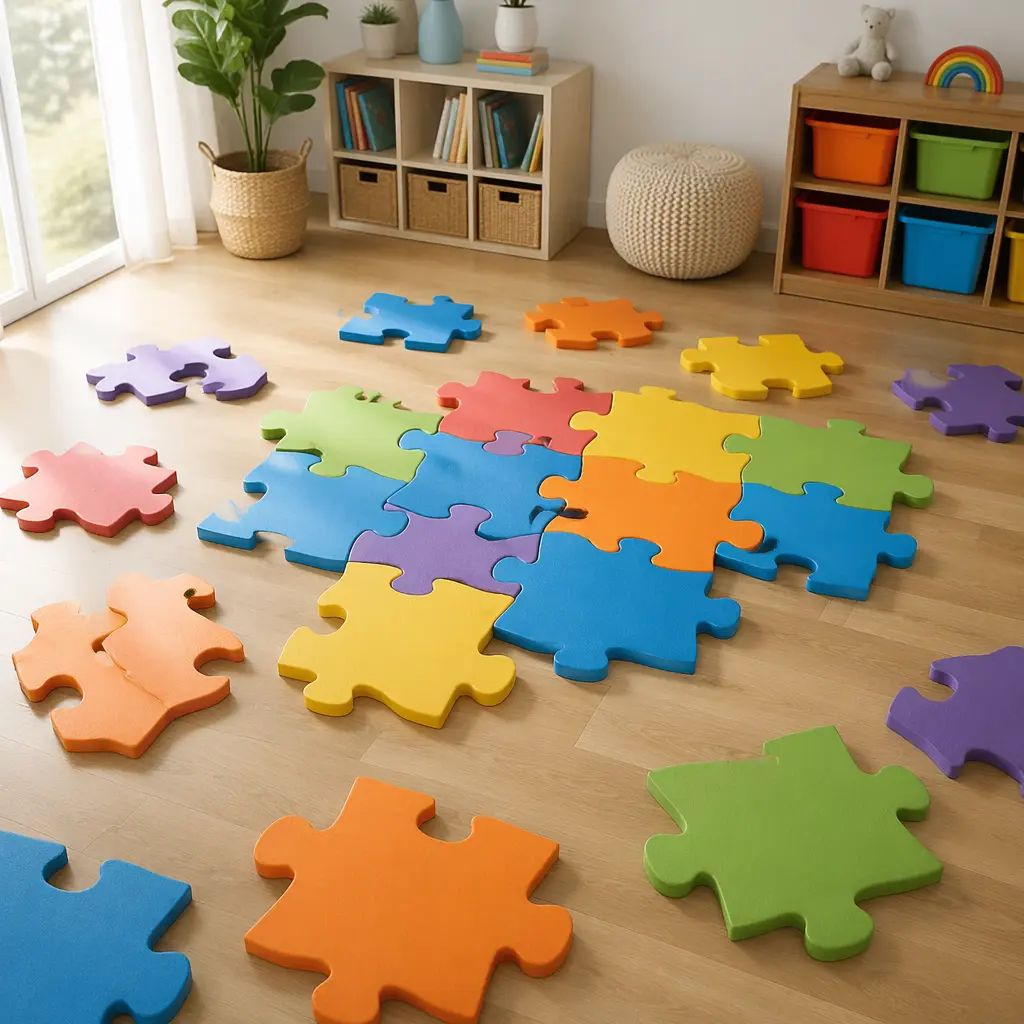
- Large, chunky pieces that are easy to grasp and hard to lose
- Thick cardboard or foam that can handle being stepped on or slid around
- Piece counts that feel achievable, often between 12 and 36 pieces for this age
- Bright, clear images that are recognizable from a distance
- Loose-fit designs that don’t require exact alignment to feel successful
- Easy storage, such as sturdy boxes or trays, for quick cleanup
Age suitability
For ages 3–5, floor puzzles work best when they match both physical and cognitive development. Younger preschoolers often enjoy puzzles with fewer pieces and bold shapes, while older preschoolers may be ready for slightly more detailed scenes. Keep in mind that attention span can matter more than age. A puzzle labeled for older kids may still work well if the pieces are large and the image is motivating. Likewise, an age-appropriate puzzle can feel frustrating if it demands long periods of sitting still.
Standout categories or types
Some types of floor puzzles are especially helpful for kids who don’t like staying in one place. These designs encourage movement, collaboration, or short bursts of focus instead of long sit-down sessions.
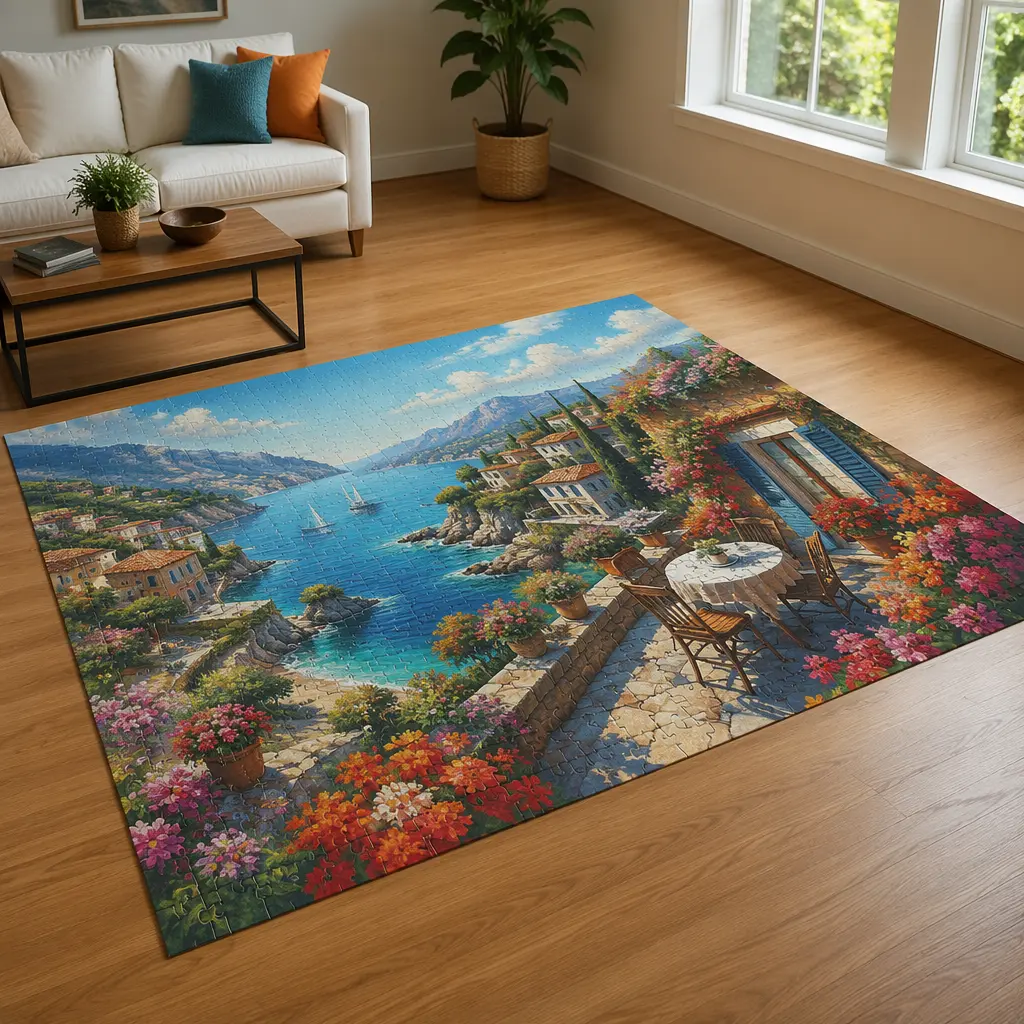
- Extra-large floor puzzles that require standing, walking, and turning pieces from different angles
- Shaped or contour puzzles that form an outline, giving kids a clear goal to move around
- Scene-based puzzles with sections that can be built separately and then joined together
- Foam floor puzzles that double as play mats and allow rebuilding again and again
- Progressive floor puzzles where children can complete part of the picture and stop without losing progress
Frequently asked questions
Are floor puzzles educational or just for fun?
Floor puzzles support several early learning skills, including visual matching, spatial awareness, and problem-solving. For active preschoolers, the movement involved can also help with focus and memory, making learning feel more natural.
How many pieces is best for a preschooler?
Many children in this age range do well with 12–36 pieces, depending on size and complexity. Larger pieces with simple images often feel easier than smaller pieces, even if the total count is higher.
Can floor puzzles be done in short play sessions?
Yes. One advantage of floor puzzles is flexibility. Kids can add a few pieces, walk away, and come back later without feeling like they failed to finish. This makes them well suited to short attention spans.
Do floor puzzles work for multiple children?
Many floor puzzles are large enough for cooperative play. Multiple children can work on different sections at the same time, which can reduce frustration and encourage sharing and communication.
For preschoolers who resist sitting still, floor puzzles offer a practical compromise between structured learning and free movement. By choosing large, durable pieces and age-appropriate designs, parents can turn puzzle time into an active, low-pressure activity that fits naturally into everyday play.